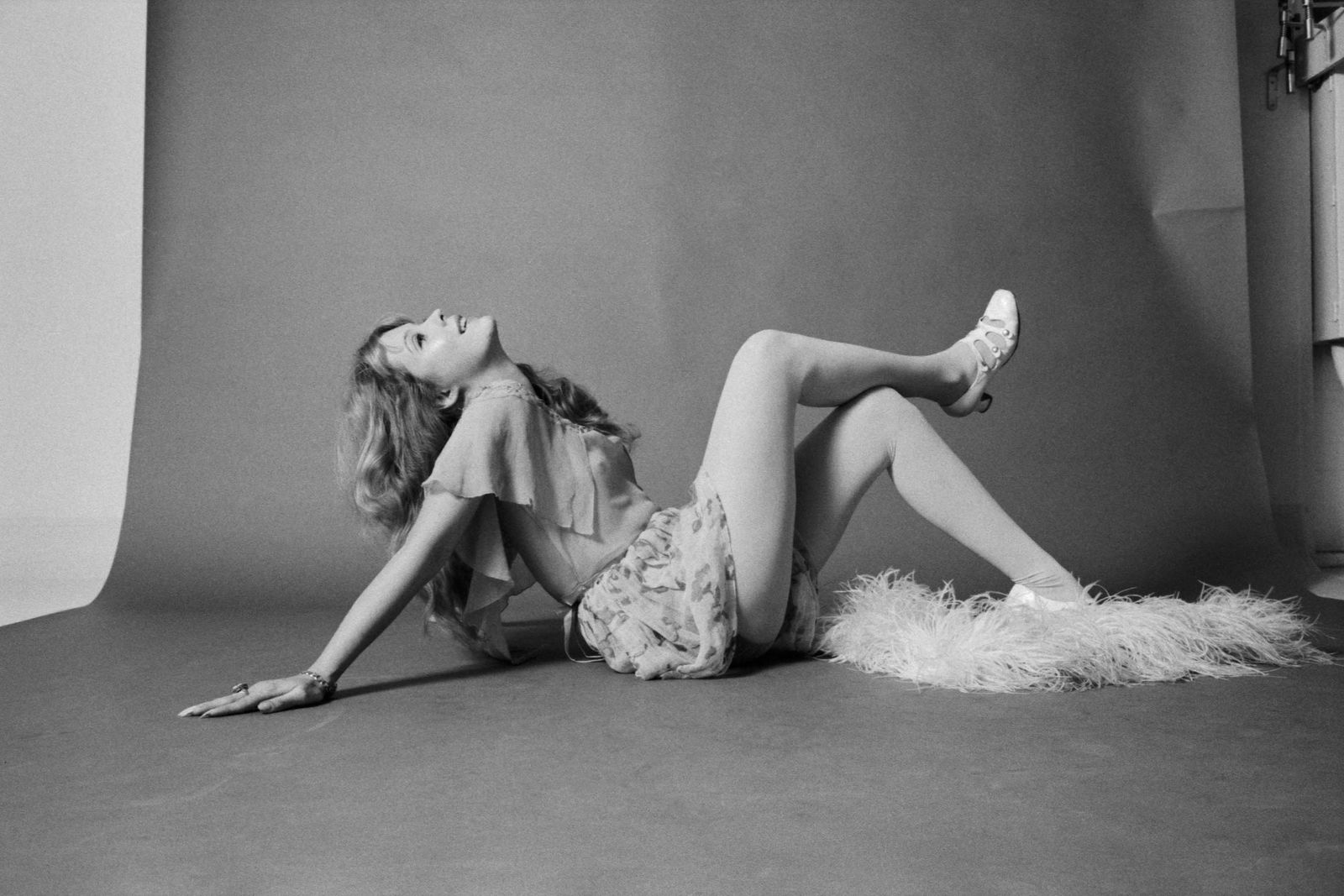
An evergreen teen dream, Miss Pamela Des Barres remains a cultural icon of the ’60s and ’70s for her torrid love affairs with rock legends like Mick Jagger, Jimmy Page, and Keith Moon. Naysayers dubbed her a groupie like it was a dirty word, yet she welcomed the title with open arms. “I’ve got the G word in my blood and it’s never going away,” Des Barres professed proudly over Zoom. Of course, we would be remiss if we didn’t highlight the fact that she was also a member of her own girl group, known as The GTOs, a traveling dance troupe often cited as being responsible for the iconic style of your favorite rock stars. For years, she’s been performing live readings of her memoir and groupie Bible I’m with the Band all over the country. Now the queen of the Sunset Strip is bringing her one-woman show to the Big Apple at The Cutting Room. Before she touched down in NYC, we hopped on a Zoom call with Des Barres to chat about romancing with Mick Jagger, the GTO girl code, and what it takes to be a groupie today.
———
ARY RUSSELL: The last time that we spoke, you said that you were going to be in Albuquerque. How was everything?
PAMELA DES BARRES: It was wonderful. I travel a lot. I’ve been doing workshops all over the country.
RUSSELL: What’s your favorite part about doing these shows?
DES BARRES: Sharing my former reality. It seems like a myth to a lot of younger people who weren’t able to be in the thick of the musical, sexual, and spiritual renaissance of the ’60s and early ’70s. This book personifies that era in a way that I didn’t think of when I wrote it.
RUSSELL: Do you ever have girls coming up to you with similar stories?
DES BARRES: Yes. Groupies always love me, and they want to entrust me with their experiences. I get tons of messages from people I don’t know regarding their wild antics with musicians.
RUSSELL: I re-read your book for the third time. I first asked for it for Christmas when I was 16. I’ve always considered myself a fangirl, but felt like a weirdo because my parents could not understand why I’d get so obsessed. So, when I read your book for the first time, I was able to say, “I’m not a freak. There’s someone who understands.”
DES BARRES: I’ve had a lot of that response. Because groupie is a state of mind, people think it’s all about sex, which of course—
RUSSELL: It can be.
DES BARRES: If you’re lucky. Groupies are usually a certain age and all our hormones were popping. I was only 14 when The Beatles happened, and no one understood what was going on there. Elvis [Presley] too. All my walls were covered with their photos, and I’d never stopped. I had many rituals I had to do, or I’d never meet Paul [McCartney].
RUSSELL: You were very bold for your age, sneaking onto The Beatles’ property or following Mick Jagger to his hotel. Was there ever a moment where you thought, “Okay, I’m taking it a little too far”?
DES BARRES: No. I wanted to take it further. And of course, when I came across Jim Morrison, I did. But it was very different in the mid to late-’60s. We were coming out of the ’50s and men didn’t expect you to drop your drawers for them immediately. I never went all the way until I was 19 and a half with Nick St. Nicholas, another bass player. My first three lovers were bass players.
RUSSELL: It’s one of those things where you never want to live with regret.
DES BARRES: “I wish I’d done that.” I was early on in the scene. It was just good timing and I was close enough to the Sunset Strip to get there by hook or by crook. People think that because I was a groupie all I wanted to do is fuck rock stars. I had tons of goals and it was because my mom gave me such a great foundation and believed in me that I remained safe in that scene when a lot of people went too far with drugs and alcohol and sex.
RUSSELL: You knew your limit.
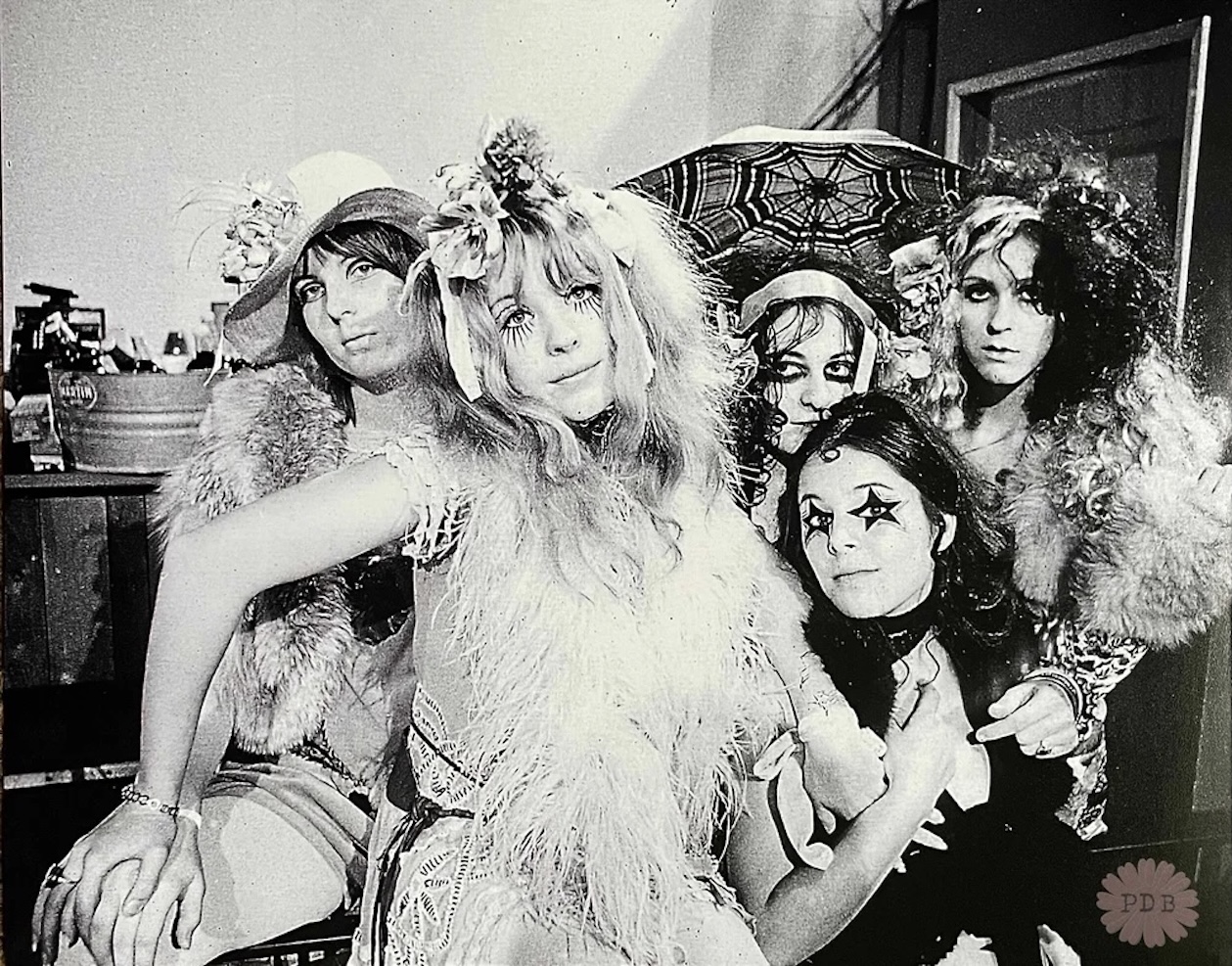
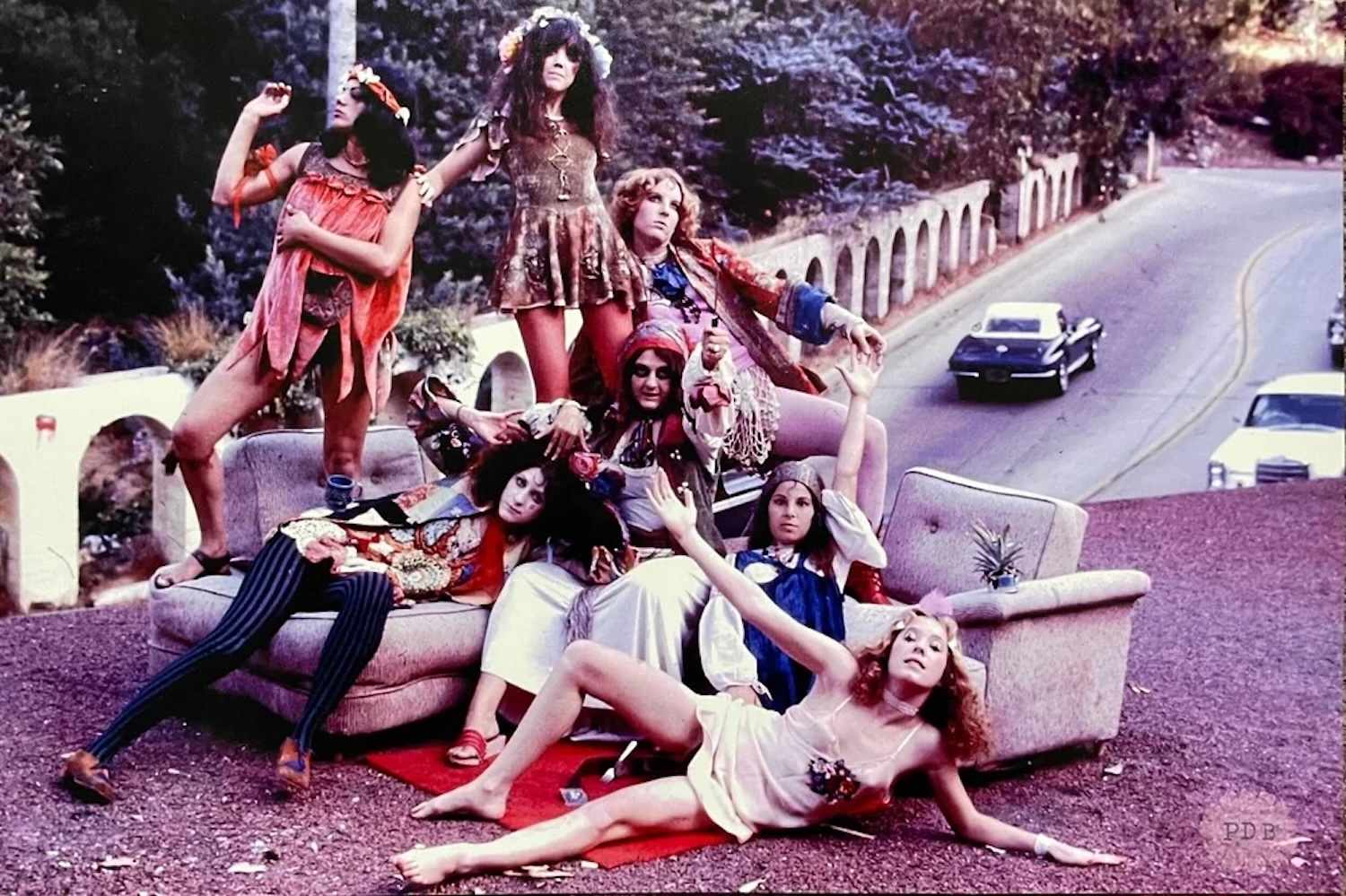
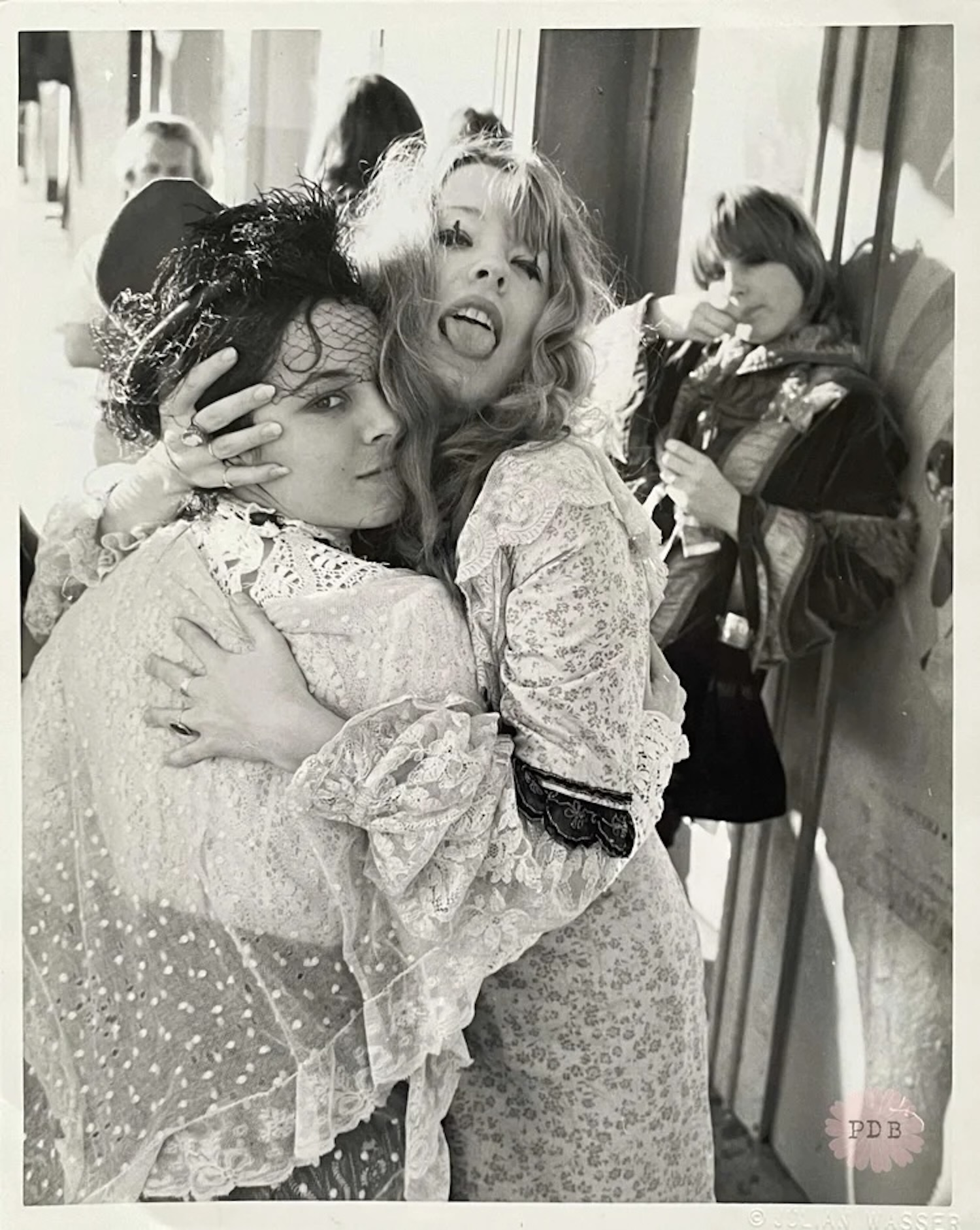
DES BARRES: I had a love foundation, the love-ins, the closeness that people had with each other. The GTOs [Girls Together Outrageously], my girl band, were crazy about each other. I didn’t have sex with any of them, but a couple of them did with each other.
RUSSELL: I loved reading about the camaraderie that you had with The GTOs. When you’re mixing the hormones with these goo-goo-gaga rock stars, how did you stay strong in that camaraderie? Were there moments where multiple girls were interested in the same rock star?
DES BARRES: Not The GTOs. We were real careful about who we got crushes on. We were more important to each other than the musicians were, especially when Frank [Zappa] turned us into a group and we thought we were going to be world famous, like our rock star friends. That didn’t happen, of course, but it was a real magical time. For people to judge me and anyone from that era who had a blast, I feel sorry for them that they didn’t get to do all that stuff.
RUSSELL: They missed out.
DES BARRES: It was so much fun. Of course, my heart got broken horribly by Jimmy Page, but a lot of it was just romping and fun like with Mick Jagger. I knew I was not going to land him.
RUSSELL: Oh, Mick Jagger…
DES BARRES: He was my first sexual crush. I was the right age to go, “Oh, my god. What’s going on down there?” when listening to his music. Actually, I had to fight him off for a while because I was in love with Jimmy Page. I thought he was being true to me on the road, which was ridiculous. But I was an innocent 20-year-old, and I learned a lot with Jimmy. He was crazy about me.
RUSSELL: Were there any situations that now that you’ve gotten older, you’ve begun to look at differently?
DES BARRES: I didn’t know when I first decided to do these one-woman shows that people would laugh as much as they do. So, I dig a little deeper into it, and a lot of it is very funny. There were some deadly, tragic times, too. I do read a lot about Gram [Parsons], because he was my favorite all-time singer. So, there’s a lot of sweetness to it too, even though we lost him at 26.
RUSSELL: It’s one thing when your idol that you’ve never met dies.
DES BARRES: Yes.
RUSSELL: It’s another thing if you knew them. What was it like to get the news, “Jim Morrison died. I spent the night with this amazing person”?
DES BARRES: It was horrible. That’s the downside, the drug side, which I was not addicted to. But I fell for the addictive people, because my dad had that quality. It was addiction that brought a lot of these people down and we didn’t know how deadly it could be at that point. Gram didn’t mean to die at all, and neither did Jim Morrison or Jimi Hendrix or Janis Joplin. Brian Jones got murdered, but I don’t think he would’ve lived much longer anyway. [Laughs]
RUSSELL: A lot of people see groupies as one thing. They’re there to fulfill the sexual appetite of these rock stars. But you are doing a lot of emotional labor for these guys. And then also, culturally, you’re influencing their fashion.
DES BARRES: Oh, totally. We gave as much as we got. Sometimes the other way around. We put so much into these people and spent a lot of time with them, especially the Brits. They would come over here and be bored to death. In those days, you could tell your wife you were going to Utah but they would always come right back to L.A. after the show. The Stones, when I was hanging out with Mick, recorded their album here for six weeks.
RUSSELL: Yes.
DES BARRES: They loved being here, and it was an equal exchange. And a lot of times, I wasn’t a groupie, like for Gram. I babysat his daughter. I just loved the music. So, it goes beyond the word “groupie” a lot of times when you’re spending time with musicians. That was family to me.
RUSSELL: Even the title I’m with the Band indicates, “I’m in a place I’m supposed to be. I belong here.”
DES BARRES: That’s true.
RUSSELL: You were also making these shirts that were being worn by these rock stars who were seen as style icons.
DES BARRES: Oh, yeah. Jimmy Page put one of the shirts I made him in his photo book, my pink and white velvet 3-foot fringe shirt. But did he give me credit? No.
RUSSELL: A slight oversight. [Laughs]
DES BARRES: Yeah, right. [Laughs] We were very influential and close with these people. They would come to town and we took them shopping. There was only one vintage store in LA at the time and Nudie’s with Rodeo Tailor.
RUSSELL: Were there any rock stars that were completely different from the persona that they shared with the world?
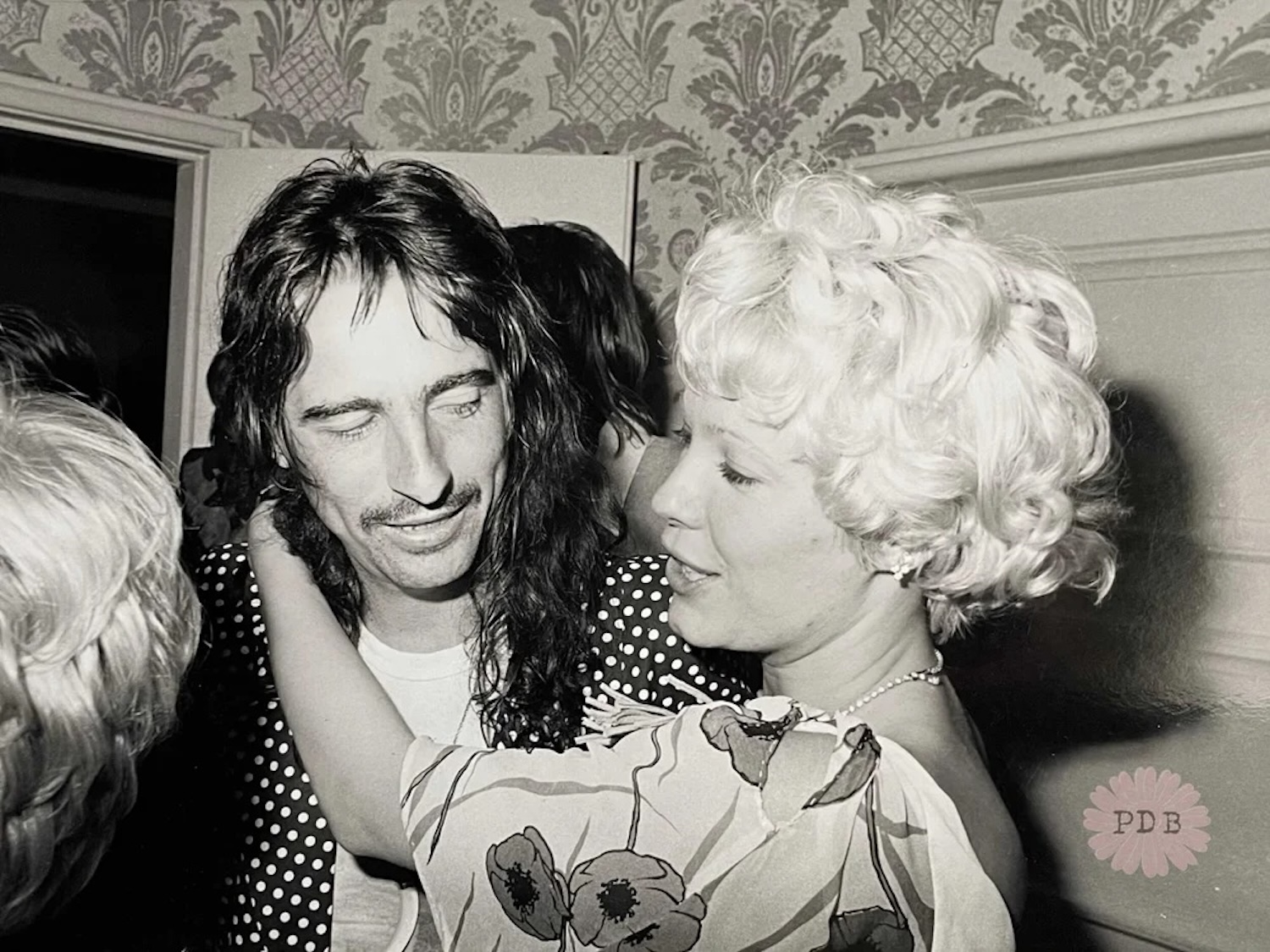
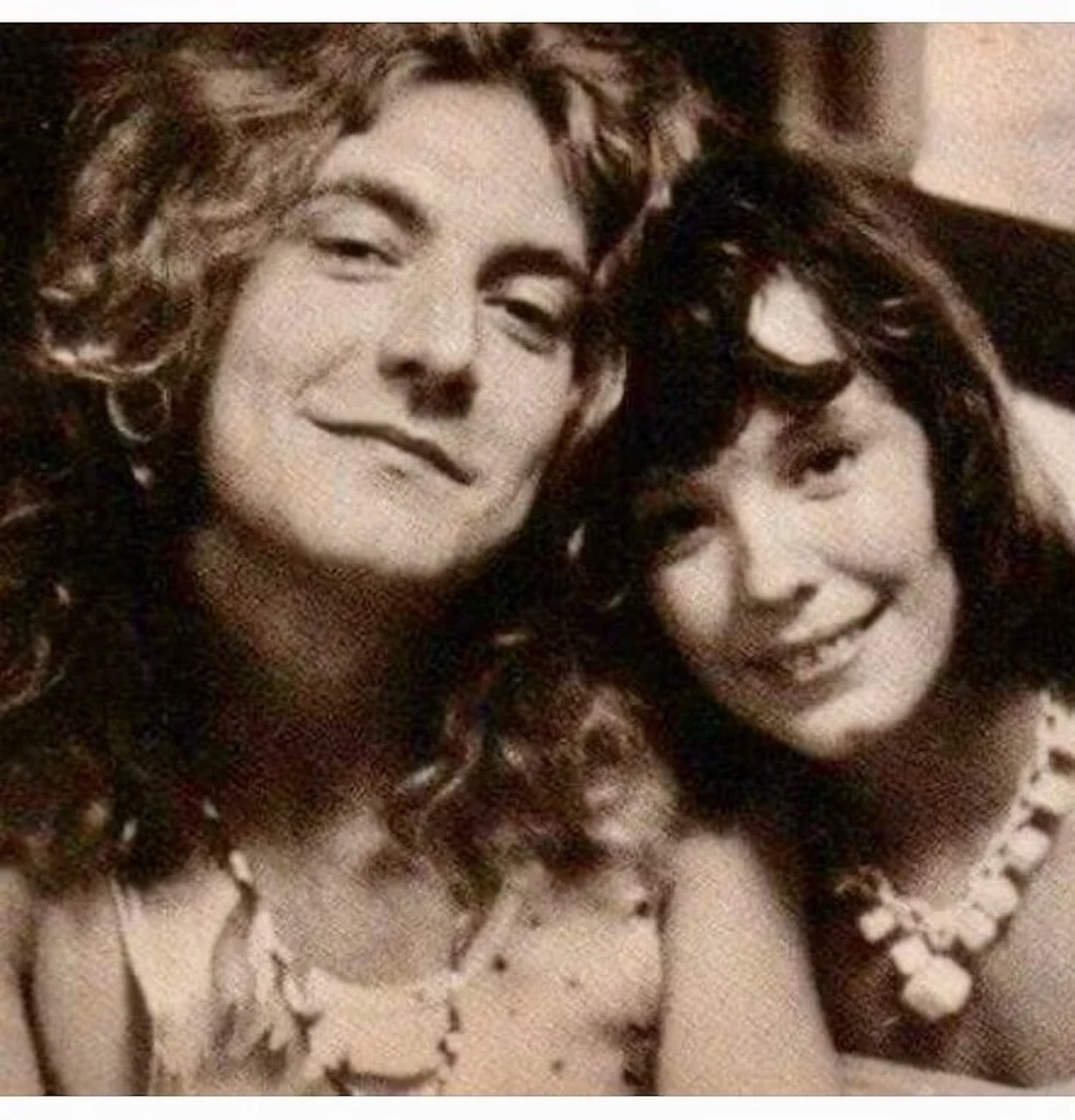
DES BARRES: I mean, Mick was very funny and incredibly self-deprecating. So was Robert Plant. They were amused by the whole thing. Jimmy Page took it a lot more seriously.
RUSSELL: Do you think that your desire to be around famous people truly stemmed from your desire to be famous yourself?
DES BARRES: Well, a lot of the bands I loved were not necessarily famous. I never, ever liked them because they were famous. It was the music that I loved. When I was seeing Jim Morrison, the first album wasn’t even out yet. I just wanted to be around these creative people.
RUSSELL: To be inspired.
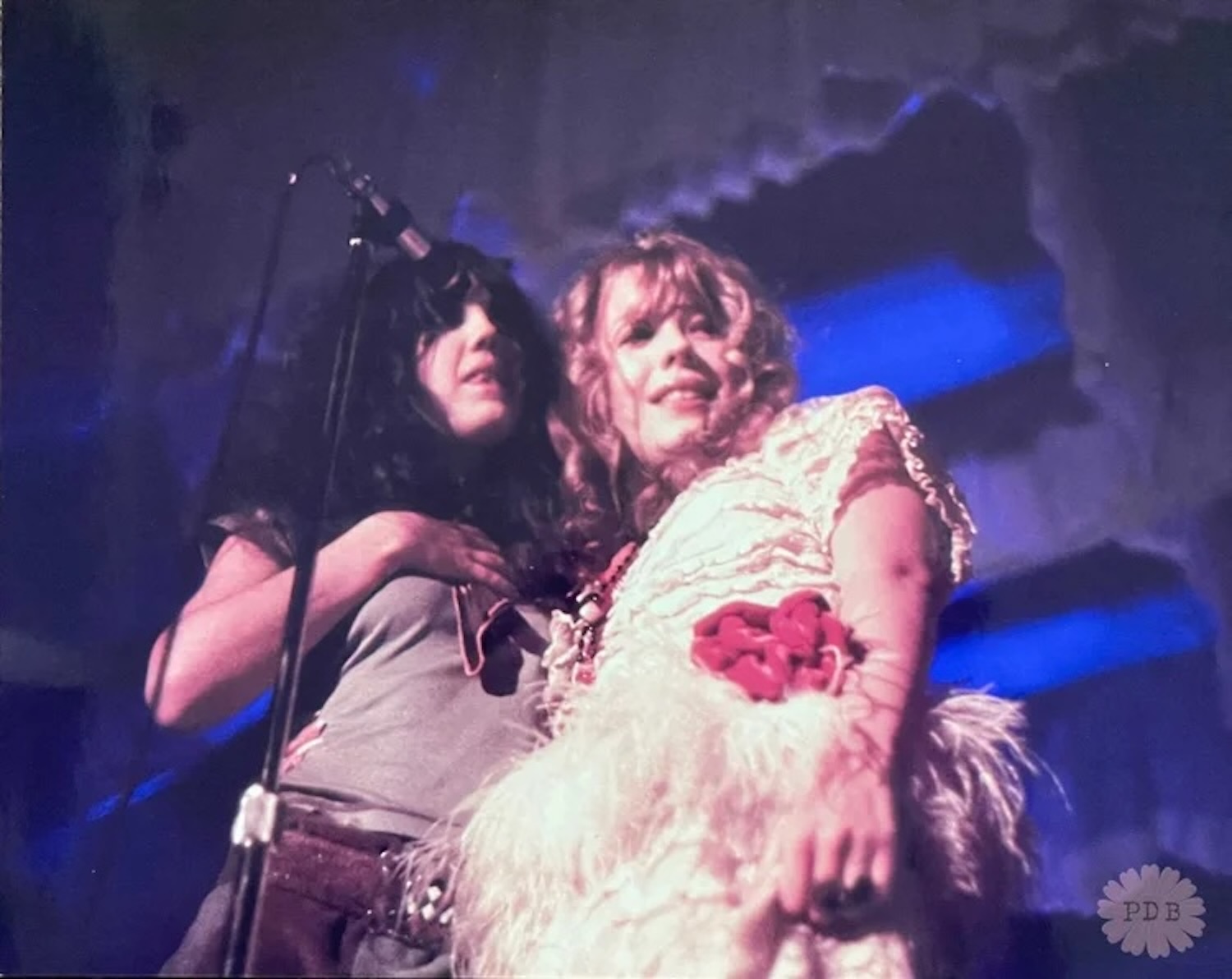
DES BARRES: I wanted to be an actor for quite a while and then when The GTOs started, I thought, “Oh, boy. Now, I’m in a band myself.” We opened for Alice Cooper at the Whiskey [a Go Go] and Miss Christine, one of The GTOs and his girlfriend, did his makeup.
RUSSELL: I remember reading that.
DES BARRES: Even in his fabulous documentary, Super Duper Alice Cooper, he gives us credit for their look. We put them in skirts.
RUSSELL: Which is crazy, because it’s almost like we’ve gone backwards. If you put a guy in a skirt today, it’s a whole hoopla.
DES BARRES: The androgyny started really with the Brits. Mick was androgynous, and The Beatles started it with their long hair. We, as females, felt more comfortable with these androgynous guys.
RUSSELL: Because it was a level of being less threatening?
DES BARRES: I guess so. I mean, I always felt heightened when I was spending time with my favorite musicians, my boyfriends. But there were other times, like with Keith Moon, where I had to take care of him. He would be bipolar now, and there’d be medication for it. There wasn’t then.
RUSSELL: You were playing doctor?
DES BARRES: I was literally a nurse with him. He’d wake up screaming and I’d have to give him another Placidyl. I felt bad for Monika Dannemann, the girl who gave Jimi Hendrix the dose that killed him, because I was doing that too.
RUSSELL: And you had no idea.
DES BARRES: She didn’t know she was giving him too much medication. I got to spend a lot of time with her before she gassed herself. She never got over killing Jimi Hendrix.
RUSSELL: I mean, that’s part of the emotional investment when these people are no longer just an idol, but they’re part of your life.
DES BARRES: The further we get away from it, it’s going to be even more mythologized because it’s an incredibly unique time, never to come again. I’m with the Band, it’ll be 40 years since it came out next year. I think it will continue to sell long after I’m gone. My spiritual teacher told me my real fame would come after I’m gone. Then she went, “Oops. I probably shouldn’t have said that.” [Laughs]
RUSSELL: Going back to the solidarity that you had with The GTOs and the other women, I also found it a little cheeky when Lori Lightning [Mattix] and Sable Starr make a little cameo in the book.
DES BARRES: They were so mean. Lori was never mean, but Sable was really mean. Lori was just this innocent goofball because she was a kid. They were 14 years old. I didn’t see it that way then, though. I mean, Loretta Lynn got married and had her baby by 14.
RUSSELL: You settled down earlier.
DES BARRES: Now, it’s viewed in a whole different light and should be. People glom onto that part of the book and say, “Oh, Jimmy’s left you for Lori.” That’s not what happened. He left me when he met Charlotte [Martin] on his birthday. Then he came back to town, and we had a tryst. I expected to see him the following night, too and that’s when he took Lori home. He had so many affairs after that. But Lori wasn’t aware of any of that. So, I wasn’t angry at her, but Sable was always mean to me.
RUSSELL: How did it feel seeing as you were the pioneer?
DES BARRES: They didn’t see me that way. I was 23. I was too old.
RUSSELL: If you could’ve gone back, would you have said anything to Sable?
DES BARRES: I’m a lover, not a fighter.
RUSSELL: There was a moment in your book where you were questioning, “Why can’t I settle down with an engineer or a CPA?” To come from being with these creatives to then go with an engineer, would you have even been satisfied?
DES BARRES: I couldn’t have done it. And the people I’ve dated since Michael [Des Barres] have only been creatives. My last boyfriend, Mike Stinson, is a brilliant singer-songwriter. We were together for five years. My last two true loves were both 20 years younger than me. I have a very youthful spirit.
RUSSELL: You’re someone who’s so evergreen. You’ll never go out of style.
DES BARRES: Oh, thank you. Please write that. [Laughs]
RUSSELL: Is there a star now that you think has the same level of fandom and impact?
DES BARRES: Harry Styles. And maybe the Jonas Brothers for a while there, and One Direction. Now, thank god, it’s a lot of women in the Top 10. I just wish they were saying something more important. It’s all about love and heartbreak for the most part. [Bob] Dylan and Leonard Cohen came along and changed that. That’s why I always call myself a lyric whore.
RUSSELL: Is there someone you wish you’d had the chance to have a love affair with?
DES BARRES: Prince. I know it would’ve been brief. But man, I would’ve loved to get my hands on him. Oh, what a loss. And of course, Paul.
RUSSELL: I was going to ask, “Are the feelings for Paul still fresh and never-ending?”
DES BARRES: Absolutely. I still get crazy about people. It’s just in my DNA. I’ve got the G word in my blood, and it’s never going away.

RUSSELL: On top of re-reading your book, I was also reading your two stories in Interview. You talked about how there’s no more backstage and how the relationship between the musician and the public has changed. I don’t think anyone could ever do what you did. What do you think happened?
DES BARRES: They can do what I did, but with bands that haven’t been discovered yet. One of my dolls, I call my writers my dolls, her daughter is a big groupie, and they meet on Instagram and TikTok.
RUSSELL: Yeah.
DES BARRES: They slide into each other’s DMs, a term I can’t imagine I’d ever say, but that’s how they meet. [Laughs] The guy in The Strokes—
RUSSELL: Oh, Julian Casablancas.
DES BARRES: He’s very naughty online and slides into many DMs.
RUSSELL: I’ve heard the stories. For the young girls who want to live the groupie life today, what advice would you give them for getting a rock star’s attention?
DES BARRES: Well, you have to start in whatever city you’re in. Go to local clubs, find a band you love, and start there. That’s the only way to do it now. There’s certainly no way to go backstage at a massive concert anymore. Or become a journalist, like you. After I’m with the Band came out, I was a journalist for many magazines, and that’s how I met them. So, what you’re doing is the right way.
RUSSELL: I had a feeling. [Laughs]