
“We Were Golden”: The Soundtrack of a Lost California, and the Band That Never Was
There’s a moment in “We Were Golden,” a nostalgic surf rock anthem from Mikey’s in the Mustang, where you can almost feel the salty ocean breeze on your skin and the innocence of a bygone era slipping through your fingers. It’s the California of the 60s—the golden era of sun-kissed beaches, drive-ins, and young love. And yet, as Mikey (aka Mike Mahoney) reflects on the past, it’s clear that this isn’t just a song; it’s a reverent tribute to a time when life felt simpler, when the waves seemed endless, and when every drive felt like the beginning of something new. But “We Were Golden” is more than just a retro throwback. It’s a piece of a much bigger story.
With its rolling surf and upbeat, beachy vibe, the song is part of a grand project—an album that will serve as the soundtrack to a movie currently in the works.
“I wanted to do a tribute song to Brian Wilson after I’d finished my legacy stuff,” Mike explains. “But my producer, Dave, said, ‘You don’t want to write a geography song. You live in a time, in a place that’s unique.’ And that’s when I started thinking about my own experiences. It wasn’t a geography lesson—it was about my life, my memories.” The song “We Were Golden” was co-written with Mike’s longtime collaborator and producer David Blackburn, and became a tribute to Wilson’s timeless influence on Mikey’s own musical journey.
And those memories? They come flooding back in the chorus of “We Were Golden,” with imagery of places like Disneyland in the 60s when the park wasn’t a corporate powerhouse but a haven for young lovers and dreamers to enjoy the dances they would put on with live bands. The song captures the innocence of a time when girls had to pay $2 to get into Disneyland, and the guys paid $4. They’d wear their best suits, head to the dance stage, and wonder if the girl standing across the room might be their first love.
“It was the innocence of the time. That’s what I wanted to convey in the song,” Mike recalls. “We used to go to Disneyland, and the world was simple. There was magic in everything. I wanted “We Were Golden” to take people back to that time. And it wasn’t just Disneyland. It was about the whole experience—sitting at the Tastee Freeze with your friends, talking about the future, but not knowing where it would lead. We didn’t have the distractions of modern technology—we didn’t even have the internet or cell phones. A long phone cord in the kitchen was all we had.”
This reflection on the simplicity and wonder of youth drives “We Were Golden”—and the larger project that’s slowly unfolding. The track features some of the same Beach Boys-inspired harmonies that made the 60s a magical time. “I knew I didn’t have the voice anymore to do it, so we brought in a couple of guys—Patch and Liam—and they knocked it out in under eight hours,” Mike says, chuckling. The resulting track has that rich, layered sound that calls back to Good Vibrations and all the great music of the California coast.
And it’s not just the sound that evokes nostalgia—it’s the visuals too. The music video takes you on a journey through a time capsule, featuring scenes of a white Mustang, carefree beach days, and vintage clips of the iconic places Mike remembers. Some of the footage, he admits, is stock—“I couldn’t drive around to find 32-cent gasoline anymore,” he laughs—but the imagery brings everything full circle. When Mike sings about driving with a bucket of gas, it’s not just a line; it’s a visceral snapshot of a time when a few bucks at the pump meant a full day of adventure.
“It was about evoking those memories,” he explains. “We wanted to show what it was like to live in that world—a world where you could just get in your car with your friends and drive off into the sunset. And Disneyland, the Tastee Freeze—those were the places that defined it all.”
But beyond the sweet, sunny vibes of “We Were Golden”, there’s a story within the story. Mike is working on a film—Think American Graffiti meets The Notebook, but with a twist. The film opens with a reunion concert of 70-year-old men who never got the chance to play the gig they dreamed about as kids. It’s a journey through youth, love, and the undeniable pull of nostalgia.
The film will explore the impact of the Vietnam War, the way it changed a generation, and the ripple effects it had on the kids who lived through it. The film’s storyline follows a group of college students in 1967 who were also in a band, capturing their lives in Orange County before the Vietnam War swept in and forever altered their world. The film will then shift to 2017 when the band reunites for “one of the concerts they never got to do.”
“We were still innocent when the war hit,” Mike says. “We weren’t into the drug scene, we were still hanging out on the beach, drinking beers. But then, the draft hit, and a lot of my friends—some of the best ones—didn’t come back. It decimated our community. That’s something we’re trying to capture in the movie.”
The project, which is set to film a concert scene this spring, will bring together the talents of a well-known Hollywood director and cinematographer, along with William Gereghty, who will help guide the film’s visual direction. A close friend is also working on the script. The project is being spearheaded by men in their 60s and 70s, a generation that is keenly aware of the passage of time and the opportunities lost.
It’s not a movie about young rebels running from the law or fighting for their lives in the streets. Instead, it’s a story of lost opportunities, of what could have been—a reflection on the promise of youth and the stark reality of adulthood. “We Were Golden,” in all its upbeat, surf-inspired glory, is a celebration of that lost innocence, a look at how even the most carefree days can end in heartbreak.
Mike’s passion for the project is palpable. “It’s not about the money or fame,” he insists. “It’s about telling a story—one that I think a lot of people, especially those from my generation, will really connect with. We were golden, and now we’re just trying to bring that feeling back.”
Listen to “We Were Golden” now and watch the music video!
Follow Mikey’s In The Mustang on all socials!
ON THE RISE
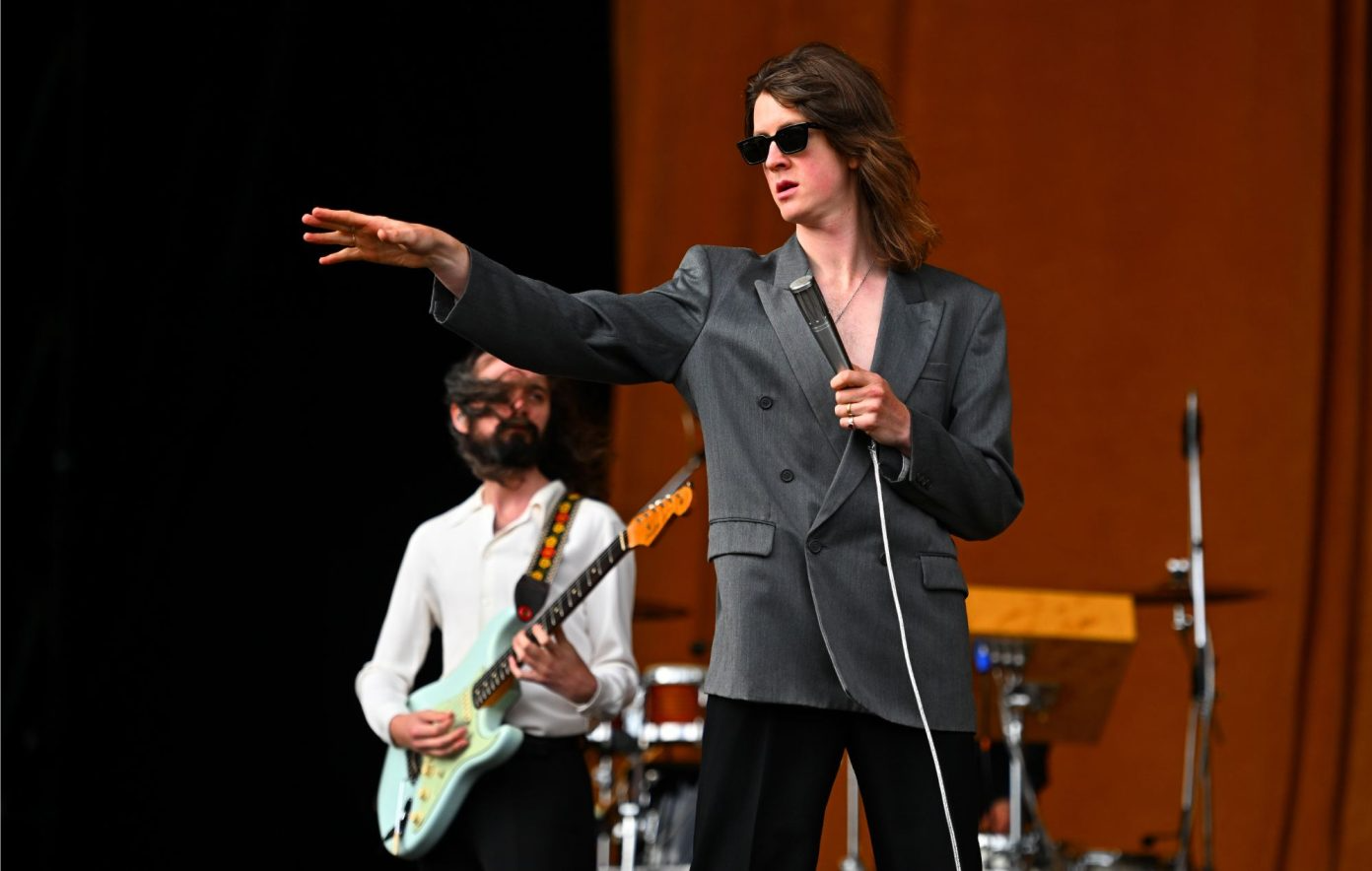
Blossoms caught up with NME to discuss competing with The Beatles and Johnny Marr for this week’s Number One album. With ‘Songs From The Wedding Cake’ in the running, the band also explained why making things themselves remains such an important part of their work as AI becomes more common.
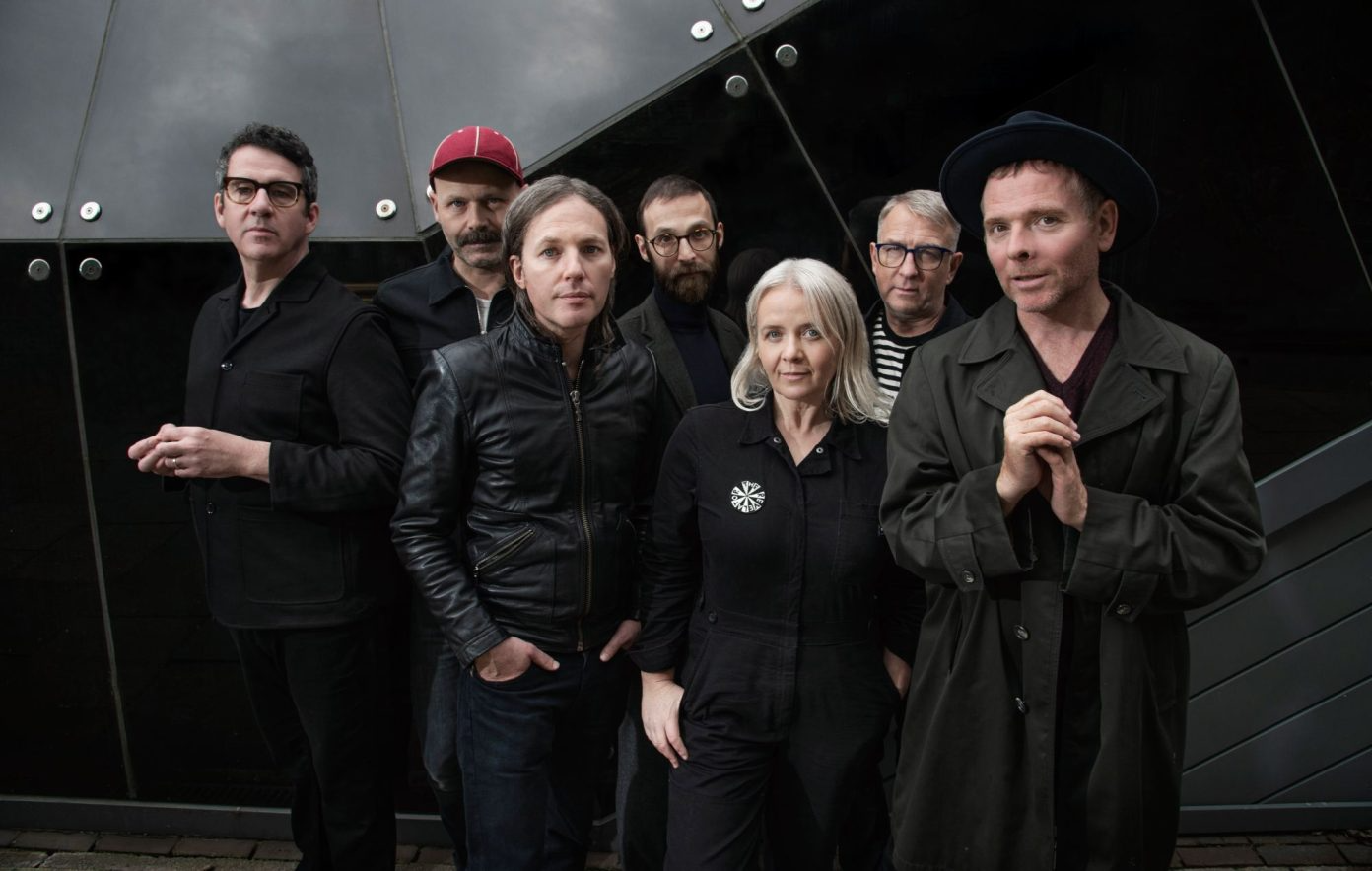
The Stockport group put out their sixth album last Friday, October 2. By the midweek update, it was sitting at Number Two, between The Beatles’ expanded edition of ‘Rubber Soul’ and Johnny Marr’s latest solo album, ‘The Age Of Everything’.
“It’s mad, to be honest,” singer Tom Ogden said to NME about the chart race. “Liverpool on one side, Manchester on the other and Stockport in the middle. If you’d told us this 10 years ago, when we were releasing our debut, I wouldn’t have believed you. But I mean, we’re in good company aren’t we?”
Discussing the stories behind the album, Ogden described ‘Songs From The Wedding Cake’ as “about being married and all the everyday stuff that comes with it”. He married Katie Donovan, the sister of Blossoms drummer Joe, in 2021. Married life has since given him a new appreciation for what he describes as “the extraordinary ordinary”.
“Saying the wrong thing in an argument, losing your wife’s no claims bonus, crying at the Kardashians, it’s all in there,” he explained. “The album is named after Stockport Town Hall, which everyone round where we live calls the Wedding Cake, and it’s where I got married, so it couldn’t be much closer to home.
“The last album [‘Gary’, 2024] had a song about a stolen fibreglass gorilla, which everyone loved, and that gave us the confidence to bring the same playfulness to this one, just with more personal subject matter this time.”
Alongside tracks that came out of writing sessions with Declan McKenna in a hot tub, the album reflects the band’s desire to stay involved in every part of the creative process.
“It started with the recording,” Ogden explained. “We made the album with Shawn Lee, playing live straight to tape, and once you’ve done it that way you can’t really go and fake everything else. We sat down as a band and picked the colour palette, and everything visual followed from that. We had body scans taken of ourselves and cake toppers of the five of us 3D printed, put them on a real cake and photographed it. I’ve directed and edited the videos, and the sets are all built by hand, no green screen. For the pop-up shop on launch weekend, a local artist hand-painted the album cover for the sign outside.
“It’s more work, but you end up with a world that’s yours, and I think people can tell when a band’s had its hands on everything.”
With AI tools and digital effects becoming increasingly widespread, that approach feels particularly relevant. For Blossoms, though, the motivation is simple: “the fun is in the making”.
“Tape doesn’t let you cheat and neither does a real cake,” Ogden said. “If a set’s a bit wonky, it’s because one of us or our mates built it. I think the more stuff gets generated, the more people want to know a human being actually did it. We’ve been in this band together for over 10 years, five lads from Stockport, and that isn’t something you can ‘prompt’.”
Maya Jama also appeared in the video for the album’s first single, ‘Meet Me In Love’. Her appearance came shortly before the UK launch of Celebrity Traitors, where she took on the role of a traitor alongside a cast that included Richard E Grant and James Acaster.
“She was brilliant,” Ogden recalled of working with Jama. “We’d met her at the MTV EMAs in Manchester a couple of years ago, so we took a chance and sent her a DM …and she said yes. Next thing she’s in a theatre in Cheadle miming my vocals while a load of people dressed as me serenade her. She got the idea straight away and was a proper laugh about it.”
The conversation then turned to whether he thought Jama could take home the win on Celebrity Traitors.
Ogden joked: “As for Traitors, she spent a whole day pretending to sing my song and I almost believed her, so I’d say she’s got every chance.”
Fans can listen to ‘Songs From The Wedding Cake’ now. In November, Blossoms head out on a UK arena tour with The Royston Club. Tickets and further details are available here.
Before the tour begins, the group is also scheduled to appear on SNL UK on Saturday, October 24.