ON THE RISE

Ollie Byrd, a musician blending 1980’s new wave sounds with Hard Rock, shows how his musical output mirrors the different stages of his life through genres that mix, match, and mold with one another. His latest single, “the sun will bring the day again,” serves as a time capsule as one of his first written works, finally making its way to release.
From Ollie’s earliest memories of hearing music on the radio or the spin of his mom’s records, he recalls the dopamine rush that music gave him, a feeling he still experiences to this day. He shares that watching his heroes perform was profoundly inspiring, and with such resonance, he eventually felt compelled to do it for himself.
He recalls first riffing alongside recorded works, jamming with a friend who had a drumset in the 9th grade, to forming high school and college bands inspired by the 90’s grunge era. His first recordings were through cassette tape decks from stereos with a dinky microphone, that captured that raw and unpolished experimental stage. After reading an iconic Guitar Magazine article in which Led Zeppelin’s Jimmy Page shared insights into his creative techniques, innovative recording methods, and unique riffs, Ollie became further inspired to produce, write, and hone all the skills needed to make music on his own.
With the introduction of the Digital Audio Workstation (DAW) to mainstream users, Ollie recalls this laid the framework to make his first record. Influenced by Missing Persons, Blondie, and U2 (especially The Joshua Tree era), as well as Pink Floyd and The Police, Ollie’s music fuses the boldness of macho hard rock, bands like Mötley Crüe and Def Leppard, and the new wave, hypnotic sounds of The Cure and Joy Division for a unique and unusual sonic combination.
As his music has morphed over the years, Ollie gained an underground following with his album “Barrel of Fun.” He shared how much he enjoyed building out each track with hard rock guitars and simplistic new wave baselines that allowed him to be precise and intentional in shaping the overall tone, which has often been referred to as lo-fi emo.
When asked about the tone of his upcoming single, “the sun will bring the day again,” Ollie mentions that not only was it the first song he ever wrote, but he wanted to preserve its simplicity and bring that timeless style full circle. The track, a bittersweet reflection on love lost, tells the story of a girl he was once in love with and the devastation when the years they spent together ended. In the lyrics, “I know that you won’t be back this way again,” the song served as a pathway to coming to terms with the loss and being able to move on. To put it simply, Ollie jokes, “Boy meets girl, boy loses girl, boy cries.” He shared that it took a while for him to actually record the track, as he didn’t have much of a vision beyond wanting to stay true to its rawness. He detuned the electric guitar for an extra-low sound to preserve the authentic feel of where and how it was originally created. (In his bedroom, alone).
As he’s evolved through his music styles, creative outputs, and mental states over the years, he wanted to revisit the mellow, minimalistic feeling. Ollie also sees this music as a potential bridge beyond an angsty, grungy musical past and corresponding fan base, into a new lighter time of life, music, and listeners. Ollie reflects on a unique element from the original version of the song: a high-up fingerpicking technique, inspired by Van Halen’s “Little Guitars.” This staccato right-hand plucking style was unusual for his artistry at the time but gave the song a distinct character.
When asked if there were any recent revisions, he explained that one of his favorite parts of resurfacing the track was recording new guitars inspired by Brian Eno’s Here Come the Warm Jets. He describes overdriving the board, burning up the gain, and creating a distortion-heavy hum that added extra texture to the acoustic song, much like Eno’s experimental and ambient elements over traditional rock instrumentation. Lastly, Ollie added powerful drums to the track, noting, "You don’t usually hear that—acoustic, hard electric, and drums all together."
Parallel to how Ollie bridges contrasting musical elements from different genres and ends of the spectrum, he shares a parting sentiment with fans and readers: "Seek to overcome division. Despite the polarizing narratives that are all around us, seek to find connections over division. Keep looking for the patience to meet your fellow humans, and love your neighbors.”
Listen to “the sun will bring the day again” here.
Follow Ollie Byrd on social media for updates on new music coming out this year!
ON THE RISE
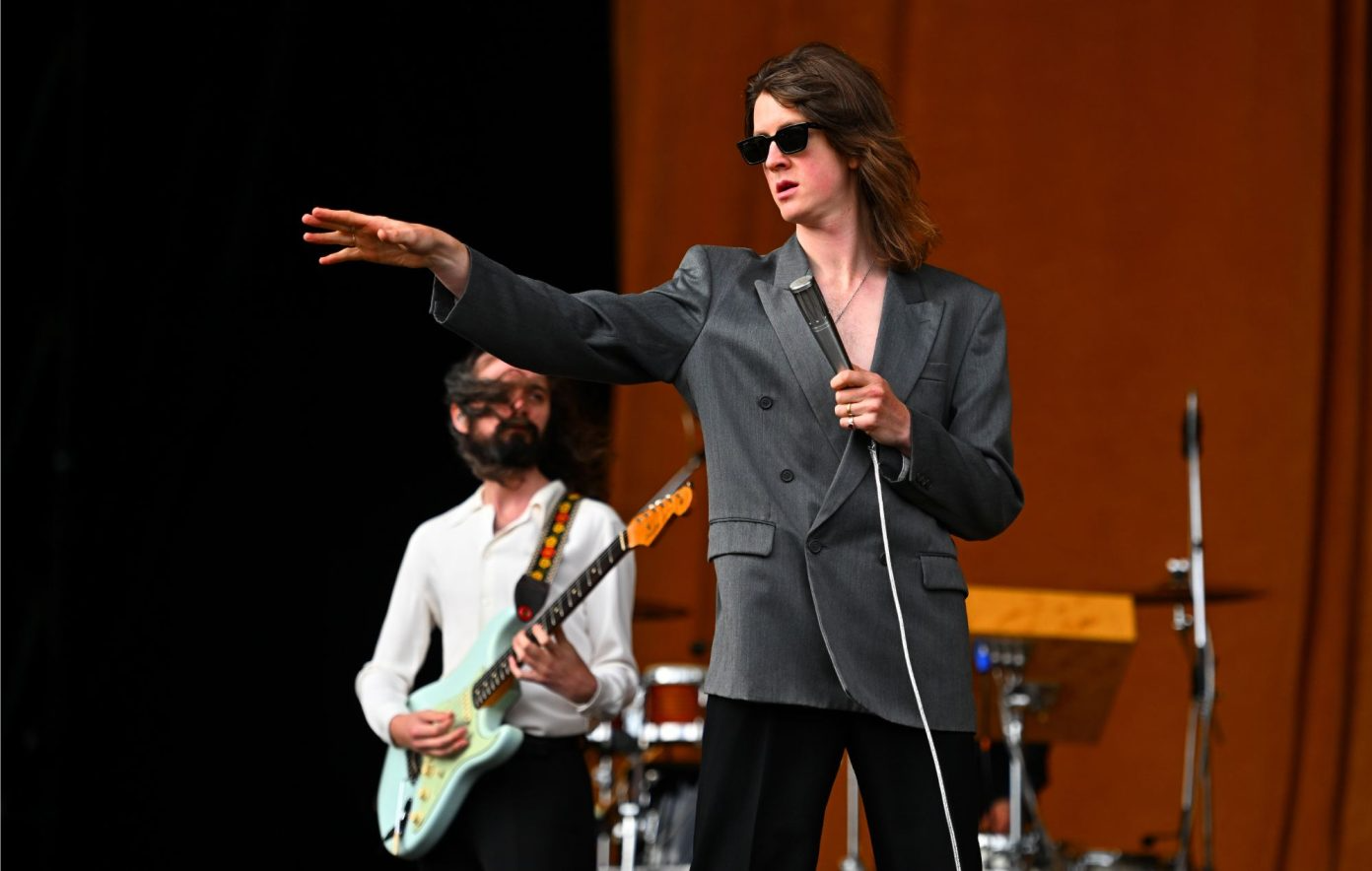
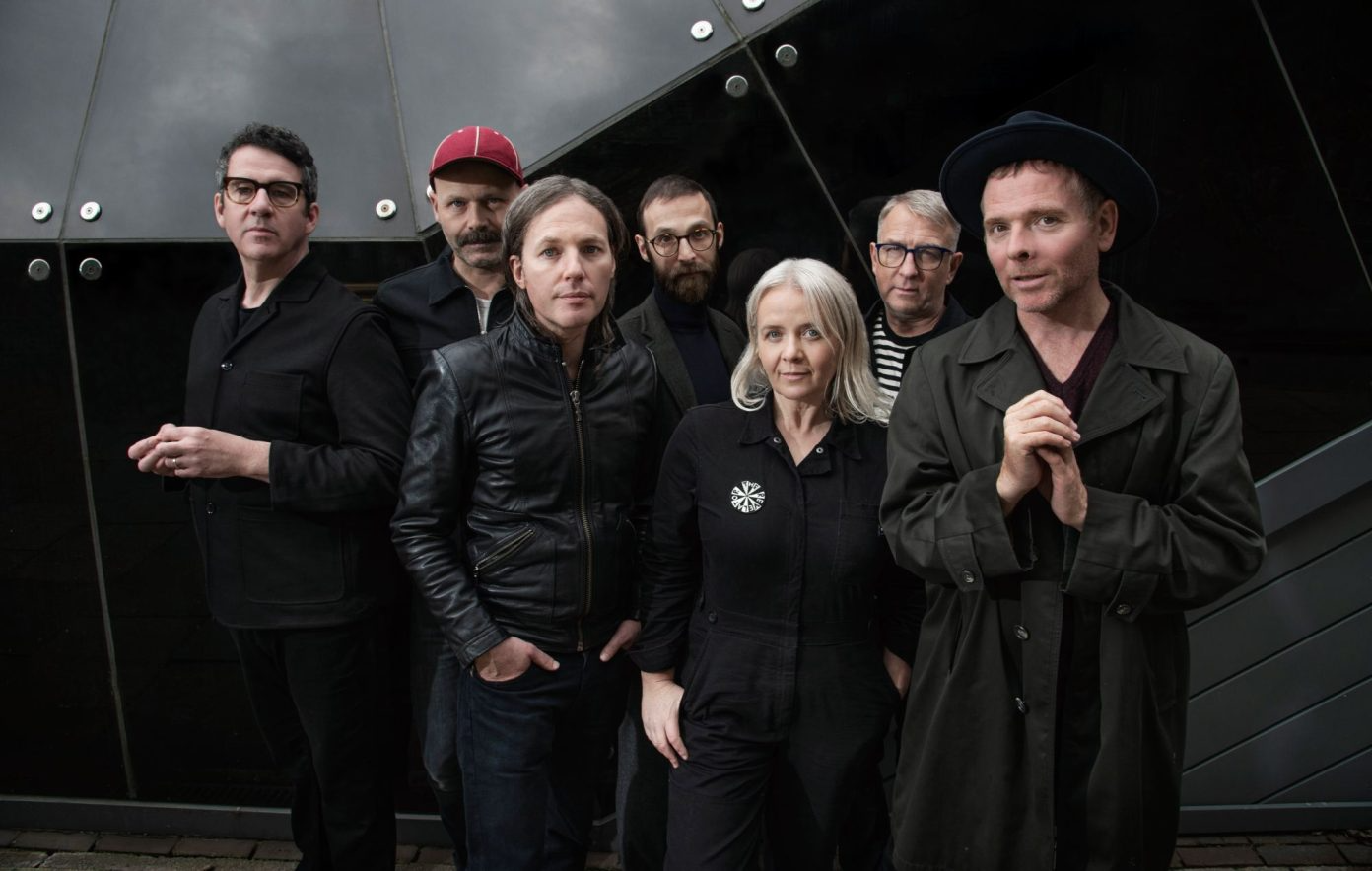
Blossoms caught up with NME to discuss competing with The Beatles and Johnny Marr for this week’s Number One album. With ‘Songs From The Wedding Cake’ in the running, the band also explained why making things themselves remains such an important part of their work as AI becomes more common.
The Stockport group put out their sixth album last Friday, October 2. By the midweek update, it was sitting at Number Two, between The Beatles’ expanded edition of ‘Rubber Soul’ and Johnny Marr’s latest solo album, ‘The Age Of Everything’.
“It’s mad, to be honest,” singer Tom Ogden said to NME about the chart race. “Liverpool on one side, Manchester on the other and Stockport in the middle. If you’d told us this 10 years ago, when we were releasing our debut, I wouldn’t have believed you. But I mean, we’re in good company aren’t we?”
Discussing the stories behind the album, Ogden described ‘Songs From The Wedding Cake’ as “about being married and all the everyday stuff that comes with it”. He married Katie Donovan, the sister of Blossoms drummer Joe, in 2021. Married life has since given him a new appreciation for what he describes as “the extraordinary ordinary”.
“Saying the wrong thing in an argument, losing your wife’s no claims bonus, crying at the Kardashians, it’s all in there,” he explained. “The album is named after Stockport Town Hall, which everyone round where we live calls the Wedding Cake, and it’s where I got married, so it couldn’t be much closer to home.
“The last album [‘Gary’, 2024] had a song about a stolen fibreglass gorilla, which everyone loved, and that gave us the confidence to bring the same playfulness to this one, just with more personal subject matter this time.”
Alongside tracks that came out of writing sessions with Declan McKenna in a hot tub, the album reflects the band’s desire to stay involved in every part of the creative process.
“It started with the recording,” Ogden explained. “We made the album with Shawn Lee, playing live straight to tape, and once you’ve done it that way you can’t really go and fake everything else. We sat down as a band and picked the colour palette, and everything visual followed from that. We had body scans taken of ourselves and cake toppers of the five of us 3D printed, put them on a real cake and photographed it. I’ve directed and edited the videos, and the sets are all built by hand, no green screen. For the pop-up shop on launch weekend, a local artist hand-painted the album cover for the sign outside.
“It’s more work, but you end up with a world that’s yours, and I think people can tell when a band’s had its hands on everything.”
With AI tools and digital effects becoming increasingly widespread, that approach feels particularly relevant. For Blossoms, though, the motivation is simple: “the fun is in the making”.
“Tape doesn’t let you cheat and neither does a real cake,” Ogden said. “If a set’s a bit wonky, it’s because one of us or our mates built it. I think the more stuff gets generated, the more people want to know a human being actually did it. We’ve been in this band together for over 10 years, five lads from Stockport, and that isn’t something you can ‘prompt’.”
Maya Jama also appeared in the video for the album’s first single, ‘Meet Me In Love’. Her appearance came shortly before the UK launch of Celebrity Traitors, where she took on the role of a traitor alongside a cast that included Richard E Grant and James Acaster.
“She was brilliant,” Ogden recalled of working with Jama. “We’d met her at the MTV EMAs in Manchester a couple of years ago, so we took a chance and sent her a DM …and she said yes. Next thing she’s in a theatre in Cheadle miming my vocals while a load of people dressed as me serenade her. She got the idea straight away and was a proper laugh about it.”
The conversation then turned to whether he thought Jama could take home the win on Celebrity Traitors.
Ogden joked: “As for Traitors, she spent a whole day pretending to sing my song and I almost believed her, so I’d say she’s got every chance.”
Fans can listen to ‘Songs From The Wedding Cake’ now. In November, Blossoms head out on a UK arena tour with The Royston Club. Tickets and further details are available here.
Before the tour begins, the group is also scheduled to appear on SNL UK on Saturday, October 24.