ON THE RISE
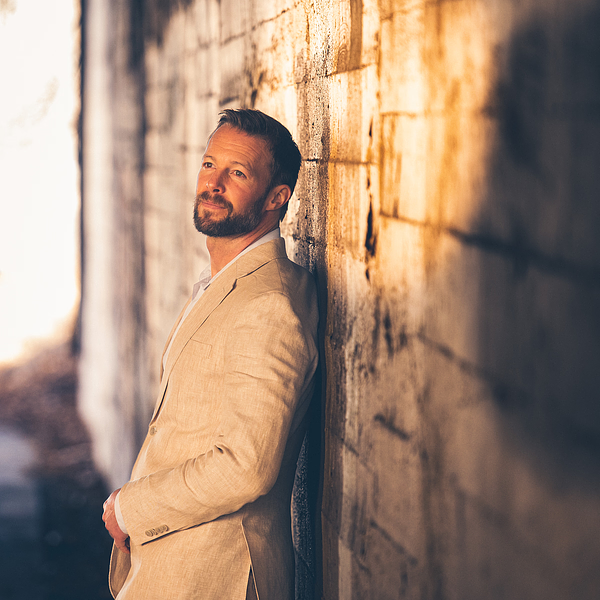
Some people will pursue spiritual enlightenment without ever being able to achieve it, much like a drug and trying to reach an unattainable high. This is the theme of the brand new single called “Chasing Dragons,” off of Wesley Adams Cook’s second EP titled Chasing Dragons.
“The song is about chasing spiritual experiences, but not integrating them,” says Cook, who is a singer, songwriter, guitarist and composer from Colorado.
Cook is a writer at heart and derives his inspiration from all kinds of avenues. In the case of “Chasing Dragons,” he was reading a book about the American bombers in World War II called “The Wild Blue.”
“I had the idea from that book for a lot of the imagery of these flying B24s, and the thought of chasing something you can never quite get to,” Cook explains.
The song has an intense vibe from the start, with a slow and steady drum beat along with a smooth, almost ominous, tone. Cook’s vocals then drop in, using vivid imagery of military history to accompany his theme. The track is catchy and thought-provoking, while using tempo changes and a solid chorus to help set the mood. Cook also finds the beat playful, adding a dynamic layer that contrasts with the darker tones and gives the song an unexpected energy.
“You’re in my headlights
But just too fast for me
Oh your golden
Treasure stolen
Got me smoking
Jet fuel when I’m lagging
Just trying to catch a dragon
I can’t reach.”
Cook’s musical journey has been a “natural unfolding,” and he has always had a knack for writing. He grew up listening to all kinds of music, ranging from oldies, to rock and R&B, to classical music and musicals. Cook is heavily inspired by his musical roots, citing artists like Sting, Elton John, Muse and The Doors as driving forces.
Cook reminisces about his first EP, titled Caught In The Middle, which he notes is a little more traditional than his most recent work. He recalls spending about 10 months car camping in Sedona, Arizona, and one morning he woke up and his intuitive nature kicked in. He knew he needed to start releasing music of his own.
Cook contacted producer Kael Alden, who pointed him toward a studio to record near Fort Collins, as well as another producer for the debut EP.
When it came to recording Chasing Dragons, brand new inspirations suddenly came over Cook about the direction he wanted to take. Cook had Alden take the lead on producing the six track EP, and he is very pleased with the finished product
“It was so different from how I made the first one,” Cook explains. “With my first EP, going in I was just like, here’s my guitar and vocals, we’ll get a drummer, and some bass. With this one, I just started to have ideas with other different styles of music. It was different than what I was expecting, but something about it feels good to me.”
Cook says his creative process can be all over the map, and it is all speculation about where his ideas may come from.
“Is it from a kind of force or energy?” Cook says. “Sometimes it is almost like a collaborative dance where I get little bread crumbs that are like, ‘here’s an idea.’ I just kind of play with it, and you never know where it could go. I like to learn a lot and I find that helps open the doors to a lot.”
It is tough to narrow down a specific genre or style for Cook’s music, but one aspect that is ever-present is his ability to utilize metaphors and imagery in his material.
“I write songs, and it’s always been something I have an affinity for,” Cook says. “I kept doing it and life kept opening up doors for me to continue to pursue it. I had people who just encouraged me along the way.”
He adds, “I found my niche of writing songs way back in elementary school, but I got more into it in high school when I learned to play the guitar. It allowed me to formulate musical composition with my writing.”
There was a time when Cook simply wanted to be a lyricist and a singer, but when he searched for musicians to join him, they didn’t play anything that even resembled what he wants to play. Everything changed after a trip to Europe where he heard the band Muse for the first time, and he had a wave of inspiration.
“I had a very sincere prayer, took a trip to Spain, and went on a trip to England with my cousin where I heard Muse,” Cook explains. “That definitely inspired me to get back into guitar, and allowed me to then create songs and formulate them the way I liked.”
Cook has more than 80 songs that are just waiting to be recorded. He is a writing machine, and is always working on something new.
“I wrote a new song just last week, and this past month probably three more,” Cook says. “That creative valve just doesn’t stop, especially if you’re using it.”
Be sure to keep up with all that is going on in Cook’s musical world, including his new EP Chasing Dragons, available on all platforms on December 6th.
ON THE RISE
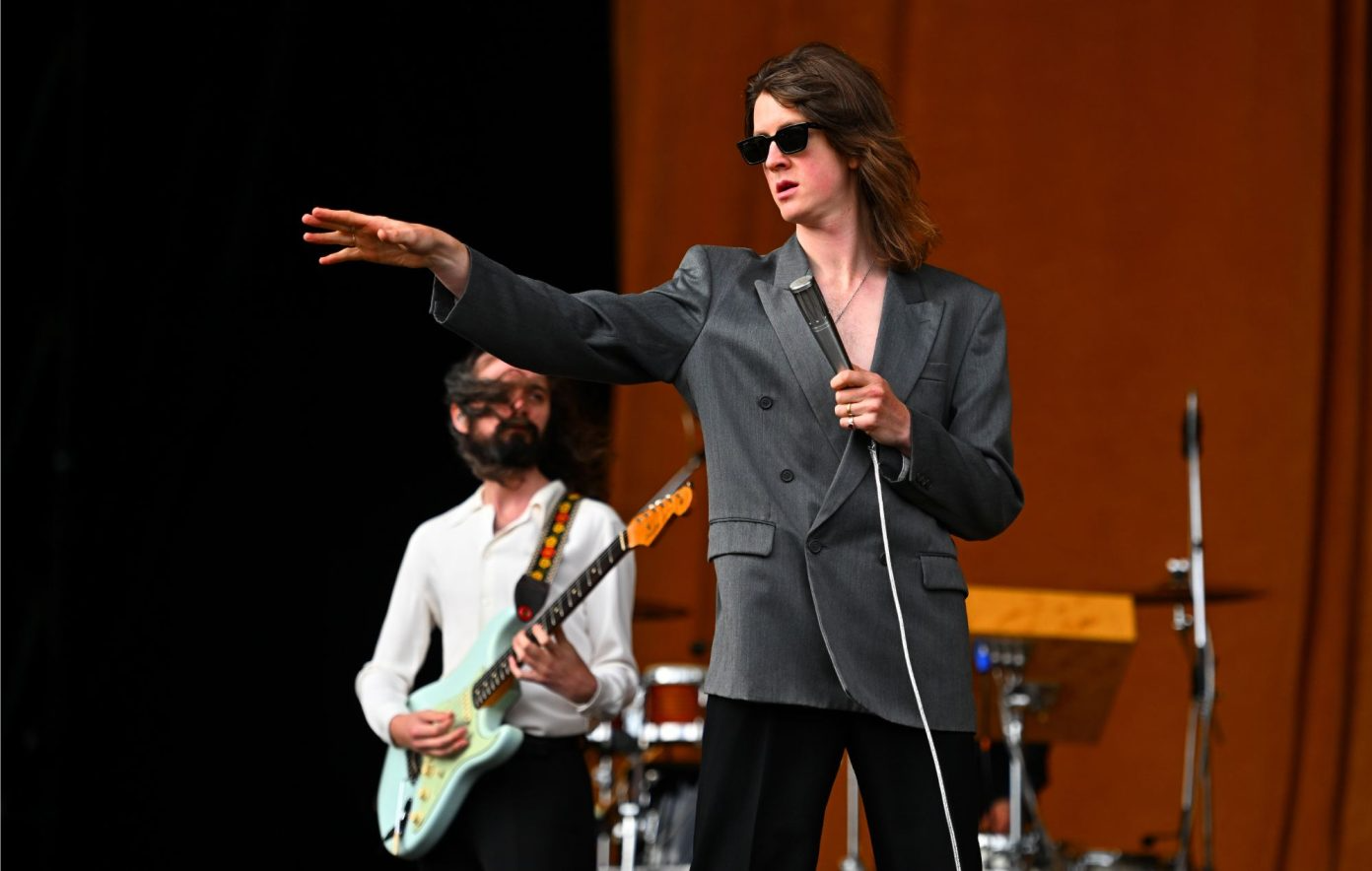
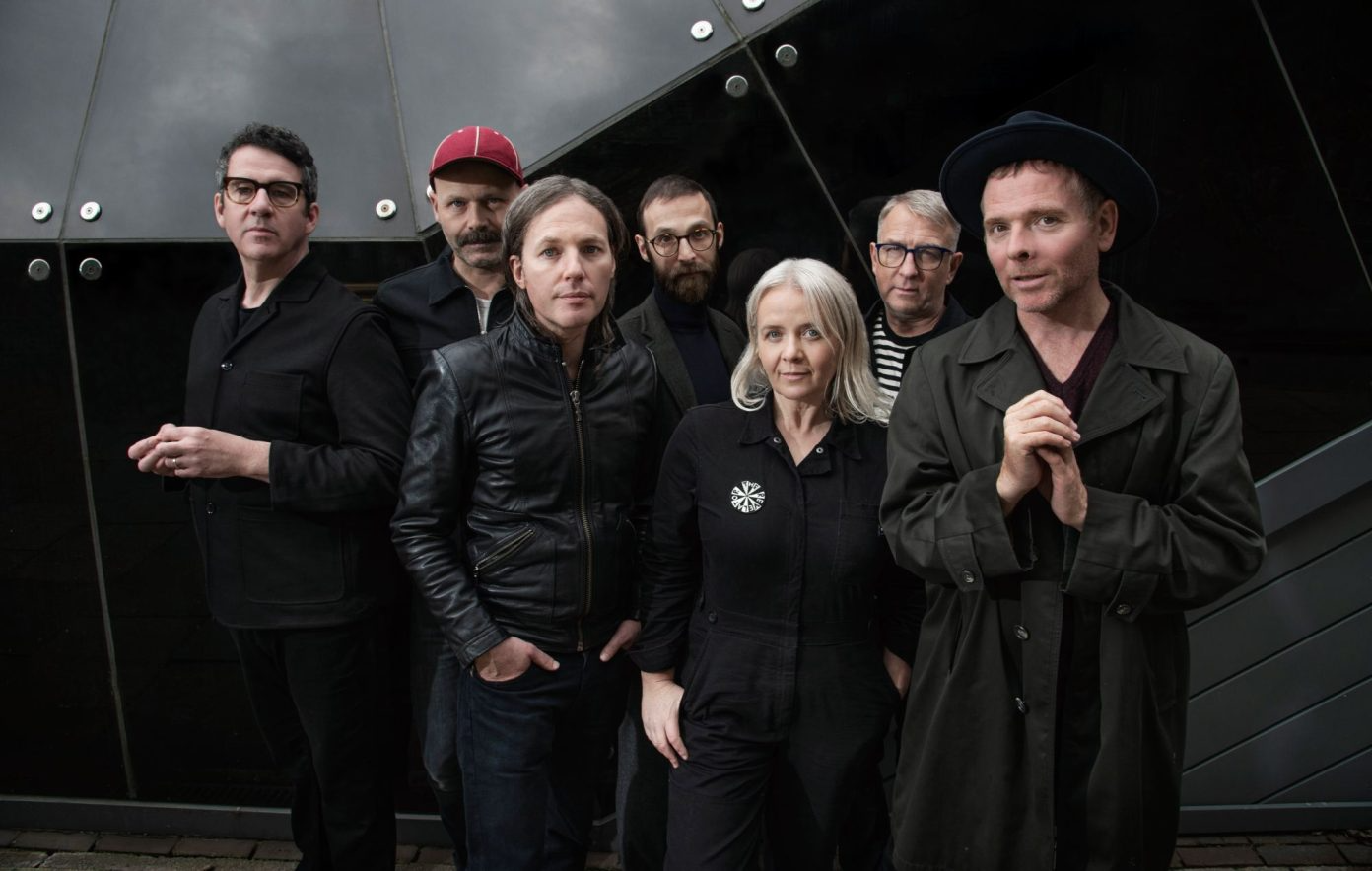
Blossoms caught up with NME to discuss competing with The Beatles and Johnny Marr for this week’s Number One album. With ‘Songs From The Wedding Cake’ in the running, the band also explained why making things themselves remains such an important part of their work as AI becomes more common.
The Stockport group put out their sixth album last Friday, October 2. By the midweek update, it was sitting at Number Two, between The Beatles’ expanded edition of ‘Rubber Soul’ and Johnny Marr’s latest solo album, ‘The Age Of Everything’.
“It’s mad, to be honest,” singer Tom Ogden said to NME about the chart race. “Liverpool on one side, Manchester on the other and Stockport in the middle. If you’d told us this 10 years ago, when we were releasing our debut, I wouldn’t have believed you. But I mean, we’re in good company aren’t we?”
Discussing the stories behind the album, Ogden described ‘Songs From The Wedding Cake’ as “about being married and all the everyday stuff that comes with it”. He married Katie Donovan, the sister of Blossoms drummer Joe, in 2021. Married life has since given him a new appreciation for what he describes as “the extraordinary ordinary”.
“Saying the wrong thing in an argument, losing your wife’s no claims bonus, crying at the Kardashians, it’s all in there,” he explained. “The album is named after Stockport Town Hall, which everyone round where we live calls the Wedding Cake, and it’s where I got married, so it couldn’t be much closer to home.
“The last album [‘Gary’, 2024] had a song about a stolen fibreglass gorilla, which everyone loved, and that gave us the confidence to bring the same playfulness to this one, just with more personal subject matter this time.”
Alongside tracks that came out of writing sessions with Declan McKenna in a hot tub, the album reflects the band’s desire to stay involved in every part of the creative process.
“It started with the recording,” Ogden explained. “We made the album with Shawn Lee, playing live straight to tape, and once you’ve done it that way you can’t really go and fake everything else. We sat down as a band and picked the colour palette, and everything visual followed from that. We had body scans taken of ourselves and cake toppers of the five of us 3D printed, put them on a real cake and photographed it. I’ve directed and edited the videos, and the sets are all built by hand, no green screen. For the pop-up shop on launch weekend, a local artist hand-painted the album cover for the sign outside.
“It’s more work, but you end up with a world that’s yours, and I think people can tell when a band’s had its hands on everything.”
With AI tools and digital effects becoming increasingly widespread, that approach feels particularly relevant. For Blossoms, though, the motivation is simple: “the fun is in the making”.
“Tape doesn’t let you cheat and neither does a real cake,” Ogden said. “If a set’s a bit wonky, it’s because one of us or our mates built it. I think the more stuff gets generated, the more people want to know a human being actually did it. We’ve been in this band together for over 10 years, five lads from Stockport, and that isn’t something you can ‘prompt’.”
Maya Jama also appeared in the video for the album’s first single, ‘Meet Me In Love’. Her appearance came shortly before the UK launch of Celebrity Traitors, where she took on the role of a traitor alongside a cast that included Richard E Grant and James Acaster.
“She was brilliant,” Ogden recalled of working with Jama. “We’d met her at the MTV EMAs in Manchester a couple of years ago, so we took a chance and sent her a DM …and she said yes. Next thing she’s in a theatre in Cheadle miming my vocals while a load of people dressed as me serenade her. She got the idea straight away and was a proper laugh about it.”
The conversation then turned to whether he thought Jama could take home the win on Celebrity Traitors.
Ogden joked: “As for Traitors, she spent a whole day pretending to sing my song and I almost believed her, so I’d say she’s got every chance.”
Fans can listen to ‘Songs From The Wedding Cake’ now. In November, Blossoms head out on a UK arena tour with The Royston Club. Tickets and further details are available here.
Before the tour begins, the group is also scheduled to appear on SNL UK on Saturday, October 24.