ON THE RISE

In 2013, Avenged Sevenfold were leading the new generation of metal superstars. That year’s Hail To The King album saw them sounding bigger and bolder and more determined to step up to the big leagues than ever. As they explained to Metal Hammer in this classic interview from the time, they had their eyes on the prize – and nothing was going to stand in their way.
On December 17, 2011 Avenged Sevenfold closed out 18 months of touring on their fifth album, Nightmare, with a headline show at the Citizens Business Bank Arena in Ontario, California. It was an emotional night for the band from nearby Huntingdon Beach, a homecoming show drawing the curtains on the most intense chapter in their 12-year career.
Two years previously, on December 28, 2009, the young Californians’ world had fallen apart when their drummer and lifelong friend, Jimmy ‘The Rev’ Sullivan, passed away suddenly at the age of 28, throwing their entire future into question and leaving them with a thousand unanswered questions. For a time, the idea of continuing as a band seemed unimaginable. Ultimately, M. Shadows (Matthew Sanders), Synyster Gates (Brian Haner Jr), Zacky Vengeance (Zachary Baker) and Johnny Christ (Jonathan Seward) decided to persevere, recording the nakedly emotional Nightmare in tribute to their fallen brother. It became the band’s first US No.1 album and propelled them into arenas worldwide, solidifying their bonds with one of the most hardcore fanbases in modern metal.
“Without you, we’d be four miserable dudes sitting at home,” Shadows told the 11,000 strong Ontario crowd on December 17, 2011. As cheers rang out around the arena, however, one simple question remained hanging in the air for Avenged Sevenfold: “What now?”
“In the back of my head there was the slightest feeling of ‘Is this the end?’” the singer concedes today. “I didn’t know if, in a way, it would be more appropriate if we stopped or more appropriate if we continued. But at the end of the day, these other three guys are my best friends, and we’re going to play music with each other regardless. And if the four of us were going to make music together again it was only ever going to be as Avenged Sevenfold.”
Right now, the members of Avenged Sevenfold are back home with their loved ones in Huntingdon Beach, enjoying a rare week off; surfing, family barbecues and basketball games are the most pressing demands on their upcoming schedules. This time is precious, for soon enough the machine will crank into gear for Avenged once more. Last week, M. Shadows and his bandmates were in New York, overseeing the mixes of their sixth album with Andy Wallace (the veteran studio engineer whose credits include Slayer’s Reign In Blood, Nirvana’s Nevermind and Faith No More’s Angel Dust). And by the time you read this, the quintet (now rounded out by 25-year-old Californian drummer Arin Ilejay) will be back on the road once more for a series of US festival dates.
The sixth Avenged Sevenfold album, Hail To The King, is due for release later this summer. Recorded in Can-Am Studios in Tarzana, California with Nightmare producer Mike Elizondo, the album is set to feature 10 tracks and showcase a new darker, more mature sound for the Orange County quintet, one drawing upon the influence of Led Zeppelin, Black Sabbath and classic metal acts of the 80s and 90s. On the evidence of the one track Hammer has heard so far – the punishing, dense, groove-laden title track – the album is set to confound expectations, for both fans and critics alike.
“With Nightmare, we travelled the world and shared our heartbreaking story about Jimmy and it was an ultimate test to what Avenged Sevenfold is,” says guitarist Zacky Vengeance. “Now is our time to step up to the next level and truly create a legacy.”

Nightmare was consciously designed as a tribute to The Rev, closing the book on the first decade of your career. Was there any point towards the end of the album cycle where you wondered if the Avenged Sevenfold adventure was over?
Zacky Vengeance: “The first show we played without The Rev was probably one of the most difficult things I’ve done in my entire life. When we walked onstage we could barely even play our instruments because we were shaking so badly. But we saw our fans and they were so supportive and in that moment we knew that we had an entirely new life for Avenged Sevenfold. We knew then that we had served a greater purpose, and that our time definitely hadn’t run out.”
Synyster Gates: “The last record is hard for any of us to listen to, friends and family included, because it speaks volumes to what we were feeling; there were no metaphors or analogies there masking that raw emotion. Now we want to make a globally gigantic record that communicates and speaks to the hard rock and metal youth of our time. And we feel we’ve achieved that.”
When did you get together to start writing again?
Johnny Christ: “In September 2012, right after my wedding [to childhood sweetheart Lacey Franklin]. It was a process that we knew was going to be a little more difficult without The Rev around, but I think the camaraderie that we always had with The Rev persevered through it. It put us in a place where we felt confident and comfortable with one another and in the studio.”
Zacky: “We were at home for several months doing nothing, trying to gain perspective on everything we’d done so far, and the whirlwind that had surrounded us after Jimmy passed. Everything happened so fast; it was so overwhelming so it was our chance to settle down and just try to be home, try to be friends, try to be real people. And also to give us the chance to reflect upon the music that we wanted to create.”
The word is that the new album is more classic rock oriented: Is Hail To The King indicative of the album at large?
Synyster: “Yeah, it’s definitely a song that we want to come out to say, ‘OK, buckle your fucking safety belts, this is what we’re doing now…’”
And what is that exactly?
Zacky: “An album that reflects everything we love about heavy metal and hard rock.”
M. Shadows: “And an album that’s probably going to appeal more to a guy who’s grown up listening to Metallica, AC/DC and Pantera than maybe our own fans right now. We feel that there was a big drop-off in metal after the 90s, and not enough kids have been brought up on the stuff that we grew up on, the true greats. I think that when our fans hear the record they’re going to say, ‘Wow, I get this, this may be better than what we’ve been listening to for the past 10 years.’ That’s our hope.”
That’s one hell of a mission statement.
Shadows: “Well, I don’t mind waving the flag. We really, truly, believe in metal – we grew up on the altar of bands like Maiden and Megadeth and Pantera and Metallica – and if bands that are younger could look up to us like that, that’d be the hugest compliment of all time. We want to headline Download. We want to play Rock In Rio. The goals aren’t to have million of dollars and sell millions of records, it’s to be the top of our game in our generation.”
Synyster: “Not to sound like a total dick, but there’s not a lot of bands that are ready to carry the torch. I honestly feel like we’re that band. When you start a band it’s totally all fun and games, and it’s all fun now, but there’s no more games. We’ve had fun, now we want to leave a mark. Now it’s ‘Let’s make history.’”
No band of your generation has yet stepped up to that mark. Why do you think there’s still a gaping gulf to the genuine superstar acts?
Synyster: “Without wishing to knock anyone, when you listen to a lot of the albums coming out, a lot of them just don’t have that classic quality. They just can’t hold a candle to songs like The Trooper or albums like The Black Album, or Led Zeppelin IV or Back In Black, albums that are filled to the brim with classic songs. To really write great songs you have to toil over your craft: you have to constantly evolve and remain a student of the craft and work very tenaciously. The amazing thing about the Metallicas and Iron Maidens is that they’re so timeless, they still resonate with the youth, and that’s fucking incredible. Those bands are still holding on to the torch, they’ve not passed it on. But I definitely feel that we’re heading their way.”
The music business is a different beast now than in the 80s, but do you have any theory why newer bands are still a step below?
Johnny: “I couldn’t tell you. There’s a lot of pieces to the puzzle and there’s no one way to get there. But you have to be real and you have to be confident in what you do. If you stay true to yourself and true to your fans and write the best music you can and really make the best live show you can, then that’s all you can do. I feel like we’ve been gearing up to take that step for that our whole lives.”
Fans get nervous about talk of change, particularly when they’ve yet to hear any of the new material…
Shadows: “I get that, because so many times you read bands talking about simplifying things when really what they’re talking about is making a sell-out record. We’re not simplifying things on this record to make a pop or radio record, not even close. We’ve taken everything to the extreme to make everything bigger and heavier.”
Zacky: “Earning respect from fans is the most difficult thing for a band and most bands never understand it. Bands can get defensive and pissed off when people called them pussies or sell-outs. When we started out we were young and wearing make-up and couldn’t understand why nobody treated us with respect; we couldn’t understand why we’d sold a million albums but when we went out to play a concert everyone stood there with their arms crossed. It took years for us to show that, hey, we’re not a made-up band trying to play metal; we grew up on this shit, we love metal and we’re in this for life. Avenged Sevenfold means more to us than our own lives.”

In the spring of 2010, just prior to the release of Nightmare, we sat down with the members of Avenged Sevenfold in a Newport Beach recording studio, to discuss a future as yet unwritten. Back then, conducting one of their first full interviews since the passing of The Rev, the band – normally so bullish and brash – were tentative, thoughtful and more than a little apprehensive as to the road ahead.
“Everything we do right now is under the microscope,” Zacky admitted nervously. “Every step we make is like walking through a minefield. Everyone is going to have an opinion based on every picture they see and every word they read.”
Three years on, it’s a very different picture. Talking to the band now, the dominant characteristic that infuses their conversation is a sense of fearlessness, a quiet determination to seize opportunities coming their way. There are still traces of the swagger and braggadocio which informed their early interviews and recordings, but overwhelmingly, there’s a sense that the lairy, cocksure teenagers who embarked upon their grand adventure back in ’99 have matured into rather decent, levelheaded young men. Shadows is now a father, his son River having turned one on July 8, and when he speaks about both the band’s new drummer Arin – “a young kid who grew up listening to Avenged Sevenfold: a great guy, very humble and one of those guys you can throw anything at and he can play it” – and indeed Avenged’s fans, he does so now with a paternalistic edge that’s touching to observe. One gets the sense that these young men are growing into their status as The Men Most Likely with a newfound sense of grace, authority and maturity.
You all grew up together. When you look back on yourselves as teenagers, what do you think has changed over the years?
Johnny: “Those teenagers are still my best friends and I still think we pretty much still act the same outside of our band. We’re still those 15-year-old kids, we’re maturing in our music but not necessarily in our minds!”
Zacky: “We can still be pretty fucking juvenile, believe me. But there’s a time for stupid shit and a time to step up.”
Is it important to you that Avenged become heroes for this generation of metal kids? Would you like to take on that mantle?
Shadows: “Well, to me, this record is going to elevate to that next level. Because we’re pulling from influences of when metal was in its heyday. To me that’s important, and it’s important maybe for our fans to go back and check out the bands who influenced us. We checked out the bands who influenced our favourite bands, so we got into UFO and Alice Cooper and AC/DC and Zeppelin because that’s who inspired our heroes. We wanted to make a record that’d stand up in the 90s but was made in 2013.”
Synyster: “Our fans are fucking diehard, and I know they’ll be with us all the way. It’s just a question if we’ve got the songs to attract a billion more of them. Everyone wants to be the biggest band in the world, and that’s what we’re investing in, but our first goal is to get our music out to the kids we’ve grown with, who’ve grown to love us.”
Zacky: “It’s always scary, because with every new album there’s people who’re going to be expecting more out of you, and you know that some of those people are going to be disappointed and some of those people now have a different new favourite band than you. You have to set all that aside and focus upon what album is in your heart. Nobody stresses about it more than us!”
Representing metal for a new generation seems like almost a personal mission for you now…
Zacky: “Oh, absolutely. We’ve always mixed styles, incorporating thrash parts and ballads and shredding and groove parts, but this time around we consolidated everything and honed everything into something that we all love. Metal is meant to be heavy and loud and it’s meant to be played live, it’s meant to be music to blow shit up to. Ultimately it’s more powerful than any other music in the world. The new album is everything that we love about heavy metal, and about why it’s so powerful to us, and what it is that made us want to devote ourselves to playing it, fighting every day against negative connotations. So fuck yes it’s personal!”
You’ve a UK tour coming in November [2013]. Hearing that you’ve sold out 60% of Wembley Arena in an hour must be gratifying after your time away?
Johnny: “Yeah, it definitely put a smile on all of our faces when we got that news. We’re really excited to come back over. To headline a room of that size is a serious and very awesome accomplishment for this band.”
Synyster: “Yeah, we’ve been on cloud nine as the ticket sales have come in. It’s like, ‘Yay, they haven’t forgotten us, fuck yeah!’”
Does it feel like some of the weight that surrounded Nightmare has been lifted now? Are Avenged Sevenfold in a brighter place right now?
Shadows: “For me, I’m going to carry that weight for the rest of my life. But I don’t think that the band needs to carry that weight forever. I think now it’s time to celebrate Jimmy’s life and vision, and it’s also time to move forward and do what we do, especially in terms of lyrics and the vibe, because I think that’s what Jimmy would want. Nightmare was a one-off thing where something terrible happened to us, and we needed to vent it, emotionally, in that weighty sort of way, but now it’s time to get back to what Avenged Sevenfold does best. We’re feeling strong and healthy and we feel it’s our time now.”
Originally published in Metal Hammer issue
ON THE RISE
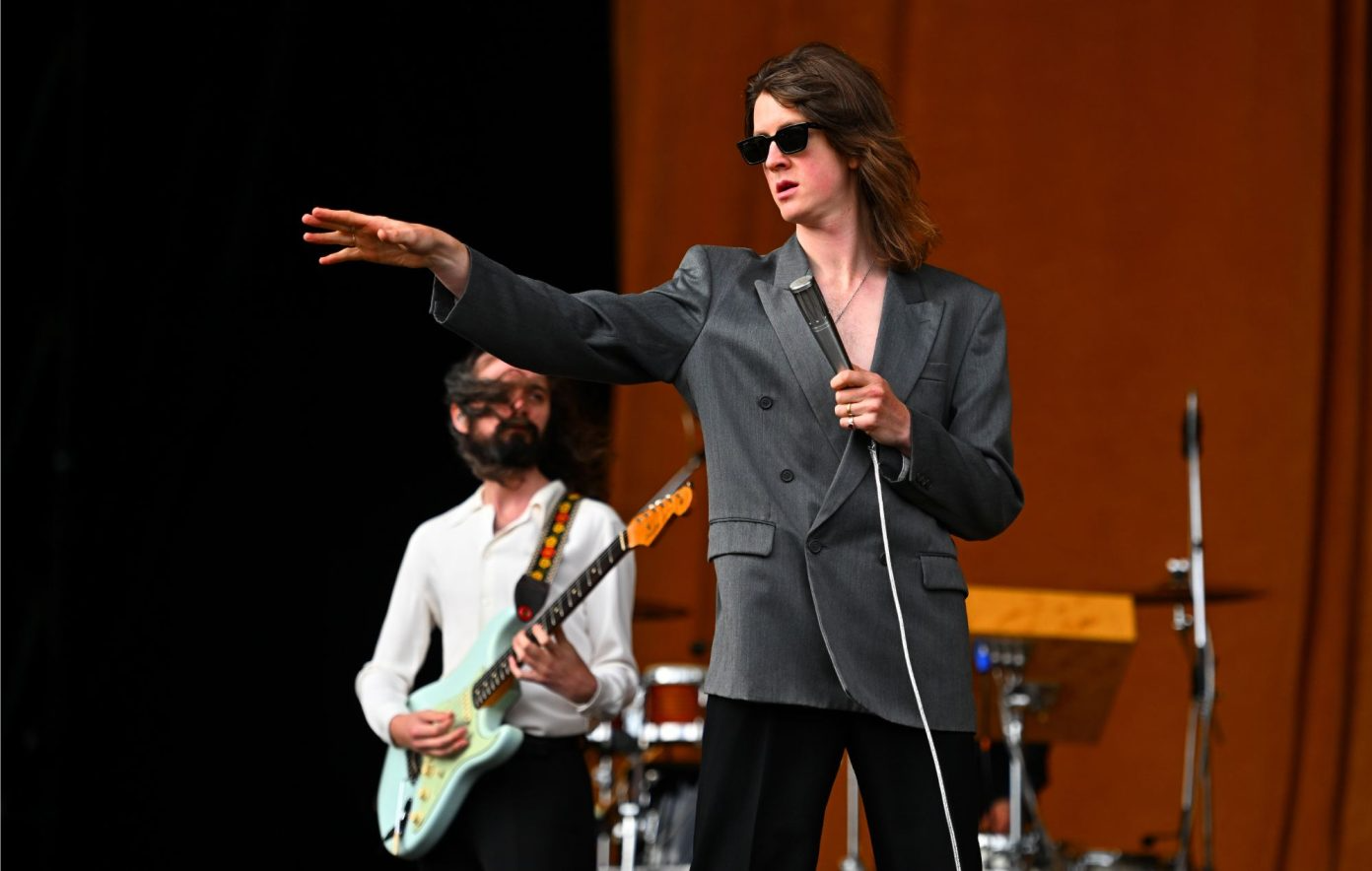
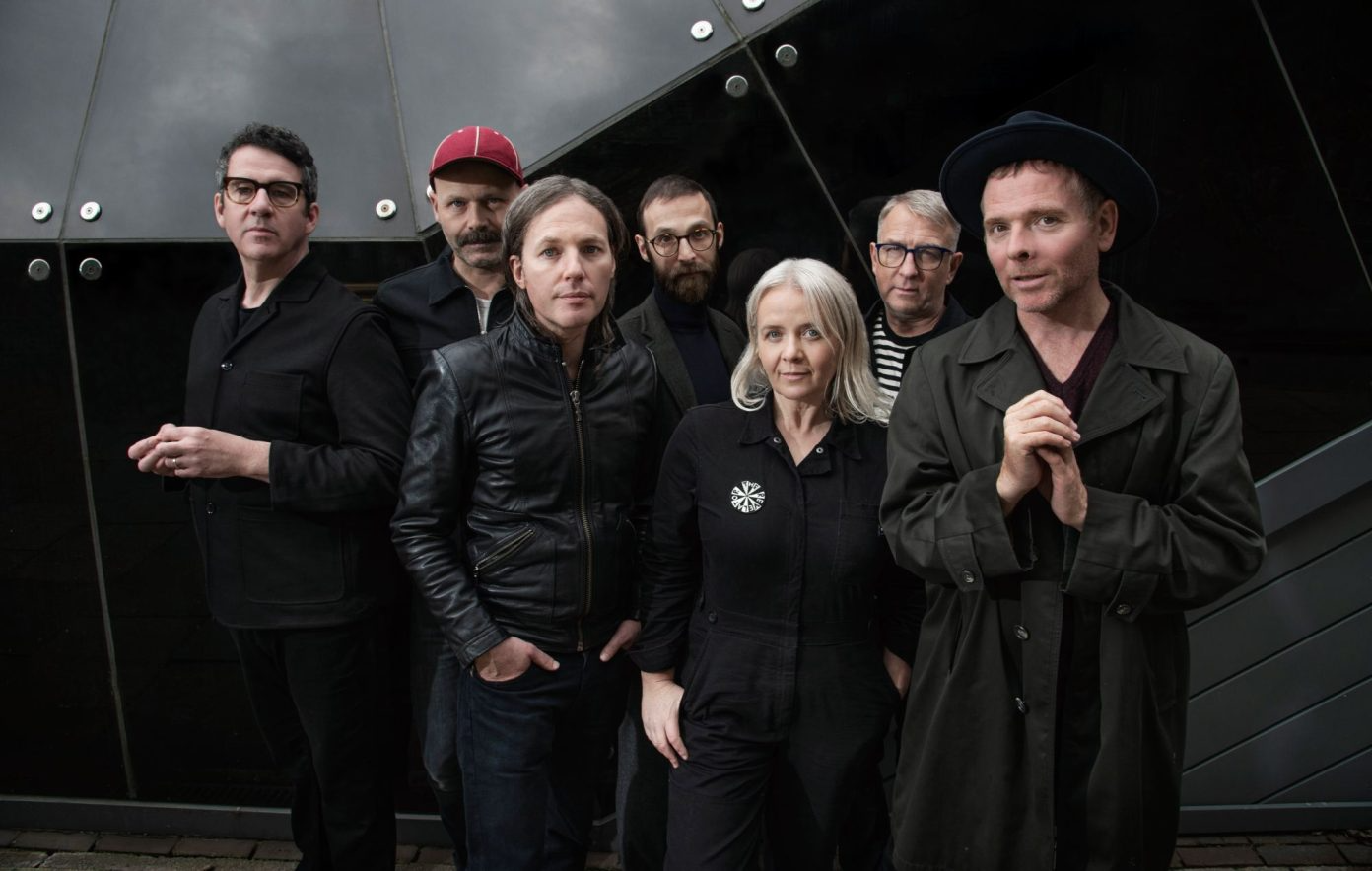
Blossoms caught up with NME to discuss competing with The Beatles and Johnny Marr for this week’s Number One album. With ‘Songs From The Wedding Cake’ in the running, the band also explained why making things themselves remains such an important part of their work as AI becomes more common.
The Stockport group put out their sixth album last Friday, October 2. By the midweek update, it was sitting at Number Two, between The Beatles’ expanded edition of ‘Rubber Soul’ and Johnny Marr’s latest solo album, ‘The Age Of Everything’.
“It’s mad, to be honest,” singer Tom Ogden said to NME about the chart race. “Liverpool on one side, Manchester on the other and Stockport in the middle. If you’d told us this 10 years ago, when we were releasing our debut, I wouldn’t have believed you. But I mean, we’re in good company aren’t we?”
Discussing the stories behind the album, Ogden described ‘Songs From The Wedding Cake’ as “about being married and all the everyday stuff that comes with it”. He married Katie Donovan, the sister of Blossoms drummer Joe, in 2021. Married life has since given him a new appreciation for what he describes as “the extraordinary ordinary”.
“Saying the wrong thing in an argument, losing your wife’s no claims bonus, crying at the Kardashians, it’s all in there,” he explained. “The album is named after Stockport Town Hall, which everyone round where we live calls the Wedding Cake, and it’s where I got married, so it couldn’t be much closer to home.
“The last album [‘Gary’, 2024] had a song about a stolen fibreglass gorilla, which everyone loved, and that gave us the confidence to bring the same playfulness to this one, just with more personal subject matter this time.”
Alongside tracks that came out of writing sessions with Declan McKenna in a hot tub, the album reflects the band’s desire to stay involved in every part of the creative process.
“It started with the recording,” Ogden explained. “We made the album with Shawn Lee, playing live straight to tape, and once you’ve done it that way you can’t really go and fake everything else. We sat down as a band and picked the colour palette, and everything visual followed from that. We had body scans taken of ourselves and cake toppers of the five of us 3D printed, put them on a real cake and photographed it. I’ve directed and edited the videos, and the sets are all built by hand, no green screen. For the pop-up shop on launch weekend, a local artist hand-painted the album cover for the sign outside.
“It’s more work, but you end up with a world that’s yours, and I think people can tell when a band’s had its hands on everything.”
With AI tools and digital effects becoming increasingly widespread, that approach feels particularly relevant. For Blossoms, though, the motivation is simple: “the fun is in the making”.
“Tape doesn’t let you cheat and neither does a real cake,” Ogden said. “If a set’s a bit wonky, it’s because one of us or our mates built it. I think the more stuff gets generated, the more people want to know a human being actually did it. We’ve been in this band together for over 10 years, five lads from Stockport, and that isn’t something you can ‘prompt’.”
Maya Jama also appeared in the video for the album’s first single, ‘Meet Me In Love’. Her appearance came shortly before the UK launch of Celebrity Traitors, where she took on the role of a traitor alongside a cast that included Richard E Grant and James Acaster.
“She was brilliant,” Ogden recalled of working with Jama. “We’d met her at the MTV EMAs in Manchester a couple of years ago, so we took a chance and sent her a DM …and she said yes. Next thing she’s in a theatre in Cheadle miming my vocals while a load of people dressed as me serenade her. She got the idea straight away and was a proper laugh about it.”
The conversation then turned to whether he thought Jama could take home the win on Celebrity Traitors.
Ogden joked: “As for Traitors, she spent a whole day pretending to sing my song and I almost believed her, so I’d say she’s got every chance.”
Fans can listen to ‘Songs From The Wedding Cake’ now. In November, Blossoms head out on a UK arena tour with The Royston Club. Tickets and further details are available here.
Before the tour begins, the group is also scheduled to appear on SNL UK on Saturday, October 24.