ON THE RISE

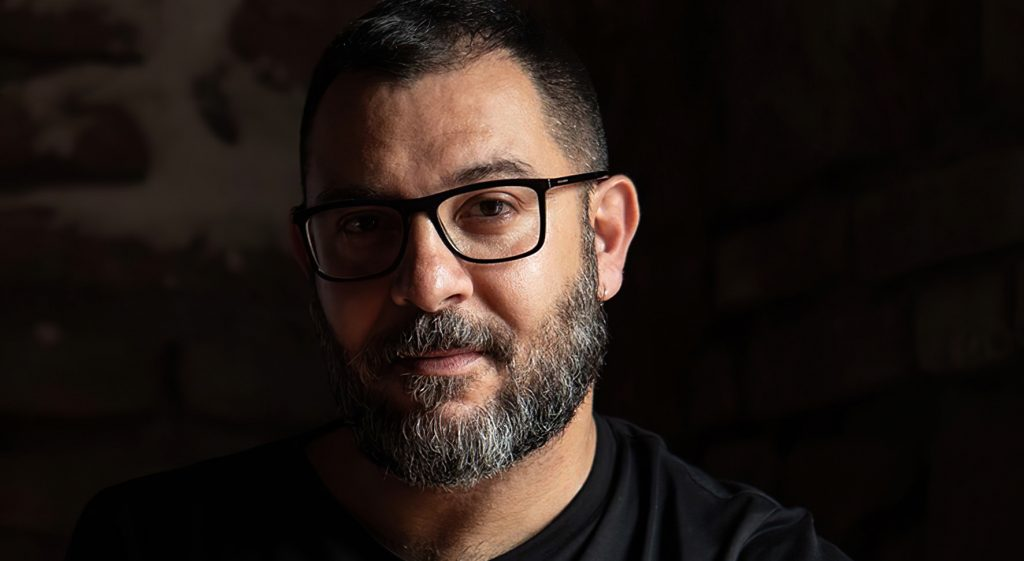
NEW JERSEY –Tamas Bulla’s fresh new sound in the world between Pop and Rap has captured the attention of thousands of listeners across digital media platforms – and he’s only 15 years old.
Patience is a virtue for this young artist as he dreams of his future in the music industry because he’s putting in the work and showcasing pure talent one single after another. Tamas writes all of his own songs, but his latest, “TikTok,” was co-written with his manager Tyler Hill – a YouTube cameraman who saw this young man’s full potential.
“It was out of luck I met Tyler,” Tamas said. “It’s rare to have a manager or team member that you have a genuine friendship with – so that’s cool. It’s like working with my best friend. Tyler messaged me when I tried to connect to YouTuber Jack Doherty. Tyler ended up coming over and helped me shoot my first music video, and right now it’s my most popular song on Spotify. ‘Roll with Me’ has 17K hits.”
That’s more than the 13K hits Tamas’s first-ever single “Out of Time” received in 2020. [A song he wrote as a fifth grader.] But since that time, Tamas has shown remarkable growth and endurance in producing new music on a routine basis. With that charming smile, Tamas said it’s what he was born to do.
“Ever since I was a little, little kid, I was obsessed with music,” he said. “I had this toy guitar, I was always drumming on mom’s pots and pans and I’d run around the house screaming … that was my singing. My parents bought me an acoustic guitar for my fifth birthday and I picked that up really fast – I think they knew this was it for me. I’m grateful for them.”
On top of layers and layers of love and support, Tamas also has an edge in music when it comes to world perspective. Both of his parents are Hungarian-Americans and always make the trip to their homeland to be with family for the summer. While there, Tamas attends a music camp that always shines as the highlight of his summer.
“I’ve been going to this camp since I was 7,” Tamas said. “It’s a camp I absolutely love going to – I love my friends there. We sharpen skills, make connections, enjoy music and get inspired … And the food is SO much better in Hungary.”
This year Tamas is looking forward to sharing his published music with his friends, noting that his favorite songs and best work is yet to come. He admits that he is his own worst critic.
“I don’t know what it is, but, as soon as a song comes out – I hate it,” he said with a laugh. “I just feel like my sound will keep evolving because I get better with each one. The past couple of years have taught me how to work from home and how to keep my focus on music. I know what I’m doing could be way bigger. I’m just limited right now because of my age but I know things will take off when I can dedicate all my time to it.
“When people hear my music, they’re to just enjoy it – vibe to it,” Tamas continued. “I hope people connect to it. I’m very happy and grateful for where I am at the moment. My family and friends are supportive, and at this age, I know not a lot of kids get to do what I do.”
Watch as this artist keeps pumping out more singles on digital music platforms and keep an eye on YouTube for more music videos. Make sure to stay connected to Tamas Bulla on all platforms for new music, videos, and social posts.
ON THE RISE
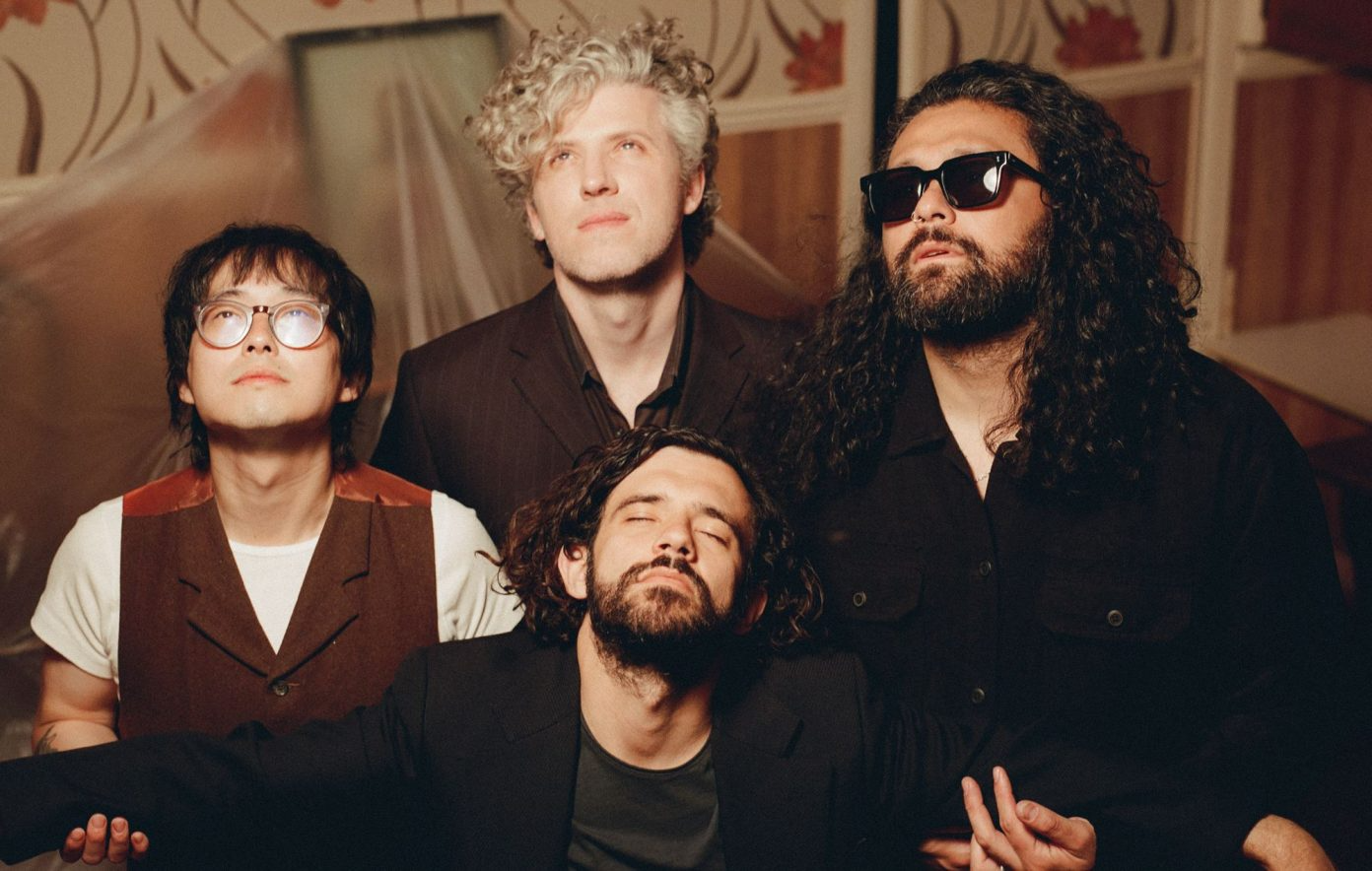
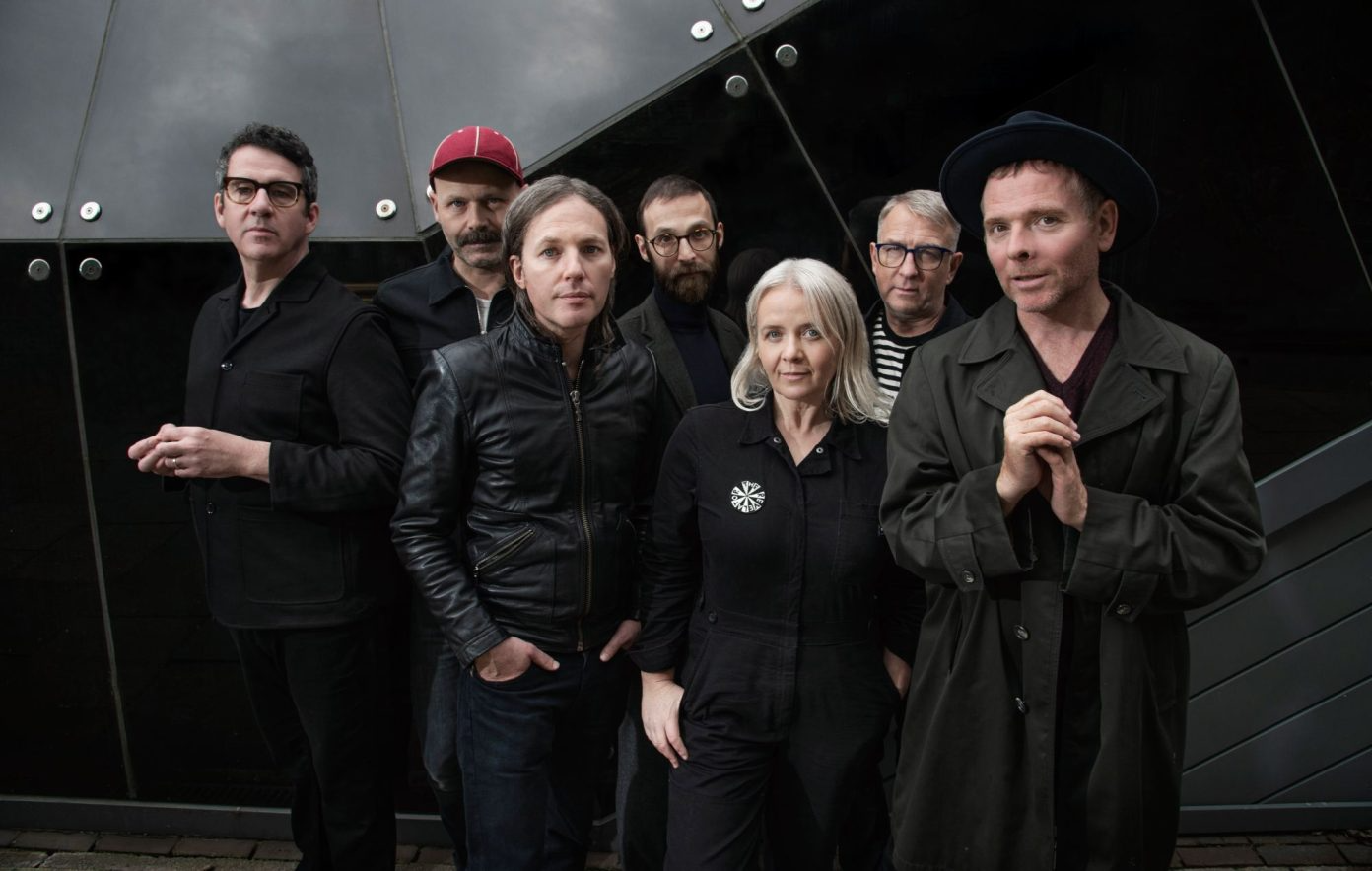
Gang of Youths frontman David Le’aupepe has spoken to NME about the band’s first new single in four years ‘Things Take Time’ and the “philosophical freedom” that has come with writing new material for the band’s long-awaited fourth studio album.
The single marks the band’s first new original material since their acclaimed 2022 album ‘Angel In Realtime.’, and marks a significant change of pace. Rather than returning to the maximalist, big-swinging indie-rock that has shaped their previous albums, ‘Things Take Time’ opts for a refined and jazzy groove that swings atop sparse piano chords and stabs of horns.
As far as comeback singles go, it’s about as subtle and discreet as possible – as if it’s entering through a side door rather than kicking the front gate open. As Le’aupepe revealed, this has very much been done by design.
‘Angel In Realtime.’ was given four stars by NME upon its 2022 release, and described as “a triumphant exploration of love and life”. It led to the biggest shows of the band’s career, including their first-ever headlining arena shows in their native Australia and selling out Brixton Academy in the UK. After a final show in support of the record at British Summer Time with Lana Del Rey, however, Gang of Youths effectively went dark – save for the late 2023 release of ‘Have Yourself a Merry Little Christmas’ for the festive season.
“We all live quiet lives,” Le’aupepe told NME. “We don’t have our own social media, or anything like that. We’re not interested in the public stuff, and I tend to require a lot of respite from the world. Having said that, we’re all kind of ready for it again now. It’s weirdly exciting.”

Check out the full interview with Le’aupepe below, where he discussed the differences between observational and emotive songwriting, the ongoing struggle with perfectionism and why Gang of Youths continually has to die in order to be reborn again.
NME: Hello Dave. Of all the new material the band has been working on, why was ‘Things Take Time’ chosen as the first single?
David Le’aupepe: “Well, the powers that be chose it – probably because it’s the shortest one! It’s a three-minute song, which is miraculous for a band like ours. It’s also a pop song, which is a form I’ve not really dabbled in much. It was a really liberating song to write – I’ve used that word so many times in interviews in the past, but in this instance it really set me free in a sense. I’m actually singing for once, too. I’ve done a lot of talking that happens to be in tune, or these grandiose fucking yells, but I haven’t really allowed my voice to be free like this before.
“One of the things I really like about the song is that, when it was finished and we listened back to it, it felt like a proper break with the past – and we were OK with that. We’ve achieved great things in the past, and we’re proud of it, but this is the thread we’re following now musically. I was delighted by that.”
What place did the song come from in a lyrical sense?
“It’s about nothing… Well, not nothing. It’s about growing plants. My wife ordered too many tomato seeds, so she went to work growing all of these tomatoes in our house. I go over to record with Tom [Hobden, Gang of Youths’ multi-instrumentalist] at his home studio, and that overlooks his back garden. His wife Emma grows all these beautiful plants in the yard. It got me fascinated with the cycle of growth and death, and being baffled that people can grow things without killing them.
“It’s funny… I feel like death and rebirth are a constant part of our subject matter. We’re always dealing with them in one way or another, so it’s kind of weird that we almost accidentally continued it – even though the song is so different for us.”

How naturally did the musical change of pace come to you? There’s fittingly a bit of a parallel with a song like ‘Tend the Garden’, but even that feels a lot bigger and more layered in comparison to ‘Things Take Time’…
“I came in with the idea one night after dinner, and played the little riff. Recorded it, played a drum part, recorded that, got Donnie [Borzestowski, Gang of Youths’ drummer] to redo it, and voilà. You hear all of us at work on this song. When Tom heard my little ‘doo doo doo’ in the verse, it was his idea to chuck in a horn arrangement to replicate them. Donnie is a world-class drummer, and doing something a bit jazzier was right in his repertoire.
“As for Jung [Kim, Gang of Youths’ guitarist/keyboardist], he always has such a deft hand. He’s always so careful, and so organised with his thoughts. I think that’s why it was funny when I finally sent in my vocal take – after doing like 400 takes, he was just like, ‘Fuck it, I don’t really need to worry about it’. Nothing came easily, but everything just made sense.”
Everything went into radio silence after ‘Angel in Realtime.’ Was there ever a period between that cycle ending and the new one beginning where you genuinely thought Gang of Youths was over?
“Of course. That happens after every album we’ve made. I sit there at the end saying ‘I’m done’, and then enough time passes and I’m up like Leo [DiCaprio] in The Wolf of Wall Street: ‘I’m not fucking leaving!’ Out of all of the cycles, ‘Angel’ was definitely the hardest. I love that album, I really do; I think it’s my best songwriting, but it was this whole family odyssey. The arena thing was so weird, too. We’re an indie rock band – we never set out to play in stadiums, especially when you look at how scrappy we were when the band started. It was just the nature of things.
“If we came back trying to be an arena-rock band? Snoozy as fuck. We’re not in that place anymore. Those songs from ‘Angel’ are everyone else’s now. They don’t really play a role in my day-to-day life, or my inner world. What ‘Things Take Time’ represents is a philosophical freedom from having to write about personal shit. I had to break this cycle of feeling like I have to make opuses that dig into the underbelly of my life every single time. I could just write songs with their own meaning, that are curious and spiritual without having to directly cost me something.”
Was it a process of realising a song could still be reflective of you without having to be very hyper-literally about you, the way a song like ‘Brothers’ was?
“The writing now is less and less about trying to find things within myself to deal with, and more and more about things that I notice and that I contemplate. The new songs are, more often than not, about something I’ve observed rather than something I’ve felt. They’re about the external. There’s another new song we played, ‘YeYu’, and that’s probably the only really personal song out of all of them. That’s a real point of difference for a songwriter like me.”
As you just mentioned, you played your first show in three years earlier this month at a small theatre 90 minutes south of Sydney, with three new songs on the setlist – including ‘Things Take Time’. What did performing on stage again mean to you?
“Loads. It renewed something in me. There was a real warmth and affection there – you always get that with regional audiences in beautiful theatres. I knew some people who were in the front row, and who said hi afterwards. People have gotten married since they last saw us, or had kids since they last saw us. It was nice to see a lot of those familiar faces, and to see how they’re existing and how life is for them now. Hell, it was just nice to see people again. Sometimes, the boredom and the monotony of playing live and touring can wear down on even the most dedicated road dog. We all felt that at the end of the last tour, so there were some nerves in coming back to it. As soon as we stepped out on stage, though, it was like, ‘this is what it’s all about. This is the point of it all’.”
That show felt like a lot of the older material was being reinvented through the lens of the new stuff. You played ‘Magnolia’ solo on electric guitar, and ‘Let Me Down Easy’ was pared back in a really subtle way. Can we expect Gang of Youths’ shows to play out a little differently now that it’s no longer a confetti-cannon arena rock show?
“We haven’t even figured that out yet. This was our first foray into really doing it again, you know? The album that we’re working on has more of a sense of just plugging in and playing – a lot of bare elements of piano, bass, drums, vocals. We want these songs to stand out by themselves, as opposed to needing loads of backing tracks running in order for them to work. That factored into the live show – could we reinvent these songs in a way that makes sense to us? It was about striking a middle ground between giving people familiarity and us not dying of boredom.”
Is the new album done?
“Nah.”
How will you know when it’s done?
“When someone tells me it’s not the worst thing I’ve ever made! With [debut album, 2015’s] ‘The Positions’, I had no clue what I was doing. I just knew we had a deadline to turn everything in. With [second album, 2017’s] ‘Go Farther in Lightness’, I was totally sure about every aspect of that album before we turned it in. All I really know about this one, so far, is that when I got back the masters for ‘Things Take Time’, it felt like I was closer to the end of the album than I was to the beginning. I’ve always cooked the goose too long, I think, and now it’s a process of learning not to.”
‘Things Take Time’ is out now. Gang of Youths will perform at All Points East in London’s Hyde Park with Twenty One Pilots on August 30 before a run of UK and European shows in November and December. Visit here for tickets and more information.