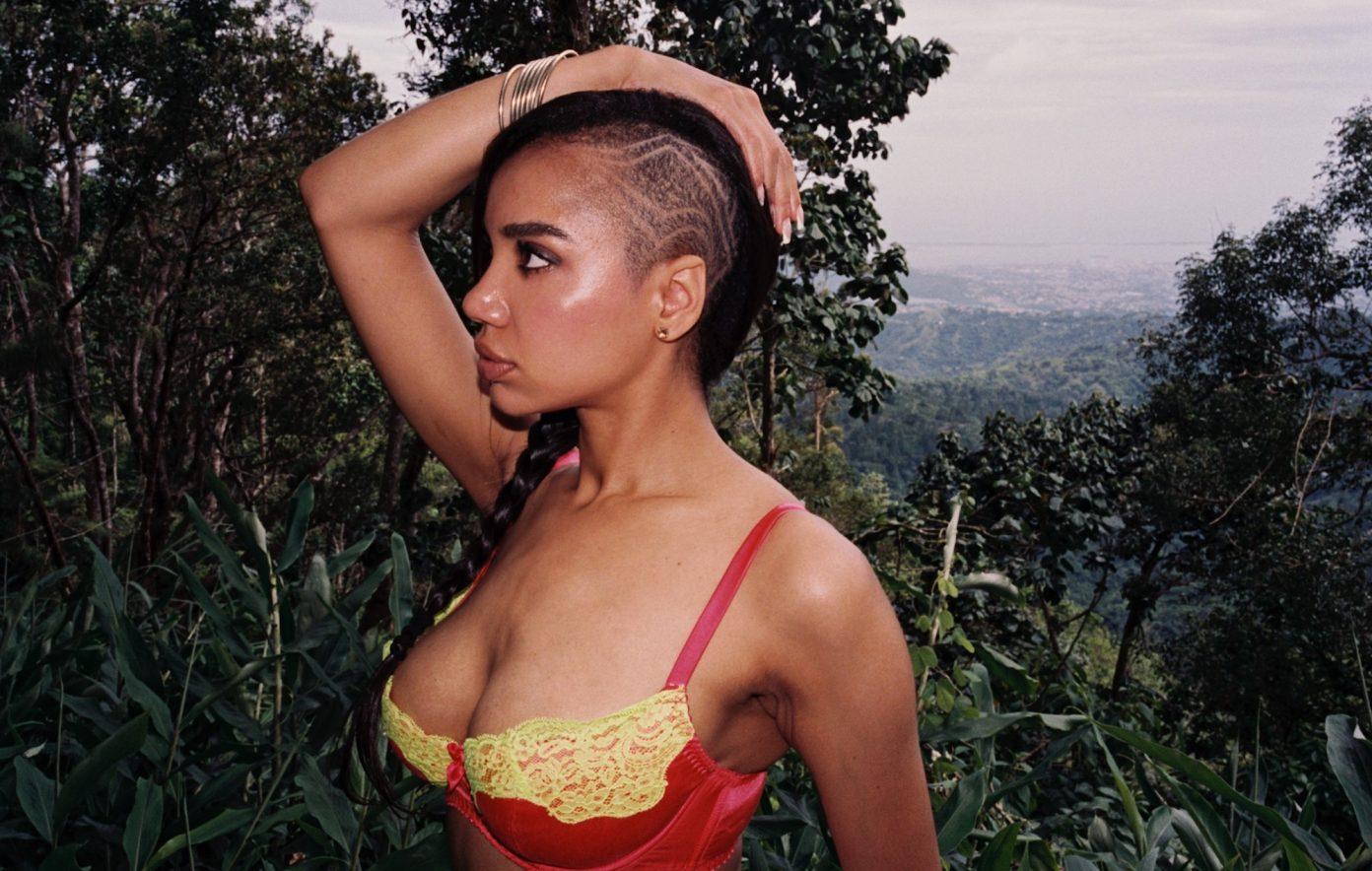

​CAPE TOWN, South Africa — South African artist Gr8ful’s name displays how he feels and his two-single project, “Perspectives,” talks about how he got to where he can feel that way.

“Perspectives” is two songs, “Pop Off” and Carry On” with two completely different sounds that relates to the artist’s journey and development into the singer he is now.

“The message behind ‘Carry On’ is basically having faith, believing that any difficulty only breeds change and through that change you’ll eventually feel the ease and be able to reap the pleasure of life,” Gr8ful said. “‘Carry On’ carries that message, where as ‘Pop Off’ is more of a let loose, allow yourself to be in order to find yourself kind of song. I’m saying take the time that you need in order to be the best version of yourself.”

Gr8ful said the video for “Carry On” carries a message as well starting off with the artist jumping out of bed early to an alarm and joining a friend to work in a food truck. He seems to question where he’s going in life, saying “I’m greatful, but I didn’t sign up for this shit.” Then the scenes change rapidly to as the young man becomes more successful.

“With ‘Carry On’ we used Scarface as the genre we were trying to show, going from being in the food truck to a massive amount of success,” Gr8ful said. “The question is how do you handle that success.”

Gr8ful said music has always been a part of his life, from primary school when he started playing the violin. As he got older he tried other instruments like the drums, the piano and the guitar.

As he got older, his brother encouraged him to start writing his own music.

He counts his musical influences in the old-school giants of hip hop, Tupac, Biggy and LL Cool J. Today he listens to the likes of Kendrick Lamar, J Cole and Lil Wayne.

He started taking his speaker to the park around the age of 13 and 14, practicing raps with friends to get more comfortable with free-styling.

“I’d go on to playing beats on my speaker, like normal beats and then I started rapping over them,” Gr8ful said. “It was just me and my cousins and I started rapping about what they were wearing and eventually I started being able to be very fluid with my words and being able to say whatever I want. It wasn’t really like nursery rhymes type stuff anymore it was more like I'm able to rap about actual stuff.”

Gr8ful said “Carry On” and “Pop Off” were released in November, but he wrote them about a year ago. Those two songs show him in transition from that kid in the park to the musician he is now.

“‘Carry On’ and ‘Pop Off’ were very different to how I approach my creating of music,” he said. “It was the first time I actually sat in the studio and the producer was making the beat in front of me. While he was making the beat I was writing my lyrics. It was the first time it had gone like that. Usually I would get a beat and I would go home and write my lyrics to the beat and come back and record. This was completely different, it changed my perspective on music and my stance.”

Gr8ful plans to release more music in the new year showing how that transition has continued and the artist he’s become.

“I say that ‘Perspectives’ was the biggest project that I’ve released at the moment, but it’s not going to be the biggest project I’m ever going to release,” Gr8ful said. “That’s definitely cooking up now and it is for next year. We have something that's much bigger coming. This is only the start and it’s part of a much bigger picture. It’s setting the tone for what is to come. You have to have a perspective for what’s to come.”

Be sure to stay connected with GR8FUL on all platforms for new music, videos, and social media posts.

Websites:
Spotify
Apple Music
YouTube
Gr8ful.co.za (Coming soon)

Socials:
Instagram
Facebook

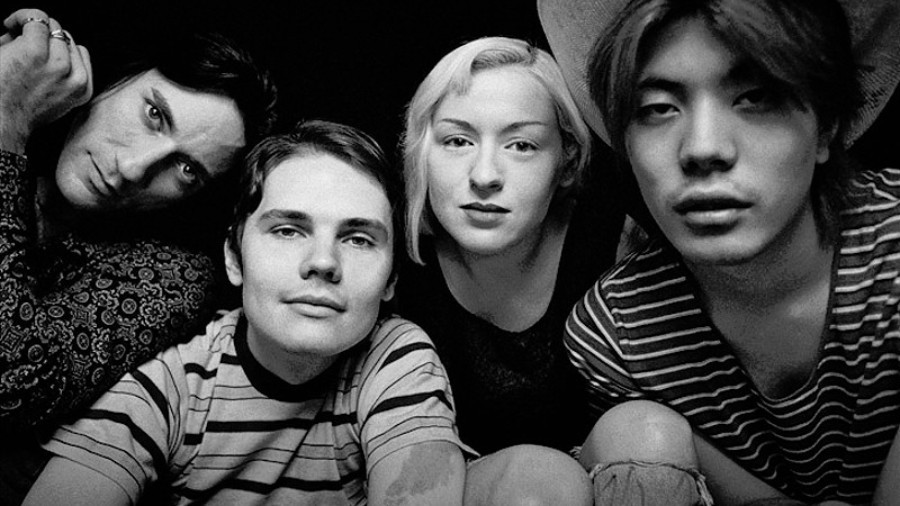
It was the beginning of 1996 when an up and coming alternative group called the Smashing Pumpkins set out on a global run in support of their latest release, “Mellon Collie and the Infinite Sadness.” One of the earliest dates brought them to Los Angeles for a packed performance at the legendary Palace Theatre, where fans filled the venue wall to wall. Instead of opening with the loud, abrasive energy that dominated alternative rock the year before, the band surprised everyone by beginning with a quiet piano performance.

The song was the album’s title track, a deeply reflective piece filled with emotion, optimism and the feeling of stepping into a new chapter. Billy Corgan, who was 28 at the time, wrote it while teaching himself how to play piano.

Corgan recalls the moment feeling almost unreal, surrounded by the Palace Theatre’s velvet drapes, the gentle melody and the overwhelming excitement from the crowd. Then everything erupted as pounding drums and roaring guitars crashed into the room, fully introducing the massive soundscape of “Mellon Collie.”

Three decades later, “Mellon Collie” is widely viewed as one of the defining rock records of the 1990s, later inspiring artists such as Muse, My Chemical Romance and Silversun Pickups. The album marked a dramatic turning point for the band, who had previously become known for the dreamy, progressive leaning sound of their 1993 breakthrough “Siamese Dream.” Unlike that record, “Mellon Collie” arrived as an ambitious concept double album, with lyrics tracing a journey that Corgan described as “one day that can represent your entire life.”

Throughout that concept, the record shifts through crushing and emotional examinations of rage and identity on tracks like “Muzzle,” “Zero” and “Bullet With Butterfly Wings,” nostalgic and delicate moments in “Cupid De Locke” and “Thirty-Three,” and themes of youth and romance in “1979” and “Love.” Its enormous range in both storytelling and musical direction made it stand apart from other rock albums of its era, abandoning the detached attitude often associated with grunge in favor of sincerity, emotion and experimentation.

Taking cues from Pink Floyd’s “The Wall,” the noisy textures of Sonic Youth, the symbolic songwriting and layered arrangements of Black Sabbath, along with surreal visual art influences, “Mellon Collie” pushed the Smashing Pumpkins further than ever before. The album challenged the group to discover how far they could stretch creatively and how completely they could capture human emotion within a single project.

To celebrate the album’s 30th anniversary, the band has partnered with the Lyric Opera of Chicago, their hometown orchestra, to reinterpret “Mellon Collie” as an opera production. They are also releasing the album again alongside previously unheard recordings from the 1996 “Infinite Sadness” tour. Featuring performances from Los Angeles to Philadelphia, the recordings preserve the intensity of the live shows and document a defining chapter in the band’s story.

In “Tonight, Tonight,” Corgan reflects, “And our lives are forever changed, we will never be the same.”

Looking back at the legacy of “Mellon Collie,” those lyrics feel hauntingly accurate. “Nothing was quite the same after this album,” Corgan told the Times. In many ways, that statement could not be more true.

The album earned seven Grammy nominations and launched the band into another level of fame through massive MTV exposure and a series of enduring hit singles. Away from the spotlight, however, Corgan was struggling through the collapse of his first marriage. During the tour, growing tensions inside the group eventually exploded following the overdose death of touring keyboardist Jonathan Melvoin. Later that same year, Corgan also lost his mother.

What followed “Mellon Collie” and the turbulent 1996 tour was a period filled with instability and upheaval. Yet within the life of the album itself existed a rare moment where Corgan and the Smashing Pumpkins came together in complete creative harmony to make a record that would ultimately shape their careers and, in many ways, the course of their lives.

Something I really love, especially about the piano and “Tonight, Tonight” as the opening track, is this feeling of hope that it starts off with, or maybe that’s just what I got from it.

[Laughs] It starts with hope and ends somewhere else, let’s put it that way.

What was the intention with starting with this feeling and what was it inspired by at the time?

I was going through a lot in my personal life, and I was grappling with the changes in my life and the awareness that I had in my life, given what I’d been through as a child and now as an adult with success, it was like I was trying to grapple with all that and wondering what really matters.

I think if you look at the general narrative of the album, it starts with the idea and it starts with the dream and what is possible within the dream. So, for example, you pointed to the piano piece that opens the record.

I went to a store, not too far from where I’m sitting and talking to you [he was calling from his car in Chicago], and bought an old 1920s piano with mismatched legs for $2,500. Now that may not seem like a big deal, but at 27 years old, when I was writing the record, I never owned a piano nor was I allowed to play a piano in my relatives’ houses.

So I finally had this moment of, wow, I can actually buy a piano and I can play my own piano in my own house. As silly as that sounds, it had never crossed my mind that way. I’d always lived in apartments and I was always on the road. It was like a new beginning. It starts with the gift that I gave myself and that ends up having a lot of influence on the compositional structure of the record.

And then “Tonight, Tonight,” was a song that we messed around with for about four months. And one night it just came to me in a flash, like what the song needed to sound like, and I went upstairs to this room that I had in my house and I just remember playing it like I could hear the whole orchestra in my head and I thought, OK, that’s what I need to do.

Something I see on this new reissue is that there’s going to be a lot of recordings from that live 1996 tour right after the release of the album. What was it like relistening to these performances, especially as it was the last tour with the band’s full original lineup?

We had crested a particular wave at the time. We had a No. 1 album. We were playing, I think, a 90-date arena tour, which, now there’s a ton of artists playing stadiums, but back then an arena show was essentially the top of the mountain. So then we had success, we had fame, we had money that we’d never had.

With that, we had all the trappings. And I think in the recordings that are on this record that’s coming out, it’s like a light burning bright before it burns out. If you’ve ever had that experience, you’re in a room and all of a sudden the lightbulb gets really intense and then it burns out. So, you hear us basically burning out.

And there’s a sort of incandescent poetic beauty to all that, and there’s just the sorrow to it because you also realize it’s the last of that moment. In many ways, it was truly the end of that band. I mean, yes, the band has continued, and James [Iha] and Jimmy [Chamberlin] and I have been playing back together again for seven years, and released more records and had a tremendous amount of success of late.

But you can never recapture the innocence of youth or the innocence of the time. When you combine those types of experiences with loss and sorrow and the knowledge of what didn’t happen or what could have happened, then it makes revisiting this time bittersweet.

What do you think “Mellon Collie” means today and how has it been for you to see younger generations continue to be inspired by it?

I view that album in particular very much within the realm of a child who grows up in a latchkey situation. It’s very much a Gen X term. Latchkey kids were those whose parents were working a lot or not home, so they grew up by and large unsupervised. So what does a kid who grows up unsupervised do? They watched a lot of television, and then we consumed a lot of sugar and got up to a lot of delinquent-type things.

So I think the album is very representative of that experience and I think why it continues to resonate for subsequent generations is, it’s very dissociative. Back in the ’90s, the mainstream culture, including the L.A. Times and the New York Times, they really struggled with, “Where’s this all coming from?” Now you are living in a world that is constantly dissociative thanks to social media.

The thing that’s surprising, I’m basing it on personal conversations I’ve had with tons of musicians through the years, is that our album gave some musicians the permission to pursue a wider artistic vision. Because “Mellon Collie” is so wide. It has so much breadth. So what I’ve heard from other artists is, “Wow, when I heard that album, I thought, I can do this too, but in my own way.” And that to me is like, that’s a penultimate compliment from another musician. It’s really humbling.

The greatest thrill now is seeing that young people really do connect with the record. And they connect with songs that are different from the previous generations, which is even cooler. They seem to like the weirder stuff on it rather than the ... let’s call it, the classic rock alternative stuff.


That’s a cool way of looking at it. Like the previous generation probably was really obsessed with “Bullet With Butterfly Wings,” and maybe newer listeners aren’t as focused on that song specifically. In that song, it’s interesting that you say, “Can you fake it for just one more show?” Or this feeling of putting on a performance and feeling that you have to fake it as an artist. Is that something that still resonates with you?

Oh, yeah. Oh, yeah. Because you work so hard to be on that stage and then, as Roger Waters so aptly describes in “The Wall,” you find yourself having a surrealist experience on that same stage. You put yourself through hell to get there and then one day you’re standing there and you’re like, what am I doing here?

I’ve had similar moments where I’m standing on stage and you feel like you’re tripping on drugs, but you’re totally sober. Because the thing that you love inverts on you. When I was a kid, I thought being on TV was a peak thing. But then I was there, about to perform on TV, and there were all these things going on, like you’re tired, or you’re being sued or your bandmate doesn’t like the deli tray. And I just thought, what am I doing here? I felt like I was living in “Spinal Tap.” This is supposed to be fun. This is supposed to be glamorous. This is supposed to be a thousand other things that you put on the rock-star checklist and you find yourself saying, I don’t want to be here.

If you turn to your friends or your family and say, “I’m really struggling with how I’m supposed to process the information that I’m receiving up here,” you’re told you’re ungrateful or you’re out of your mind or you really need to check your ego. I reached a point where it was like, no, I don’t have the skill set to survive punishing my mind, body, spirit five to six nights a week in front of strangers singing songs that are very personal to me and I hear the cheering and I see the flash bulbs popping, but I’m so numb that I can’t feel what’s happening. So in a lot of ways, that song and the themes from the album are still real.

A man in a gray suit playing an acoustic guitar and singing into a microphone on a stage
Billy Corgan of the Smashing Pumpkins performs at the Theatre at Ace Hotel in Los Angeles in 2017.
(Chris Pizzello / Invision / Associated Press)

You’ve said in the “Mellon Collie” sessions, you guys were working on 50 songs at once, that you’re working for six hours a day, just really intense in the studio. What are your thoughts as you think back to that? Were there any memories that really arise for you?

Despite our public persona of being dysfunctional and brawling, we were quite quiet in the rehearsal space. We almost never had guests and 97% of the time, it was just the four of us in a room working.

So, the real memory for me is just day after day after day of trying tons and tons of different ideas, and it started to wind itself into a story through those 60-plus songs, many of which came out in those few years. It was our best period of musical alignment and I think you can hear that. We worked very hard and very peacefully together for eight months to put all that together.

We had just come off a tour, “Siamese Dream,” which was a 14-month tour, and we went in the studio for eight months, made the “Mellon Collie” record, and we immediately went back on tour. And that tour was 22 months long. So when you ask my memory from that time, it’s like, can you describe the blur? It was a really beautiful blur, you know?

You said something really interesting earlier about “Tonight, Tonight” coming to you with the sound of an orchestra. Talk about what it was like to see that song and this album come to life as an opera with Chicago Lyric.

The idea that I would even not only write something on the piano, and now, a full orchestra is playing that song here in Chicago with the lyrics I wrote ... is totally mind-blowing. The first time I heard it with an orchestra, I started to cry, because I thought, this is so crazy. This song that I used to teach myself how to play the piano was now being played by some of the greatest musicians in the world in this beautiful opera hall. I can’t explain to you the strangeness of that journey.

I was made fun of [for using classical instruments in ’90s rock music]. It was seen as too precocious or too artsy or too, I don’t know, overly grand. And now, if you look at alternative music, I mean, there’s been an absolute explosion of people using unconventional instrumentation within the breath of alternative music, as it should be. So it makes me laugh now that there was a time where somehow that was pseudo-controversial.

Coming to my last question for you, how did this album impact your life 30 years later and impact your artistry?

After putting out something like this, artistically it was a triumph. But then publicly it became surreal. We hit a level where people were following you through malls and we were on MTV. It’s not like we had not tasted success, but this was this other stratospheric aspect of success. And something about that album just kind of blew everything wide open.

Family relationships, personal relationships, business relationships, everything just kind of went sideways. I remember thinking nothing was quite the same after that album. Which is true, but it’s not true the way you think it is.

The album has never left my life and is never far away from the conversation. It was never like I put it down and left it behind. Other people won’t let me forget and that’s a good thing because the value holds, and I’ll never forget about it.

CONTINUE READING