
ON THE RISE

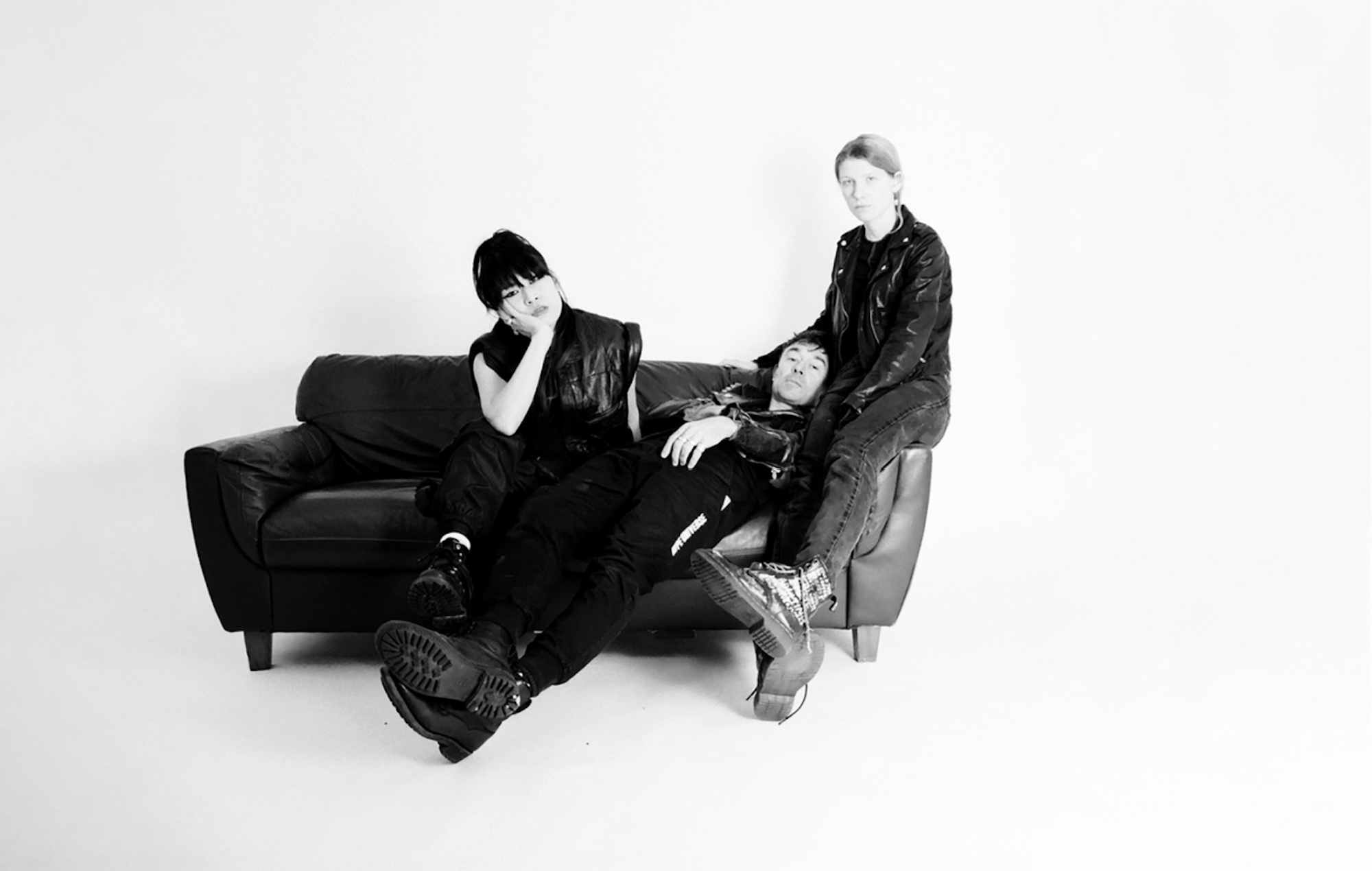
“Not Gonna Do What You Say” is a defiant, get-angry-and-celebrate-it, anti-war, anti-establishment pop synth track from Austin, Texas, duo Millennium Resorts.
From a seat on the couch, drinking a beer, sipping wine, or maybe out on the dance floor, you can raise a fist to the grinding bass, the drums, the synth, the guitar and shout “Yeah!”
It began with a beat from Jonathan, guitar, synth head (self-proclaimed) and producer.
“I told Scott I had a hook, a real simple hook for it in my head, which ended up being the melody. I didn’t really have lyrics for it, but Scott really liked it,” said Jonathan, “and I thought it should be one of our songs because I just liked the melody I had in my head, and I thought it could go somewhere.”
Scott, percussion and drummer and, except for “Not Gonna Do What You Say,” the primary vocalist, came up with some lyrics, sang a sample and sent it to Jonathan.
“What inspired that was I just thought what I was hearing could be like an anthem, something people could shout,” said Scott.
“I went, ‘Hey, that’s cool. I like the idea of singing “not going to do what you say.” What would that mean?’ And then I ended up just ranting about, you know, tyranny, in the lyrics.”
Close our eyes
Demoralized
While you devise
Our demise
One day you’ll pay
For all your crimes
But in the meantime I’m
And then the first line of the chorus:
Not gonna do what you say
Scott didn’t necessarily have a meaning to “not gonna do what you say,” but, said Jonathan, “sometimes you come up with lyrics and you just have an intuition, which is how I write a lot, too, and then you figure out what it means.”
“We don’t want this to be political, but at the same time,” said Scott, “we feel like people could really unite behind this message right now, something that everybody’s kind of feeling where they’re just kind of sick and tired of the power structure and the tyranny.”
Their music is like the offspring of rock married to electronic. Jonathan describes it having the esthetic of Pink Floyd, but “we love synthesizers and we love a lot of EDM, too.”
“In terms of songwriting, we want it to be more like a song, with a verse and a real chorus,” he said.
“Rather than just like a build-up and a drop,” said Scott.
“For the sake of dancing,” added Jonathan. “We’re very influenced by that, but we wanted to take that influence and make more like a pop song with it.”
They have both been in different bands through the years.
Jonathan says, “I’ve been kind of alone in my room for a long time — a lot of ideas and never finishing them. I’m the kind of person who needs a friend just to light a fire under me and get me going.”
They created a 10-track album at the beginning of this year after putting out two versions of two tracks in 2023. Scott was the primary vocalist on those, but Jonathan takes the lead on “Not Gonna Do What You say.”
“We wanted to make a big album,” said Scott. “We thought that was the cool thing to do, thought it was a good idea to make this gigantic Dark Side of the Moon-type concept album.”
“Turns out, we were wrong about that,” Scott laughs. Going forward, they will focus on putting out singles.
Scott has also, up to now, been the primary writer. He came up with the name of the group, Millennium Resorts.
“Millennium sounds kind of futuristic, sci-fi, and resorts — just the idea of, like, synth wave and palm trees, that sort of thing.”
“It became a more collaborative thing,” said Jonathan. “I’m having a bigger writing role because I’m constantly coming up with ideas and things like that.”
“And I sing a lot of backup vocals that I snuck in there on that first album.”
“Not Gonna Do What You Say” may end up on an album next year, but first comes singles, beginning early next year.
“We’ve got a bunch of other songs in the pipe that I think are pretty promising,” said Jonathan.
Find out what they’re singing and what they’re gonna sing and connect to Millennium Resorts on all platforms for new music, videos, and social posts.
ON THE RISE
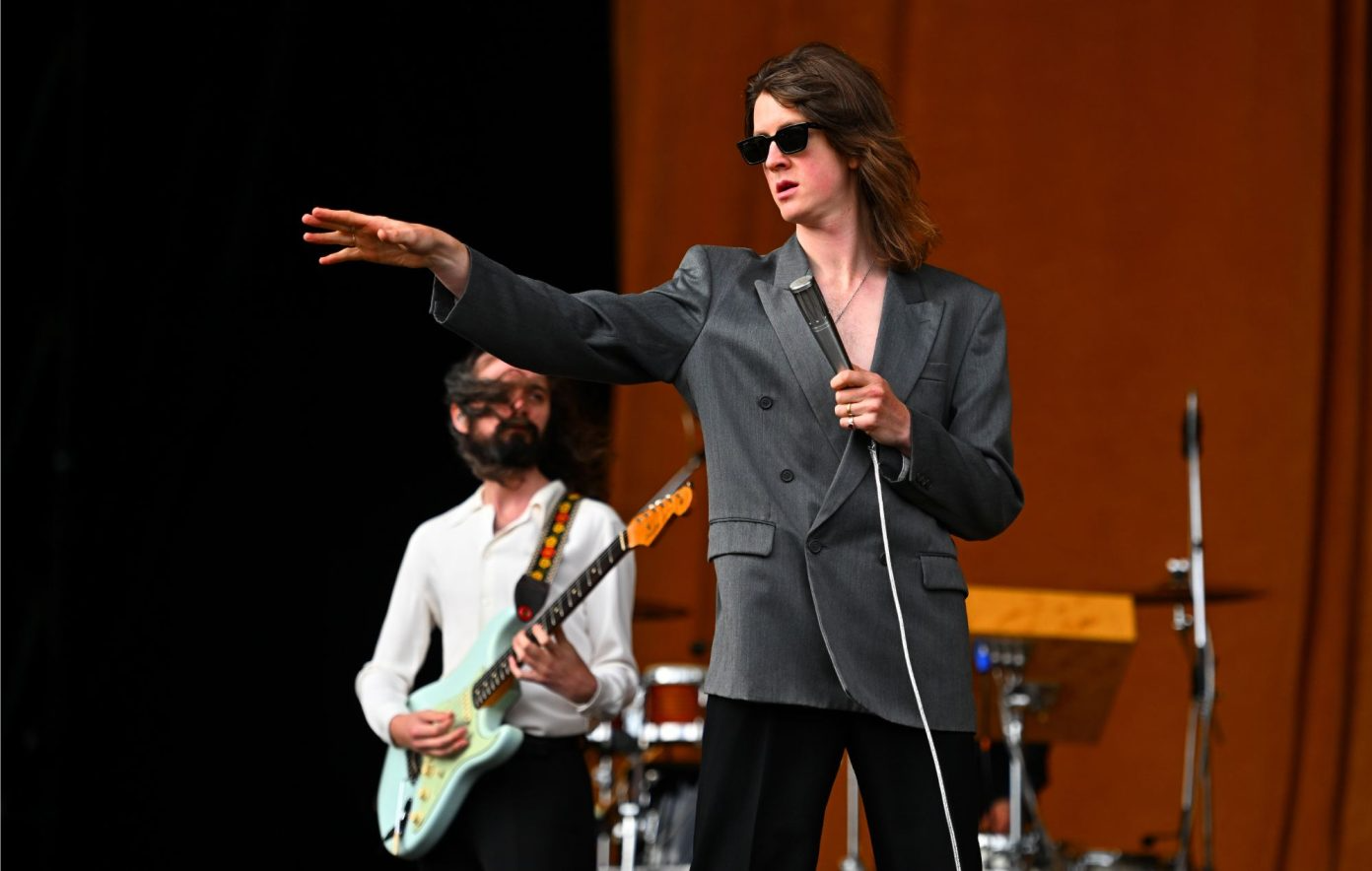
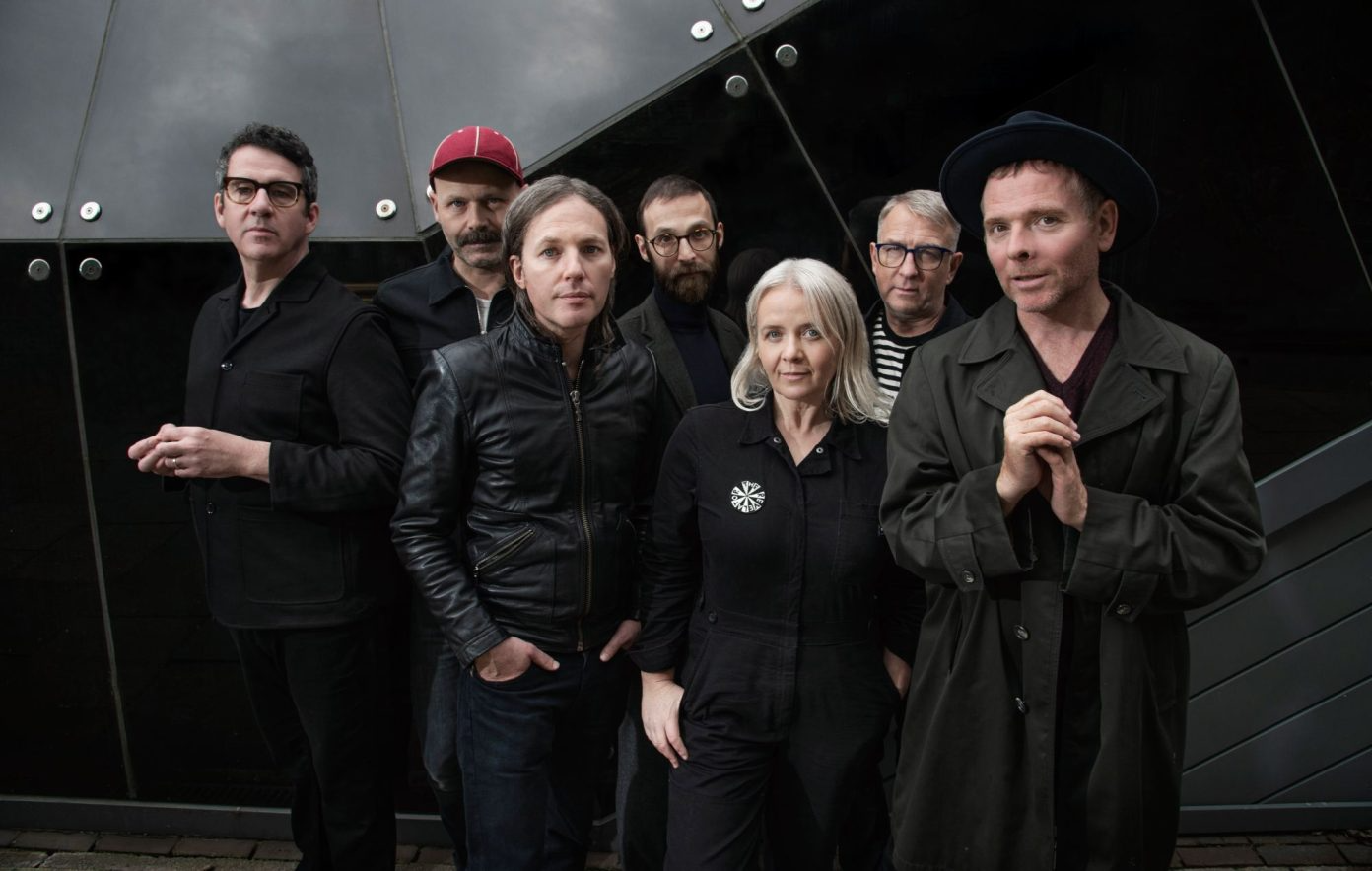
Blossoms caught up with NME to discuss competing with The Beatles and Johnny Marr for this week’s Number One album. With ‘Songs From The Wedding Cake’ in the running, the band also explained why making things themselves remains such an important part of their work as AI becomes more common.
The Stockport group put out their sixth album last Friday, October 2. By the midweek update, it was sitting at Number Two, between The Beatles’ expanded edition of ‘Rubber Soul’ and Johnny Marr’s latest solo album, ‘The Age Of Everything’.
“It’s mad, to be honest,” singer Tom Ogden said to NME about the chart race. “Liverpool on one side, Manchester on the other and Stockport in the middle. If you’d told us this 10 years ago, when we were releasing our debut, I wouldn’t have believed you. But I mean, we’re in good company aren’t we?”
Discussing the stories behind the album, Ogden described ‘Songs From The Wedding Cake’ as “about being married and all the everyday stuff that comes with it”. He married Katie Donovan, the sister of Blossoms drummer Joe, in 2021. Married life has since given him a new appreciation for what he describes as “the extraordinary ordinary”.
“Saying the wrong thing in an argument, losing your wife’s no claims bonus, crying at the Kardashians, it’s all in there,” he explained. “The album is named after Stockport Town Hall, which everyone round where we live calls the Wedding Cake, and it’s where I got married, so it couldn’t be much closer to home.
“The last album [‘Gary’, 2024] had a song about a stolen fibreglass gorilla, which everyone loved, and that gave us the confidence to bring the same playfulness to this one, just with more personal subject matter this time.”
Alongside tracks that came out of writing sessions with Declan McKenna in a hot tub, the album reflects the band’s desire to stay involved in every part of the creative process.
“It started with the recording,” Ogden explained. “We made the album with Shawn Lee, playing live straight to tape, and once you’ve done it that way you can’t really go and fake everything else. We sat down as a band and picked the colour palette, and everything visual followed from that. We had body scans taken of ourselves and cake toppers of the five of us 3D printed, put them on a real cake and photographed it. I’ve directed and edited the videos, and the sets are all built by hand, no green screen. For the pop-up shop on launch weekend, a local artist hand-painted the album cover for the sign outside.
“It’s more work, but you end up with a world that’s yours, and I think people can tell when a band’s had its hands on everything.”
With AI tools and digital effects becoming increasingly widespread, that approach feels particularly relevant. For Blossoms, though, the motivation is simple: “the fun is in the making”.
“Tape doesn’t let you cheat and neither does a real cake,” Ogden said. “If a set’s a bit wonky, it’s because one of us or our mates built it. I think the more stuff gets generated, the more people want to know a human being actually did it. We’ve been in this band together for over 10 years, five lads from Stockport, and that isn’t something you can ‘prompt’.”
Maya Jama also appeared in the video for the album’s first single, ‘Meet Me In Love’. Her appearance came shortly before the UK launch of Celebrity Traitors, where she took on the role of a traitor alongside a cast that included Richard E Grant and James Acaster.
“She was brilliant,” Ogden recalled of working with Jama. “We’d met her at the MTV EMAs in Manchester a couple of years ago, so we took a chance and sent her a DM …and she said yes. Next thing she’s in a theatre in Cheadle miming my vocals while a load of people dressed as me serenade her. She got the idea straight away and was a proper laugh about it.”
The conversation then turned to whether he thought Jama could take home the win on Celebrity Traitors.
Ogden joked: “As for Traitors, she spent a whole day pretending to sing my song and I almost believed her, so I’d say she’s got every chance.”
Fans can listen to ‘Songs From The Wedding Cake’ now. In November, Blossoms head out on a UK arena tour with The Royston Club. Tickets and further details are available here.
Before the tour begins, the group is also scheduled to appear on SNL UK on Saturday, October 24.