ON THE RISE

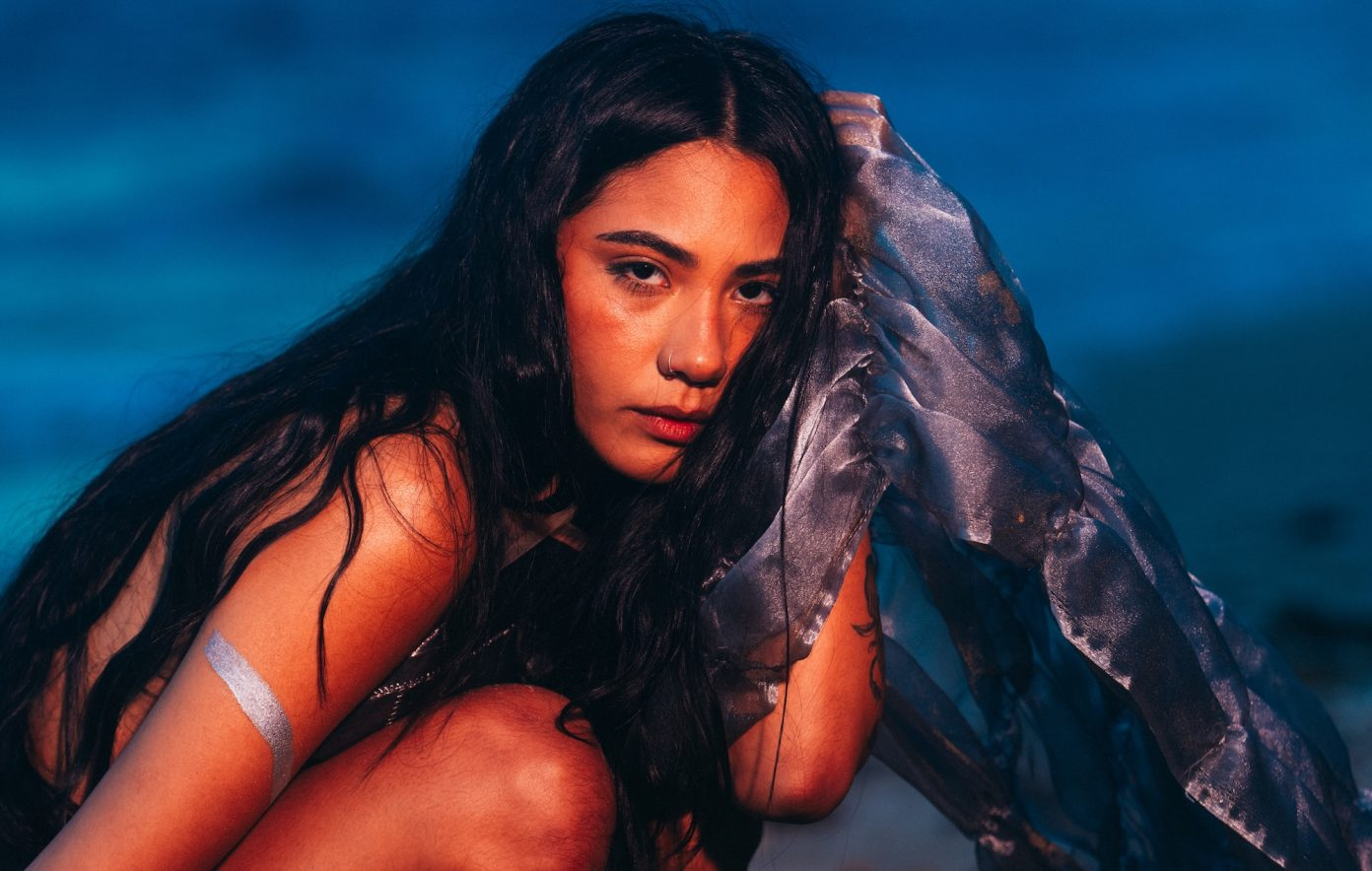
While many may choose to spend their birthdays giving themselves a well-earned break, Jaehyun wrote a song. “It was really sunny outside, so we had very positive thoughts in our head, and I think that’s why the mood and the vibe and the sound came out really bright and happy”, the 26-year-old NCT member says about his new single ‘Horizon’. It’s the latest song to come out under the NCT LAB project, where members of the K-pop boyband release standalone solo or unit tracks.
Like 2022’s ‘Forever Only’, his last ‘NCT LAB’ single, Jaehyun’s oaky baritone moulds to the bouncy R&B stylings of ‘Horizon’, a breezy and light song about piercing the clouds and finding the serenity above them. “I thought of horizontal moments, like when views are really calm and peaceful,” he says about ‘Horizon’, which he co-composed with regular NCT collaborator DEEZ and producer SoulFish. “The day that I mostly thought about while writing the song was a day that was really cloudy and gloomy. I was on a schedule to another place, so I rode an airplane and once I went up beyond the clouds, it was really calm and bright. And at that moment I thought that, even at the same time or in the same place, how you think is the easiest but biggest change you can make to feel different.”
There’s a sense of intentionality that runs through the core of Jaehyun, almost like the strong and stable slice of a skyline. It makes sense when you consider that his time, or sometimes the lack thereof, is such a commodity as he balances everything from music – in the shape of NCT at large, his homegroup NCT 127 and the recent debut of the sub-unit NCT DOJAEJUNG to acting to a partnership with Prada which, among other things, recently took him to Italy where he filmed the music video for ‘Horizon’. Deciding the course of his own mindset is just one of the ways that purposeful drive filters into his life.
His notes app is a precious trove of lyrics and half-songs that he tinkers with in scarce moments of downtime. He prefers to master a new craft or hobby before sharing it with the world and he approaches his own musical inspirations like a study session. “If I have an artist that I like, I like to listen to the album and then I watch some interviews. Then, if they talk about the music or the older songs that they like, then I search for those songs,” he says, continuing the cycle ad infinitum. “Then I take a look at those artists and find the artists that they like.” For those curious, the current favourites on his playlist are Kaytraminé’s debut album, Kool & The Gang and “all the ’90s.”
Even in moments that call for improvisation, like rare days without a schedule or two to tie him up, he plans his planlessness. Usually, it involves deciding not to set an alarm, even if that means waking up in the afternoon, but recently, he’s filled the blank canvas of his free days with exploring more of his own music. “I have lots of work, but when I’m composing or writing, like in the moments that I spend time in the recording room or working on a song, that’s one of the happiest and most satisfying parts of doing this job.”

2023 marks seven years since the official introduction of Jaehyun to the world, first as a part of the rotational unit NCT U with the single ‘The 7th Sense’ in April 2016, and then soon after in July with the debut of NCT 127. “That first year, the first thing that comes to my mind is our debut moment. For NCT, actually, it was in China, our first actual performance stage, and I really remember that atmosphere, the flashes of the cameras and just the crowd of people,” he says, a smile brightly hitting the tone of his words.
“And also, for 127, I remember wearing clothes that felt really young and unique, very ‘neo’. It was really ‘neo style’,” he says, referencing the maximalist styling for the group’s first single ‘Fire Truck’. “We had some long dresses over our pants, and our hair was really crazy and I remember doing this jump move with our legs up? There’s a move where we just keep jumping on the same spot.” He laughs, those seven years ago seeming much further back in time than they are.
Still, going from the final crest of teenagerdom to your mid-twenties can feel like experiencing three entirely different phases of life, especially when it comes with the pressure of work and the watchful gaze of adoring fans and a curious public. But while time has enveloped and shaped Jaehyun, he feels fairly unchanged by its current. “When I meet my school friends, they always say that I look so similar to our school days, and that my attitude and personality and my looks haven’t changed a lot. They always talk about that”, he reflects, turning the observation to be more introspective.

“But for me, I think I like the base is really the same, there’s nothing really different, but I think I got older. Lots of experiences and events happened that made me get older, but I still do feel like I’m 20 years old.” Reflecting on what he would tell his younger self given all those hardening moments of transformation, he simply says: “feel it all”. “Every up and down, feel it 100 per cent. When you feel happy, feel it 100 per cent, when you feel bad and are having a hard time, feel it 100 per cent.”
Like the horizon his sophomore solo ‘NCT LAB’ single is named after, Jaehyun’s path keeps heading out into the distance. There’s an imminent NCT comeback (which he coyly describes as “really good” after pondering over how much he can reveal) as well as a return to acting in the film You Willl Die In 6 Hours, which he just finished shooting. Before the end of the year, he also wants to go snowboarding and make progress on the surfing he learned while in LA last year with bandmates Johnny, Taeyong and Taeil: “That was my first and last time surfing. But I want to try it again because I really want to stay standing for a longer time.” Mostly, he just wants to release more music, the goods of his notes app heavy in his pocket. “I really want to share more.”
Jaehyun’s new ‘NCT LAB’ single ‘Horizon’ is out now
ON THE RISE
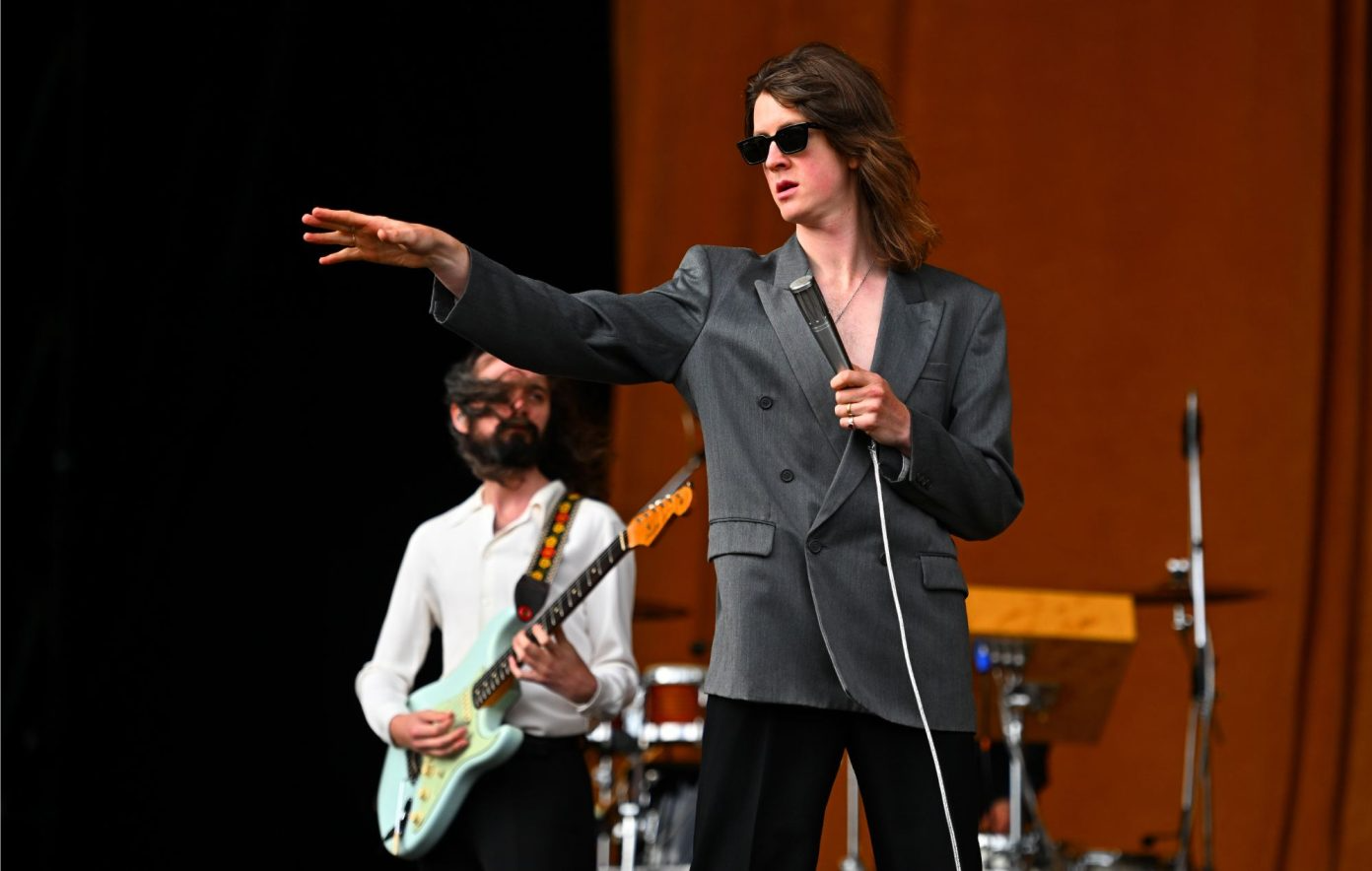
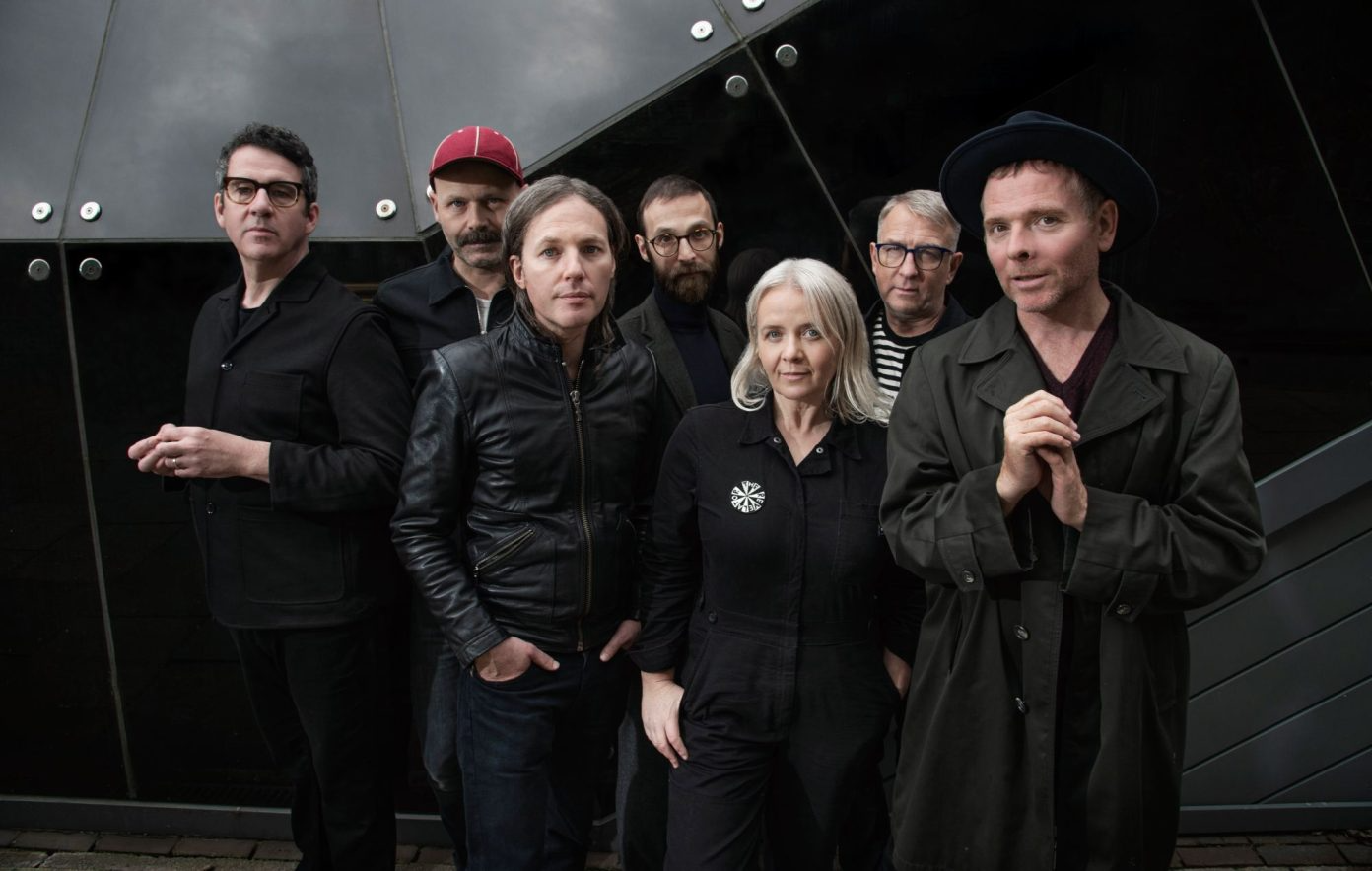
Blossoms caught up with NME to discuss competing with The Beatles and Johnny Marr for this week’s Number One album. With ‘Songs From The Wedding Cake’ in the running, the band also explained why making things themselves remains such an important part of their work as AI becomes more common.
The Stockport group put out their sixth album last Friday, October 2. By the midweek update, it was sitting at Number Two, between The Beatles’ expanded edition of ‘Rubber Soul’ and Johnny Marr’s latest solo album, ‘The Age Of Everything’.
“It’s mad, to be honest,” singer Tom Ogden said to NME about the chart race. “Liverpool on one side, Manchester on the other and Stockport in the middle. If you’d told us this 10 years ago, when we were releasing our debut, I wouldn’t have believed you. But I mean, we’re in good company aren’t we?”
Discussing the stories behind the album, Ogden described ‘Songs From The Wedding Cake’ as “about being married and all the everyday stuff that comes with it”. He married Katie Donovan, the sister of Blossoms drummer Joe, in 2021. Married life has since given him a new appreciation for what he describes as “the extraordinary ordinary”.
“Saying the wrong thing in an argument, losing your wife’s no claims bonus, crying at the Kardashians, it’s all in there,” he explained. “The album is named after Stockport Town Hall, which everyone round where we live calls the Wedding Cake, and it’s where I got married, so it couldn’t be much closer to home.
“The last album [‘Gary’, 2024] had a song about a stolen fibreglass gorilla, which everyone loved, and that gave us the confidence to bring the same playfulness to this one, just with more personal subject matter this time.”
Alongside tracks that came out of writing sessions with Declan McKenna in a hot tub, the album reflects the band’s desire to stay involved in every part of the creative process.
“It started with the recording,” Ogden explained. “We made the album with Shawn Lee, playing live straight to tape, and once you’ve done it that way you can’t really go and fake everything else. We sat down as a band and picked the colour palette, and everything visual followed from that. We had body scans taken of ourselves and cake toppers of the five of us 3D printed, put them on a real cake and photographed it. I’ve directed and edited the videos, and the sets are all built by hand, no green screen. For the pop-up shop on launch weekend, a local artist hand-painted the album cover for the sign outside.
“It’s more work, but you end up with a world that’s yours, and I think people can tell when a band’s had its hands on everything.”
With AI tools and digital effects becoming increasingly widespread, that approach feels particularly relevant. For Blossoms, though, the motivation is simple: “the fun is in the making”.
“Tape doesn’t let you cheat and neither does a real cake,” Ogden said. “If a set’s a bit wonky, it’s because one of us or our mates built it. I think the more stuff gets generated, the more people want to know a human being actually did it. We’ve been in this band together for over 10 years, five lads from Stockport, and that isn’t something you can ‘prompt’.”
Maya Jama also appeared in the video for the album’s first single, ‘Meet Me In Love’. Her appearance came shortly before the UK launch of Celebrity Traitors, where she took on the role of a traitor alongside a cast that included Richard E Grant and James Acaster.
“She was brilliant,” Ogden recalled of working with Jama. “We’d met her at the MTV EMAs in Manchester a couple of years ago, so we took a chance and sent her a DM …and she said yes. Next thing she’s in a theatre in Cheadle miming my vocals while a load of people dressed as me serenade her. She got the idea straight away and was a proper laugh about it.”
The conversation then turned to whether he thought Jama could take home the win on Celebrity Traitors.
Ogden joked: “As for Traitors, she spent a whole day pretending to sing my song and I almost believed her, so I’d say she’s got every chance.”
Fans can listen to ‘Songs From The Wedding Cake’ now. In November, Blossoms head out on a UK arena tour with The Royston Club. Tickets and further details are available here.
Before the tour begins, the group is also scheduled to appear on SNL UK on Saturday, October 24.