
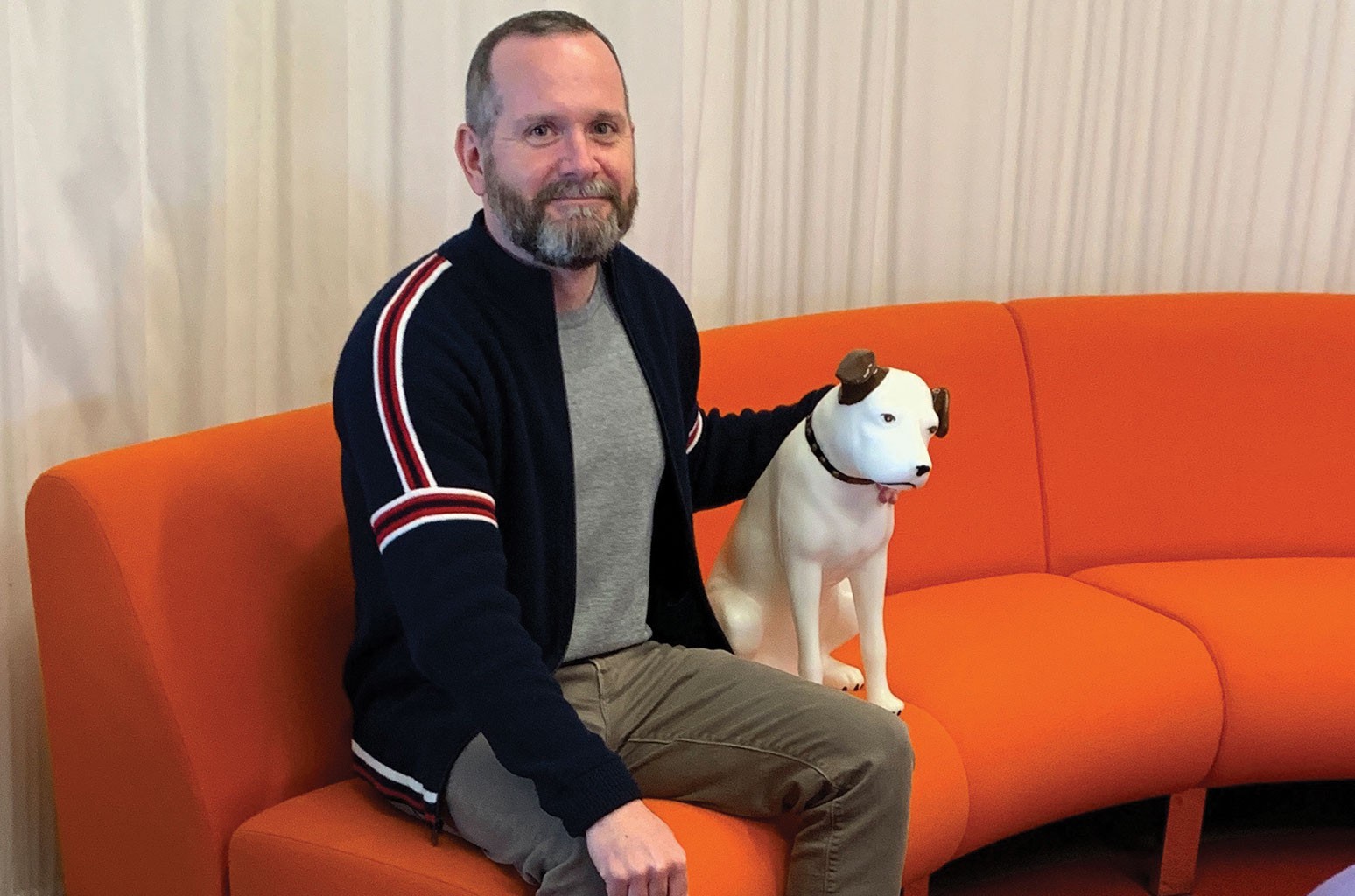
Mark McDevitt
Courtesy oc Mark McDevittMark McDevitt
Senior vp/deputy chief content protection and enforcement, RIAA
Months after Mark McDevitt started his RIAA career as an office clerk in October 1997, he heard the word “Napster” — and his whole life changed. He graduated to online copyright protection and spent years fighting file-sharing and peer-to-peer networks. Today, he battles stream-ripping, or the use of apps and websites to create unauthorized copies of content on streaming platforms, as well as prerelease piracy.
When Napster cropped up, I imagine your life got very busy.
It changed considerably. A good part of my time back then was spent understanding how Napster worked. And doing demos and trying to lay it out in easily understood terms so other people could understand.
Back then, how much of your job was teaching non-tech-savvy record executives what Napster, MP3s and even the Internet were?
I did a demo for an executive in the entertainment industry: “Here’s how you install Napster, here’s where all the songs are listed, here’s what the categories mean.” This individual stopped me and said, “I need you to step back, because what I’m trying to understand is what that little thing is that’s moving across the screen.” That little thing was the mouse pointer.
Now that streaming has neutralized much of the peer-to-peer and file-sharing piracy, what content-protection issues are you working on today?
Prerelease piracy has moved to a much more sophisticated and insidious approach. Instead of trying to find a CD from some friend of a friend who works for a magazine or record store, it’s trying to hack into an artist’s email account, social network systems, cloud storage, home computers, recording studios, lawyers, managers, publicists, even family members. In the Napster era, people would leak things for bragging rights. Now these folks are doing it for money — or cryptocurrency, actually.
How do you defend against it?
Trying to help labels and artists understand it doesn’t benefit anyone to be sending an unmastered release to another person via a Gmail account or storing it on an unprotected Dropbox account and passing on a link.
How big of a problem is stream-ripping?
I’m optimistic that it’s slowly going down. We’ve sued, and those lawsuits have been very highly publicized, but the stream-ripper sites are trying to evade our protection efforts, changing their domain names in some minor way so they can bubble up to the top of the search results. It’s a constant cat-and-mouse.
Since 1997, how has the record industry’s attitude toward LGBTQ+ issues changed?
Very progressive and becoming more so. To be able to protect content for artists like Lil Nas X who have been very open, very out, I’ve found it personally gratifying.
NEWS
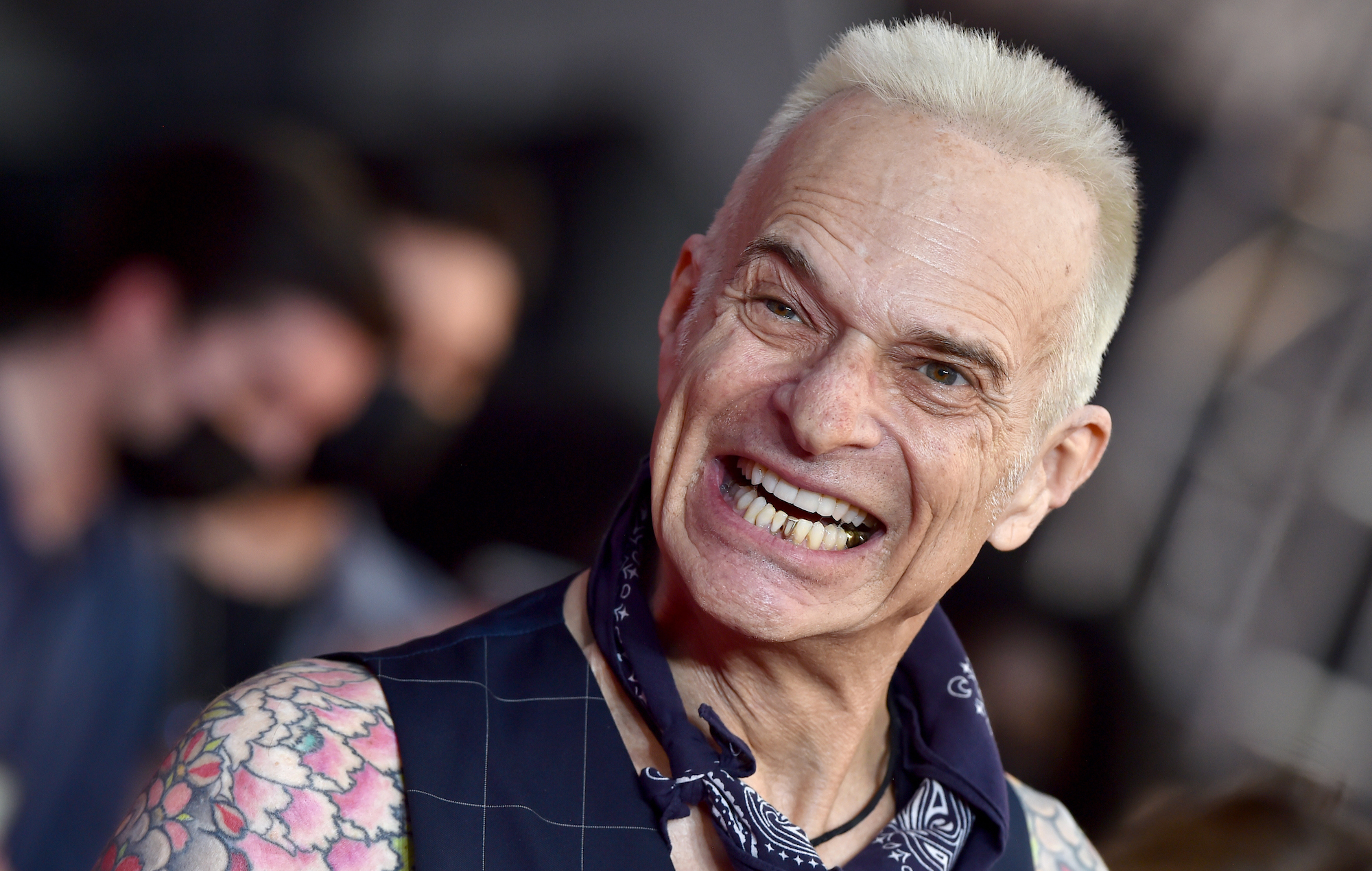
David Lee Roth made an unexpected appearance at the Stagecoach Festival on Saturday evening, stepping onto the stage with Teddy Swims to perform “Jump,” the iconic 1984 hit by Van Halen.
During his Stagecoach set, Swims welcomed Roth after running through his recent single “Mr. Know It All” along with “Some Things I’ll Never Know,” both taken from his debut studio album I’ve Tried Everything But Therapy (Part 1), which arrived in September 2023.
This moment marked the third straight festival where the two have shared the stage. Swims previously invited Roth out during recent sets at the Coachella Valley Music and Arts Festival, where he introduced him as “David Lee Roth from the best band of all time, Van Halen,” before they kicked into “Jump” together.
The latest performance unfolded during a chaotic night at Stagecoach, as strong winds earlier in the evening led to a temporary evacuation of the grounds and forced several changes to the schedule, including removing artists such as Journey and Riley Green from the lineup.
The evacuation came after powerful gusts swept through the Empire Polo Club in Indio, California, the site of the festival. An “emergency evacuation” notice appeared on screens across the venue, urging attendees to “move quickly and calmly to the nearest exit,” while alerts sent through the festival’s official app instructed people to clear the area.
The interruption impacted several stages, with the Mane Stage sitting between sets when the evacuation alert was issued. Wind conditions had been intensifying throughout the day, with stronger gusts arriving in the evening as part of a regional wind advisory.
Even with the disruption, Swims’ set ultimately continued, and Roth’s surprise appearance stood out as one of the biggest highlights of the night as fans returned once the festival resumed.
Stagecoach, one of the largest country music festivals in the United States, takes place every year at the same location as the Coachella Valley Music and Arts Festival and regularly draws tens of thousands of fans.