NEWS

Derek Ali wants to give mixing engineers what he never had.
Known as MixedByAli in the music world, the 31-year-old hip-hop aficionado turned entrepreneur is one of the most sought-after engineers in the rap game. In late 2020, Ali launched his music-making platform, EngineEars, meant to transform and ease the way engineers, songwriters and producers run their businesses. Through the company, Ali hopes to uplift the behind-the-scenes musical subcommunity that he says has not yet received its deserved recognition and respect.
In an exclusive interview with Billboard, Ali shared EngineEars’ latest angel investors: Kendrick Lamar, Roddy Ricch, Russ, Mustard, DJ Khaled, YG, Ella Mai, Bas, Smino, Masego, Cardogotwings, Young Guru, Kenny Beats, Ibrahim Hamad of Dreamville, La Mar Taylor of XO, Meko Yohannes of 10Summers, and indie-record label EQT. The investments are led by Slauson & Co., founded by Austin Clements and Ajay Relan, bringing EngineEars to their pre-seed goal of $1 million.
The Gardena, CA native got his start in the music business making parody cellphone ringtones as a side hustle in high school. He soon fell in love with the recording process, and furthered his craft learning alongside former classmate and pgLang co-founder Dave Free, who was a computer technician at their school.
Fifteen years and countless ringtones later, Ali has earned Grammy wins for his engineering work on Kendrick Lamar’s 2015 masterwork To Pimp A Butterfly and Childish Gambino’s 2018 Billboard Hot 100-topper “This Is America.” Outside of his award-winning work, Ali’s resume boasts a who's who of current star artists, including Cardi B, Drake, Roddy Ricch, Pop Smoke, Megan Thee Stallion and Nipsey Hussle. He recently acquired the former Death Row Records studio, formerly known as Can-Am Recorders and now called NoName studios, under Ali's ownership.
Ali spoke with Billboard about his start in the music industry, the importance of mentorship and the impact of artists turned entrepreneurs like Nipsey and Dr. Dre on his own path.
How did you enter the world of audio engineering?
In high school, I had a small business making ringtones. I would have friends come over after football practice and they would record parody ringtones that I would put on phones. I kind of fell into the position, like, “Hey, instead of selling ringtones, I can make a career out of being an audio engineer.” Dave Free was the computer tech at my high school. He's always been DJing, throughout high school, and working with artists here and there. I reached out to Dave and asked for guidance, like, “Yo, I want to help -- I don't want money, I just want knowledge.”
Being raised in Gardena, all my friends were black, some of them were in the streets. Then I came home to this [Polish] immigrant family and they don’t look anything like me. How do I relate to these people that I interact with, and then come home and I’m eating sauerkraut? I was very insecure -- it took a long time to be comfortable with who I am. [Engineering] gave me purpose. I hated authority, I hated going to school. Having something that naturally sat me down naturally controlled my ADD. I said, this was it.
What inspired you to create EngineEars?
It all comes from the struggle that I had coming into the industry. The pressure, the being sh--ted on. I'm 6’5”, 250 pounds, tatted up neck to toe, so people look at me a certain way. When I really want to learn and they see that hunger and passion, that turns into, “Oh, this kid might be coming from my spot, let me push him away.” I always told myself that once I get to a [certain] point, I can be the person that I wish I had for myself. That's what we're doing through EngineEars. If I train 1,000 kids and not be stingy with information, my legacy will live through millions of people who will follow what I've done.
How has the music industry changed since the time you entered into it?
Over the past five to six years, music has been changing drastically -- but the independent music sector is taking off crazy, and because of COVID, it’s growing even faster. A lot of these kids are making music in their homes, in their bedrooms and makeshift studios. And they're going straight online for people to enjoy. There is no blueprint to creating a song or mixing a song anymore. Kids are doing what they want to do and that's beautiful to see. It's just finding a way to really harness and cultivate that for the next generation and the sound of tomorrow.
How is EngineEars different from other similar platforms?
The independent music sector is growing at such a rapid rate. More platforms are being made available for artists, for producers. Engineers, we’re getting the most love now than ever. Why isn't there anything cultivated for these people? This is a platform built for engineers, by engineers. The problems that we're fixing with EngineEars are issues that I deal with on a day-to-day basis. For the first time, they don't have to wait on net 45 label payments, they don't have to wait on tracking a payment for something they did last month -- you get paid instantly. You get credited. As engineers, we live off credit, we grow our name and we grow our business off credits.
We're [also] giving artists access [to] some of the top-tier audio engineers. An artist from middle America or Japan, or Germany or somewhere in Australia, can have access to these engineers, and instantly book them on EngineEars.
How receptive was the music community to EngineEars?
I reached out to all the biggest booking agencies and artist agencies that I had personal relationships with, and they didn't see the value in [EngineEars]. They just completely threw me to the left. So I was like, f--k it. I went out, raised my own money, did it myself, booked the venues, booked the flights. We did everything ourselves internally, between my partner and I. We did the first [EngineEars event] in LA at the 1500 Sound Academy and it sold out within four weeks.
Our community went berserk. We got an influx of people hitting us up like, "Yo, come here, come here." And we dropped everything and launched a [sold out] world tour. We were like, "Holy f--king s--t." I'm not a producer. I'm not an artist. I'm doing a worldwide tour as an engineer. Since we launched at the top of January, every month we've grown in sales. Not a single dollar to marketing, we've been growing organically just off of word of mouth.
What would you say is the value of engineers to the music industry?
Engineers are in the trenches. We are the first ones at the studio, last ones to leave; we’re the ones driving this industry. The engineers have really become the sound producers, the vocal producers, of a lot of these artists. It's showing that [engineers] are finally getting their recognition, one thing that that we really fight for.
Who are some of your inspirations in the music game?
I got motivation from Nipsey. We were in the studio mixing Victory Lap, and he would come in bringing books, just talking to everybody about business and how ownership works, like, “Yo, we're not having homies around -- that's just on some street s--t, if you come around talking that, that's when you get beat up. You need to come around talking about business, how to elevate your mind, how to elevate your family.” Just being around during that time, I have no choice but to follow that blueprint.
[Dr.] Dre has also played a major part, how his career led from him being top tier in sonics and audio and production to then owning Beats [by Dre]. 50 [Cent] said, “Hard work overrides talent, when talent isn't working,” and I live by that.
Our community went berserk. We got an influx of people hitting us up like, "Yo, come here, come here." And we dropped everything and launched a [sold out] world tour. We were like, "Holy f--king s--t." I'm not a producer. I'm not an artist. I'm doing a worldwide tour as an engineer. Since we launched at the top of January, every month we've grown in sales. Not a single dollar to marketing, we've been growing organically just off of word of mouth.
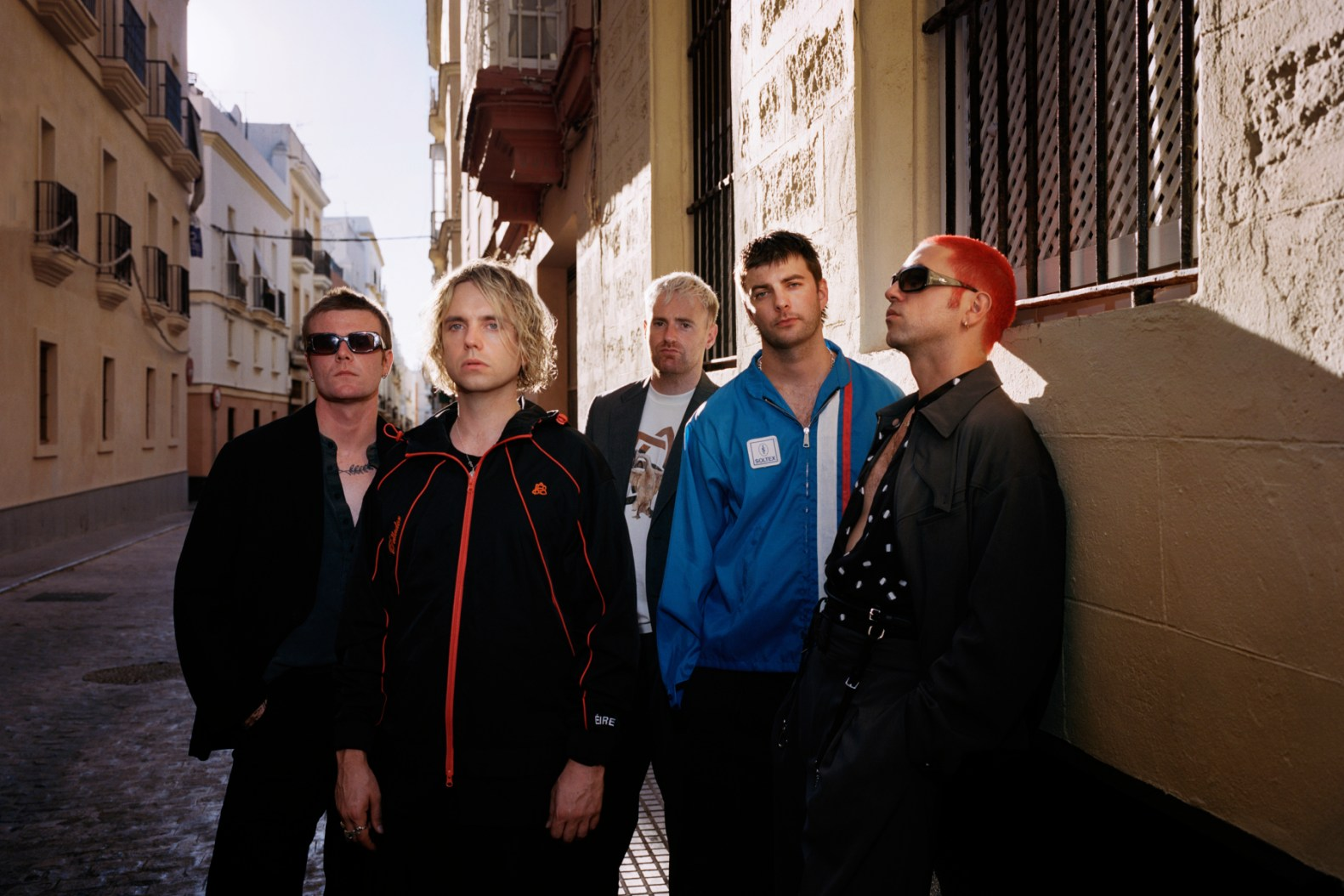
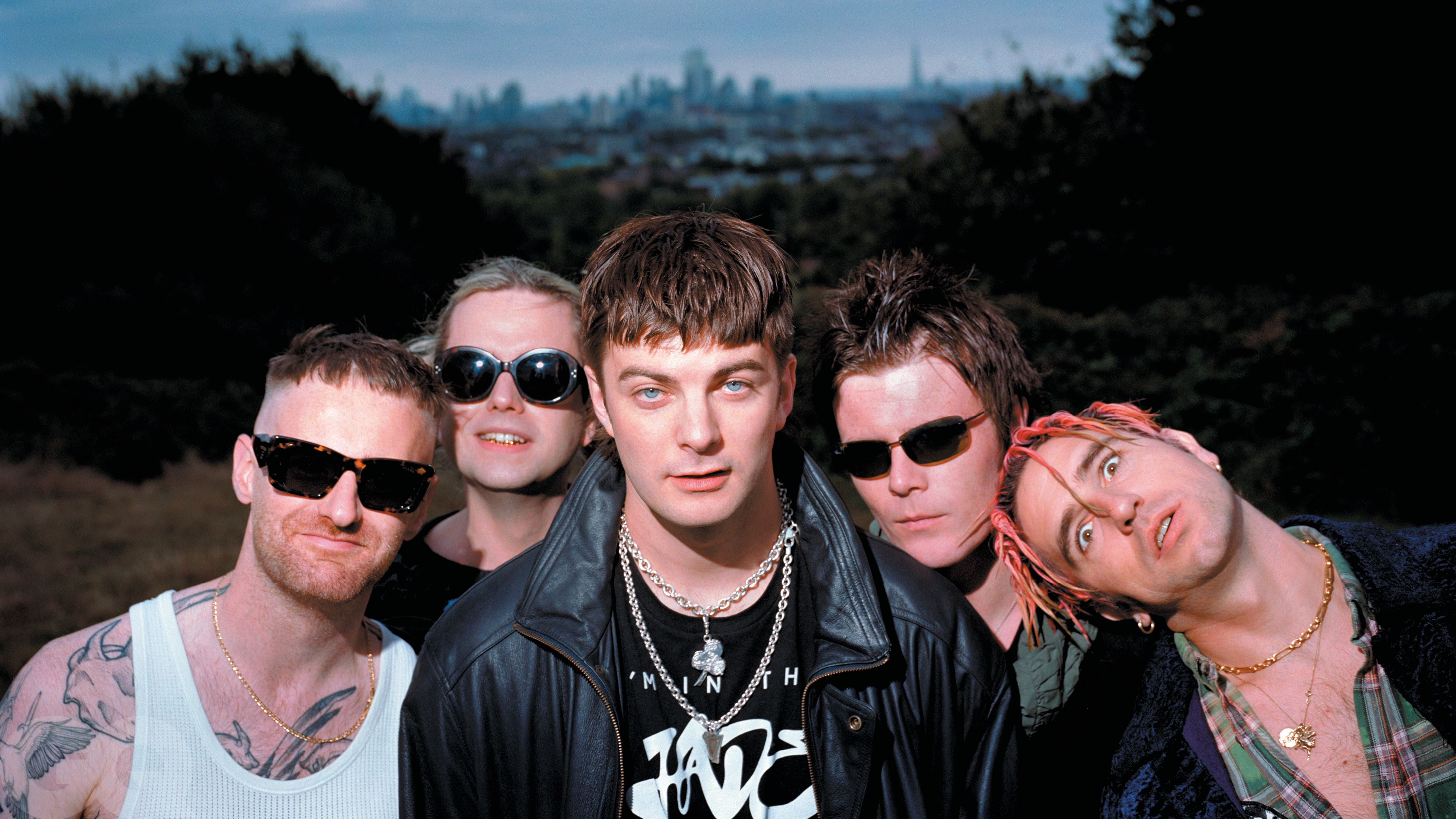
Fontaines D.C. have teamed up with Rosalía for their new collaboration, Where Is Gone?.
The song features on the Irish rock band's forthcoming album, Dopamine Chamber, which arrives on Friday (16.10.26). For guitarist Carlos O’Connell, working with the Spanish superstar is particularly special because of his own Spanish roots.
He explained: “I’ve admired Rosalía ever since her debut album, which I thought was absolutely beautiful.
“What excited me most was the way she continued to preserve Spain's musical traditions, something that felt spiritually connected to what we've been trying to achieve with Irish music. Having roots in both countries, it's been really special to witness. "She's an artist who has continued to amaze me at every point in her career.”
Frontman Grian Chatten has also described the collaboration with Rosalía as one of the most memorable achievements of his career.
He revealed that he felt "humbled" when she agreed to lend her voice to the band's album.
Speaking to NPR, Grian said: “I've always felt there's something almost like a single big idea that I'm personally trying to communicate to the world before I get old and die, if that makes sense. There's one thing I think I'll spend my life trying to express. I have a feeling she has a similar outlook. … I mean, she's an amazing arranger, composer and lyricist. It means so much that she wanted to sing on something we'd put together. It's definitely one of the highlights of my career.”
Rosalía's links to Irish rock music extend beyond Fontaines D.C. She also offered inspiration and helped develop the Spanish lyrics for U2's The Mirror Maker (Rosalía), a track from their forthcoming album, Carnaval de Luz.
During an appearance on The Tonight Show Starring Jimmy Fallon last week, she spoke about frontman Bono, saying: “I don't know him personally, but he sent me a text explaining that he was working on a new project and had written a song called The Mirror Maker."
Rosalía joked that Bono had invented a few words of his own.
She recalled telling him: “I wasn't sure what to make of it, but I told him he could create his own language if he wanted to.”
She described the opportunity to collaborate with the 66 year old music veteran as a real privilege.
She added: “Bono is a legend.
“It's amazing.”
Bono recently revealed that he was worried about seeming like a stalker when he reached out to Rosalía to ask whether he could name the song after her.