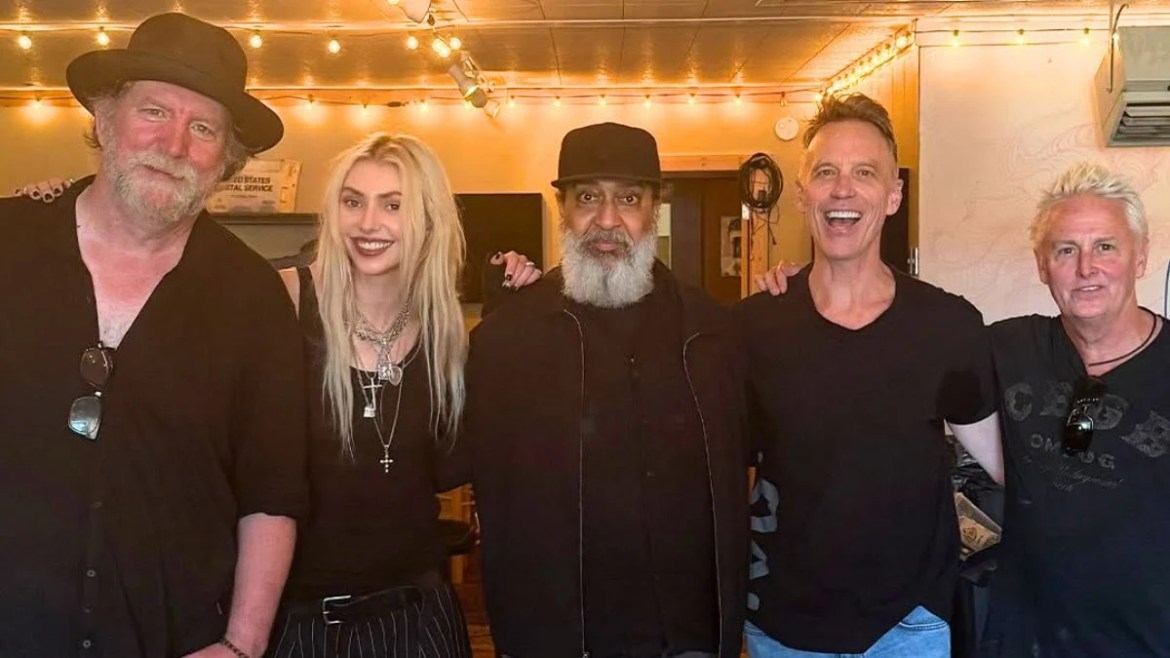
Soundgarden are gearing up for a rare live appearance on September 9.
The Seattle grunge heavyweights have been booked as the halftime act for the Seattle Seahawks’ NFL season opener against the New England Patriots at Lumen Field.
The Black Hole Sun rockers will be joined by Pearl Jam’s Mike McCready on guitar and The Pretty Reckless singer Taylor Momsen is set to handle vocals. The latter has become the band’s unofficial frontwoman in the years since Chris Cornell’s death in 2017.
She led the band during their Rock and Roll Hall of Fame induction last year.
And, in 2019, she joined them for the I Am the Highway tribute concert, performing Rusty Cage, Drawing Flies and Loud Love.
The Taylor-led Soundgarden also performed at the Taylor Hawkins tribute show in 2022.
Taylor has said she'll always be up for the honour of performing in Soundgarden.
She said: “The reality is I’m here for anything they want or need. If they call me, I’m there. It’s that simple.”
The Pretty Reckless were the support act on Soundgarden’s 2017 North American tour. Tragically, Chris took his own life after their Detroit tour stop.
Two years ago, the band performed under the anagram Nudedragons for a Seattle benefit concert, but they were joined by Shaina Shepherd on vocals.
Alongside their return to the stage, Soundgarden are inching closer to releasing their long-awaited album featuring eight unreleased Chris Cornell vocal tracks.
The band recorded material with Chris before his death, and drummer Matt Cameron recently confirmed they’re finally nearing the finish line after years of legal delays and painstaking production work.
He said: “We’re just gonna try to get this thing mixed, get it over the finish line, and then hopefully we’ll have a better idea what’s gonna come next. We’re just taking it one step at a time ’cause it’s been kind of a long process just to get to here.”
Cameron added that Chris' vocals are complete, with guitarist Kim Thayil's additional instrumental pieces still needing to be finished in July.
Bassist Ben Shepherd previously revealed the band were working on the “yet to be named” album, describing the emotional impact of hearing his late bandmate’s voice again:
He wrote on Instagram: “It’s at this point of recording all of our previous albums I’d get this overwhelming hit of awe, camaraderie, power of creativity, majesty even, and love… To hear, as a fan and band member, a song or two Chris brought in a few years ago turn before my very ears and finger blisters into a full blown Soundgarden tune is like feeling a glacier fall away off your chest.”