NEWS

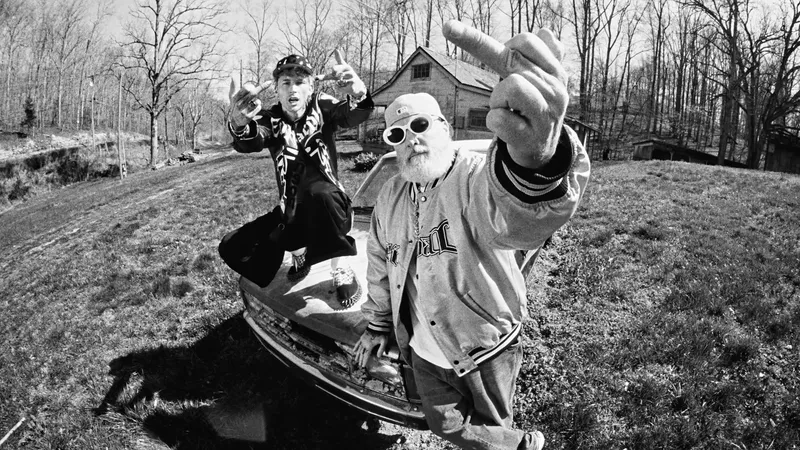
The Offspring resurrect their Orange County punk sound on their first album in nearly a decade, 'Let the Bad Times Roll.'
Daveed Benito*“Oh, baby, let the bad times roll,” the Offspring sing on the title track to their new album, resigning themselves to a world in peril. It’s the stalwart California punk band’s first studio LP in nearly a decade, and their first for Concord after a lengthy run on Capitol, but the label change and the departure of their longtime bassist haven’t blunted the Offspring’s edge. Working with producer Bob Rock (Metallica), they set doom-and-gloom lyrics (as heard on the shrug-emoji title track and the prescient “This Is Not Utopia”) to euphoric melodies for a head-spinning listen that’s on par with their Nineties gems Smash and Ixnay on the Hombre.
While singer Dexter Holland jokingly chalks up the delay between 2012’s Days Go By and Let the Bad Times Roll to laziness, the reality is that Holland has been a busy dude. In 2017, he earned his Ph.D. in molecular biology from USC and has been tracking the Covid-19 pandemic from distinct two viewpoints: as a touring musician eager to get back on the road and as a virus expert.
“I’m really interested in virology and it’s been interesting to watch this unfold. It’s just crazy, with all the effort and all the work and the expertise, how unpredictable the whole thing has been,” says Holland, a licensed pilot who volunteers for medical transport flights and received the Covid vaccine for his service.
We asked Holland about the political allusions on the Offspring’s new album, when he thinks the pandemic may get under control, and, as the creator of his own line of hot sauces, how he’d fare eating wings on Hot Ones.
There are some overt political allusions in the lyrics to “Let the Bad Times Roll,” like “lock her up” and “build a wall.” How does the song resonate when we have a new leader at the helm?
Yeah, well, I know that you’re taking this in a political context, but I honestly don’t think that we’re a political band. I feel like we’re kind of like observers. And although we don’t try to get into politics too much, how could you write about the last few years and not mention what’s been going on? In that song you mention some specific references, but the idea is not that it’s aimed at any particular administration, but at this kind of weird, overarching idea that we have these leaders that, when there’s a problem, they’re not trying to sort it out. They’re trying to exacerbate it and they’re trying to stoke the fire. They’re going to double down. That’s the newest thing: “Double down.” Like, “You don’t like this? Well, this is going to be even worse.” That message was pretty heavy, so we tried to make the chorus almost fun. It’s the idea of, “Whaddya gonna do?” Let the bad times roll. Laugh or you’ll cry.
In “This Is Not Utopia,” you sing, “The rules don’t matter anymore.” Does even a punk band acknowledge that some rules are necessary for society to function after all?
I think Americans would agree, or anyone in the world would agree, that there has to be some order. But I was kind of talking more about the rules of justice and equality — not so much following the law, but the idea that we’re not supposed to fuck each other over. There’s a lot of that going on. I finished that song last April and all the social unrest and rioting hadn’t even happened yet. But I just kind of felt like something was bubbling. I couldn’t quite put my finger on it, but things weren’t feeling good.
The Offspring always sounded like California to me. What’s the secret to that?
It’s interesting you say that, because I’ve had conversations with Bob about that. He said, “The guy who sang ‘Pretty Fly for a White Guy’ sounded very California to me.” Maybe that’s a result of how we grew up, how we sound, and how we talk. The bands that I grew up listening to and admiring were all local bands. I loved the Ramones, the Sex Pistols and all that, but there was something about bands from Orange County that I particularly resonated with. Like the Adolescents and Social Distortion. What made them different is that they were more melodic than the other punk bands. So I always wanted to keep that in mind. One of the earliest rejection letters we got, the guy said something like, “I’m sorry, but you guys are just too melodic for me.” And I thought, “Well, I can live with that rejection.”
Your breakout hit, “Come Out and Play,” was released in 1994 and addressed gun violence. How does it resonate today?
The song was definitely written more geared towards gang violence in particular. But gun violence is absolutely right. That’s what we’re talking about. And unfortunately, it’s still going on. It’s worse than ever and having some real trouble spots. Chicago’s horrible for homicide rates. School shootings have become a terrible recurring tragedy. And I don’t know what the answer is. Just, you know, you’ve got to open the dialogue.
Bands are beginning to announce tours. When do you anticipate the Offspring might return to the road?
I’m hearing inklings of the fall and people seem to think that’s going to stick. Of course, we want to get out there as soon as possible, but we want to do it when it’s decided that it’s safe, as well. I call people all the time, and unfortunately, nobody knows because it’s kind of this arms race for the vaccine versus the variant.
While we’re on the subject: You have a Ph.D. in molecular biology and wrote your thesis on HIV research. There have been reports that the mRNA technology that’s been used in Covid vaccines is showing promising results for a potential HIV vaccine. In layman’s terms, can you explain that for us?
Yeah, it’s looking good right now. We’ve known about messenger RNA for quite a while, and this is kind of a new application of messenger RNA. We used to send dead viruses or inactivated viruses — that’s what you injected so that they wouldn’t cause disease, but they would still stimulate the immune system hopefully in the same way. It’s probably not going to work quite as good as an actual live virus in terms of the immune response, but it’s close enough, which is great.
But what we’re doing with mRNA is we’re sending in the instructions to create that protein that causes the response. It’s a delivery system, right? And they think they can swap out whatever vaccine you want. The mRNA is a platform and you swap in these things like cassettes. “OK, this is a cassette for the coronavirus spike protein, but maybe we can try it with a different virus.” I’ve heard about cancer therapies potentially.
They got the [Covid] vaccine out so quickly because this technology had been largely worked out. They almost had it ready to go. It’s fascinating and it’s exciting, but we’re still at the point where there’s been little side effects here and there, some blood clotting, potentially. You’re going to have to get a lot of data. But for how many shots have been deployed, it seems to be safe and effective. I think it’s really exciting. This is like a whole new technology in vaccination; it’s been a while since anything new like this came about.
So what does your informed scientific opinion tell you: Do you see light at the end of the tunnel in terms of the pandemic?
I think we’re just about around the corner. They’re saying we’re going to have to get to herd immunity to really eradicate this, which is 60 or 70 percent. But I just feel like we’re going to see a big drop-off before we get to that number. Of course, we want to get to 70, 80 percent so we can totally wipe it out. But what happens when you’re at 40 percent? It’s still a lot less people to infect at that point. And hopefully it’ll turn into, we’ll start seeing where these upsurges are just in little pockets. … I would think there’s going to be a pretty dramatic decrease by mid-summer.
You make and sell your own hot sauce. What’s essential for a good sauce?
It’s got to have the right amount of heat, but it’s got to taste good. That’s my mantra. When I made Gringo Bandito, I spent like two years working with people and getting a recipe together. Not too vinegary and it’s got to taste good. The flavors have to dominate, not the heat.
Do you watch Hot Ones, and how do you think you’d fare on that show?
I’d love to be on Hot Ones. We’ve asked. I said, “I don’t have to be a guest. Just let me bring the hot sauce!” But no takers yet. Maybe for this record.“Oh, baby, let the bad times roll,” the Offspring sing on the title track to their new album, resigning themselves to a world in peril. It’s the stalwart California punk band’s first studio LP in nearly a decade, and their first for Concord after a lengthy run on Capitol, but the label change and the departure of their longtime bassist haven’t blunted the Offspring’s edge. Working with producer Bob Rock (Metallica), they set doom-and-gloom lyrics (as heard on the shrug-emoji title track and the prescient “This Is Not Utopia”) to euphoric melodies for a head-spinning listen that’s on par with their Nineties gems Smash and Ixnay on the Hombre.
While singer Dexter Holland jokingly chalks up the delay between 2012’s Days Go By and Let the Bad Times Roll to laziness, the reality is that Holland has been a busy dude. In 2017, he earned his Ph.D. in molecular biology from USC and has been tracking the Covid-19 pandemic from distinct two viewpoints: as a touring musician eager to get back on the road and as a virus expert.
“I’m really interested in virology and it’s been interesting to watch this unfold. It’s just crazy, with all the effort and all the work and the expertise, how unpredictable the whole thing has been,” says Holland, a licensed pilot who volunteers for medical transport flights and received the Covid vaccine for his service.
We asked Holland about the political allusions on the Offspring’s new album, when he thinks the pandemic may get under control, and, as the creator of his own line of hot sauces, how he’d fare eating wings on Hot Ones.
There are some overt political allusions in the lyrics to “Let the Bad Times Roll,” like “lock her up” and “build a wall.” How does the song resonate when we have a new leader at the helm?
Yeah, well, I know that you’re taking this in a political context, but I honestly don’t think that we’re a political band. I feel like we’re kind of like observers. And although we don’t try to get into politics too much, how could you write about the last few years and not mention what’s been going on? In that song you mention some specific references, but the idea is not that it’s aimed at any particular administration, but at this kind of weird, overarching idea that we have these leaders that, when there’s a problem, they’re not trying to sort it out. They’re trying to exacerbate it and they’re trying to stoke the fire. They’re going to double down. That’s the newest thing: “Double down.” Like, “You don’t like this? Well, this is going to be even worse.” That message was pretty heavy, so we tried to make the chorus almost fun. It’s the idea of, “Whaddya gonna do?” Let the bad times roll. Laugh or you’ll cry.
In “This Is Not Utopia,” you sing, “The rules don’t matter anymore.” Does even a punk band acknowledge that some rules are necessary for society to function after all?
I think Americans would agree, or anyone in the world would agree, that there has to be some order. But I was kind of talking more about the rules of justice and equality — not so much following the law, but the idea that we’re not supposed to fuck each other over. There’s a lot of that going on. I finished that song last April and all the social unrest and rioting hadn’t even happened yet. But I just kind of felt like something was bubbling. I couldn’t quite put my finger on it, but things weren’t feeling good.
The Offspring always sounded like California to me. What’s the secret to that?
It’s interesting you say that, because I’ve had conversations with Bob about that. He said, “The guy who sang ‘Pretty Fly for a White Guy’ sounded very California to me.” Maybe that’s a result of how we grew up, how we sound, and how we talk. The bands that I grew up listening to and admiring were all local bands. I loved the Ramones, the Sex Pistols and all that, but there was something about bands from Orange County that I particularly resonated with. Like the Adolescents and Social Distortion. What made them different is that they were more melodic than the other punk bands. So I always wanted to keep that in mind. One of the earliest rejection letters we got, the guy said something like, “I’m sorry, but you guys are just too melodic for me.” And I thought, “Well, I can live with that rejection.”
Your breakout hit, “Come Out and Play,” was released in 1994 and addressed gun violence. How does it resonate today?
The song was definitely written more geared towards gang violence in particular. But gun violence is absolutely right. That’s what we’re talking about. And unfortunately, it’s still going on. It’s worse than ever and having some real trouble spots. Chicago’s horrible for homicide rates. School shootings have become a terrible recurring tragedy. And I don’t know what the answer is. Just, you know, you’ve got to open the dialogue.
Bands are beginning to announce tours. When do you anticipate the Offspring might return to the road?
I’m hearing inklings of the fall and people seem to think that’s going to stick. Of course, we want to get out there as soon as possible, but we want to do it when it’s decided that it’s safe, as well. I call people all the time, and unfortunately, nobody knows because it’s kind of this arms race for the vaccine versus the variant.
While we’re on the subject: You have a Ph.D. in molecular biology and wrote your thesis on HIV research. There have been reports that the mRNA technology that’s been used in Covid vaccines is showing promising results for a potential HIV vaccine. In layman’s terms, can you explain that for us?
Yeah, it’s looking good right now. We’ve known about messenger RNA for quite a while, and this is kind of a new application of messenger RNA. We used to send dead viruses or inactivated viruses — that’s what you injected so that they wouldn’t cause disease, but they would still stimulate the immune system hopefully in the same way. It’s probably not going to work quite as good as an actual live virus in terms of the immune response, but it’s close enough, which is great.
But what we’re doing with mRNA is we’re sending in the instructions to create that protein that causes the response. It’s a delivery system, right? And they think they can swap out whatever vaccine you want. The mRNA is a platform and you swap in these things like cassettes. “OK, this is a cassette for the coronavirus spike protein, but maybe we can try it with a different virus.” I’ve heard about cancer therapies potentially.
They got the [Covid] vaccine out so quickly because this technology had been largely worked out. They almost had it ready to go. It’s fascinating and it’s exciting, but we’re still at the point where there’s been little side effects here and there, some blood clotting, potentially. You’re going to have to get a lot of data. But for how many shots have been deployed, it seems to be safe and effective. I think it’s really exciting. This is like a whole new technology in vaccination; it’s been a while since anything new like this came about.
So what does your informed scientific opinion tell you: Do you see light at the end of the tunnel in terms of the pandemic?
I think we’re just about around the corner. They’re saying we’re going to have to get to herd immunity to really eradicate this, which is 60 or 70 percent. But I just feel like we’re going to see a big drop-off before we get to that number. Of course, we want to get to 70, 80 percent so we can totally wipe it out. But what happens when you’re at 40 percent? It’s still a lot less people to infect at that point. And hopefully it’ll turn into, we’ll start seeing where these upsurges are just in little pockets. … I would think there’s going to be a pretty dramatic decrease by mid-summer.
You make and sell your own hot sauce. What’s essential for a good sauce?
It’s got to have the right amount of heat, but it’s got to taste good. That’s my mantra. When I made Gringo Bandito, I spent like two years working with people and getting a recipe together. Not too vinegary and it’s got to taste good. The flavors have to dominate, not the heat.
Do you watch Hot Ones, and how do you think you’d fare on that show?
I’d love to be on Hot Ones. We’ve asked. I said, “I don’t have to be a guest. Just let me bring the hot sauce!” But no takers yet. Maybe for this record.
NEWS
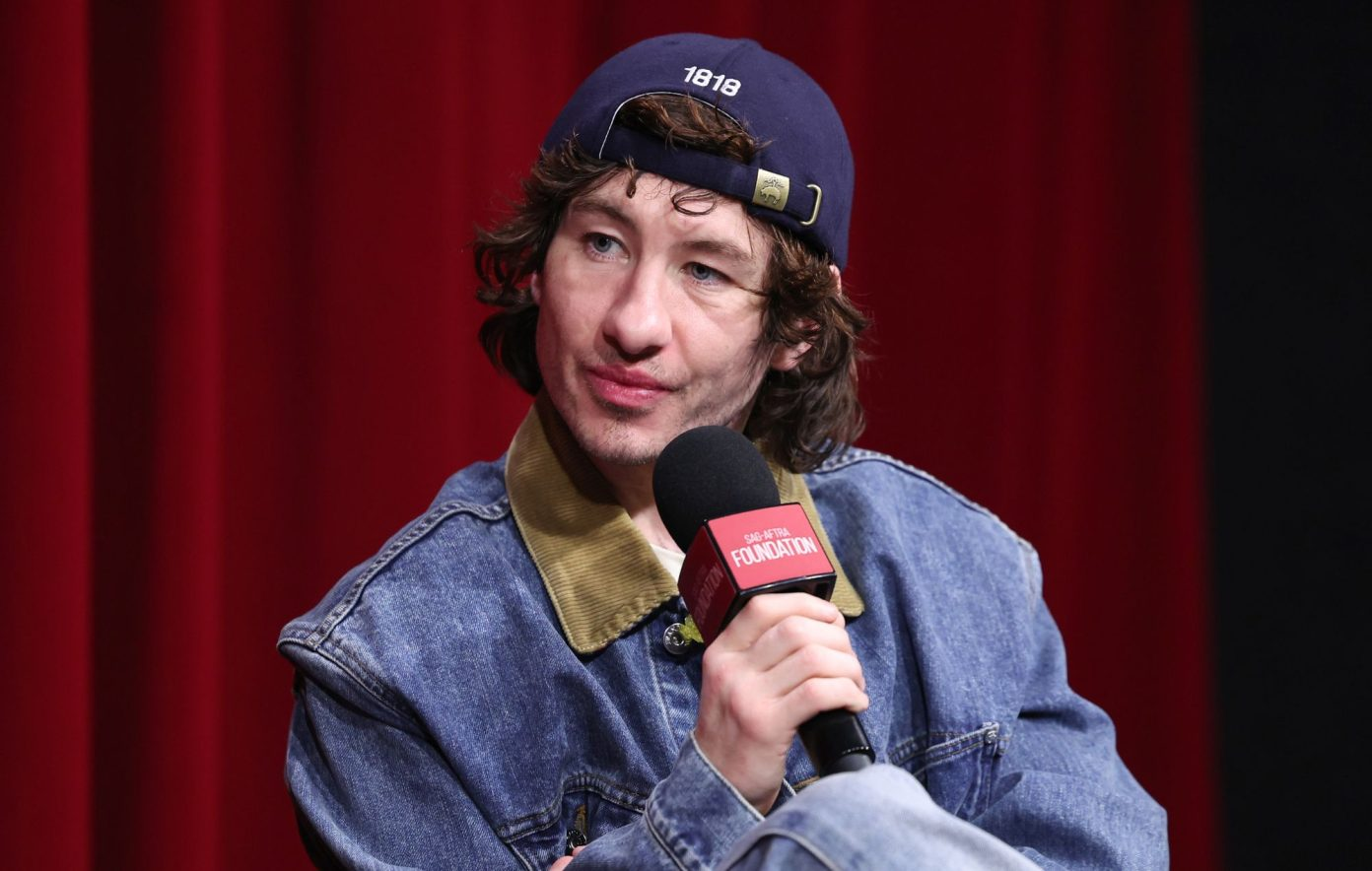
Barry Keoghan has responded to speculation that he was unfaithful to Sabrina Carpenter while they were together, calling the claim “a narrative that’s not true”.
Their relationship first sparked talk in September 2023, before they were seen together publicly for the first time at a Grammys after-party the following February. After that, they appeared side by side at the MET Gala, Carpenter referenced his well-known Saltburn moment during Coachella 2024, and the The Banshees of Inisherin star featured in the video for her popular track ‘Please Please Please’.
Reports later suggested the pair had gone their separate ways in December 2024, with cheating rumours circulating at the same time. The actor then spoke out online about what he described as “disgusting” behaviour from some users, saying his name had “been dragged across the internet”.
Now, following a short break away from the spotlight, he has given a fresh interview where he strongly rejected claims that he had been unfaithful during the relationship.
While speaking with Benny Blanco, Lil Dicky, and Kristin Batalucco on their Friends Keep Secrets video podcast, he described the clips spreading online rumours as “absolutely disgusting and vile”, adding that the situation created what he felt was a “very unfair” environment.
He went on to explain that the situation made him feel like he needed to “disappear”, saying: “I have been avoiding stuff. I came off Instagram and social profiles. I stopped going to events. I’ve stopped just socialising.”
“It’s because there was a narrative out there that was never really even spoken on, a narrative that’s not true, and I never confirmed or said anything about it. I just disappeared,” he added, before one of the hosts asked him to clarify what exactly he was referring to.
“It’s that I cheated. I don’t want to ever bring anyone else into it, but unfortunately, having a relationship in the public eye, it’s we all know this from our own stories it gets put out there,” he replied, without directly mentioning Carpenter by name.
“I don’t want to bring anyone else into it,” he continued. “I’m not asking for people to become my fan and like me, because that’s not normal either, but I’m asking for people to stop assuming and to stop jumping on this narrative, attacking me, and dragging me down in any way you can.”
The 33 year old Oscar nominee shares a three year old son with a previous partner, and has previously been open about a difficult upbringing that included time in foster care. His mother passed away when he was 12 after dealing with addiction.
“[It’s] just absolutely disgusting and vile,” he said, referring to clips he has come across online “involving my parents” and claiming that they “hate him”.
“Because for someone who went through a lot and I’m not saying this for a pity card but why is it cool to hop on and beat somebody who’s come from a lot?,” he said.
“Stuff I’ve seen as a kid and shit that I have to fight every day and do a lot of therapy. I went through addiction myself and I am in sobriety and battle all of that. To then want to drag that person…”
The actor also appeared to touch on how Carpenter referenced their breakup on her seventh studio album ‘Man’s Best Friend’. The lead single ‘Manchild’, for instance, includes lyrics about unreliable men, which led some listeners to assume it was aimed at Keoghan.
She later addressed the reaction during a conversation with Gayle King on CBS Mornings last September, acknowledging that her music had contributed to him receiving “a lot of backlash”, but adding that she believes “most of the time, past boyfriends been pretty flattered when they get a song written about them, good or bad.”
Referring again to the speculation linked to ‘Man’s Best Friend’, Keoghan said that “a girl made a video” discussing their relationship, but later posted another clip saying “Sorry for making that up”, although he pointed out that “no one seemed to latch onto” that follow up.
Alongside the Friends Keep Secrets appearance, Keoghan has previously urged for more understanding online, and shared on The Louis Theroux Podcast that he has been hurt by accusations suggesting he is not present as a father.
He later reinforced that message in a post, writing: “Each and every day I work harder to push myself on every level to be the healthiest and strongest person for that boy I need you to remember he has to read ALL of this about his father when he is older. Please be respectful to all.”
More recently, he revealed that comments targeting his looks have made him feel reluctant to leave the house.
The actor is widely recognised for his performances in Saltburn, The Banshees of Inisherin, and the upcoming Peaky Blinders film. He is also set to portray Ringo Starr in a forthcoming four part biopic series about The Beatles, appearing alongside Harris Dickinson as John Lennon, Paul Mescal as Paul McCartney, and Joseph Quinn as George Harrison.