NEWS
There is no question that Clipse’s Let God Sort Em Out made a serious impact and continues to hold weight. The project showed that hip hop is not limited by age and proved that a long-awaited return can still land in a major way regardless of the time away.
If you need a reminder, the Virginia duo’s fourth studio album debuted comfortably within the top five of the Hot 200. It secured the number four position and moved an impressive 118,000 units in its first week.
On top of that, it picked up a win at this year’s Grammys, earning Best Rap Performance for “Chains & Whips.” The album also received four additional nominations, including Best Music Video, Rap Album, and Album of the Year.
It is hard to believe the project will officially hit its one year mark this summer on July 11. Even so, Pusha T is making it clear that both supporters and critics should not be overlooking it anytime soon.
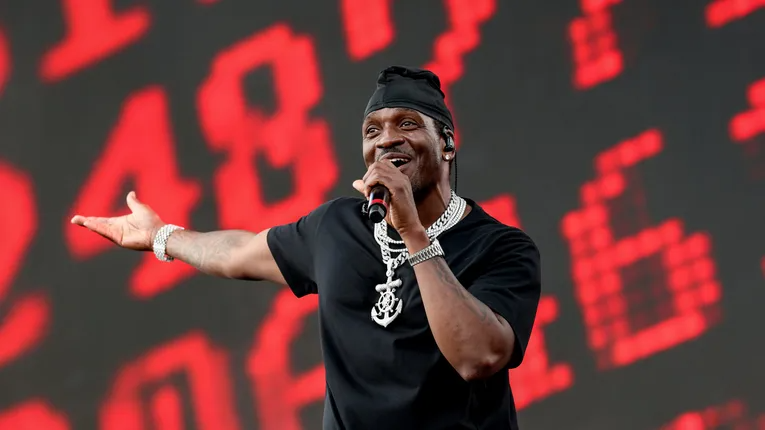
While performing at Coachella yesterday, King Push told the crowd that LGSEO still sits at the top, regardless of genre.
He said, “‘Let God Sort Em Out’ is still the album of the motherfckin year. Whole new year, still album of the year,” per Kurrco. “Album of the motherfcking year until we drop again. We don't care who dropping. It don't matter.”
That is a strong statement for obvious reasons, especially considering the recent claims surrounding Push himself.
Over the same weekend, hip hop social media lit up after several alleged reference tracks connected to Quentin Miller and Push began circulating. Three tracks surfaced in total, but one that drew the most attention was an alleged record titled “Real Gon’ Come.” It is said to come from the DAYTONA era, around 2017 to 2018.
The situation gained traction because fans remember the past tension between Drake and Pusha T before Drake’s clash with Kendrick Lamar. During that feud, Pusha accused Drake of using ghostwriters on tracks like “Infrared,” which appears on DAYTONA. On that song, he raps, “The bigger question is how the Russians did it /
It was written like Nas, but it came from Quentin.”
Reactions have been mixed. Some people argue it is not a major issue since Miller’s alleged contributions were limited to hooks. Others point out that the songs were never officially released, so they see no real problem. Meanwhile, critics view it as clear hypocrisy on Pusha T’s part, a perspective that DJ Akademiks has also supported.
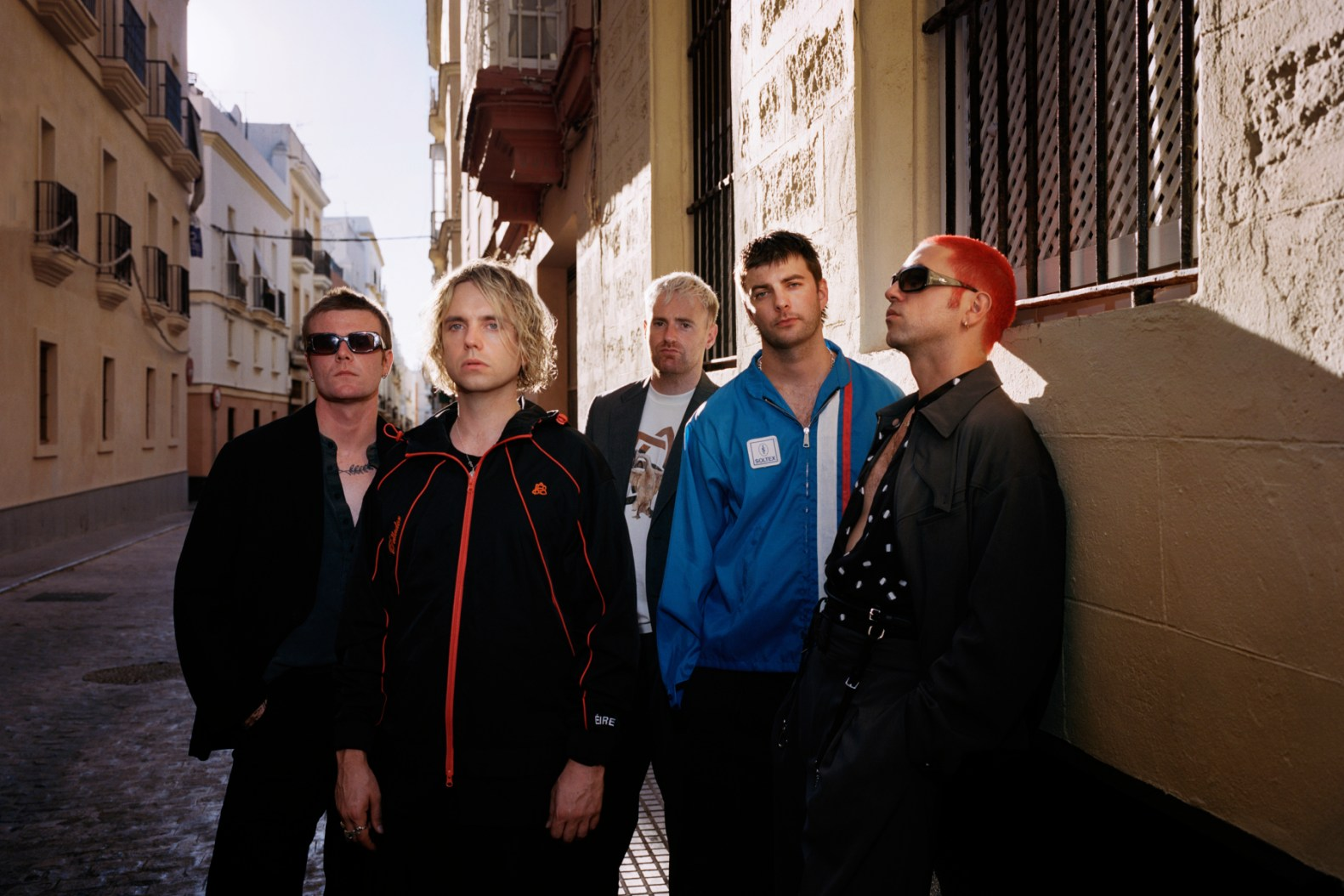
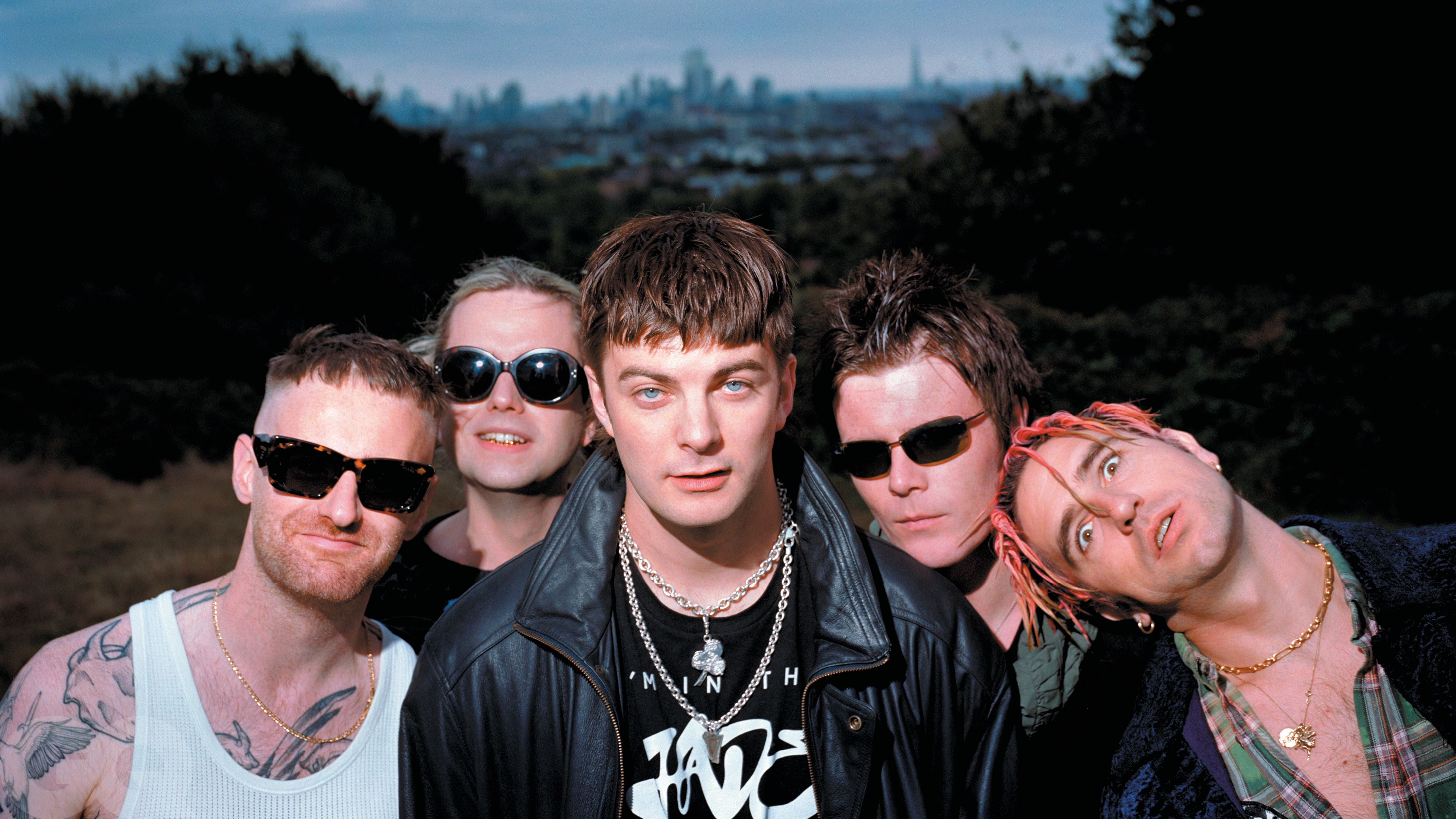
Fontaines D.C. have teamed up with Rosalía for their new collaboration, Where Is Gone?.
The song features on the Irish rock band's forthcoming album, Dopamine Chamber, which arrives on Friday (16.10.26). For guitarist Carlos O’Connell, working with the Spanish superstar is particularly special because of his own Spanish roots.
He explained: “I’ve admired Rosalía ever since her debut album, which I thought was absolutely beautiful.
“What excited me most was the way she continued to preserve Spain's musical traditions, something that felt spiritually connected to what we've been trying to achieve with Irish music. Having roots in both countries, it's been really special to witness. "She's an artist who has continued to amaze me at every point in her career.”
Frontman Grian Chatten has also described the collaboration with Rosalía as one of the most memorable achievements of his career.
He revealed that he felt "humbled" when she agreed to lend her voice to the band's album.
Speaking to NPR, Grian said: “I've always felt there's something almost like a single big idea that I'm personally trying to communicate to the world before I get old and die, if that makes sense. There's one thing I think I'll spend my life trying to express. I have a feeling she has a similar outlook. … I mean, she's an amazing arranger, composer and lyricist. It means so much that she wanted to sing on something we'd put together. It's definitely one of the highlights of my career.”
Rosalía's links to Irish rock music extend beyond Fontaines D.C. She also offered inspiration and helped develop the Spanish lyrics for U2's The Mirror Maker (Rosalía), a track from their forthcoming album, Carnaval de Luz.
During an appearance on The Tonight Show Starring Jimmy Fallon last week, she spoke about frontman Bono, saying: “I don't know him personally, but he sent me a text explaining that he was working on a new project and had written a song called The Mirror Maker."
Rosalía joked that Bono had invented a few words of his own.
She recalled telling him: “I wasn't sure what to make of it, but I told him he could create his own language if he wanted to.”
She described the opportunity to collaborate with the 66 year old music veteran as a real privilege.
She added: “Bono is a legend.
“It's amazing.”
Bono recently revealed that he was worried about seeming like a stalker when he reached out to Rosalía to ask whether he could name the song after her.