NEWS
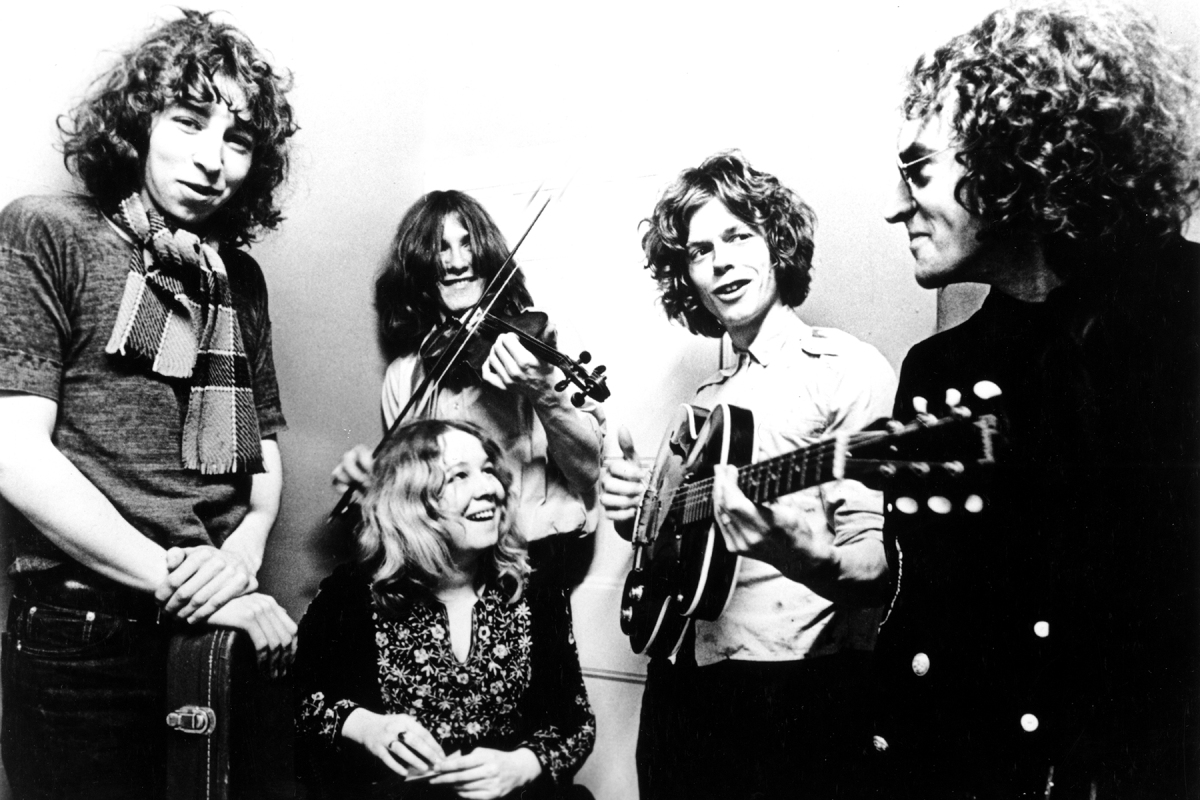
Fairport Convention in 1969.
Michael Ochs Archives/Getty ImagesIn the spring of 1969, Fairport Convention had every reason to be hopeful. Dubbed the British version of Jefferson Airplane, Fairport boasted a lineup that included a brilliant, husky-voiced lead singer, Sandy Denny, and a guitarist, Richard Thompson, who was beginning to blossom into one of his country’s finest and often gloomiest songwriters. The band, which also included guitarist Simon Nichol, drummer Martin Lamble and bassist Ashley Hutchings, had just completed its third album, Unhalfbricking; among its tracks were Denny’s soon-to-be standard “Who Knows Where the Time Goes?”, several Bob Dylan covers from his Basement Tapes era, and Thompson originals like “Autopsy” and “Genesis Hall.” The music fused rock and roll with age-old British traditional music, sounding like nothing that had come before.
All that forward momentum halted, as least temporarily, one night in northern England. The band had just performed a show and were on their way home, with Thompson’s American girlfriend Jeannie Franklyn joining them. In this excerpt from Thompson’s Beeswing: Losing My Way and Finding My Voice 1967-1975 (Algonquin Books, April 6th), Thompson writes about that harrowing ride — the worst nightmare for any touring band, including Fairport Convention in 1969.
Life seemed good, and things were going well with Fairport. Our new album was due out soon, and the word was that we would tour America for the first time later that year. On May 11th, Jeannie came with the band to one of our regular haunts, Mothers in Birmingham, a club we played every couple of months. We shared the bill that night with Eclection, another folk rock band with a female singer, Kerrilee Male. Sandy’s boyfriend Trevor Lucas was also in Eclection. Like Kerry, he had come to the UK from Australia. He stood out in a crowd, being tall with a mass of red hair, and he was a fine singer of traditional British and Australian songs. The show went well, with both bands getting a good reception. Sandy rode back to London with Trevor, while the rest of us piled into the Transit van and headed south down the A6 to the M1.
As we neared the end of the motorway, it was starting to get light. Nearly dawn … nearly home. The post-gig euphoria had worn off, and we were tired now. I was sitting in the front middle seat, with Jeannie next to me and Ashley and Martin behind us. Simon was suffering from a migraine and was stretched out on top of the equipment in the back of the van, trying to sleep it off. Harvey was at the wheel next to me. He had been ill with a stomach ulcer for weeks, which had been badly affecting his sleep.
Approaching the last service station at the end of the M1, it was quiet in the van. Everyone was asleep, but being in the most uncomfortable seat, with nowhere to lean, I was struggling to nod off. We were doing a steady seventy miles per hour when I noticed that the van was moving slowly to the right, towards the central reservation [The British term for median]. This was before motorways had crash barriers, so there was nothing to stop us drifting right into oncoming traffic. Nothing except a large pole, that is, which we were careering towards and would hit in about two seconds. I looked over at Harvey, and saw that his eyes were closed. I grabbed the wheel and pulled it hard to avoid the pole, but it was a drastic change of direction and the van’s wheels came off the road. Harvey woke up and tried to correct the steering, but it was too late. We began to roll to the left, and as we spiralled into a long tunnel, all I could silently scream to myself was “NO, NO, NO—THIS IS NOT HAPPENING.”
After a few seconds I was battered into unconsciousness. I felt as though I was floating somewhere high above the scene, and then with a whooshing sound I hurtled suddenly back into my body. I was lying propped up on my elbows, staring at the grass and mud on the embankment next to the motorway. I was finding it hard to breathe, and was almost blinded by the pain in my head. I looked around and saw Jeannie lying a few yards away, upside down, where the embankment sloped down from the road towards a golf course. I slowly crawled over to her. She was unconscious, but frowning, as if she was struggling to remember someone’s name but it was on the tip of her tongue. There were small trickles of blood coming from her nose and in the corner of her mouth.
Otherwise, she looked like she was sleeping peacefully. I felt for a pulse. It was hammering incredibly fast. This did not seem like a good sign. I took a wider look at the scene. Simon had walked up to the road and was flagging down a passing car. Harvey had been flung what seemed a huge distance onto the golf course, and was crying out in pain. Ashley and Martin were out of my line of vision. The van looked as though a thoughtless giant had stepped on it. It must have rolled many times and landed the right way up, squashed like a bug. There were instruments and amps scattered far and wide.

I drifted out of consciousness for a few minutes. An ambulance arrived and paramedics began to help the wounded. I went over to Jeannie again. She looked unchanged, but this time I couldn’t find her pulse. I checked every place I knew a pulse should be. I went over to the ambulance.
“There’s one over here,” I said. “I think her heart has stopped beating.”
“We’re on it,” they said. “How are you?”
“I can’t breathe,” I said.
They felt around my torso. “You’ve broken your ribs, son,” they said. “Get in the ambulance.”
There was blood dripping from my arm onto the ambulance floor. They put a dressing over it. I have no memory of the ambulance ride. I remember a hospital room, a nurse stitching up my arm in a couple of places. A doctor came in.
“That’s your girlfriend?” he asked. I nodded.
“I’m afraid she didn’t make it. Internal damage.” I started saying the word “NO” quietly to myself, over and over.
“And the other lad — I think he was the drummer? He didn’t make it either.” The word “NO” was getting louder, and I was shaking my head. “If he’d survived, he would have been crippled for life. He had severe internal injuries.”
The word “NO” was now a scream, and I couldn’t help it. They gave me an injection, and the hospital receded and echoed, turned grey and then black, and the pain stopped. When I woke up, I was in a ward of four beds, with Harvey in the bed diagonally opposite me. If I tried to sit up, the room spun around. My ribs didn’t feel as bad, but I must have been on painkillers. I was unconscious most of the time. Harvey’s leg was in plaster and raised up. I didn’t know what other injuries he had sustained, but he looked bad.
On the second day, Ashley wandered in from another ward. His face was cut, swollen and bruised. He asked me if I had any news of Martin. I couldn’t believe that they hadn’t told him. I couldn’t bear to tell him, so I just said that we had to prepare for the worst. That seemed to be as good as telling him, anyway, and he let out a cry of anguish and walked back to his ward.
There were visitors, but I was not all there. Did my parents come? My sister? I have no idea. I remember the Social Deviants, a band we had shared many a stage with, being upbeat and cheerful — bless them for that. Sandy came in and fainted — not very good for an ex-nurse — and had to be treated herself. The Beatles and the Stones both sent flowers, which impressed the nurses. I was being kept in mainly because of concussion. My ribs weren’t strapped up — they would heal by themselves.
After about five days in the hospital, my parents came to pick me up. I had hardly seen them since leaving home, and it felt strange to be driving with them in these circumstances. They wanted to take me home for a few days, but I got them to drop me at the flat in Brent — I couldn’t deal with questions. Simon was back at the flat, and he was probably the best person to be around — steady, sensible and had survived the same horror, so we each understood what the other was going through. We were all in deep shock. I found it hard to concentrate on anything for more than a few minutes, and when I tried to write something to articulate my feelings, I didn’t recognize my handwriting — it seemed to belong to someone else. As a result, I stopped writing longhand and went back to printing, slowly and deliberately. We talked a little about the future of the band, which had been the focus of our lives for the last two years. When Ashley got out of hospital, the three of us went over to Sandy’s flat and had what I suppose was a band meeting. What would we do now?
The cost of being musicians on the road was too high. As a band we were not really into drugs or hell-bent on self-destruction — maybe that would get us later, as the lifestyle became tedious or if we started to believe our own press. Just being on the road was dangerous, and if you threw in planes and helicopters, there were so many ways we could be cut down in our prime. But it wasn’t as if we were accomplished in other fields and could walk into safer jobs. We were basically not very good at anything apart from being a band. We had to go on — for the memory of Martin and Jeannie, if nothing else.
However, we knew things would have to change. We didn’t want to play the songs that we’d played with Martin — it would be too painful. We decided that maybe this was the time for a new project. We had been moving towards the British tradition — perhaps now we should embrace it fully and make an album of traditional songs played with bass, drums and electric instruments.
When Martin died, he was aged just nineteen. How do you measure a life that short? Perhaps by the effect he had on others, how much he endeared himself to all who knew him and how people still enjoy his recorded legacy. I never saw a negative side to Martin; he had a sweet nature, fitted instantly into Fairport and had developed quickly as a drummer. His hero and role model was probably Jim Capaldi — Jim had a fine sense of swing in everything he did, and Martin aimed for the same. Those tips John Wood had given him were paying off, and his drum sound on What We Did on Our Holidays and Unhalfbricking was stellar.
It is hard to list all the “what-ifs,” but Martin was a special human being, a special musician and someone I have remembered fondly my whole life. His funeral, at Golders Green Crematorium, was tough to get through. I sat with his girlfriend Helen, and when they played “I’ll Keep It with Mine” from our previous album, we cried our hearts out, as did most of the congregation.
My relationship with Jeannie had probably been heading nowhere. I had known her for barely two weeks when she died, and I’m not sure I could have let her run our lives much longer. She was a talented designer and an extraordinary person, and her death froze our romance in midstream, so for a while it seemed more important than it really was. It was easy to idealize it, because it had no end. Joe was given the task of sending Jeannie’s luggage back to her family in the States, and he asked me if I wanted the photographs of her that she’d had with her, head shots and fashion shots. I kept them for a while, but couldn’t look at them.
So the band would carry on. [Fiddler] Dave Swarbrick would join us, we hoped, and we would hold auditions for Martin’s replacement. By throwing ourselves into a new project, we would distract ourselves from grief and numb the pain of our loss. In 1969, no one thought of counseling or therapy. With British fortitude you soldiered on. We were too fragile; to think beyond fumbling forward while leaning on each other for support would have destroyed us.
Harvey recovered following the accident and was still our road manager, at least in theory. He drove us just once more after that. He seemed to think that confrontation therapy would help us all get over the accident, but our nerves were shot and our confidence in him was broken. We had to let him go, and he had to face trial for causing death by dangerous driving. We all gave evidence at the committal proceedings. The last thing I wanted was to see Harvey in prison, but I was having a hard time distinguishing reality from fantasy at that point, and was useless as a witness. Harvey received a six-month prison sentence, and I saw him only briefly after that.
Life seemed good, and things were going well with Fairport. Our new album was due out soon, and the word was that we would tour America for the first time later that year. On May 11th, Jeannie came with the band to one of our regular haunts, Mothers in Birmingham, a club we played every couple of months. We shared the bill that night with Eclection, another folk rock band with a female singer, Kerrilee Male. Sandy’s boyfriend Trevor Lucas was also in Eclection. Like Kerry, he had come to the UK from Australia. He stood out in a crowd, being tall with a mass of red hair, and he was a fine singer of traditional British and Australian songs. The show went well, with both bands getting a good reception. Sandy rode back to London with Trevor, while the rest of us piled into the Transit van and headed south down the A6 to the M1.
As we neared the end of the motorway, it was starting to get light. Nearly dawn … nearly home. The post-gig euphoria had worn off, and we were tired now. I was sitting in the front middle seat, with Jeannie next to me and Ashley and Martin behind us. Simon was suffering from a migraine and was stretched out on top of the equipment in the back of the van, trying to sleep it off. Harvey was at the wheel next to me. He had been ill with a stomach ulcer for weeks, which had been badly affecting his sleep.
Approaching the last service station at the end of the M1, it was quiet in the van. Everyone was asleep, but being in the most uncomfortable seat, with nowhere to lean, I was struggling to nod off. We were doing a steady seventy miles per hour when I noticed that the van was moving slowly to the right, towards the central reservation [The British term for median]. This was before motorways had crash barriers, so there was nothing to stop us drifting right into oncoming traffic. Nothing except a large pole, that is, which we were careering towards and would hit in about two seconds. I looked over at Harvey, and saw that his eyes were closed. I grabbed the wheel and pulled it hard to avoid the pole, but it was a drastic change of direction and the van’s wheels came off the road. Harvey woke up and tried to correct the steering, but it was too late. We began to roll to the left, and as we spiralled into a long tunnel, all I could silently scream to myself was “NO, NO, NO—THIS IS NOT HAPPENING.”
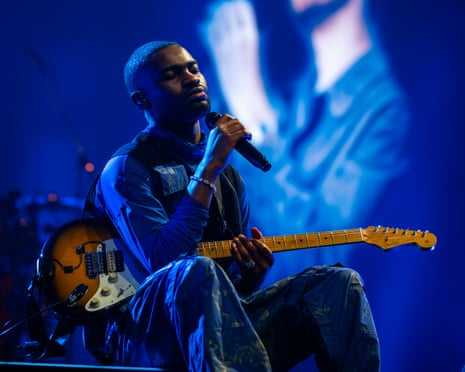
Dave, Olivia Dean, RAYE and Jim Legxacy are some of the biggest names in the running for this year’s Urban Music Awards.
Now in its 24th year, the ceremony is heading back to London on December 15 to recognise talent from across the UK and the international urban music scene.
With ten nominations, Dave has earned more nods than any other artist this year. His nominations include Artist of the Year (UK) and Best Album for The Boy Who Played the Harp, while his Tems collaboration ‘Raindance’ is competing in three categories. Olivia Dean, RAYE and Jim Legxacy have each received eight nominations. Skepta is close behind with seven, with ‘Victory Lap’, his track alongside Fred again.. and PlaqueBoyMax, also earning recognition.
Central Cee, Dave, Finn Askew, FLO, J Hus, Jim Legxacy, Lola Young, Nemzzz, Odeal, Olivia Dean, PinkPantheress, RAYE, Scorcher and Skepta are all competing for Artist of the Year (UK). The Best Album shortlist features Central Cee’s Cant Rush Greatness, Little Simz’s Lotus, RAYE’s This Music May Contain Hope, Olivia Dean’s The Art of Loving and FLO’s Access All Areas. Meanwhile, Ezra Collective, D Block Europe, NSG, SAULT and FLO are competing for Best Group.
The ceremony is also giving more attention to music from around the world, with awards recognising artists from the USA, Africa, the Caribbean, France, Asia and South America. Kendrick Lamar, SZA, Doechii, Burna Boy, Wizkid, Tems, Tyla, Vybz Kartel, Aya Nakamura, Diljit Dosanjh, Bad Bunny and Karol G are among the international names nominated.
Speaking about this year’s nominations, Cressida Oppenheimer, Vice President of the Urban Music Awards, said: “For 24 years, the Urban Music Awards have championed the artists, producers, DJs and creators who drive our culture forward. This year's nominees show just how strong, diverse and global urban music has become. Now it's over to the fans: get voting, and we'll see you on 15 December for a night of elegance, fashion, performances and the biggest celebration of the year.”
Fans can cast their votes at urbanmusicawards.org/voting. Tickets and VIP tables can also be purchased through the awards’ official website, with the evening featuring a red carpet, live performances, the award presentations and an official afterparty. Viewers will be able to watch the celebration live on Channel One TV.
The 2026 Urban Music Awards nominations:
Artist of the Year (UK)
Central Cee
Dave
Finn Askew
FLO
J Hus
Jim Legxacy
Lola Young
Nemzzz
Odeal
Olivia Dean
PinkPantheress
RAYE
Scorcher
Skepta
Best Male Act
Aitch
Central Cee
Dave
Donaeo
Elmiene
Fuse ODG
Jim Legxacy
Kojey Radical
Myles Smith
Nemzzz
Odeal
Sampha
Scorcher
Skepta
Best Female Act
Cleo Sol
FLO
JADE
Jorja Smith
kwn
Little Simz
Lola Young
Mahalia
Nia Smith
Olivia Dean
PinkPantheress
Rachel Chinouriri
RAYE
Sasha Keable
Shae Universe
Sonna Rele
Tamera
Best Newcomer
Chy Cartier
CRISTALE
DC3
EsDeeKid
Finessekid
Finn Askew
Jim Legxacy
kwn
LeoStayTrill
Namesbliss
Nectar Woode
Nia Smith
Nippa
Olympia Vitalis
Owen Saward
Sekou
Skye Newman
YT
Best Group
D Block Europe
Ezra Collective
FLO
House Gospel Choir
NSG
SAULT
Sol and The Gang
STXRM Collective
WSTRN
Best Album
Central Cee – Cant Rush Greatness
DAMEDAME – Dreams on the Passenger Seat
Dave – The Boy Who Played the Harp
FLO – Access All Areas
Griminal – Grimace
Kojey Radical – Dont Look Down
Little Simz – Lotus
Nia Archives – Emotional Junglist
Olivia Dean – The Art of Loving
RAYE – This Music May Contain Hope
Best Single
AJ Tracey feat. Jorja Smith – Crush
Akelle and Dexta Daps – Tink Bout It
Bugzy Malone – Tears
Dappy feat. Renaya – Straight Facts 2 Remix
Dave and Tems – Raindance
Dionne Bromfield – Greenlight
Donaeo feat. Omar, Lemar and House Gospel Choir – Nights Like This
Durrty Goodz – Fight For England
Finn Askew – Music All Over Her Body
Fred again.., Skepta and PlaqueBoyMax – Victory Lap
Fuse ODG – 54 Countries
kwn – Do What I Say
Kyla x Moliy – Do You Mind Remix
Mr Eazi feat. Moliy – Comfort
Nippa feat. Blxst – Homegrown
Olivia Dean – Man I Need
Owen Saward, ANGEL and WSTRN – Not Mine OWA Remix
Papoose – Jezebel
RAYE – Where Is My Husband!
Stormzy and Odeal – 24 Hours
Best Collaboration
Akelle and Dexta Daps – Tink Bout It
Ama Louise and Wilfy D – Love Or War
Ayo Beatz and DJ Ironik – Lil Bit
Clean Bandit, Chloe and Omah Lay – Company
Coki and Durrty Goodz – We Nah Business
Dave and Tems – Raindance
Deyah and Mercston – Switch
Donaeo feat. Omar, Lemar and House Gospel Choir – Nights Like This
Fred again.., Skepta and PlaqueBoyMax – Victory Lap
Jim Legxacy and Dave – 3X
Kyla x Moliy – Do You Mind Remix
Lioness feat. Queenie – Savage 4 Who
Nippa feat. Blxst – Homegrown
Sam Fender feat. Olivia Dean – Rein Me In
Stormzy and Odeal – 24 Hours
Tamera feat. Aitch – Undeniable
Tinie Tempah and Daecolm – Living Life
Yourboywonder and Stylo G – Keep It Sweet
Best Music Video
Akelle and Dexta Daps – Tink Bout It
Ayo Beatz and DJ Ironik – Lil Bit
Casper Walsh – Hustler Boogie
Dave and Tems – Raindance
Donaeo, Omar, Lemar and House Gospel Choir – Nights Like This
Dopebwoy and AJ Tracey – Stupid Move It
DJ MAC, MDot R and George P feat. CrashDummy – Confessions
Durrty Goodz – Fight For England
FKA twigs – Eusexua
Jim Legxacy – Father
Lioness feat. Queenie – Savage 4 Who
Little Simz feat. Obongjayar and Moonchild Sanelly – Flood
Olympia Vitalis – Painted Smiles
PinkPantheress – Illegal
Pozer – Shanghai Noon
RAYE – Where Is My Husband!
Best Live Act / Performance
Dave
FLO
J Hus
Jorja Smith
Kojey Radical
Little Simz
Olivia Dean
Oritse Williams
RAYE
Sampha
Skepta
Best Singer / Songwriter
Elmiene
Jorja Smith
Lola Young
Michael Kiwanuka
Myles Smith
Odeal
Olivia Dean
RAYE
Sampha
Sasha Keable
Best Producer
Fred again..
Inflo
JAE5
Knucks
M1OnTheBeat
P2J
PinkPantheress
Sammy Virji
Steel Banglez
TSB
Best DJ
Charlie Sloth
Conducta
DJ AG
DJ Ironik
DJ Maximum
DJ Semtex
DJ Target
Jamz Supernova
Kenny Allstar
Larizzle
Mak 10
Sammy Virji
Sherelle
Genre Awards
Best Hip Hop Act
Aitch
Ceebo
Central Cee
D Block Europe
Dave
Jim Legxacy
Knucks
Kojey Radical
Little Simz
Loyle Carner
Nemzzz
Youngs Teflon
Best R and B / Soul Act
Elmiene
Jim Legxacy
Jorja Smith
kwn
Mabel
Nectar Woode
Nia Smith
Nippa
Odeal
Olympia Vitalis
Owen Saward
Sampha
SAULT
Sasha Keable
Shae Universe
Best Grime Act
Chip
D Double E
Durrty Goodz
Griminal
Jayahadadream
JME
Kano
Kasst 8
Scorcher
Skepta
Wiley
Best Drill Act
36
Booter Bee
Chy Cartier
Digga D
EsDeeKid
Headie One
K Trap
LeoStayTrill
Nemzzz
Pozer
Twin S
Wohdee
Best Afrobeats Act
Asake
Ayra Starr
Burna Boy
Davido
Moliy
Mr Eazi
Rema
Shallipopi
Tems
Tiwa Savage
Wizkid
Best Reggae / Dancehall Act
Koffee
Lila Ike
Masicka
Popcaan
Protoje
Shenseea
Skillibeng
Spice
Vybz Kartel
Yung Bredda
Best Jazz Act
Blue Lab Beats
Chelsea Carmichael
Kokoroko
Moses Boyd
Nubya Garcia
Shabaka
Yussef Dayes
Best Gospel Act
Aaron Cole
CalledOut Music
DC3
Faith Child
Limoblaze
Rachel Kerr
Triple O
Volney Morgan and New Ye
Yourboywonder
International Awards
Artist of the Year (USA)
Cardi B
Clipse
Doechii
Kehlani
Kendrick Lamar
Leon Thomas
Mariah the Scientist
Papoose
SZA
Tyler, The Creator
Artist of the Year (Africa)
Abigail Chams
Ayra Starr
Black Sherif
Burna Boy
Davido
Diamond Platnumz
Fally Ipupa
Fuse ODG
Moliy
Mr Eazi
Rema
Tems
Wizkid
Artist of the Year (Caribbean)
Amanda Reifer
Armanii
Kes
Koffee
Machel Montano
Masicka
Popcaan
Shenseea
Skillibeng
Spice
Vybz Kartel
Artist of the Year (France)
Aya Nakamura
Dadju
Franglish
Gazo
Gims
Hamza
JADE
Ninho
SDM
Tayc
Tiakola
Artist of the Year (Asia)
AP Dhillon
Diljit Dosanjh
DIVINE
Hanumankind
Jackson Wang
Jay Park
Karan Aujla
KEI
Keshi
Artist of the Year (South America)
Anitta
Bizarrap
Blessd
Emilia
Feid
J Balvin
Karol G
Nicki Nicole
Ryan Castro
Trueno
Best International Act
Ayra Starr
Bad Bunny
Dina Ayada
Doechii
Kehlani
Kendrick Lamar
Leon Thomas
Papoose
Sarah Black
Shenseea
SZA
Tems
Tyla
Vybz Kartel
Culture, Media and Digital
Best Entertainer
Big Zuu
Boris Becker
Chunkz
Harry Pinero
KSI
Munya Chawawa
Niko Omilana
ShxtsNGigs
Sol and The Gang
Stephen Sarpong
Zoe Baptiste
Best Podcast
3 Shots of Tequila
90s Baby Show
Cocktails and Takeaways
HC Pod
No Behaviour Podcast
Saving Grace
ShxtsNGigs
The Day After TNB
The Diary of a CEO
The Receipts Podcast
Best Radio Show
DJ Target – DJ Target, BBC Radio 1Xtra
Kenny Allstar – Radio 1s Rap Show, BBC Radio 1 and BBC Radio 1Xtra
Chuckie – 1Xtras R and B Show, BBC Radio 1Xtra
DJ Edu – 1Xtras AfroSounds Show, BBC Radio 1Xtra
Seani B – 1Xtras Dancehall Show, BBC Radio 1Xtra
Remi Burgz – Remi Burgz, BBC Radio 1Xtra
Robert Bruce and Shayna Marie – Capital XTRA Breakfast, Capital XTRA
DJ Semtex – DJ Semtex, Capital XTRA
Manny Norte – The Norte Show, Capital XTRA
Ras Kwame – Reggae Recipe, Capital XTRA
Ace – The R and B Show, KISS XTRA
Juls – Afrobeats with Juls, KISS XTRA
Esi – The Rap Show, KISS XTRA
Davda – The Dancehall Show, KISS XTRA
Nick Gibbons – Nick Gibbons, Reprezent Radio
DJ GBE – ONDECKWITHGBE, Reprezent Radio
TEEQS – New Music Mondays with TEEQS, The Beat London 103.6 FM
Lashana Camille – Lunchtime with Lashana Camille, The Beat London 103.6 FM
Best Radio Station
BBC Radio 1Xtra
Capital XTRA
Capital XTRA Reloaded
Foundation FM
KISS XTRA
KISSTORY R and B
No Signal
Reprezent Radio
Rinse FM
The Beat London 103.6 FM
Best Music Discovery Platform
Spotify
TikTok
Apple Music
YouTube Music
SoundCloud
Audiomack
Bandcamp
Shazam
Kick
Amazon Music
Best Record Label
0207 Def Jam
Merky Records
Atlantic Records UK
Black Butter Records
Dirty Hit
EMI Records
Since 93
Sony Music UK
Universal Music UK
Warner Records UK
Young
Best Viral Breakthrough Song
EsDeeKid – Phantom
Fred again.., Skepta and PlaqueBoyMax – Victory Lap
Jim Legxacy and Dave – 3X
Olivia Dean – Man I Need
PinkPantheress – Illegal
RAYE – Where Is My Husband!
Shenseea feat. Vybz Kartel – Talk to Me Nuh
Skye Newman – Family Matters