
ALBUM REVIEWS
Maroon 5
Travis Schneider*
Way back when, Dylan and the Beatles demonstrated how musicians could evolve dramatically, overhauling their sound on record once or even twice a year. They were hardly alone, but few others shape-shifted during than era like Tim Buckley. By 1968, the L.A.-via-Orange-Country troubadour was moving beyond the keening-balladeer mode of his early work — a mere two years before — and gravitating toward jazz and improvisational music. That exhilarating shift, a key period in his career, is documented in this newly unearthed live tape, recorded that year at the Carousel Ballroom in San Francisco by the late sonic wizard (and acid impresario) Owsley “Bear” Stanley.
The sense that Buckley was already outgrowing any sort of new-Dylan expectations on him arrives pretty much right away. The album opens with “Buzzin’ Fly,” that musical snuggle blanket that captures the rush of new love, the joy of discovery. Other than stretching out a few words to extra syllables, Buckley sings it much as he would on Happy Sad, which wouldn’t be out for almost another year.
But by the second song, “I Don’t Need It to Rain,” he’s starting to leave conventions behind – and not just in its lyrics, the oblique and borderline kinky tale of an “undercover tinsel queen.” His musicians – bassist John Miller, vibes player David Friedman and percussionist Carter “C.C.” Collins – lock into a folky-improv groove behind him, and Buckley starts flying. Over the course of nine minutes, his voice is howling, moaning, swallowing syllables, and emitting muted yodels, and he’s slamming chords on his 12-string.
The most hypnotic parts of Merry-Go-Round at the Carousel pick up where that command performance leaves off. Buckley drops his voice up and down several octaves on a version of the folk standard “Green Rocky Road,” and he becomes a fervent folk preacher on the newly discovered “Blues, Love.” It’s telling that he dispatches accessible songs like “Happy Time” and “Sing a Song for You” in a few minutes’ time, but then dives headfirst into “Merry-Go-Round” by his hero, Fred Neil. There, Buckley begins with Neil’s words, sung in the voice of a black child in the South — wandering a circus and looking for his own playground there – before shifting to a few verses of Lead Belly’s “In the Pines.” Buckley then pivots to his own ad-libbed lines about women and race, finally wrapping up the song (with some of his own, Miles Davis-inspired “Strange Feelin'”) 11 minutes later. Here and elsewhere, Miller’s upright bass serves as both Buckley’s musical backbone and its partner in improv. As with Phil Lesh in the Grateful Dead, Miller is as much lead guitarist as bass player, and he and Friedman lend a smokey-jazz-club feel to the songs.
Buckley’s devotion to pushing his voice and his art would soon lead to albums like Starsailor, a collection of musical zigzags that, over 50 years later, remains one of the most daunting albums ever made. That journey starts on recordings like these. For any other “folksinger” – a term barely suitable for describing Buckley – it would be anathema to stop a song midway through so that your conga player could take a long, unaccompanied solo. For Buckley, it was just another day at the ballroom.
Way back when, Dylan and the Beatles demonstrated how musicians could evolve dramatically, overhauling their sound on record once or even twice a year. They were hardly alone, but few others shape-shifted during than era like Tim Buckley. By 1968, the L.A.-via-Orange-Country troubadour was moving beyond the keening-balladeer mode of his early work — a mere two years before — and gravitating toward jazz and improvisational music. That exhilarating shift, a key period in his career, is documented in this newly unearthed live tape, recorded that year at the Carousel Ballroom in San Francisco by the late sonic wizard (and acid impresario) Owsley “Bear” Stanley.
The sense that Buckley was already outgrowing any sort of new-Dylan expectations on him arrives pretty much right away. The album opens with “Buzzin’ Fly,” that musical snuggle blanket that captures the rush of new love, the joy of discovery. Other than stretching out a few words to extra syllables, Buckley sings it much as he would on Happy Sad, which wouldn’t be out for almost another year.
ALBUM REVIEWS
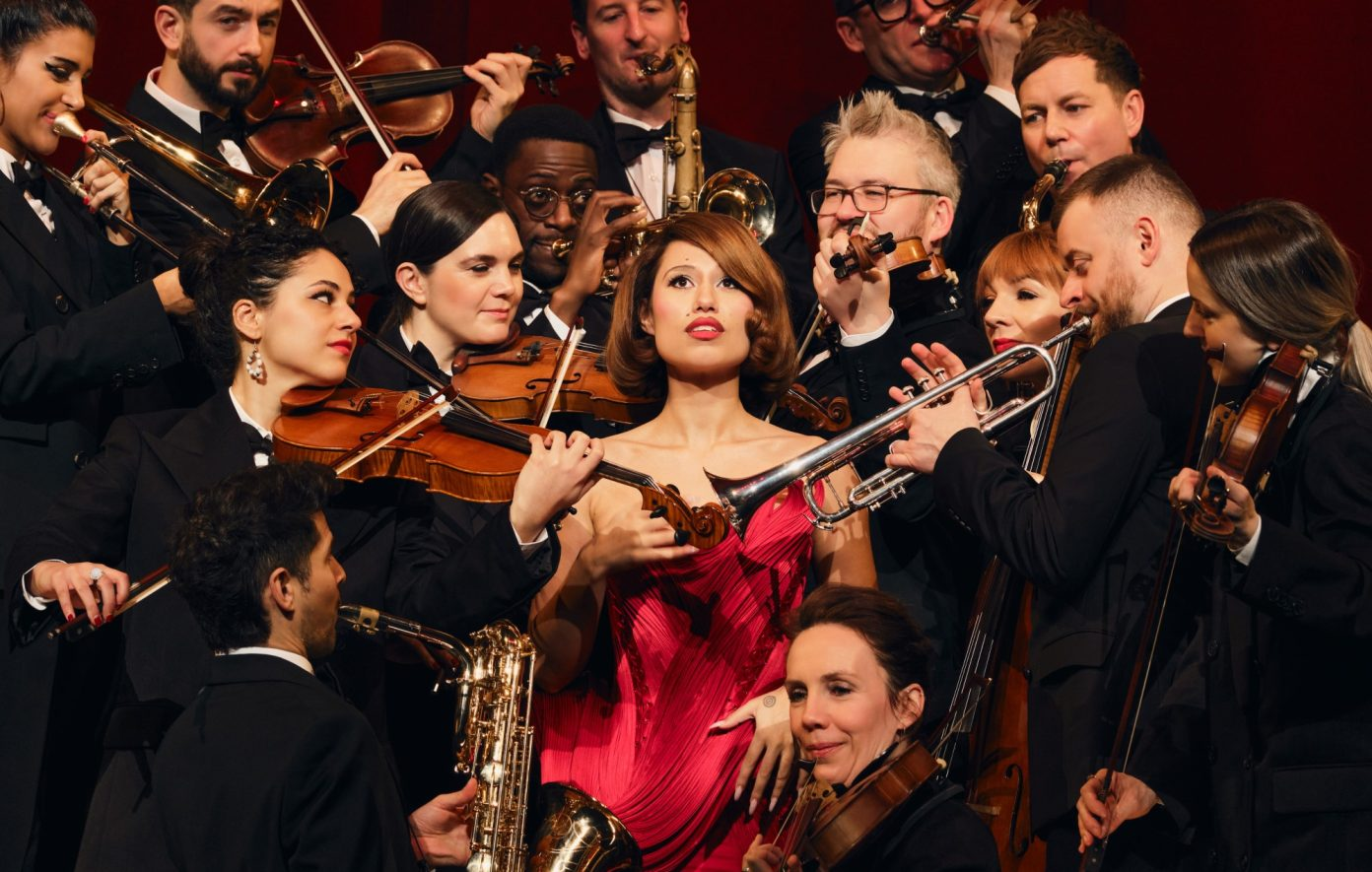
Grandeur sits at the heart of ‘This Music May Contain Hope’, RAYE’s second album, and the result feels nothing short of breathtaking. On this record, the singer born Rachel Keen explores a wide spectrum of sounds across its 73 minute length, moving from emotional ballads to lively funk moments and the jazz pop style she has become closely associated with. It can feel overwhelming at first, yet the magic that comes from RAYE fully committing to her vision makes the experience rewarding from start to finish.
‘This Music May Contain Hope’, a conceptual project about pushing through insecurity and heartbreak, unfolds like a lavish stage production. RAYE takes on the dual role of main character and guiding voice throughout the story. “Allow me to set the scene. Our story begins at 2:27am on a rainy night in Paris. Cue the thunder,” she says during the opening track ‘Girl Under The Grey Cloud’, which arrives with sweeping orchestral strings. Spoken passages appear across the album, helping shape the narrative and giving the project a sense of direction, almost like hearing the official recording of a Broadway show.
With this framework in place, the South London artist allows herself to fully explore the album’s diverse musical palette, and most of the time it works in her favor. Sometimes she fully embraces the theatrical side of the concept, especially during the closing section of the smooth R&B track ‘The WhatsApp Shakespeare’. Other moments are delivered more straightforwardly, such as the emotional slow building ballad ‘I Know You’re Hurting’. She also revisits her earlier dance influences with the impressive house track ‘Life Boat’.
Across the entire album, two things stand out clearly. RAYE’s flexible vocals sound better than ever, and her songwriting feels sharper than it has before. Take the playful highlight ‘I Hate The Way I Look Today’, a swing jazz inspired track reminiscent of Ella Fitzgerald, where she admits “I’m okay to be lonely / If I’m lonely and skinny / I have such silly self-loathing thoughts, it seems”. Then there is the emotional storytelling in ‘Nightingale Lane’: “It was right there, early June / Next to Old Park Avenue / Standing in the rain, I watched him walk away”.
Despite all the vulnerability and emotional struggles explored throughout the record, RAYE ultimately reaches a place of optimism, staying true to the album’s title. She gathers her close friends on ‘Click Clack Symphony’ with support from Hans Zimmer, finds closure with guidance from Al Green on the smooth seventies soul inspired ‘Goodbye Henry’, and reaches toward something greater alongside her sisters Amma and Absolutely on the uplifting ‘Joy’ as she searches to be “free of all the pain and every fear”. After the stormy opening imagery of that “rainy night” and “thunder”, RAYE eventually realizes that “the sun exists behind the clouds”, as she shares on ‘Happier Times Ahead’.
‘This Music May Contain Hope’ shows RAYE performing at her absolute peak. The album feels huge in scale and emotionally powerful, yet it remains rooted in honest experiences and real feelings. Yes, it asks a lot from the listener, but that is also what makes it so special. Every dramatic moment and musical shift feels like RAYE claiming her independence and finally creating music entirely on her own terms.