
Universal Music Group’s 11-person executive committee was paid a total of $128.4 million in short-term employee benefits -- most likely salaries and bonuses – in 2020, according to financial information released by the music group’s parent company Vivendi. When post-employee benefits and share-based payouts are added, that total jumps to $132 million -- almost double the $62.2 million paid to the executive team in 2018.
According to the UMG website, the executive team consists of UMG chairman/CEO Lucian Grainge; executive vp Michele Anthony; chairman/CEO of Central Europe and Deutsche Grammophon, Frank Briegmann; executive vp and general counsel Jeffrey Harleston; executive vp and chief people and inclusion officer Eric Hutcherson; United Kingdom and Ireland chairman/CEO David Joseph; executive vp marketing Andrew Kronfeld; executive vp/CFO Boyd Muir; executive vp digital strategy Michael Nash; executive vp/chief administrative officer Will Tanous; and Universal Music Publishing Group (UMPG) chairman/CEO Jody Gerson.
The financial data drop, which Vivendi likely released in preparation for UMG’s expected to become publicly traded in late-September, does not specify how that $128.4 million was divvied up among the 11 executives. Were it distributed equally (it’s not), it would amount to an $11.7 million 2020 payday for each executive -- not enough to buy happiness, perhaps, but sufficient to purchase a yacht that would float pretty close.
Financial observers note that executive team compensation expected to look even richer once UMG goes public, as the company will probably have its own management incentive stock plan. But as things stand now, UMG's executive team likely received higher salaries due because they don’t have such a management incentive stock plan. In order to attract and maintain top talent, UMG has to compete with the Warner Music Group, which does have a management incentive stock plan that will someday deliver hundreds of millions of dollars to its upper management team. Also, the salary structure for the executive management board probably reflects the value that the team has created down through the years through its management of UMG: In 2013 Softbank offered to buy UMG from Vivendi for $8.5 billion; currently, UMG is valued at about $40 million.
UMG’s total personnel costs in 2020, including the executive management team, were $1.42 billion of which $1.2 billion went to salaries – 17.6% of the companies $8.04 billion in revenue.
Last year, Universal carried on average 8,800 employees, up from 8,400 in 2019 and 7,900 in 2019. If the executive team’s compensation is excluded from overall salaries and total benefit compensation, that works out to an average salary of $121,000 and an average benefits package -- which also includes social security and other employee costs -- of $147,000. But, again, this is still skewed somewhat higher by salaries and bonuses paid to label chairman like Republic’s Monte Lipman and Interscope’s John Janick, which are generally not disclosed. (The foreign currency translations used in this story are based on the annual average exchange rates experienced by Vivendi and quoted in the company’s annual financial results for the year of 2020 -- 1 euro to $1.13; and 2018 -- 1 euro to $1.187.)
UMG declined to comment . --Ed Christman
Joni Chats With Clive At Grammy Gala
When part two of Clive Davis’ invitation-only virtual Pre-Grammy Gala takes place on May 15 -- the day before the awards ceremony was originally scheduled to take place -- the festivities will include a prerecorded interview with Joni Mitchell that was conducted by the master of ceremonies. A source in Davis’ camp says that during the conversation, Mitchell, 77, cites Édith Piaf and her early exposure to Black artists as influences on her jazz-influenced style of songwriting. While growing up in Alberta, Canada, she tells Davis, “There was a sideshow when the fair came to town called Harlem in Havana. We were all forbidden by our parents as kids to be seen even standing there watching because it was Black burlesque,” she recalls. “But they played a really sexy version of [Jimmy Forrest’s] ‘Night Train’ and that piece of music really affected my writing,” she explains.
When Davis asks for Mitchell’s reaction to the multitude of artists who have been influenced by her work and covered her songs, Mitchell, who has given few interviews since recovering from a 2015 aneurysm that affected her speech and ability to walk, says that she was told repeatedly over the course of her career, “Nobody is ever going to cover your songs. They are too personal.”
Other artist conversations slated for the gala include Queen’s Brian May and Roger Taylor, Elton John, Paul Simon, H.E.R., DaBaby, Carlos Santana, Rob Thomas, Dave Grohl, Dionne Warwick, Slash and Donovan. --Frank DiGiacomo
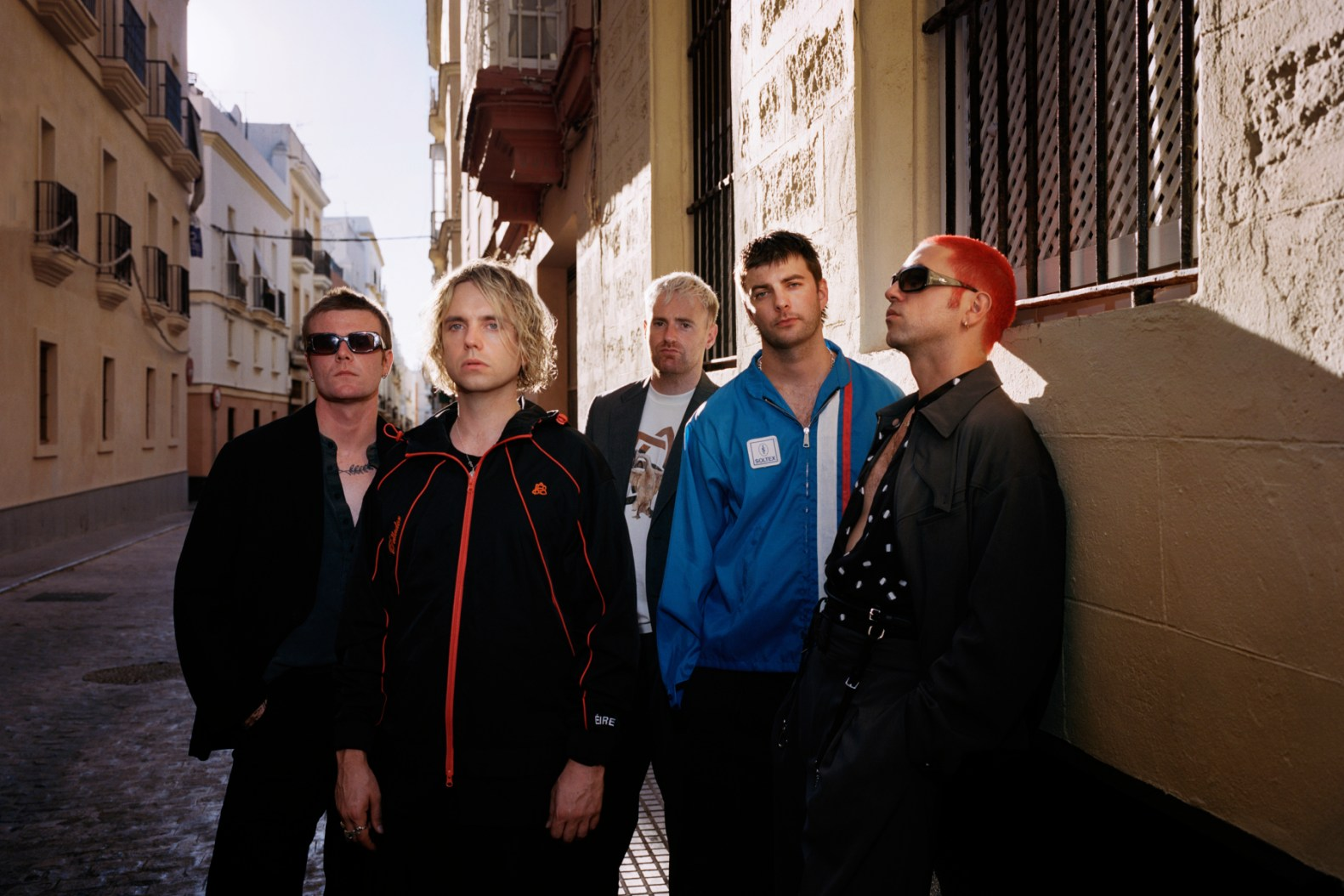
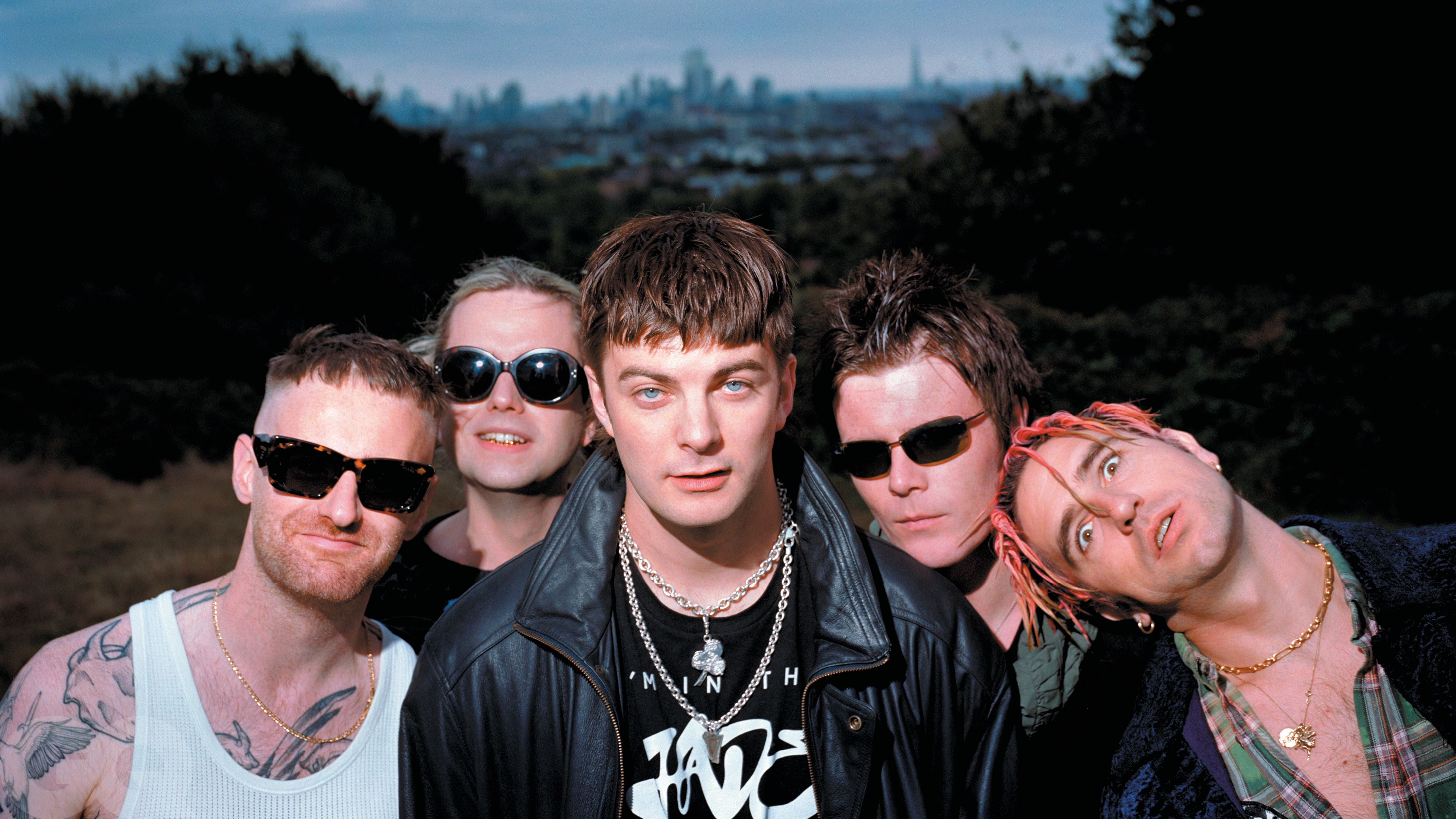
Fontaines D.C. have teamed up with Rosalía for their new collaboration, Where Is Gone?.
The song features on the Irish rock band's forthcoming album, Dopamine Chamber, which arrives on Friday (16.10.26). For guitarist Carlos O’Connell, working with the Spanish superstar is particularly special because of his own Spanish roots.
He explained: “I’ve admired Rosalía ever since her debut album, which I thought was absolutely beautiful.
“What excited me most was the way she continued to preserve Spain's musical traditions, something that felt spiritually connected to what we've been trying to achieve with Irish music. Having roots in both countries, it's been really special to witness. "She's an artist who has continued to amaze me at every point in her career.”
Frontman Grian Chatten has also described the collaboration with Rosalía as one of the most memorable achievements of his career.
He revealed that he felt "humbled" when she agreed to lend her voice to the band's album.
Speaking to NPR, Grian said: “I've always felt there's something almost like a single big idea that I'm personally trying to communicate to the world before I get old and die, if that makes sense. There's one thing I think I'll spend my life trying to express. I have a feeling she has a similar outlook. … I mean, she's an amazing arranger, composer and lyricist. It means so much that she wanted to sing on something we'd put together. It's definitely one of the highlights of my career.”
Rosalía's links to Irish rock music extend beyond Fontaines D.C. She also offered inspiration and helped develop the Spanish lyrics for U2's The Mirror Maker (Rosalía), a track from their forthcoming album, Carnaval de Luz.
During an appearance on The Tonight Show Starring Jimmy Fallon last week, she spoke about frontman Bono, saying: “I don't know him personally, but he sent me a text explaining that he was working on a new project and had written a song called The Mirror Maker."
Rosalía joked that Bono had invented a few words of his own.
She recalled telling him: “I wasn't sure what to make of it, but I told him he could create his own language if he wanted to.”
She described the opportunity to collaborate with the 66 year old music veteran as a real privilege.
She added: “Bono is a legend.
“It's amazing.”
Bono recently revealed that he was worried about seeming like a stalker when he reached out to Rosalía to ask whether he could name the song after her.