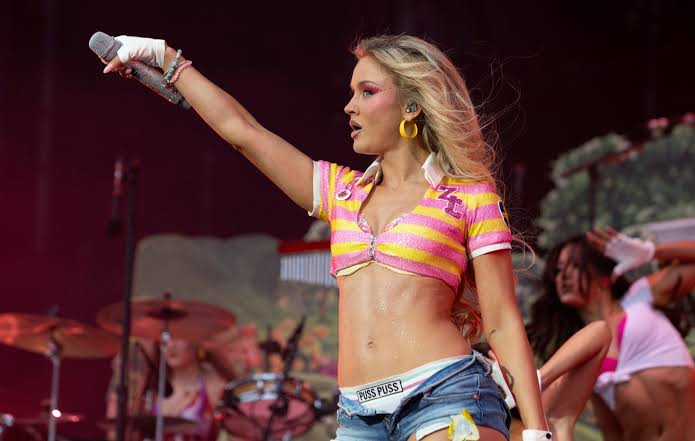

Lil Pump represents a major turning point in hip hop, a time when street credibility and internet fame started blending together. He became the middle ground where unpredictable political outsiders and experimental internet culture oddly connected. Pump symbolized everything the previous generation of rappers was not, appealing more to energy and aesthetic than tradition. However, his rebellious persona had its limits. His biggest record is still “Gucci Gang,” a song built around repeating the same hook 53 times. Parents who normally would not listen to rap embraced it, while the internet turned it into a cultural joke. The record generated serious revenue for Warner Bros. Records and helped secure his place in pop culture history. Without that moment, his collaboration with Ye probably would not have happened, especially at a time when Pump’s relevance was fading while Ye was dealing with his own personal struggles.
His rise was very much tied to the era he came from. Coming out of the SoundCloud movement that disrupted major labels and gave independent artists more control, he belonged to a wave that ignored the old industry playbook. They followed the viral blueprint created by Lil B and Soulja Boy, embracing chaos, humor, and unpredictability. Their scene valued short songs, distorted production, and viral moments while also opening the door for more people to enter rap. At the same time, this shift made the genre feel more temporary. Veterans who once commanded respect were sometimes dismissed as outdated instead of celebrated.

Pump and Smokepurpp even turned the “F*ck J. Cole” joke into something fans shouted at their concerts. Lil Uzi Vert declined to perform over DJ Premier production during a notable Hot 97 appearance. Lil Yachty openly questioned the legacy of Tupac and Biggie. At the same time, part of their attitude came from feeling like the older generation did not fully accept them either. There was also a strong push to protect their independence, driven by a rebellious mentality and a do it yourself culture similar to punk scenes.
Looking back, many of those artists proved they had real staying power. Several of them evolved creatively and expanded their reach, while Pump appears stuck in the same era that first brought him fame. Lil Yachty grew into a more adventurous and respected creative voice. Lil Uzi Vert built a strong and loyal fanbase across different age groups and now carries veteran status himself. Playboi Carti transformed artistic mystery and experimentation into a powerful brand that still resonates in the mainstream. Artists like Trippie Redd also created catalogs that remain essential when people discuss that generation.
Meanwhile, Pump seems to have spent years trying to recreate the exact formula that made “Gucci Gang” explode. That comparison becomes even more obvious when you realize how much that one song still defines his entire career. At his height, his visibility was massive. A billion YouTube views proved he was once one of the most recognizable rappers online. His peak was enormous, but very little meaningful growth followed. That breakthrough ended up becoming more of a limit than a launching point.

Recent years have suggested that his career has not matured well. Similar to 6ix9ine, he has leaned heavily into controversy, but without the same level of personality or entertainment factor. At times he comes across like RiFF Raff, except without the discography or cultural relevance to support the comparison. His newer releases often feel like attempts to follow current trends, revisit his past success, or rely on shock value that no longer feels fresh.
Social platforms such as Instagram, TikTok, and Twitch have become the true arenas of influence today, and controversial political positioning can bring short term attention. Pump’s endorsement of Donald Trump in 2020 felt both confusing and disappointing to many observers. His involvement in politics often seemed more awkward than meaningful. It did not help that Trump even introduced him as “Lil Pimp” at a rally, which suggested the association was not taken seriously on either side.
“most don’t know but when I endorsed Trump, I lost hella deals and ppl stopped fucking w me. lost like 4 Million+ followers during the time and multi million dollar deals as well. stayed true to what u beleieve in. things coming full circle and I LOVE TRUMP!! Trump is a fighter and he is going to keep fighting for America!” he wrote ahead of the 2024 election.
With Trump facing increasing criticism tied to international tensions and the Epstein files controversy, Pump’s political choices also raise questions about his judgment. His recent moves suggest he is prioritizing controversy over music. His political associations, attempts to provoke bigger artists, and even working with internet personalities like Sneako all suggest someone trying to stay visible after failing to place on the Billboard charts since 2019.
The past few years clearly show how far Lil Pump is willing to go at this stage of his life to chase viral attention again. When artists such as Beyoncé, Megan Thee Stallion, and Eminem supported Kamala Harris during the last election cycle, he responded with online outbursts that many viewed as sexist. More recently, he tried to involve J. Cole’s wife in their conflict while also claiming the Fayetteville rapper left a Miami nightclub when his music came on. Realistically, very few DJs are spinning Lil Pump records in major clubs today. And if they are, it probably says more about the venue than anything else.
When you look at the full picture, it becomes clear he is trying to present himself as more relevant than he actually is. During a recent online rant, he claimed he was one of the few artists from his era still touring globally while dismissing those touring the United States as local acts. That statement suggested a misunderstanding of how touring actually works. His attempts to place himself alongside artists like Playboi Carti and Lil Uzi Vert only highlight the gap between where he stands and where they are. Ironically, international touring is often where artists focus once their momentum in America slows down. He also told streamer N3on that he stepped away from music after seeing people allegedly use witchcraft for fame, which only added more confusion to his narrative.
Whether his decline came from political decisions or unusual personal beliefs, Pump still seems unable to find a real way back into the spotlight. Streamers may collaborate with him, but often because they exist in the same attention driven ecosystem. Trying to provoke J. Cole today does not carry the same impact it once did. Instead, it feels like someone making a last effort to force themselves back into conversations that have already moved forward.
The real disappointment is not that Lil Pump became known for one major hit. Many artists have built solid and respectable careers from a single breakout moment. The real disappointment is that he appears unwilling to accept that his biggest moment belongs to the past. At this stage, Lil Pump does not seem focused on building something lasting. Instead, he seems more focused on convincing everyone that he already did.
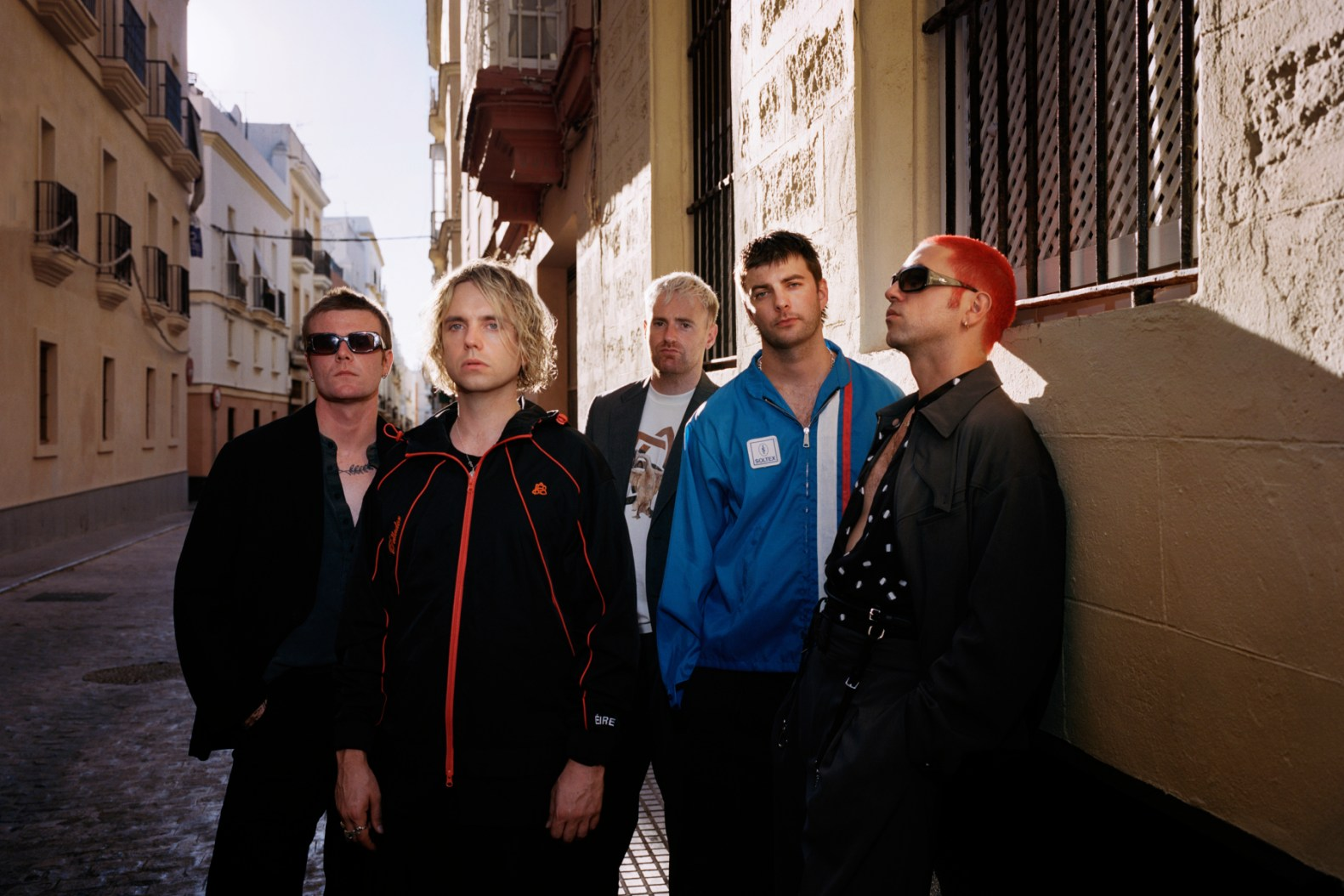
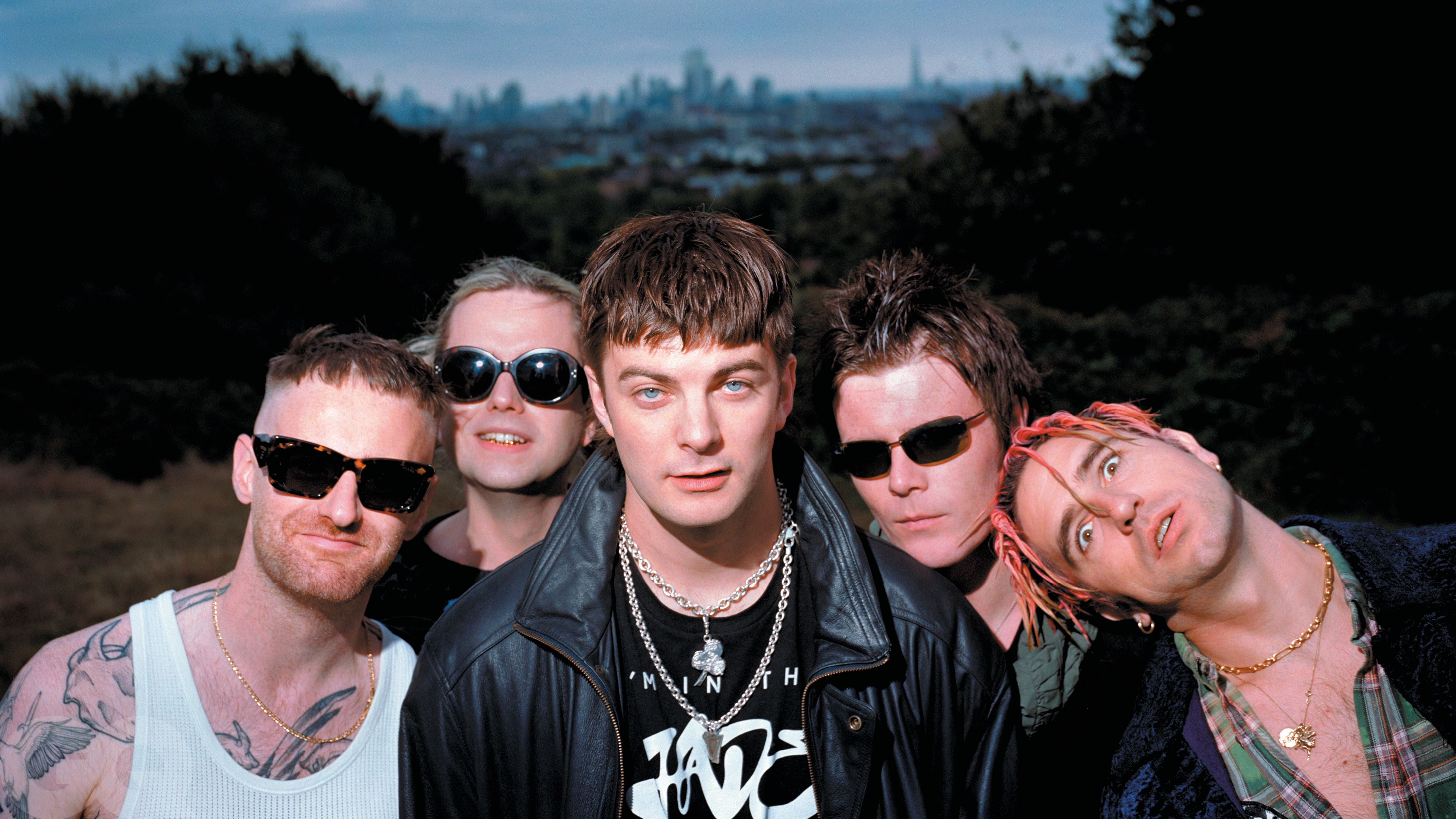
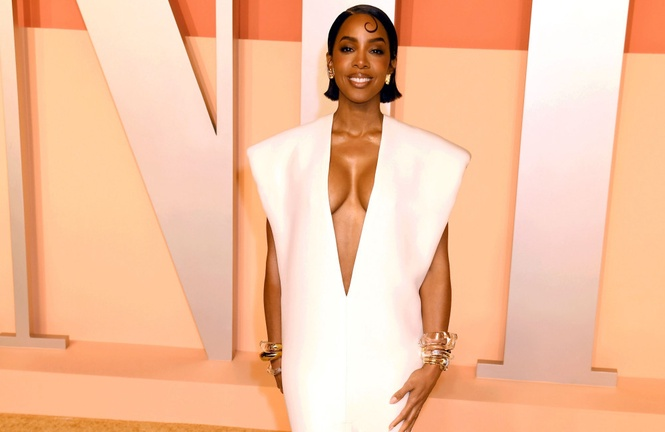
Fontaines D.C. have teamed up with Rosalía for their new collaboration, Where Is Gone?.
The song features on the Irish rock band's forthcoming album, Dopamine Chamber, which arrives on Friday (16.10.26). For guitarist Carlos O’Connell, working with the Spanish superstar is particularly special because of his own Spanish roots.
He explained: “I’ve admired Rosalía ever since her debut album, which I thought was absolutely beautiful.
“What excited me most was the way she continued to preserve Spain's musical traditions, something that felt spiritually connected to what we've been trying to achieve with Irish music. Having roots in both countries, it's been really special to witness. "She's an artist who has continued to amaze me at every point in her career.”
Frontman Grian Chatten has also described the collaboration with Rosalía as one of the most memorable achievements of his career.
He revealed that he felt "humbled" when she agreed to lend her voice to the band's album.
Speaking to NPR, Grian said: “I've always felt there's something almost like a single big idea that I'm personally trying to communicate to the world before I get old and die, if that makes sense. There's one thing I think I'll spend my life trying to express. I have a feeling she has a similar outlook. … I mean, she's an amazing arranger, composer and lyricist. It means so much that she wanted to sing on something we'd put together. It's definitely one of the highlights of my career.”
Rosalía's links to Irish rock music extend beyond Fontaines D.C. She also offered inspiration and helped develop the Spanish lyrics for U2's The Mirror Maker (Rosalía), a track from their forthcoming album, Carnaval de Luz.
During an appearance on The Tonight Show Starring Jimmy Fallon last week, she spoke about frontman Bono, saying: “I don't know him personally, but he sent me a text explaining that he was working on a new project and had written a song called The Mirror Maker."
Rosalía joked that Bono had invented a few words of his own.
She recalled telling him: “I wasn't sure what to make of it, but I told him he could create his own language if he wanted to.”
She described the opportunity to collaborate with the 66 year old music veteran as a real privilege.
She added: “Bono is a legend.
“It's amazing.”
Bono recently revealed that he was worried about seeming like a stalker when he reached out to Rosalía to ask whether he could name the song after her.