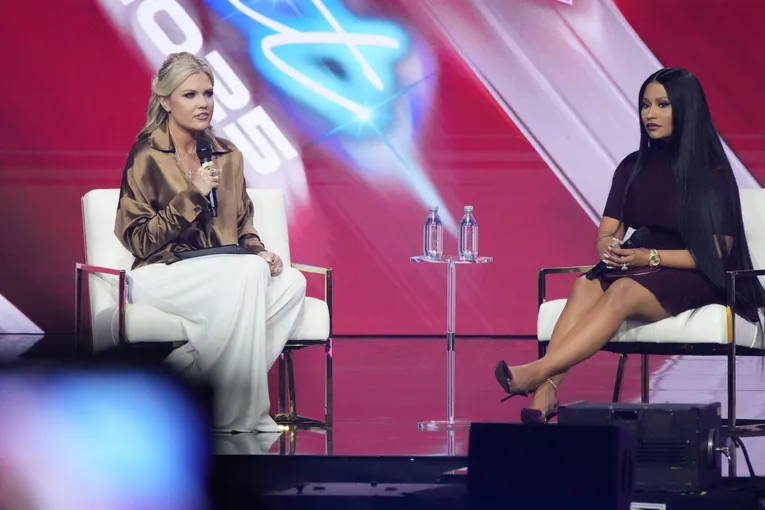
To say people were unhappy with Nicki Minaj showing up at Turning Point USA’s AmericaFest last month would be putting it lightly. The Trinidadian rapper’s fairly sudden embrace of conservative politics has not sat well with many longtime fans or the wider public. For some, that frustration has gone beyond online reactions and turned into something more formal.
In case you missed it, tens of thousands of people are now backing a petition calling for Nicki Minaj’s deportation. According to Billboard, roughly 50,000 individuals have signed the document, which has been circulating on Change.org since December 27.
Beneath an image of Minaj high fiving Erika Kirk, the widowed wife of Turning Point USA founder Charlie Kirk, the petition’s description lays out the disappointment surrounding Nicki’s recent political stance.
“This is personal for those of us who watched Nicki rise as a beacon of hope, only to feel abandoned by her shift in values.”
The statement goes on to say, “Her public platform carries weight and responsibility, and her recent statements are a stark contrast to the solidarity she once showed, leaving many feeling deflated and disillusioned. Deporting Nicki Minaj back to Trinidad would serve as a reminder that public figures need to be accountable for their words and the broader impact they have on diverse communities.”
For now, it remains to be seen whether any of this leads to real consequences. That said, Nicki previously shared in 2024 that she is not a U.S. citizen. She has also said in the past that she entered the United States illegally when she was five years old.
Despite the Trump administration’s hardline approach to undocumented immigration, Nicki has continued to stand by the former president.
Her public support began in October 2025 and gained even more attention in November when she applauded his comments about the reported persecution of Christians in Nigeria. Beyond social media, she also addressed the issue in a speech at a United Nations event.
“I would like to thank President Trump for prioritizing this issue,” she said. “And his leadership on the global stage in calling for urgent action to defend Christians in Nigeria and to combat extremism and to bring a stop to violence against those who simply want to express their natural right to freedom of religion or belief.”
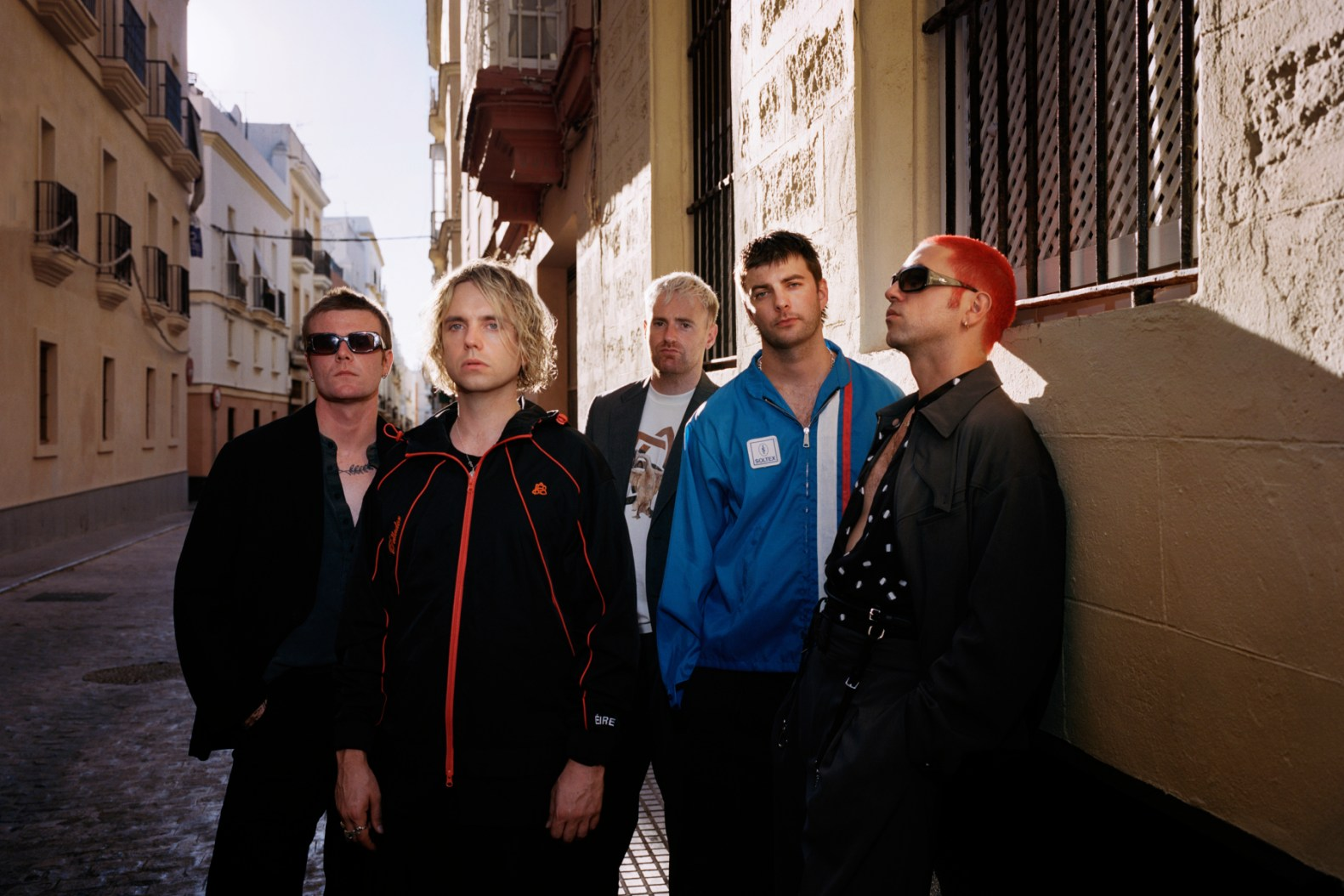
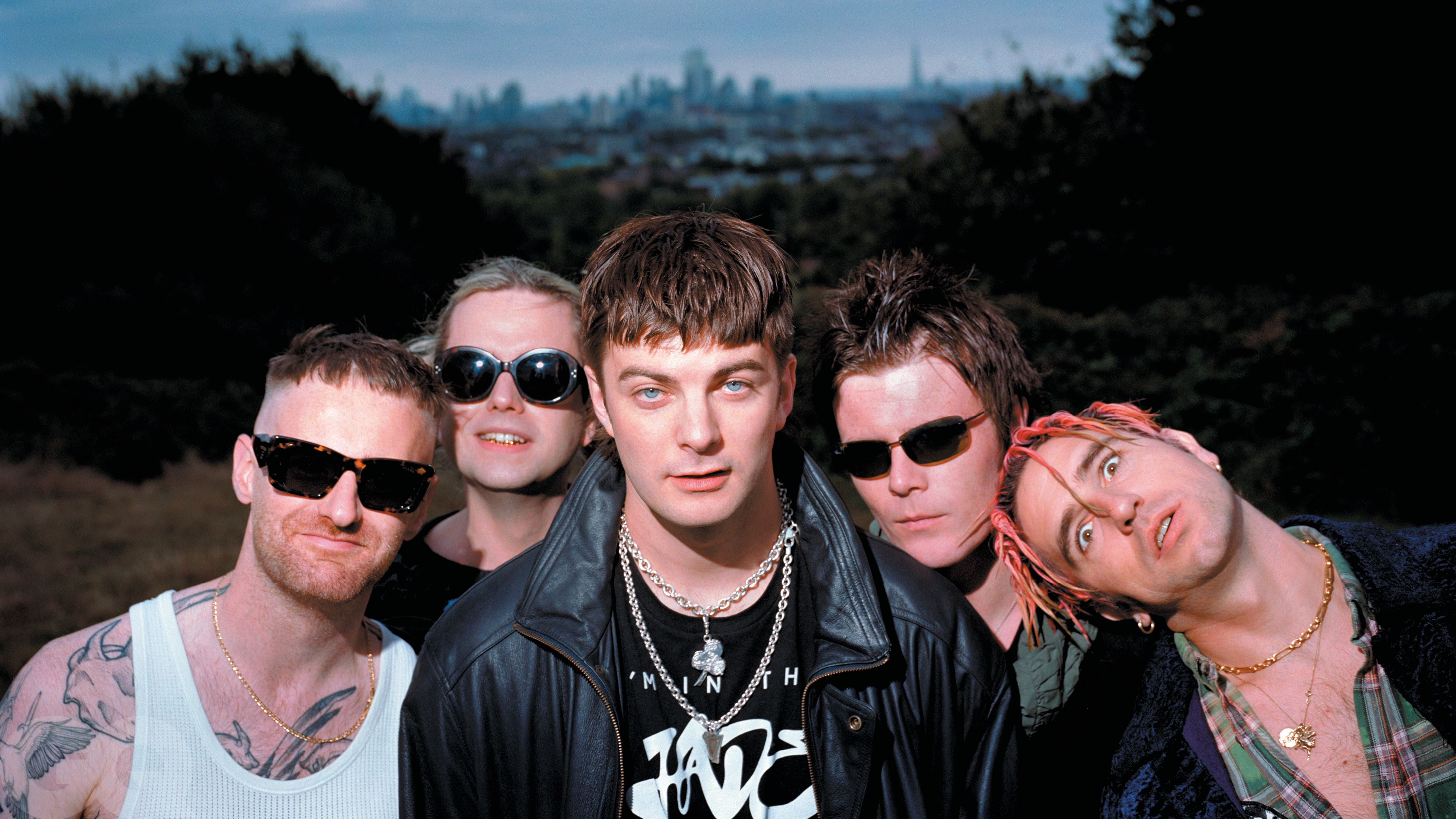
Fontaines D.C. have teamed up with Rosalía for their new collaboration, Where Is Gone?.
The song features on the Irish rock band's forthcoming album, Dopamine Chamber, which arrives on Friday (16.10.26). For guitarist Carlos O’Connell, working with the Spanish superstar is particularly special because of his own Spanish roots.
He explained: “I’ve admired Rosalía ever since her debut album, which I thought was absolutely beautiful.
“What excited me most was the way she continued to preserve Spain's musical traditions, something that felt spiritually connected to what we've been trying to achieve with Irish music. Having roots in both countries, it's been really special to witness. "She's an artist who has continued to amaze me at every point in her career.”
Frontman Grian Chatten has also described the collaboration with Rosalía as one of the most memorable achievements of his career.
He revealed that he felt "humbled" when she agreed to lend her voice to the band's album.
Speaking to NPR, Grian said: “I've always felt there's something almost like a single big idea that I'm personally trying to communicate to the world before I get old and die, if that makes sense. There's one thing I think I'll spend my life trying to express. I have a feeling she has a similar outlook. … I mean, she's an amazing arranger, composer and lyricist. It means so much that she wanted to sing on something we'd put together. It's definitely one of the highlights of my career.”
Rosalía's links to Irish rock music extend beyond Fontaines D.C. She also offered inspiration and helped develop the Spanish lyrics for U2's The Mirror Maker (Rosalía), a track from their forthcoming album, Carnaval de Luz.
During an appearance on The Tonight Show Starring Jimmy Fallon last week, she spoke about frontman Bono, saying: “I don't know him personally, but he sent me a text explaining that he was working on a new project and had written a song called The Mirror Maker."
Rosalía joked that Bono had invented a few words of his own.
She recalled telling him: “I wasn't sure what to make of it, but I told him he could create his own language if he wanted to.”
She described the opportunity to collaborate with the 66 year old music veteran as a real privilege.
She added: “Bono is a legend.
“It's amazing.”
Bono recently revealed that he was worried about seeming like a stalker when he reached out to Rosalía to ask whether he could name the song after her.