NEWS
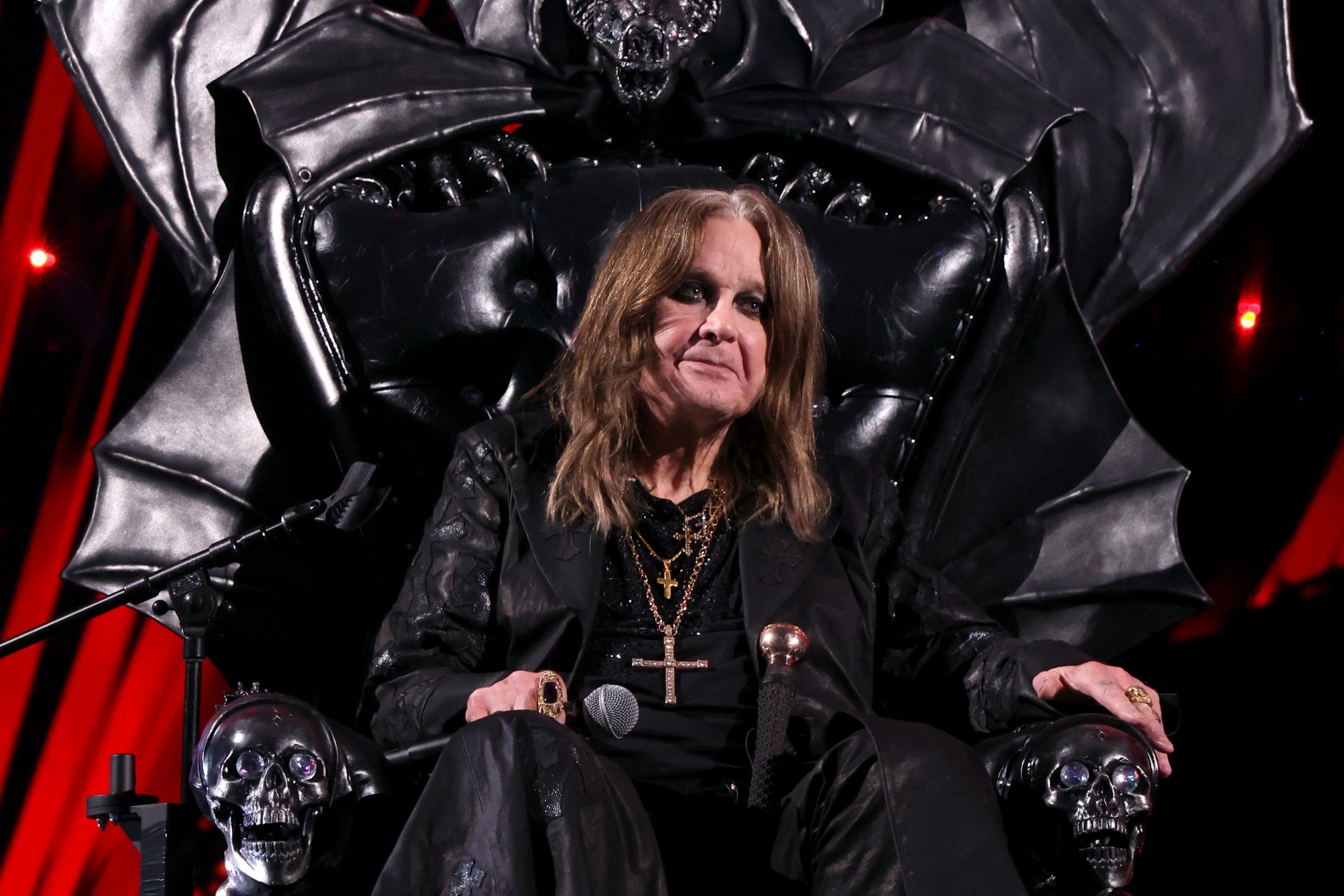
Ozzy Osbourne is set to be posthumously recognized with Birmingham’s Lord Mayor’s Award.
This honour, considered one of the city’s most respected civic distinctions, will be handed to members of the Osbourne family on December 3, the date that would have marked the late Black Sabbath singer’s 77th birthday.
The presentation will be carried out by Deputy Lord Mayor Councillor Ken Wood, while Lord Mayor Councillor Zafar Iqbal MBE will formally give the family the Books of Condolence.
The recognition highlights Ozzy’s lasting impact on Birmingham’s cultural landscape and musical legacy.
He was born in Aston and eventually achieved worldwide acclaim as the lead vocalist of the trailblazing heavy metal group Black Sabbath during the ’70s, later moving into a hugely successful solo career. Over more than fifty years in music, the Paranoid hitmaker sold upward of 100 million records, earned five Grammy Awards, and joined the small group of just 27 performers who have been inducted into the Rock and Roll Hall of Fame twice.
Ozzy continued to maintain a close bond with his hometown. His Working Class Hero exhibition at Birmingham Museum and Art Gallery has welcomed nearly 400,000 attendees since its launch in July. Earlier this year, he and the rest of Black Sabbath were awarded the Freedom of the City ahead of their final Back To The Beginning performance.
In a statement, the Osbourne family shared: “We are deeply touched to receive this award in honour of Ozzy. He was so loved by the people of Birmingham and it is great to see the impact he has had in his hometown.”
Councillor Zafar Iqbal MBE described Osbourne as “a proud and much-missed son of Birmingham.”
Deputy Lord Mayor Ken Wood also reflected on his legacy, saying: “Ozzy Osbourne was more than a music icon — he was a proud son of Birmingham whose influence reached every corner of the globe.”
Osbourne passed away in July at age 76, following years of significant health struggles, including a widely known fight with Parkinson’s disease.
NEWS
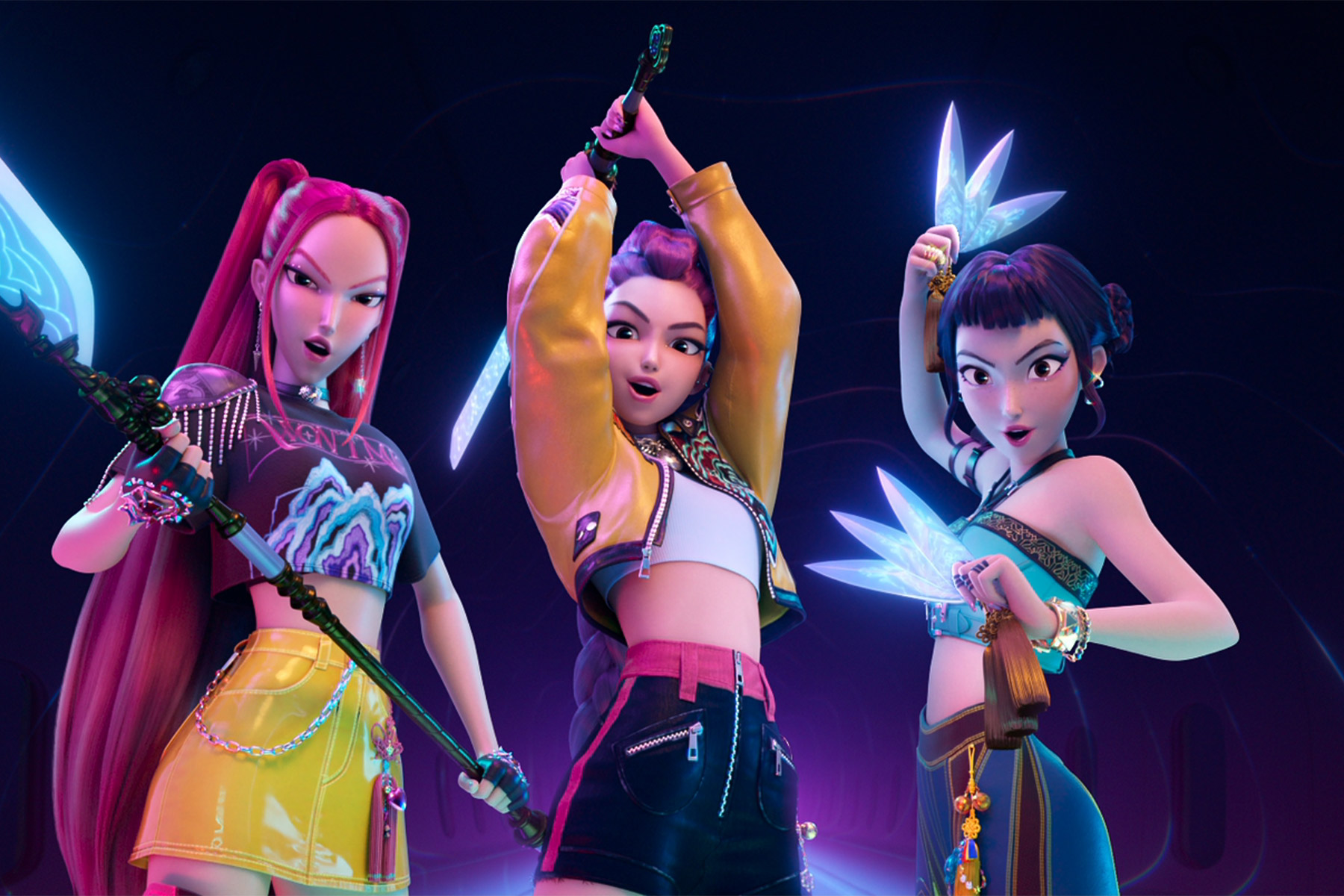
Lainey Wilson and performers from KPop Demon Hunters are set to take the stage at Snoop’s Holiday Halftime Party.
The artists will appear alongside rapper Snoop Dogg for the halftime show during the Minnesota Vikings vs. Detroit Lions matchup on Christmas Day 25.12.25.
While revealing the lineup for the broadcast, which will stream on Netflix, Snoop shared a new mashup of Deck the Halls and Drop It Like It’s Hot and declared: “We about to light up this Christmas. Come on in!”
Snoop’s Holiday Halftime Party will stream on Netflix as part of the game coverage, which follows the earlier Dallas Cowboys and Washington Commanders clash.
Netflix has also suggested that the show could feature additional surprise appearances.
In a press release, the streamer teased: “You’ll have to wait until Christmas Day to see who else joins Uncle Snoop for this jolly halftime show. You’re in for a holiday treat!”
Snoop added in a statement: “NFL, Netflix and your uncle Snoop on Christmas Day? We’re servin’ up music, love and good vibes for the whole world to enjoy. That’s the kind of holiday magic Santa can’t fit in a bag.”
Snoop and Wilson will share the spotlight with KPop Demon Hunters performers Ejae, Rei Ami and Audrey Nuna, collectively known as Huntrix.
Kelly Clarkson will launch the celebrations earlier in the day, performing Underneath the Tree ahead of the Cowboys and Commanders game.
In 2024, the inaugural NFL Christmas Day Halftime Show was led by singer Beyoncé.
During that performance, Beyoncé welcomed Post Malone and Shaboozey to the stage for the Baltimore Ravens vs. Houston Texans game at NRG Stadium in Houston, Texas.Lainey Wilson and performers from KPop Demon Hunters are set to take the stage at Snoop’s Holiday Halftime Party.
The artists will appear alongside rapper Snoop Dogg for the halftime show during the Minnesota Vikings vs. Detroit Lions matchup on Christmas Day 25.12.25.
While revealing the lineup for the broadcast, which will stream on Netflix, Snoop shared a new mashup of Deck the Halls and Drop It Like It’s Hot and declared: “We about to light up this Christmas. Come on in!”
Snoop’s Holiday Halftime Party will stream on Netflix as part of the game coverage, which follows the earlier Dallas Cowboys and Washington Commanders clash.
Netflix has also suggested that the show could feature additional surprise appearances.
In a press release, the streamer teased: “You’ll have to wait until Christmas Day to see who else joins Uncle Snoop for this jolly halftime show. You’re in for a holiday treat!”
Snoop added in a statement: “NFL, Netflix and your uncle Snoop on Christmas Day? We’re servin’ up music, love and good vibes for the whole world to enjoy. That’s the kind of holiday magic Santa can’t fit in a bag.”
Snoop and Wilson will share the spotlight with KPop Demon Hunters performers Ejae, Rei Ami and Audrey Nuna, collectively known as Huntrix.
Kelly Clarkson will launch the celebrations earlier in the day, performing Underneath the Tree ahead of the Cowboys and Commanders game.
In 2024, the inaugural NFL Christmas Day Halftime Show was led by singer Beyoncé.
During that performance, Beyoncé welcomed Post Malone and Shaboozey to the stage for the Baltimore Ravens vs. Houston Texans game at NRG Stadium in Houston, Texas.Lainey Wilson and performers from KPop Demon Hunters are set to take the stage at Snoop’s Holiday Halftime Party.
The artists will appear alongside rapper Snoop Dogg for the halftime show during the Minnesota Vikings vs. Detroit Lions matchup on Christmas Day 25.12.25.
While revealing the lineup for the broadcast, which will stream on Netflix, Snoop shared a new mashup of Deck the Halls and Drop It Like It’s Hot and declared: “We about to light up this Christmas. Come on in!”
Snoop’s Holiday Halftime Party will stream on Netflix as part of the game coverage, which follows the earlier Dallas Cowboys and Washington Commanders clash.
Netflix has also suggested that the show could feature additional surprise appearances.
In a press release, the streamer teased: “You’ll have to wait until Christmas Day to see who else joins Uncle Snoop for this jolly halftime show. You’re in for a holiday treat!”
Snoop added in a statement: “NFL, Netflix and your uncle Snoop on Christmas Day? We’re servin’ up music, love and good vibes for the whole world to enjoy. That’s the kind of holiday magic Santa can’t fit in a bag.”
Snoop and Wilson will share the spotlight with KPop Demon Hunters performers Ejae, Rei Ami and Audrey Nuna, collectively known as Huntrix.
Kelly Clarkson will launch the celebrations earlier in the day, performing Underneath the Tree ahead of the Cowboys and Commanders game.
In 2024, the inaugural NFL Christmas Day Halftime Show was led by singer Beyoncé.
During that performance, Beyoncé welcomed Post Malone and Shaboozey to the stage for the Baltimore Ravens vs. Houston Texans game at NRG Stadium in Houston, Texas.