
NEWS

Joe Budden has never been the type to shy away from making people react online. The rapper turned podcaster sparked another round of conversation this weekend while he and the JBP crew talked about Megan Thee Stallion. During her defamation trial involving blogger Milagro Gramz, a Roc Nation staff member revealed that Megan once received an opportunity from the Call Of Duty video game franchise.
After she discovered she would be presented as a character players could shoot at, she turned the offer down. "That triggered her and she full stop said ‘I’m not doing this," Senior VP of Branding and Strategic Partnerships at Roc Nation Daniel Kinney explained.
Joe Budden and the rest of the team agreed that Megan had every reason to make that choice. The conversation shifted, however, once Joe added his own thought. "I do not even play Call Of Duty, I would have bought it off the strength."
Many people viewed that remark as an inappropriate joke tied to a serious situation. Those critics assumed Joe was suggesting he would purchase the game because it might allow players to shoot or "kill" Megan. For nearly a full day, he did not offer any follow up to clear up what he meant.
A recently surfaced audio clip from the JBTV After Hours show finally gives some clarity from Budden himself.
In the audio, Joe admits that his timing was "ill timed" and makes it clear that he is not attempting to defend the remark. He also explains that he did not say it for the purpose of cracking a joke.
His reasoning was the following: "If one of the number one games is trying to put you in as a shootable character, then that must have had data that says that will get a causal fan to the store, just for that reason."
He adds more context by saying, "So, I said as someone who does not play the game, I would go get the game. Again, maybe ill timed, but it was not so jokey jokey."
People are still pushing back on his comments, stating that he is simply trying to talk his way around what he said and that he did not truly mean any of this. As he also mentions in the clip, "There are a lot of agendas being pushed, none of them being mine."
In the end, listeners can either accept his explanation or dismiss it and disagree.
Megan's trial began on Thursday, November 20, in a Miami federal courtroom. She took the stand for roughly two hours that day, defending her belief that Milagro Gramz "created a space for a lot of people to come speak negatively about me." On Friday, November 21, Gramz' legal team cross examined her and challenged the strength of her claims.
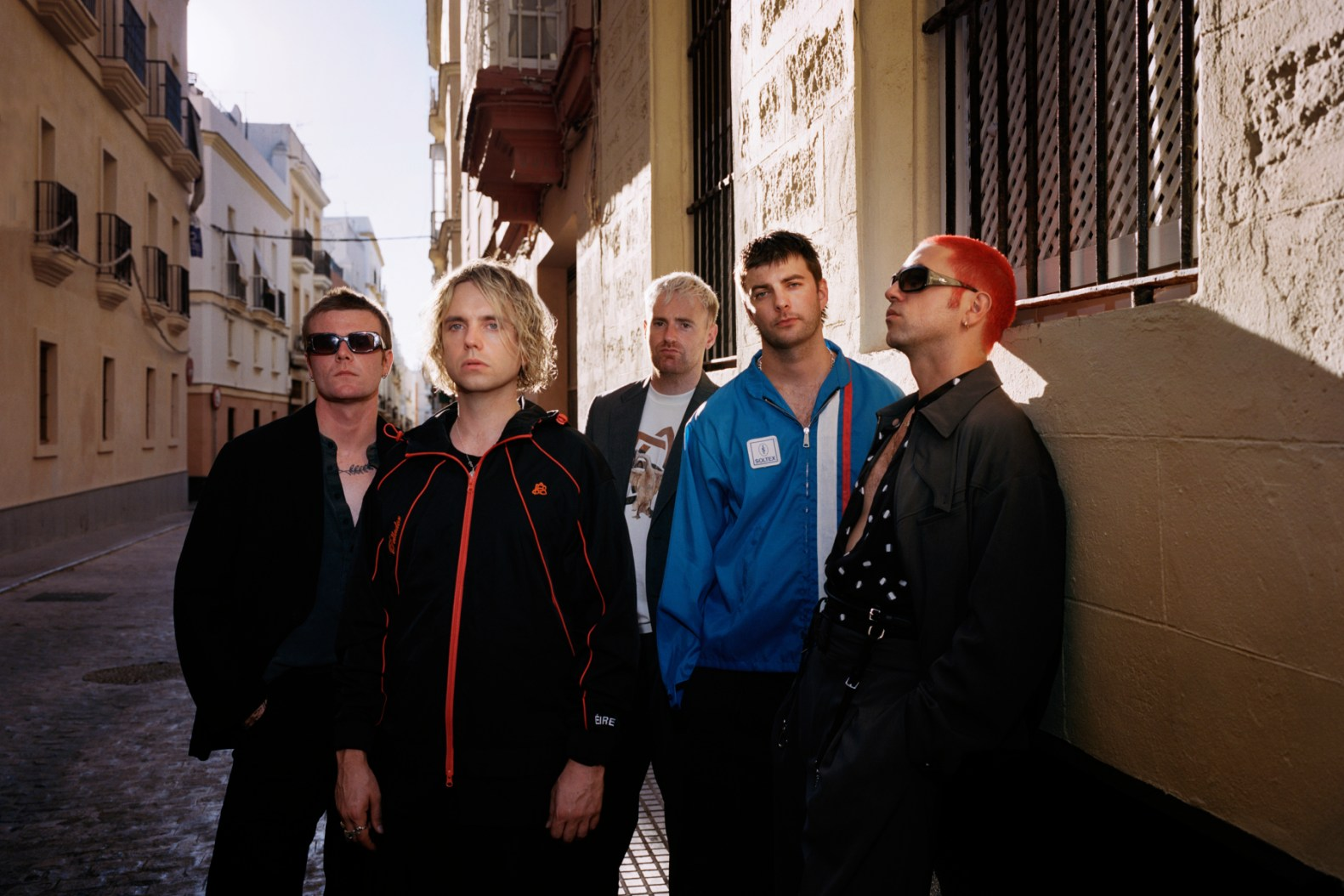
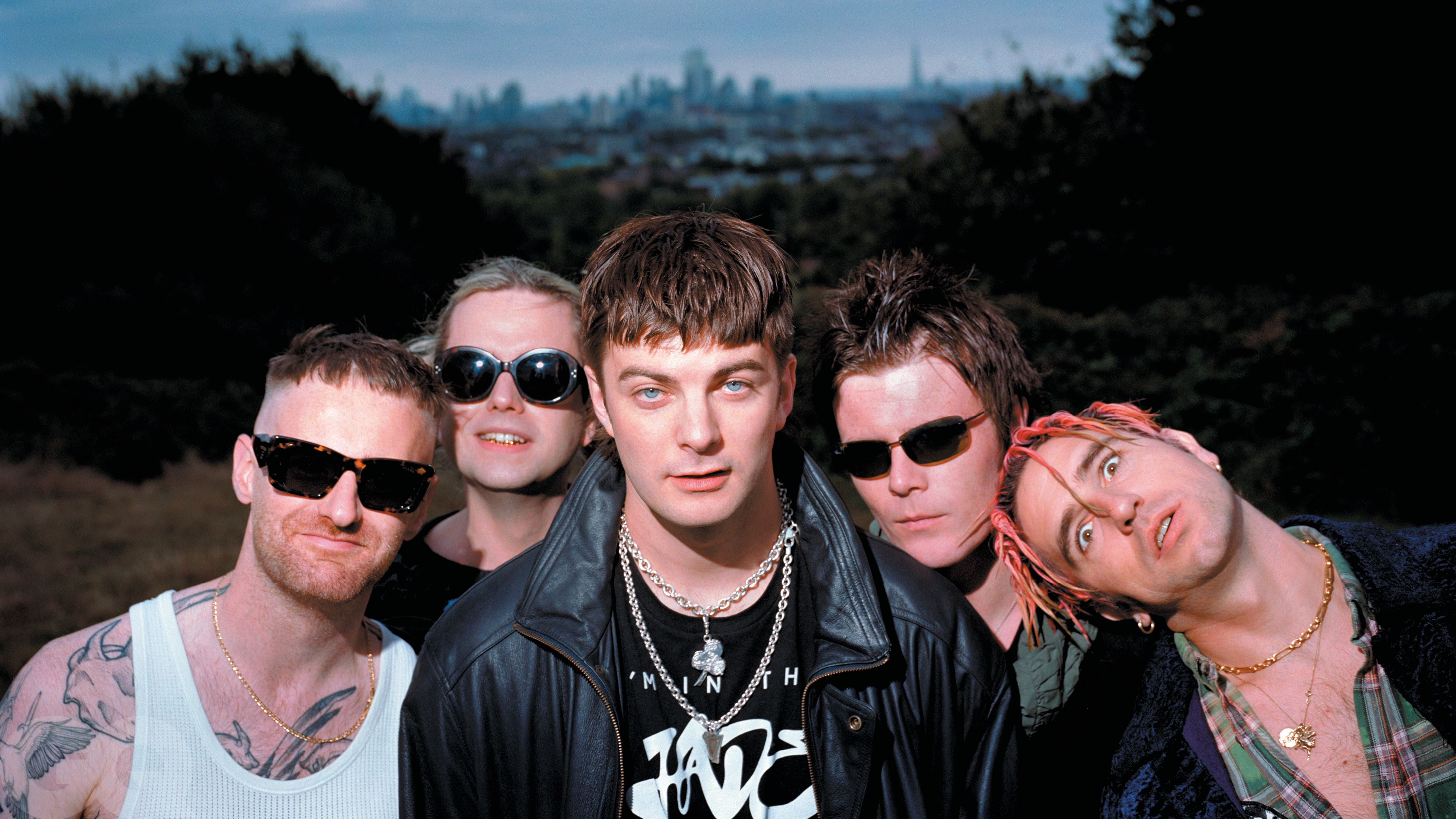
Fontaines D.C. have teamed up with Rosalía for their new collaboration, Where Is Gone?.
The song features on the Irish rock band's forthcoming album, Dopamine Chamber, which arrives on Friday (16.10.26). For guitarist Carlos O’Connell, working with the Spanish superstar is particularly special because of his own Spanish roots.
He explained: “I’ve admired Rosalía ever since her debut album, which I thought was absolutely beautiful.
“What excited me most was the way she continued to preserve Spain's musical traditions, something that felt spiritually connected to what we've been trying to achieve with Irish music. Having roots in both countries, it's been really special to witness. "She's an artist who has continued to amaze me at every point in her career.”
Frontman Grian Chatten has also described the collaboration with Rosalía as one of the most memorable achievements of his career.
He revealed that he felt "humbled" when she agreed to lend her voice to the band's album.
Speaking to NPR, Grian said: “I've always felt there's something almost like a single big idea that I'm personally trying to communicate to the world before I get old and die, if that makes sense. There's one thing I think I'll spend my life trying to express. I have a feeling she has a similar outlook. … I mean, she's an amazing arranger, composer and lyricist. It means so much that she wanted to sing on something we'd put together. It's definitely one of the highlights of my career.”
Rosalía's links to Irish rock music extend beyond Fontaines D.C. She also offered inspiration and helped develop the Spanish lyrics for U2's The Mirror Maker (Rosalía), a track from their forthcoming album, Carnaval de Luz.
During an appearance on The Tonight Show Starring Jimmy Fallon last week, she spoke about frontman Bono, saying: “I don't know him personally, but he sent me a text explaining that he was working on a new project and had written a song called The Mirror Maker."
Rosalía joked that Bono had invented a few words of his own.
She recalled telling him: “I wasn't sure what to make of it, but I told him he could create his own language if he wanted to.”
She described the opportunity to collaborate with the 66 year old music veteran as a real privilege.
She added: “Bono is a legend.
“It's amazing.”
Bono recently revealed that he was worried about seeming like a stalker when he reached out to Rosalía to ask whether he could name the song after her.