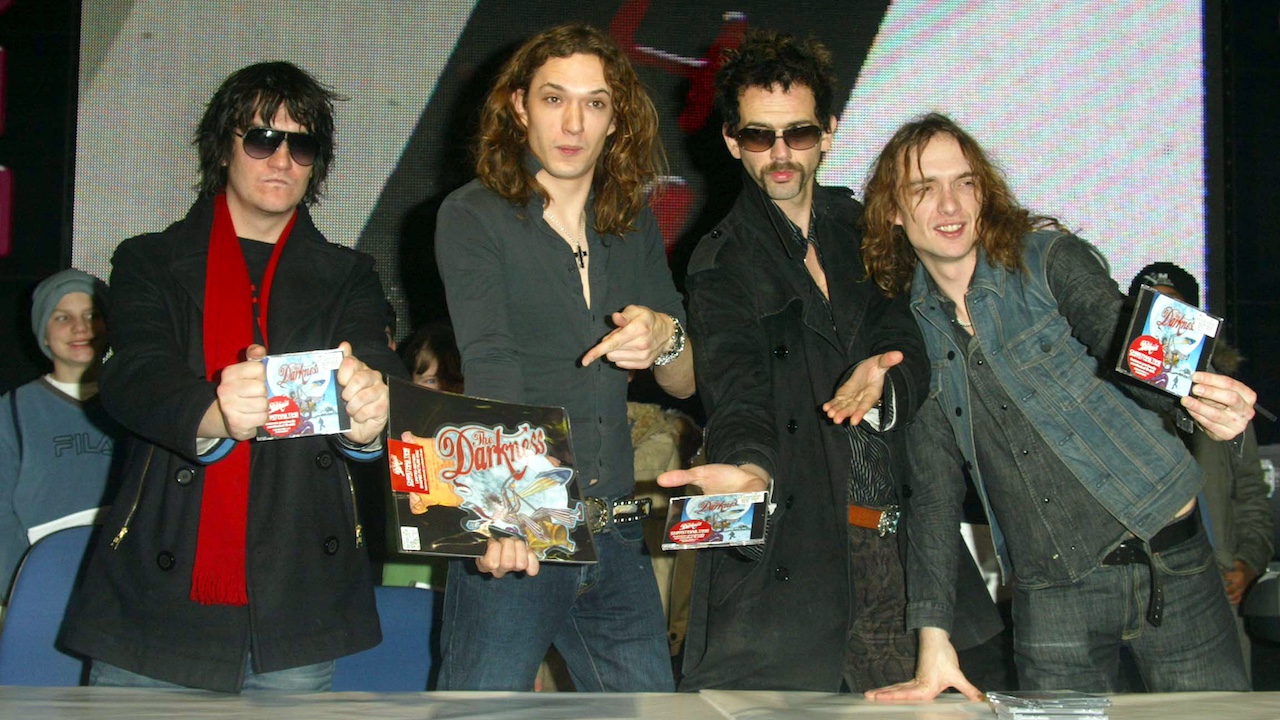
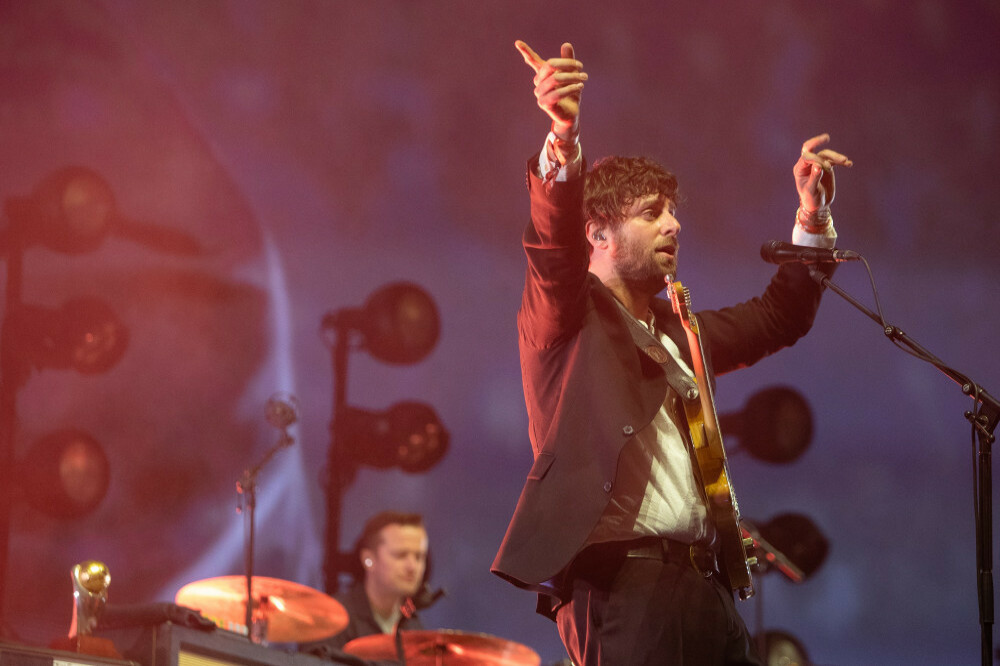
The Maccabees may either part ways again or return with new music and step back into being a “functioning band” in 2026.
The Toothpaste Kisses group shared their intention to call it quits in 2016, then played a run of farewell concerts the following year.
Even so, they came back together in 2024 and hit the stage again this year, taking top billing at All Points East and performing at Glastonbury.
Guitarist Felix White has now shared that their shows planned for next year, which they have not announced yet, will determine whether they continue as a group and begin working on new material for the first time since their 2015 album Marks to Prove It.
The Whatever will be, will be: A Matter of Life and Football writer told the William Hill Sports Book Of The Year Award that their recent performances changed their perspective. He said, “After we played at Glastonbury and All Points East this year, we thought that might just be it, but everyone had such a good time. It felt so euphoric, so why wouldn’t we want to do that again!”
When asked if a follow up to Marks to Prove It might happen, he responded, “The answer is, we don’t know.
“Having those shows in next year means we’ve got enough time to think about it and see which way it’s going to go. If The Maccabees keep going beyond that point, we’d want to feel like a functioning band that are making music and are there for a reason.”
He also stressed that the upcoming dates “will either be the last Maccabees shows, or we’ll try and make some music and see where it goes."
Felix acknowledged that balancing the group’s plans with his other commitments has been tough.
White continued, “I’ve found it really hard to juggle all the things I’ve been doing over the past year or so. When The Maccabees was the only thing in my life, I had to dedicate a large chunk of time to it in order for it to work.
“I didn’t really have the space to even consider it this year, but it’s starting to clear now. As long as I don’t get too good an idea for another sports book, it’ll more likely, but we’ll see what happens!”
The musician said he needs a breather so he can figure out “what’s next for me creatively.”
He shared, “I haven’t got another book in my mind at the moment.
“I’ve had a really mad year where I was doing a film score, writing my book around the FA Cup, playing in The Maccabees, doing the Tailenders podcast and then Jimmy [Anderson] and I went on tour!
“So, I’m just going to have a couple of months of stopping and working out what’s next for me creatively.”
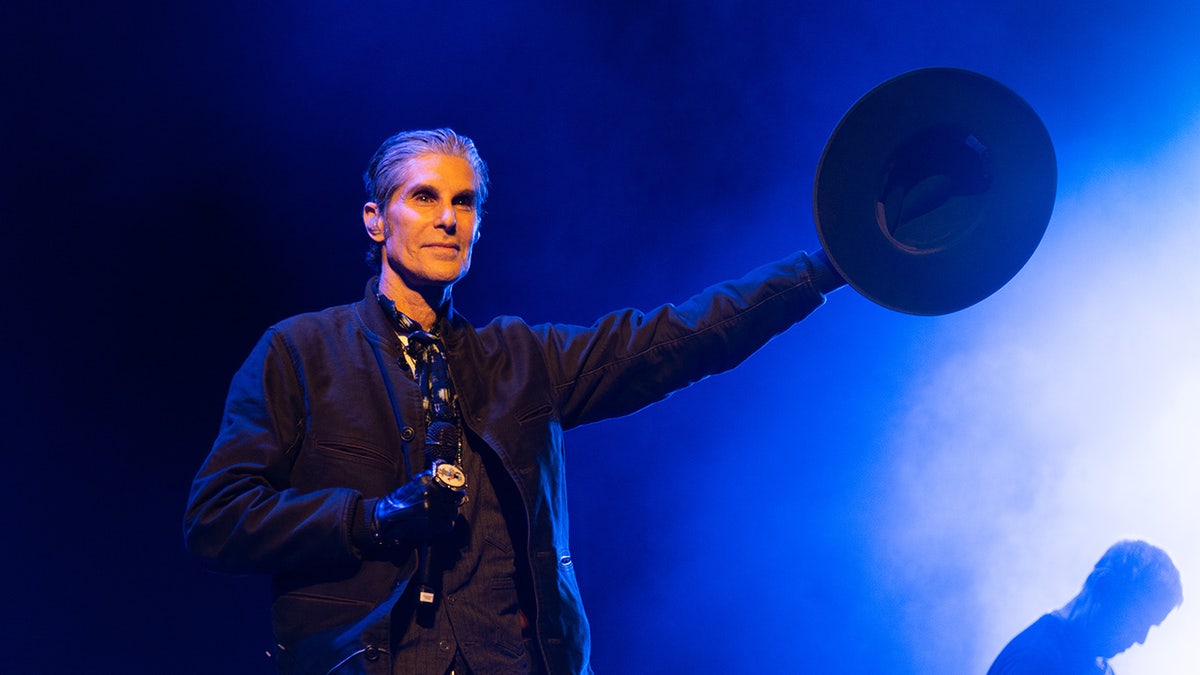
Perry Farrell has released another public apology following an on-stage confrontation involving his bandmate Dave Navarro.
The Jane's Addiction frontman was involved in a physical altercation with guitarist Dave Navarro last year during a live performance, an incident that prompted the band to cancel their reunion tour and eventually led to their split.
“I'd like to address what happened on stage last year,” Perry, 66, said in a statement shared across both his personal Instagram account and Jane's Addiction’s official page. “I've reflected on it and know I didn't handle myself the way I should have. I apologize to our patrons and my bandmates for losing my temper and for disrupting the show.”
He went on to admit that he did not meet fan expectations and described himself as deeply remorseful toward everyone impacted by the incident.
“Jane's Addiction has been at the center of my life for decades. The band, the songs, the patrons, and the impact that we've had on music and culture mean more to me than any words I could ever possibly write down,” he shared.
“My aim has always been to give our audience the best possible show, something real, honest and positive. In Boston, we fell short of that, and I'm truly sorry to everyone who was impacted.”
Jane's Addiction also issued its own statement regarding the altercation, which ultimately led to the group’s remaining members filing a lawsuit against Perry alleging assault, battery, intentional infliction of emotional distress, negligence, breach of fiduciary duty, and breach of contract.
“Today we are here to announce that we have come together one last time to resolve our differences, so that the legacy of Jane's Addiction will remain the work the four of us created together,” the band wrote, signaling that the group would not move forward with Perry. “We now look forward to the future as we embark on our separate musical and creative endeavors.”