
During a 2008 interview, Prodigy of Mobb Deep was asked if he ever feared death. Mortality followed him in every lyric he delivered, and few artists could capture that deep chill you feel when survival becomes part of your everyday life. His response carried the same tough energy that defined him, shaped by the reality of Queensbridge: “Every day I wake up like, ‘This might be my last day, and I’m not scared of it.’ I’m never scared to bite my tongue about something, or to come out and speak about something. Like, I ain’t scared of death. What you gonna do to me?”
Nine years later, at only 42, he passed away in a way that felt both tragic and strangely ordinary. While on tour with Havoc in Las Vegas, he was hospitalized for complications tied to his lifelong struggle with sickle cell anemia. There, he accidentally choked while eating alone and died. (His family would later file a wrongful death lawsuit against the hospital.)
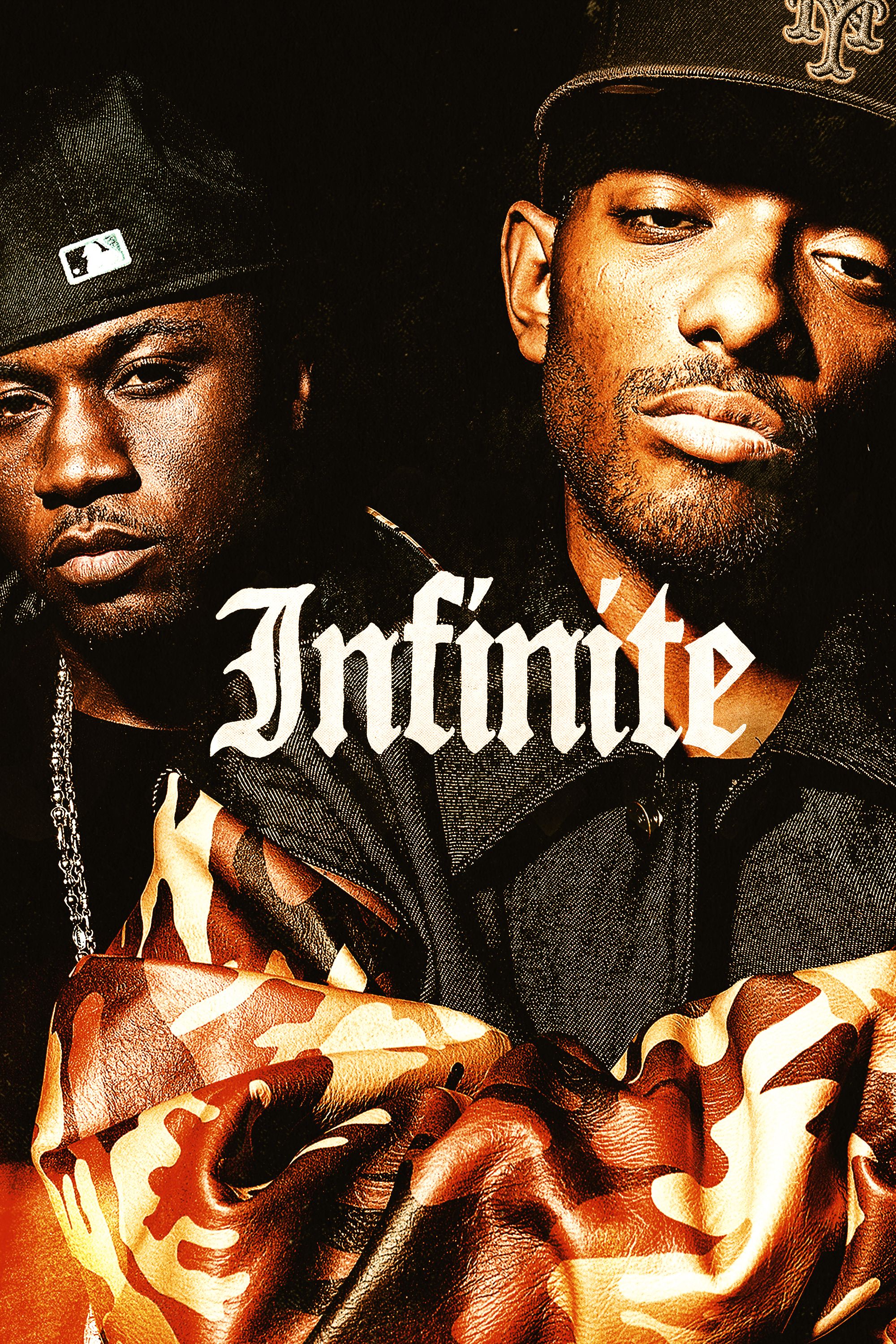
Havoc spent years mourning his brother and bandmate, unsure how to properly honor him through music. “You wanna do something to send your comrade off with a 21-gun salute…because he deserves that,” he said recently on the Bootleg Kev podcast. With help from longtime collaborator the Alchemist, Havoc pieced together Infinite, Mobb Deep’s ninth album and part of Mass Appeal’s Legend Has It series. It marks the first posthumous release in the collection, which always comes with its own challenges. Yet Infinite flows as smoothly as any project of its kind. For better and worse, it feels like an album the duo could’ve released after 2014’s somewhat forgettable The Infamous Mobb Deep, an update to their signature gritty sound with a few hints of modern polish.
On paper, it feels like everything has been rewound. Aside from a brief COVID reference and one cringey Havoc line about getting canceled for a joke about chromosomes, most of the lyrics are either locked in time (“Taj Mahal” references the old Trump casino) or so universal they could live anywhere. Instead of calling on a team of producers like they did for Infamous, Havoc handles 11 of the 15 tracks himself, with Alchemist revisiting the dirty, menacing textures he perfected on Murda Muzik and Infamy for the remaining four.
The strongest Havoc beats from Mobb Deep’s golden era twisted familiar sounds into something dangerous. That edge is still there on songs like “The M. The O. The B. The B.” and “Mr. Magik,” where the tension mixes with the quieter, stripped-down percussion style he used on Kanye’s The Life of Pablo. It gives the low-end even more power. Meanwhile, Alchemist falls back into the rugged rhythms that made his name — dusty drums and echoing samples. The shimmering haze of “Taj Mahal” feels like something from an old Street Sweepers mixtape, while “Score Points” and “My Era” would fit perfectly on one of his earlier collaborations with Prodigy.
Prodigy is present on every track, never halfway in. He raps at least one verse on each song and even takes on some of the hooks. His voice is as cold and sharp as ever (“RIP, you can’t son me/My pop’s dead,” he spits on “My Era”), even when his writing circles back to familiar themes. There are still small gaps here and there, but Havoc and Alchemist treat his vocals with care. What matters most is that the bond between Havoc and Prodigy still feels unbroken. They were never flashy lyricists or complex writers — their power came from directness, from how rooted they stayed in LeFrak City no matter how far their fame reached. “Mr. Magik” gets closest to that old-school Mobb Deep feel, especially when they pass the mic back and forth, going at rivals, dodging CIA agents, and spending nights with mistresses. The same goes for “Easy Bruh,” a song driven by drums, faint piano keys, sirens, and some of Prodigy’s sharpest lines on the album (“Niggas mad? Put a cape on ’em/Now they super mad” actually made me laugh out loud). At its best, Infinite feels effortless, Mobb Deep comfortable in their seasoned, world-weary selves.
Things drift off when the production stretches too far or leans toward trends. Some guest spots make perfect sense, like Big Noyd showing up on “The M. The O. The B. The B.” with his trademark nasal intensity, or Ghostface and Raekwon bringing color and life to “Clear Black Nights.” But the Clipse feature on “Look at Me” feels more trendy than meaningful, and Nas, another close ally, drops in with one of those standard Mass Appeal-style verses that sound recycled from his recent albums. “Down For You,” which flips Samuel Barber’s “Adagio for Strings” into a hard-hitting love track, is a welcome addition to Mobb Deep’s catalog of street romance. Still, it loses impact when it reappears later on, this time swapping Jorja Smith’s hook for one by H.E.R. I can understand the decision, the beat goes hard — but it’s hard to take Nas seriously when he’s rapping about keeping a side chick like Tony Soprano. It’s one of the few moments that feels forced, and because there are so few, they stand out more.
Posthumous rap albums in the last decade have often been tangled in questions of control and exploitation. Thankfully, Infinite avoids those traps. It doesn’t carry the awkward tension that surrounded Gang Starr’s One of The Best Yet, nor does it feel stitched together the way DMX’s Exodus did. It never feels like Havoc or anyone else is cashing in on Prodigy’s legacy. In fact, it’s moving to hear them side by side again, even when Prodigy’s words hit too close, meditating on death while “staring up at the cosmos” on “Pour The Henny,” or dodging enemies both real and imagined as he gambles in Atlantic City. Still, much of the album feels like a return to familiar ground, reworking echoes of their strongest years. There are no moments that reach the levels of The Infamous or Hell on Earth, but Infinite does succeed in giving one of hip-hop’s greatest duos one final, heartfelt ride.
ALBUM REVIEWS

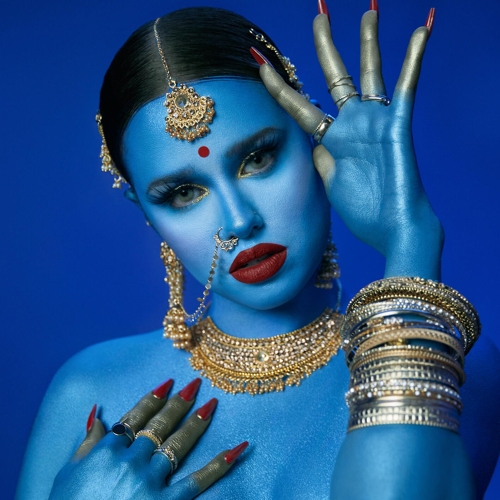
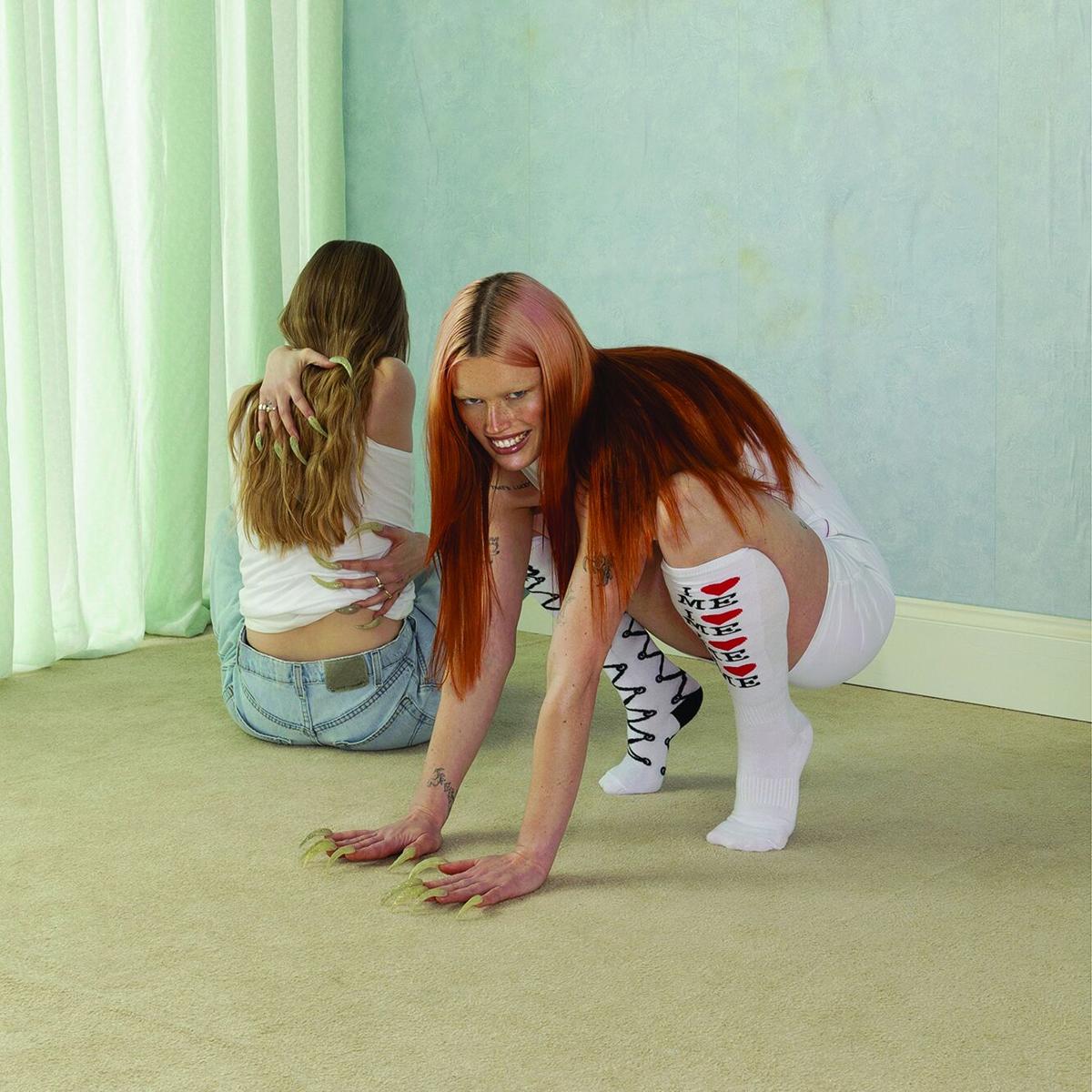
Grandeur sits at the heart of ‘This Music May Contain Hope’, RAYE’s second album, and the result feels nothing short of breathtaking. On this record, the singer born Rachel Keen explores a wide spectrum of sounds across its 73 minute length, moving from emotional ballads to lively funk moments and the jazz pop style she has become closely associated with. It can feel overwhelming at first, yet the magic that comes from RAYE fully committing to her vision makes the experience rewarding from start to finish.
‘This Music May Contain Hope’, a conceptual project about pushing through insecurity and heartbreak, unfolds like a lavish stage production. RAYE takes on the dual role of main character and guiding voice throughout the story. “Allow me to set the scene. Our story begins at 2:27am on a rainy night in Paris. Cue the thunder,” she says during the opening track ‘Girl Under The Grey Cloud’, which arrives with sweeping orchestral strings. Spoken passages appear across the album, helping shape the narrative and giving the project a sense of direction, almost like hearing the official recording of a Broadway show.
With this framework in place, the South London artist allows herself to fully explore the album’s diverse musical palette, and most of the time it works in her favor. Sometimes she fully embraces the theatrical side of the concept, especially during the closing section of the smooth R&B track ‘The WhatsApp Shakespeare’. Other moments are delivered more straightforwardly, such as the emotional slow building ballad ‘I Know You’re Hurting’. She also revisits her earlier dance influences with the impressive house track ‘Life Boat’.
Across the entire album, two things stand out clearly. RAYE’s flexible vocals sound better than ever, and her songwriting feels sharper than it has before. Take the playful highlight ‘I Hate The Way I Look Today’, a swing jazz inspired track reminiscent of Ella Fitzgerald, where she admits “I’m okay to be lonely / If I’m lonely and skinny / I have such silly self-loathing thoughts, it seems”. Then there is the emotional storytelling in ‘Nightingale Lane’: “It was right there, early June / Next to Old Park Avenue / Standing in the rain, I watched him walk away”.
Despite all the vulnerability and emotional struggles explored throughout the record, RAYE ultimately reaches a place of optimism, staying true to the album’s title. She gathers her close friends on ‘Click Clack Symphony’ with support from Hans Zimmer, finds closure with guidance from Al Green on the smooth seventies soul inspired ‘Goodbye Henry’, and reaches toward something greater alongside her sisters Amma and Absolutely on the uplifting ‘Joy’ as she searches to be “free of all the pain and every fear”. After the stormy opening imagery of that “rainy night” and “thunder”, RAYE eventually realizes that “the sun exists behind the clouds”, as she shares on ‘Happier Times Ahead’.
‘This Music May Contain Hope’ shows RAYE performing at her absolute peak. The album feels huge in scale and emotionally powerful, yet it remains rooted in honest experiences and real feelings. Yes, it asks a lot from the listener, but that is also what makes it so special. Every dramatic moment and musical shift feels like RAYE claiming her independence and finally creating music entirely on her own terms.