NEWS
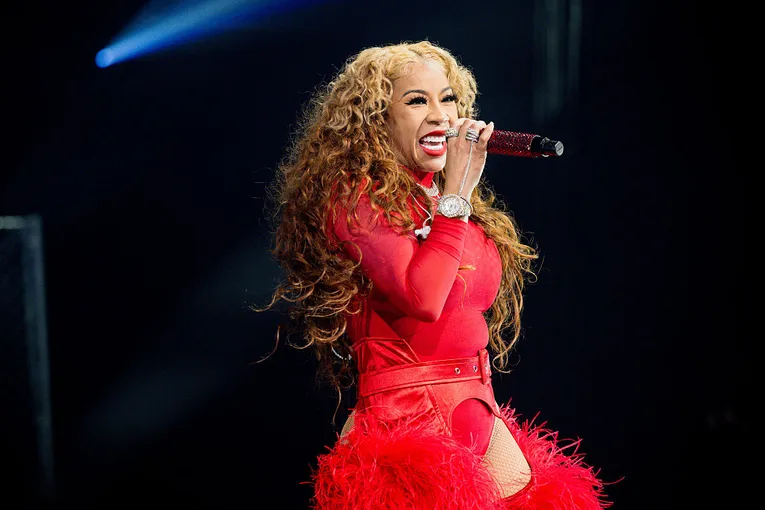
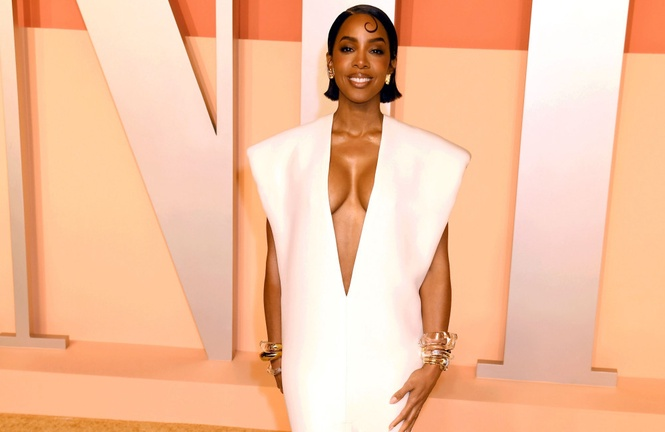
Trey Songz and Keyshia Cole became the center of a brief but public misunderstanding following Cole’s 20th anniversary concert of The Way It Is. The confusion unfolded on social media after Cole expressed frustration about Songz appearing onstage without her prior knowledge or approval.
In a now-deleted Instagram Story, Cole shared a clip of Songz performing during her set. Instead of welcoming the gesture, she criticized her team for the unplanned appearance.
“Whoever brought Trey out without letting me know weird asf,” she wrote. “If it happens again, you will be fired asap. Don’t bring nobody back out on my stage without me able to give them a FORMAL INTRODUCTION. I APPRECIATE EVERYONE WHO COMES TO SHOW LOVE. 20th anniversary of The Way It Is. Y’all weird asf.”
Songz responded to the backlash with a more measured tone. In his own Instagram Story, he wrote, “Waited for you b4 and after. Show was incredible!!!!”
The post appeared to express both disappointment and support, suggesting he had made an effort to connect before and after the event.
Cole later softened her tone in a follow-up Story, writing, “I wasn’t able to say hello or goodbye @treysongz. But thank u for coming,” accompanied by a hashtag celebrating her album’s two-decade milestone.
Still, she reiterated her frustration with her team, writing, “Fact!!! They tacky for that. I be busy but not enough to not know what’s going on, on my stage.”
The miscommunication emerged during a significant moment in Cole’s career, as she continues her anniversary tour for the 2005 debut that helped define 2000s R&B. Her comments emphasized the importance she places on presentation, precision, and respect in live performance settings. Songz’s unexpected cameo, though seemingly well-meant, conflicted with that standard and triggered an internal rift that quickly spilled online.
While the exchange appears to have calmed, it reflects how even veteran performers face logistical missteps under the scrutiny of social media. For fans, the incident offered a glimpse behind the curtain of live production—and a reminder that even well-intentioned surprises can backfire without clear communication.
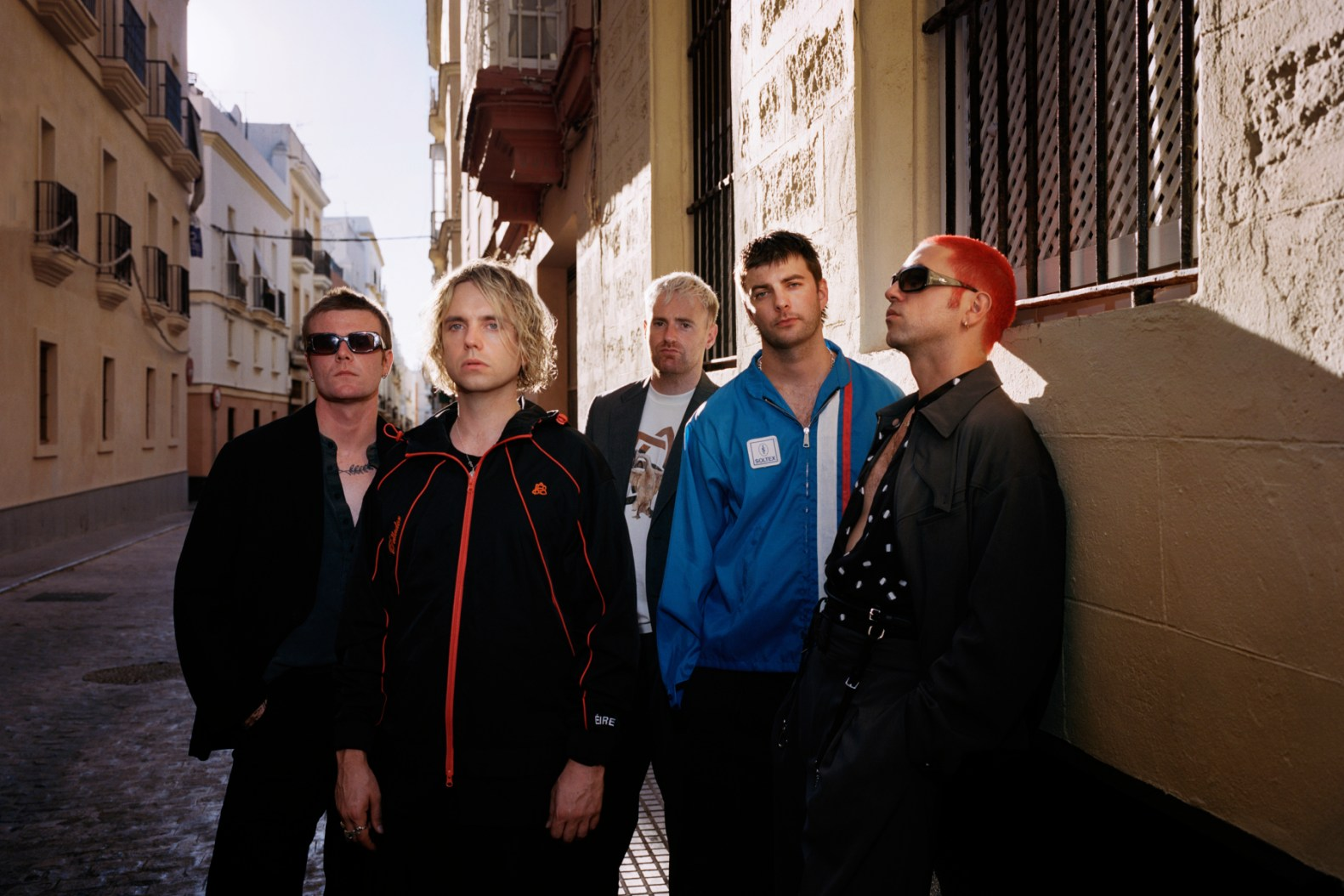
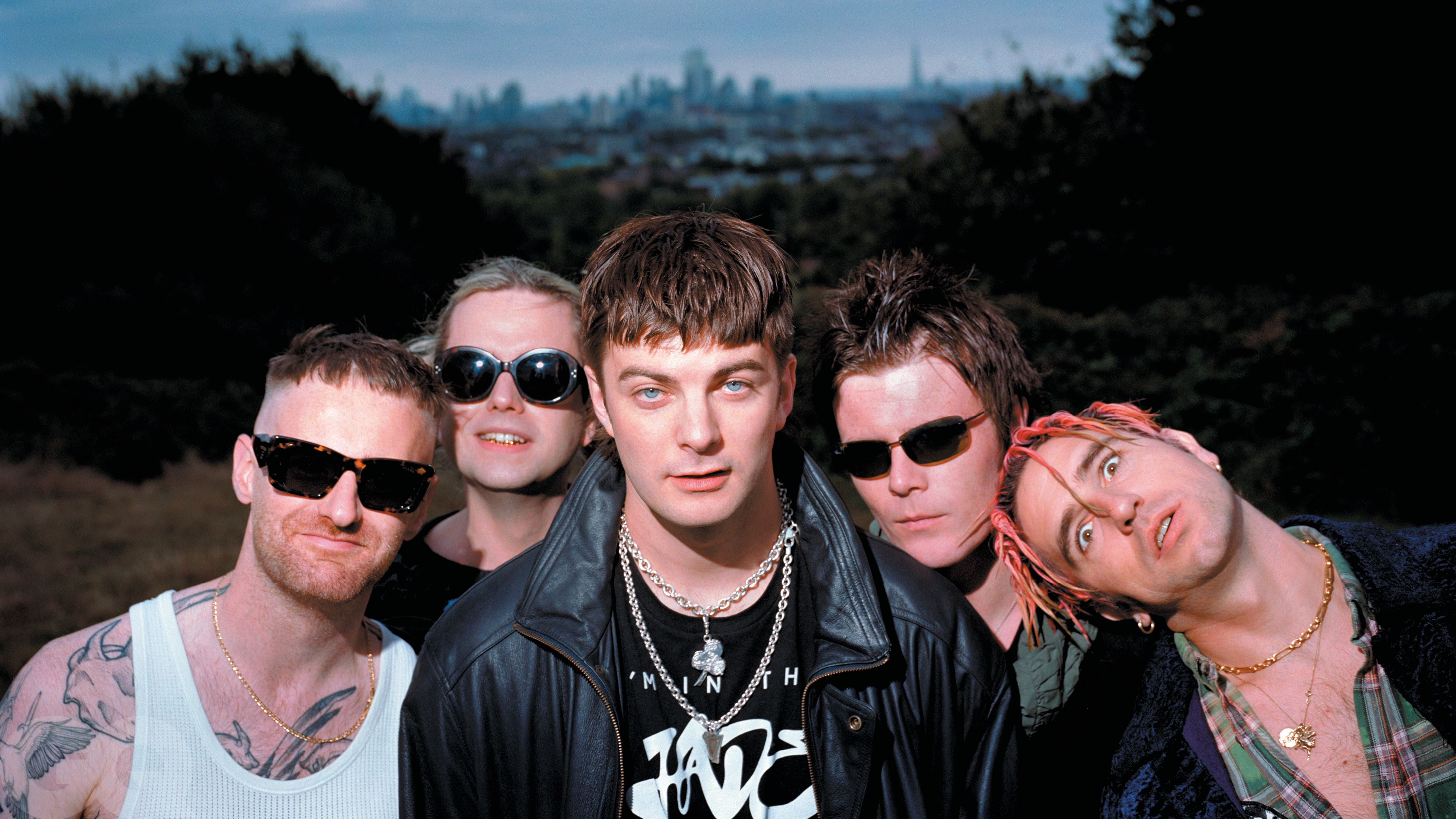
Fontaines D.C. have teamed up with Rosalía for their new collaboration, Where Is Gone?.
The song features on the Irish rock band's forthcoming album, Dopamine Chamber, which arrives on Friday (16.10.26). For guitarist Carlos O’Connell, working with the Spanish superstar is particularly special because of his own Spanish roots.
He explained: “I’ve admired Rosalía ever since her debut album, which I thought was absolutely beautiful.
“What excited me most was the way she continued to preserve Spain's musical traditions, something that felt spiritually connected to what we've been trying to achieve with Irish music. Having roots in both countries, it's been really special to witness. "She's an artist who has continued to amaze me at every point in her career.”
Frontman Grian Chatten has also described the collaboration with Rosalía as one of the most memorable achievements of his career.
He revealed that he felt "humbled" when she agreed to lend her voice to the band's album.
Speaking to NPR, Grian said: “I've always felt there's something almost like a single big idea that I'm personally trying to communicate to the world before I get old and die, if that makes sense. There's one thing I think I'll spend my life trying to express. I have a feeling she has a similar outlook. … I mean, she's an amazing arranger, composer and lyricist. It means so much that she wanted to sing on something we'd put together. It's definitely one of the highlights of my career.”
Rosalía's links to Irish rock music extend beyond Fontaines D.C. She also offered inspiration and helped develop the Spanish lyrics for U2's The Mirror Maker (Rosalía), a track from their forthcoming album, Carnaval de Luz.
During an appearance on The Tonight Show Starring Jimmy Fallon last week, she spoke about frontman Bono, saying: “I don't know him personally, but he sent me a text explaining that he was working on a new project and had written a song called The Mirror Maker."
Rosalía joked that Bono had invented a few words of his own.
She recalled telling him: “I wasn't sure what to make of it, but I told him he could create his own language if he wanted to.”
She described the opportunity to collaborate with the 66 year old music veteran as a real privilege.
She added: “Bono is a legend.
“It's amazing.”
Bono recently revealed that he was worried about seeming like a stalker when he reached out to Rosalía to ask whether he could name the song after her.