
NEWS
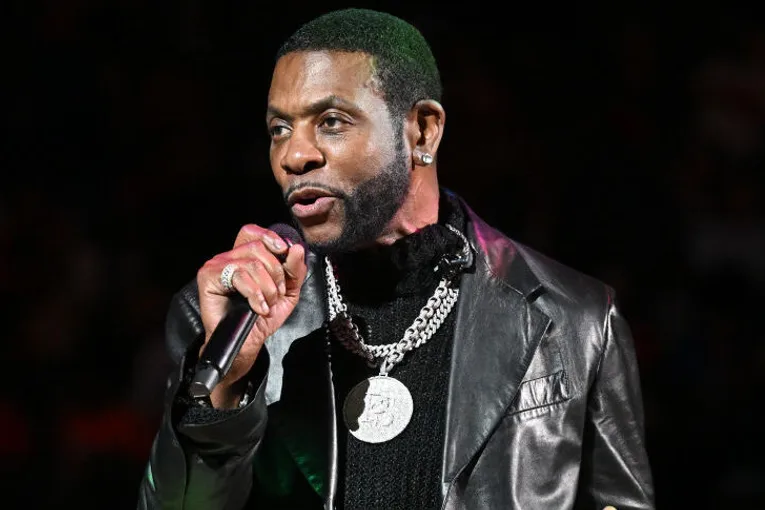
Keith Sweat brushed off online criticism with a groove instead of an apology, sharing a video of himself dancing to Kendrick Lamar’s “peekaboo” after comments about “entitled” single women sparked backlash. The 63-year-old R&B icon appeared carefree in the Instagram clip, captioned, “We ain’t worried about nothin the haters gotta say. Enjoy life.”
But in the comment section, Sweat defended his stance. “Y’all tripping. I cook and clean and I don’t have to,” he wrote. “What’s the problem? I said a lot of women don’t even do what I do.”
He added, “If you don’t fall into that category, why y’all trippin? Still love y’all anyway. Back to doing my dance.”
The controversy began during a recent performance, when Sweat criticized women who, in his words, no longer share domestic responsibilities.
“You gotta bring something to the table to get something from me,” he told the crowd. “They don’t want to cook no more. I wash and iron my own clothes. You gotta do something for me.”
The comments quickly circulated online, with many labeling them outdated. Critics accused him of echoing misogynistic talking points often found on social media.
“If Keith Sweat, with all his fame and hits, still can’t find a woman to cook and iron for him, maybe he’s the problem,” one user posted. Another said, “When did Keith start quoting red pill Twitter?”
Rather than walk back his statements, Sweat offered a brief clarification: “I didn’t say all. I said a lot of women. Not all. Y’all need to listen lol.”
The fallout hasn’t slowed his posts, but it has reignited larger conversations about gender roles, generational views, and the expectations placed on public figures. A singer once celebrated for romantic sensitivity now faces a digital climate that challenges nostalgic views with sharper scrutiny.
Whether his fans agree or not, the moment underscores how quickly personal remarks can turn into public flashpoints in the age of social media.
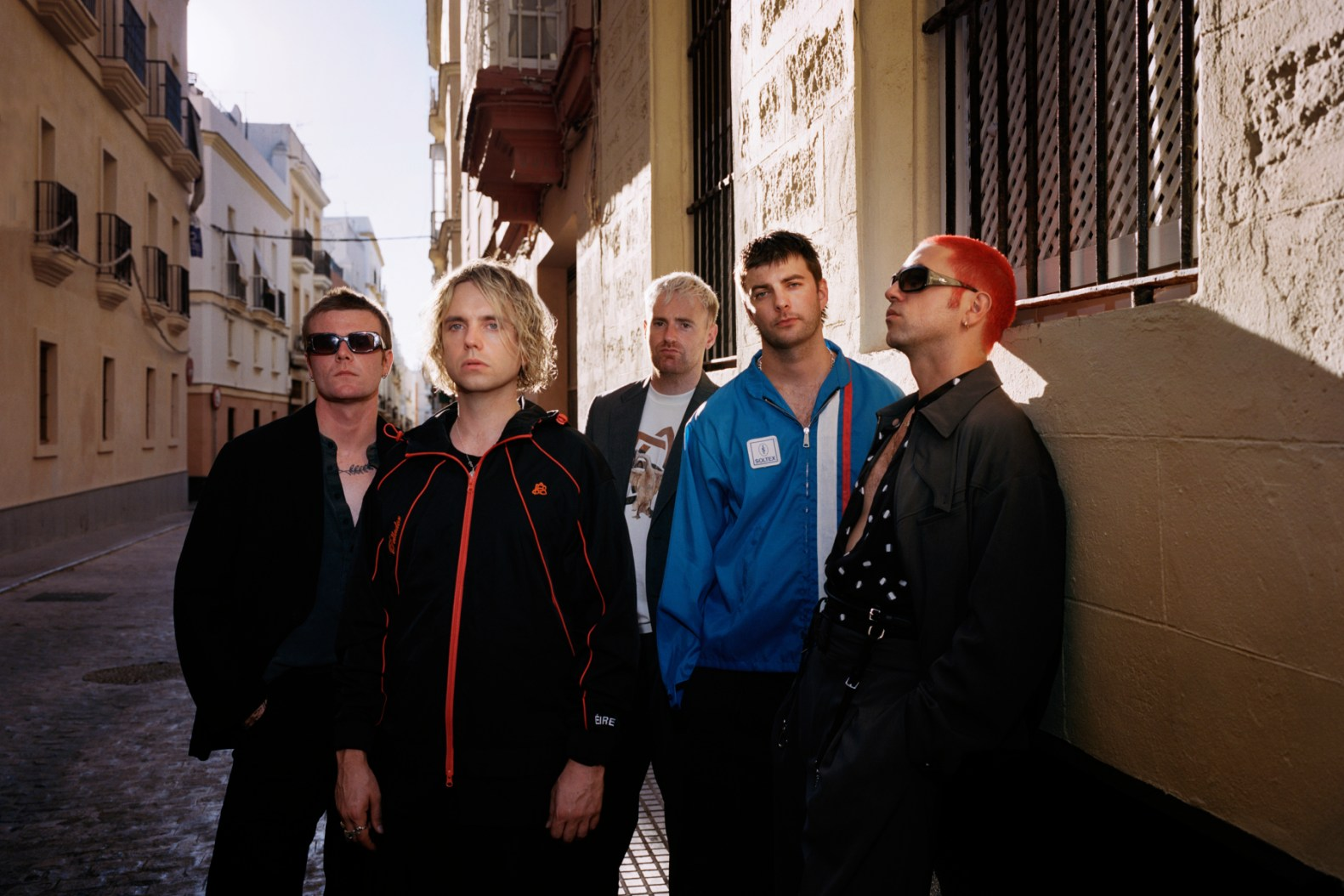
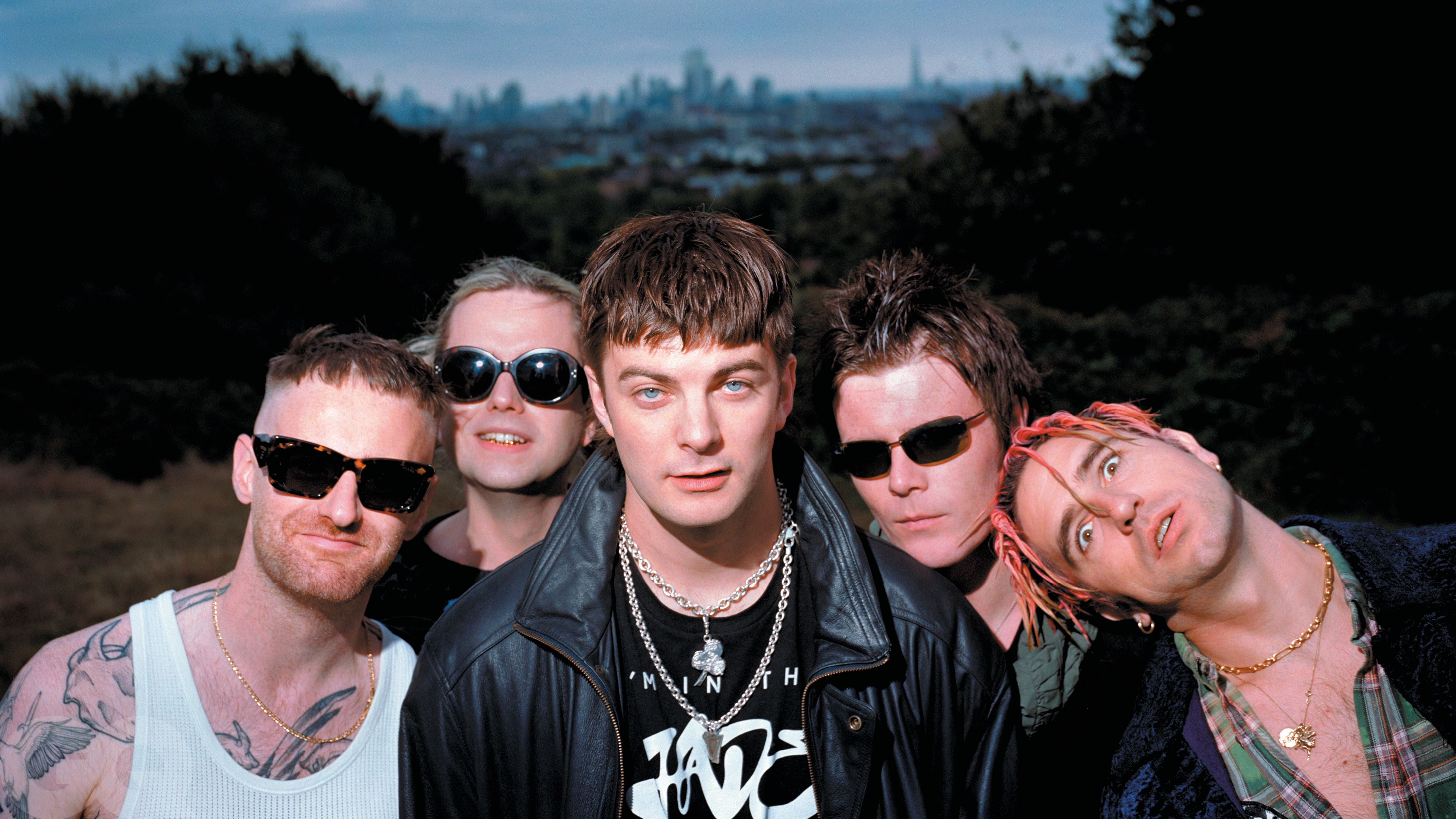
Fontaines D.C. have teamed up with Rosalía for their new collaboration, Where Is Gone?.
The song features on the Irish rock band's forthcoming album, Dopamine Chamber, which arrives on Friday (16.10.26). For guitarist Carlos O’Connell, working with the Spanish superstar is particularly special because of his own Spanish roots.
He explained: “I’ve admired Rosalía ever since her debut album, which I thought was absolutely beautiful.
“What excited me most was the way she continued to preserve Spain's musical traditions, something that felt spiritually connected to what we've been trying to achieve with Irish music. Having roots in both countries, it's been really special to witness. "She's an artist who has continued to amaze me at every point in her career.”
Frontman Grian Chatten has also described the collaboration with Rosalía as one of the most memorable achievements of his career.
He revealed that he felt "humbled" when she agreed to lend her voice to the band's album.
Speaking to NPR, Grian said: “I've always felt there's something almost like a single big idea that I'm personally trying to communicate to the world before I get old and die, if that makes sense. There's one thing I think I'll spend my life trying to express. I have a feeling she has a similar outlook. … I mean, she's an amazing arranger, composer and lyricist. It means so much that she wanted to sing on something we'd put together. It's definitely one of the highlights of my career.”
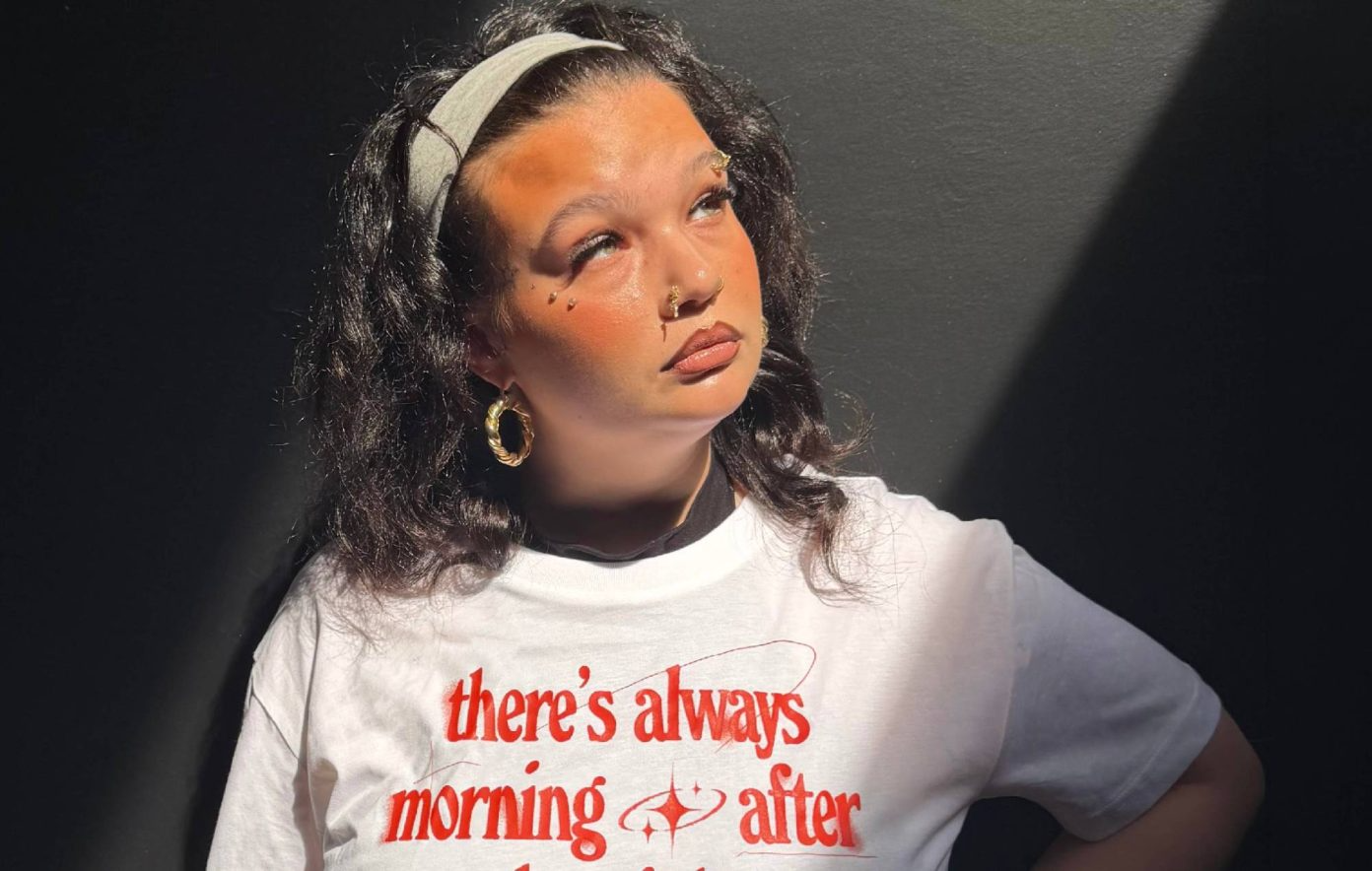
Rosalía's links to Irish rock music extend beyond Fontaines D.C. She also offered inspiration and helped develop the Spanish lyrics for U2's The Mirror Maker (Rosalía), a track from their forthcoming album, Carnaval de Luz.
During an appearance on The Tonight Show Starring Jimmy Fallon last week, she spoke about frontman Bono, saying: “I don't know him personally, but he sent me a text explaining that he was working on a new project and had written a song called The Mirror Maker."
Rosalía joked that Bono had invented a few words of his own.
She recalled telling him: “I wasn't sure what to make of it, but I told him he could create his own language if he wanted to.”
She described the opportunity to collaborate with the 66 year old music veteran as a real privilege.
She added: “Bono is a legend.
“It's amazing.”
Bono recently revealed that he was worried about seeming like a stalker when he reached out to Rosalía to ask whether he could name the song after her.