NEWS

Swizz Beatz and Timbaland had to address fans again about claims of selling out their popular brand Verzuz. During a livestream including the two superproducers, Jay-Z engineer Young Guru, and media personality 19Keys, Swizz refuted sold out remarks.
A fan claiming Swizz Beatz and Timbaland sold out when Verzuz sold to Triller, Swizz clarified the valuation. "We ain't sell out, we sold in," said Swizz. "I ain't never sold out a day in my life... Sold out for what? It ain't enough money to sell out... We sold into a idea. Verzuz didn't have an valuation because we gave it to the people for free... These are well thought out plans, not freestyles."
Swizz Beatz reveals that they should have better communicationn with fans about updates regarding Verzuz. "I don't expect people to understand what we doing," said Swizz Beatz. "That is the only thing I could have critique, we could have communicated it to the people better."
Verzuz kicked off in March 2020 when Timbaland and Swizz Beatz hopped on IG Live for a friendly beat battle. Quarantine had folks locked in, and this clash lit up the timeline. What started as two legends going hit-for-hit turned into a full-blown cultural moment.
Fans tuned in heavy to see icons face off—RZA vs. DJ Premier, Jill Scott vs. Erykah Badu, and more. It was nostalgia mixed with respect, straight from the culture.
As the buzz grew, Verzuz leveled up. They linked with Apple Music, then got scooped by Triller in 2021. Battles moved from phones to stages, with real crowds, crisp visuals, and brand deals rolling in. The Lox vs. Dipset and Jeezy vs. Gucci had streets and screens going wild, stamping Verzuz as a new era staple.
By 2022, the wave slowed, but the impact stayed. Timbo and Swizz took the reins back and are plotting the next move. Verzuz still stands as a love letter to Black music—raw, real, and unfiltered.
It flipped the game, showing how legends and fans can connect without middlemen. Legacy meets livestream, and the culture keeps winning.
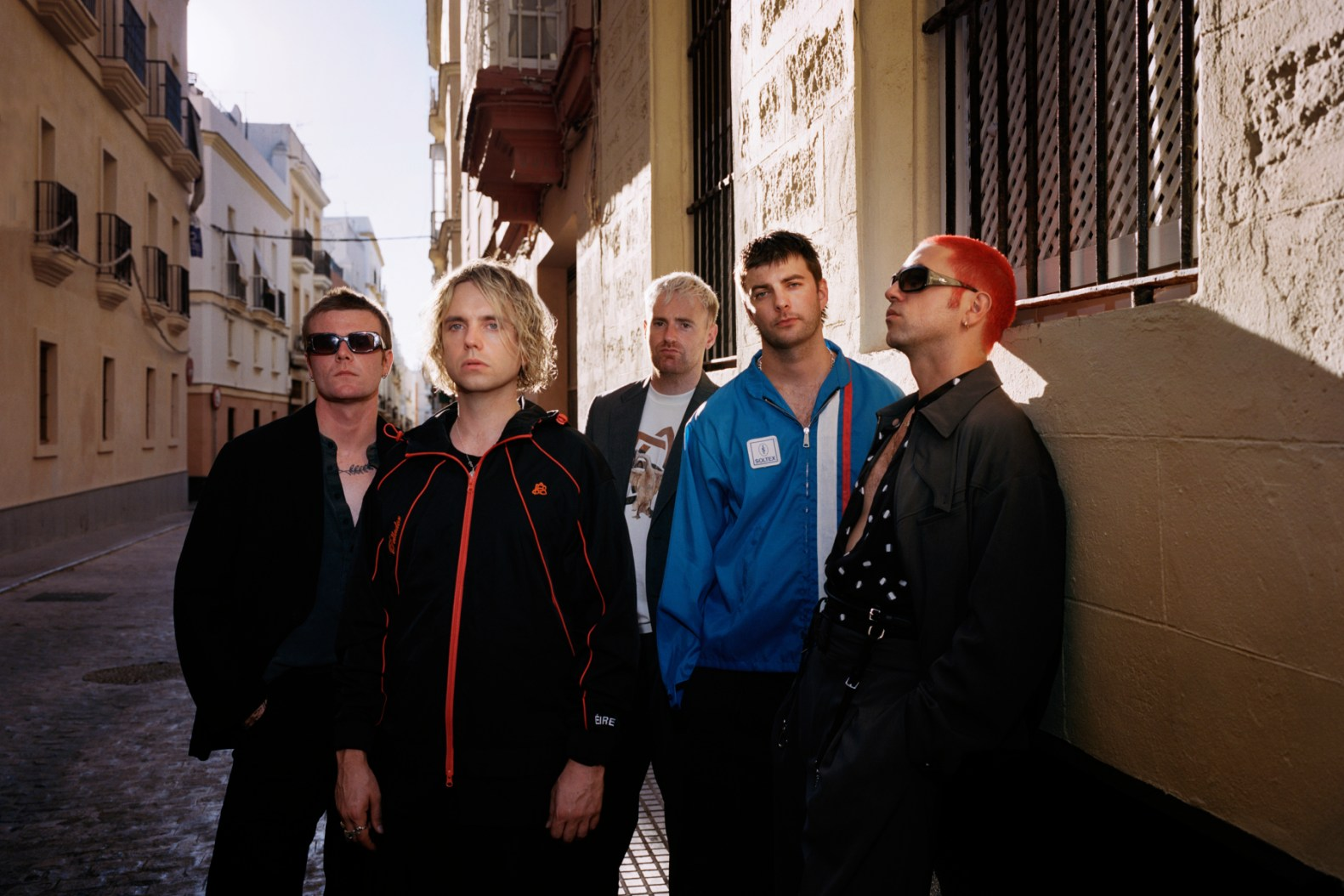
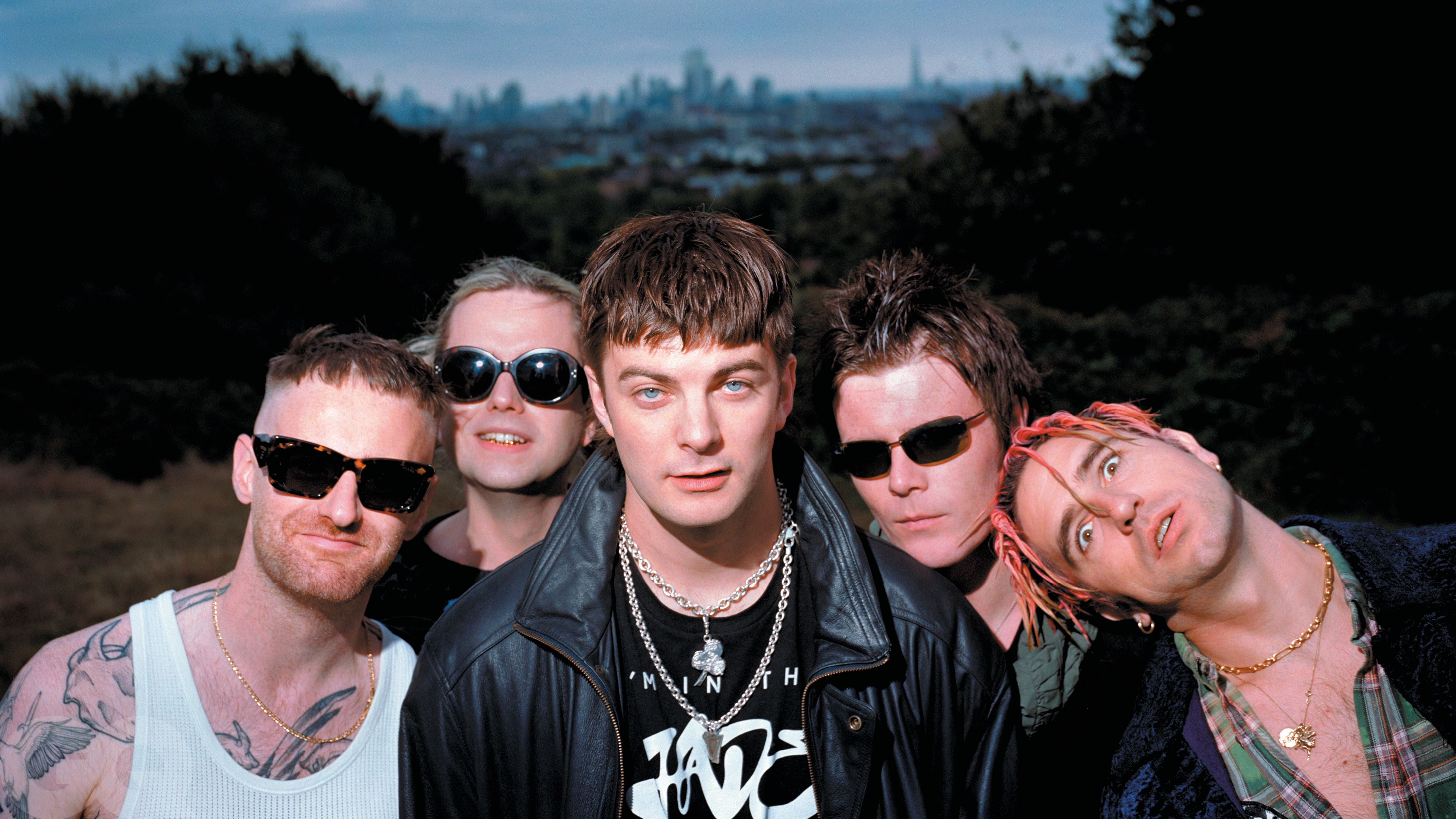
Fontaines D.C. have teamed up with Rosalía for their new collaboration, Where Is Gone?.
The song features on the Irish rock band's forthcoming album, Dopamine Chamber, which arrives on Friday (16.10.26). For guitarist Carlos O’Connell, working with the Spanish superstar is particularly special because of his own Spanish roots.
He explained: “I’ve admired Rosalía ever since her debut album, which I thought was absolutely beautiful.
“What excited me most was the way she continued to preserve Spain's musical traditions, something that felt spiritually connected to what we've been trying to achieve with Irish music. Having roots in both countries, it's been really special to witness. "She's an artist who has continued to amaze me at every point in her career.”
Frontman Grian Chatten has also described the collaboration with Rosalía as one of the most memorable achievements of his career.
He revealed that he felt "humbled" when she agreed to lend her voice to the band's album.
Speaking to NPR, Grian said: “I've always felt there's something almost like a single big idea that I'm personally trying to communicate to the world before I get old and die, if that makes sense. There's one thing I think I'll spend my life trying to express. I have a feeling she has a similar outlook. … I mean, she's an amazing arranger, composer and lyricist. It means so much that she wanted to sing on something we'd put together. It's definitely one of the highlights of my career.”
Rosalía's links to Irish rock music extend beyond Fontaines D.C. She also offered inspiration and helped develop the Spanish lyrics for U2's The Mirror Maker (Rosalía), a track from their forthcoming album, Carnaval de Luz.
During an appearance on The Tonight Show Starring Jimmy Fallon last week, she spoke about frontman Bono, saying: “I don't know him personally, but he sent me a text explaining that he was working on a new project and had written a song called The Mirror Maker."
Rosalía joked that Bono had invented a few words of his own.
She recalled telling him: “I wasn't sure what to make of it, but I told him he could create his own language if he wanted to.”
She described the opportunity to collaborate with the 66 year old music veteran as a real privilege.
She added: “Bono is a legend.
“It's amazing.”
Bono recently revealed that he was worried about seeming like a stalker when he reached out to Rosalía to ask whether he could name the song after her.