NEWS

Young Guru, Jay-Z's engineer, joined fans and industry veterans alike bashing superproducer Timabaland announcement of launching an A.I. entertiainment label.
While longtime friends, Guru would share his thoughts on Timbo's involvement with artifical intelligance in a Instagram cover. Respectfully in disagreeance, Young Guru wrote the following:
"I'm going to say it again. I swear I love you bro but this ain't it. Do you not realize what is going on in the world. Your voice is powerful and way too important to do anything like this. I have students who worship you. They are going to say 'if Tim can do it, then it is ok for me to do it.' These are the times, right here, that history is defined.. Human expression can never be reduced to this!!! This is way bigger than music!!! I say this in all love."
In response, Timbaland shared a video featuring an AI-generated character who mocked critics. “Y’all crying about AI taking your spot, but your songs barely mix,” it joked, drawing more heat for its tone. Rapper Rexx Life Raj said, “Unc went out sad,” while Lauren Speed-Hamilton questioned AI’s growing grip on entertainment.
Doubling down, Timbaland posted a clip of music exec Ray Daniels defending the concept. Comparing Tata to cartoon icons like Mickey Mouse, Daniels claimed AI artists can sell music just like animated characters sell toys. Timbaland later clarified that he still collaborates with real artists and doesn’t train AI models on their work.
Despite his reassurances, the controversy continues. For critics like Guru, the debate isn’t just about tech—it’s about preserving the soul of music.
A.I. been creepin’ into hip-hop for a minute now. At first, it was just helpin' producers cook up beats and melodies with apps like Amper and Magenta. Then came the next-gen Auto-Tune, flippin’ voices like magic.
By the late 2010s, bots were spittin’ bars, copyin’ legends like ‘Pac and Em. Deepfakes took it further—fans makin’ ghost verses from dead or livin’ rappers. Kanye and Timbo tapped in heavy, but not everybody’s feelin’ it.
When Ghostwriter and Timbaland’s AI artist Tata dropped in 2023, it sparked real talk
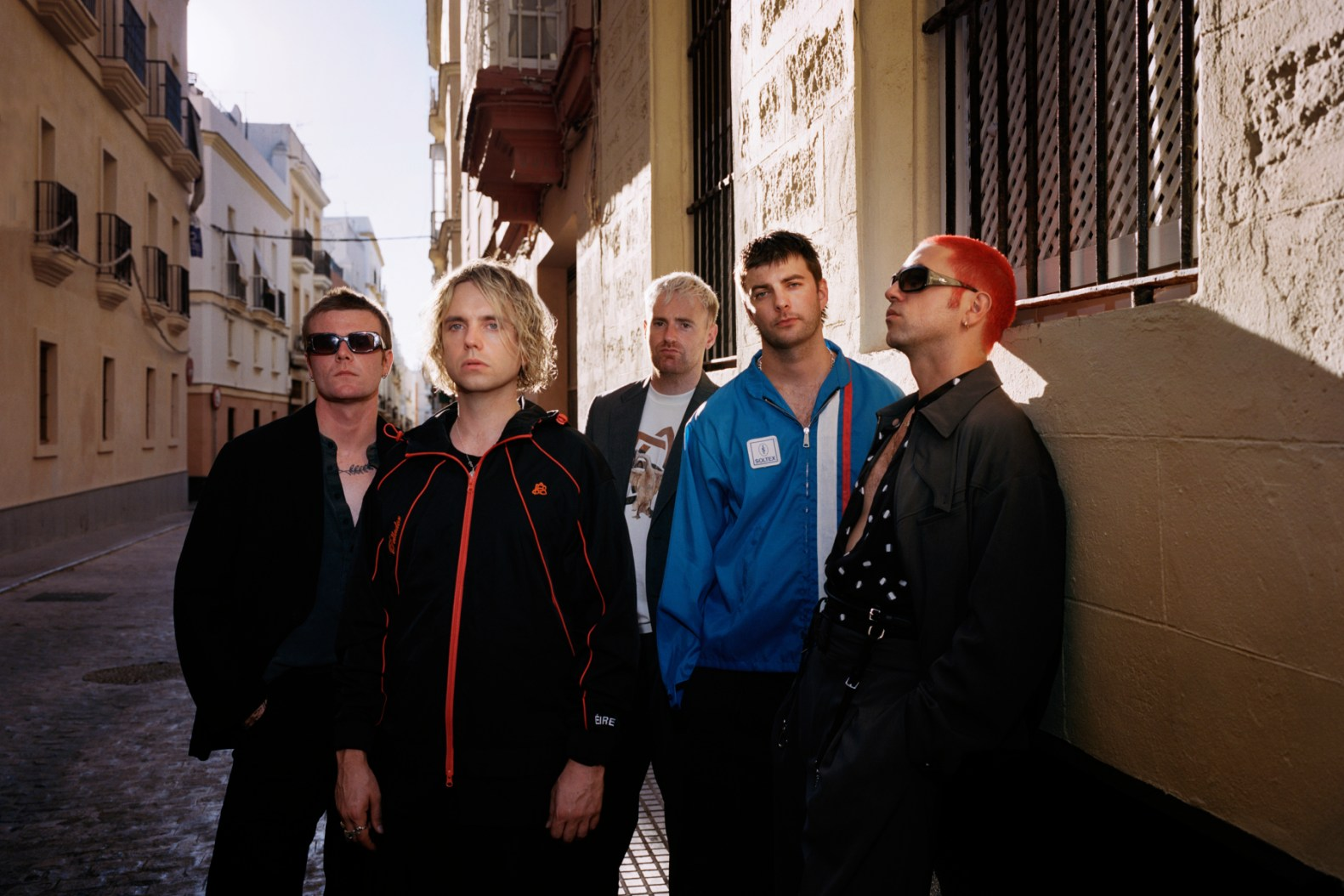
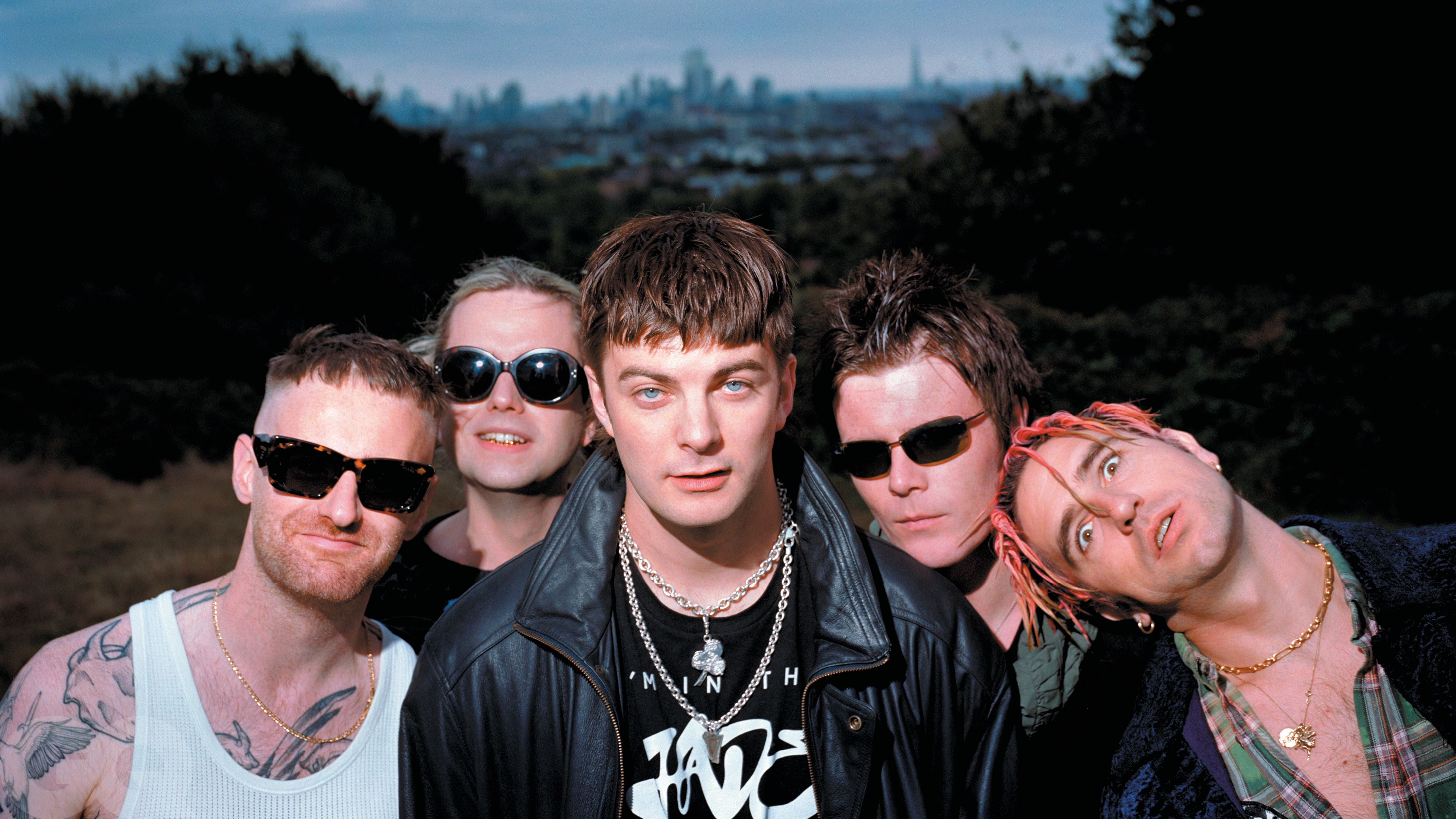
Fontaines D.C. have teamed up with Rosalía for their new collaboration, Where Is Gone?.
The song features on the Irish rock band's forthcoming album, Dopamine Chamber, which arrives on Friday (16.10.26). For guitarist Carlos O’Connell, working with the Spanish superstar is particularly special because of his own Spanish roots.
He explained: “I’ve admired Rosalía ever since her debut album, which I thought was absolutely beautiful.
“What excited me most was the way she continued to preserve Spain's musical traditions, something that felt spiritually connected to what we've been trying to achieve with Irish music. Having roots in both countries, it's been really special to witness. "She's an artist who has continued to amaze me at every point in her career.”
Frontman Grian Chatten has also described the collaboration with Rosalía as one of the most memorable achievements of his career.
He revealed that he felt "humbled" when she agreed to lend her voice to the band's album.
Speaking to NPR, Grian said: “I've always felt there's something almost like a single big idea that I'm personally trying to communicate to the world before I get old and die, if that makes sense. There's one thing I think I'll spend my life trying to express. I have a feeling she has a similar outlook. … I mean, she's an amazing arranger, composer and lyricist. It means so much that she wanted to sing on something we'd put together. It's definitely one of the highlights of my career.”
Rosalía's links to Irish rock music extend beyond Fontaines D.C. She also offered inspiration and helped develop the Spanish lyrics for U2's The Mirror Maker (Rosalía), a track from their forthcoming album, Carnaval de Luz.
During an appearance on The Tonight Show Starring Jimmy Fallon last week, she spoke about frontman Bono, saying: “I don't know him personally, but he sent me a text explaining that he was working on a new project and had written a song called The Mirror Maker."
Rosalía joked that Bono had invented a few words of his own.
She recalled telling him: “I wasn't sure what to make of it, but I told him he could create his own language if he wanted to.”
She described the opportunity to collaborate with the 66 year old music veteran as a real privilege.
She added: “Bono is a legend.
“It's amazing.”
Bono recently revealed that he was worried about seeming like a stalker when he reached out to Rosalía to ask whether he could name the song after her.