NEWS

The Diddy trial had one more witness testimony to hear from before it wrapped up on Monday (May 19). This followed statements from Cassie Ventura, Dawn Richard, a Homeland Security special agent, and Ventura's former best friend Kerry Morgan over the past two weeks.
Per Matthew Russell Lee of the Inner City Press, the court called upon David James, Sean Combs' personal assistant from 2007 to 2009. Lee live-tweeted courtroom updates from the subpoenaed witness, which were caught by Akademiks TV on Instagram.
James described some of his duties as a Bad Boy assistant, such as making logistics spreadsheets and assisting with his travel and other outings. Also, he said that Puff had five "girlfriends" at the time: Kim Porter, Cassie, and women named Sarah, Tara, and Yana.
The former personal assistant alleged that he met Ventura on Star Island with Kerry Morgan. Cassie allegedly said this Diddy lifestyle was "crazy." When asked why she didn't leave, she allegedly said Combs controls her life, her music, and her financial situation, since he was paying for her apartment.
Then, David James recalled an alleged set of statements from the music and business executive. "Kim is my queen, out in L.A. with my family," Combs allegedly remarked. "I have Cassie right where I want her, she's young and moldable."
Beyond witness testimonies from all these individuals, though, other Diddy trial updates relate to evidence in the case. The court recently submitted two sets of photos as trial evidence. These are Ventura's alleged injuries due to Puffy's alleged physical abuse and photos of Combs' hotel room during his September 2024 arrest.
A special agent for the Department of Homeland Security, Yasin Binda, testified concerning the latter set of pictures. Federal authorities allegedly found drugs, baby oil, and lubricant in the hotel room.
Most of the testimonies so far have mostly revolved around Diddy's alleged abuse of Cassie, although this could change very quickly. There are more witnesses to hear from and more evidence to scrutinize in the future. We will see if the prosecution and defense gets closer to the charges in due time.
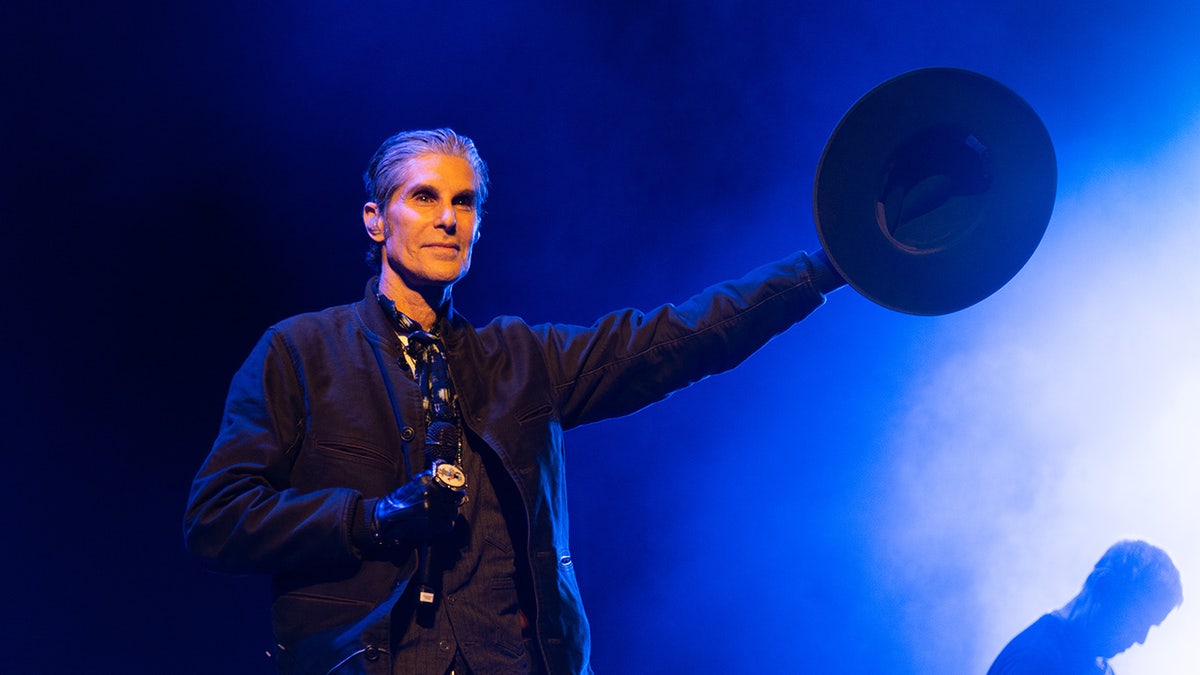
Perry Farrell has released another public apology following an on-stage confrontation involving his bandmate Dave Navarro.
The Jane's Addiction frontman was involved in a physical altercation with guitarist Dave Navarro last year during a live performance, an incident that prompted the band to cancel their reunion tour and eventually led to their split.
“I'd like to address what happened on stage last year,” Perry, 66, said in a statement shared across both his personal Instagram account and Jane's Addiction’s official page. “I've reflected on it and know I didn't handle myself the way I should have. I apologize to our patrons and my bandmates for losing my temper and for disrupting the show.”
He went on to admit that he did not meet fan expectations and described himself as deeply remorseful toward everyone impacted by the incident.
“Jane's Addiction has been at the center of my life for decades. The band, the songs, the patrons, and the impact that we've had on music and culture mean more to me than any words I could ever possibly write down,” he shared.
“My aim has always been to give our audience the best possible show, something real, honest and positive. In Boston, we fell short of that, and I'm truly sorry to everyone who was impacted.”
Jane's Addiction also issued its own statement regarding the altercation, which ultimately led to the group’s remaining members filing a lawsuit against Perry alleging assault, battery, intentional infliction of emotional distress, negligence, breach of fiduciary duty, and breach of contract.
“Today we are here to announce that we have come together one last time to resolve our differences, so that the legacy of Jane's Addiction will remain the work the four of us created together,” the band wrote, signaling that the group would not move forward with Perry. “We now look forward to the future as we embark on our separate musical and creative endeavors.”