
On March 14, Playboi Carti released his long-awaited third album, MUSIC. The album featured a long line of collaborators, including Lil Uzi Vert and three different appearances from Kendrick Lamar. However, one big name was conspicuously absent from the tracklist: Kanye West. West co-produced the song “BACKD00R,” a track that featured Lamar and Jhene Aiko. He did not rap on the album, which he attributed to Carti's fear of including him after his latest string of hateful activity on X.
Following a back-and-forth that included Iggy Azalea (the mother of Carti’s son) asking West not to name-drop her and Carti’s young son and Carti telling Ye to “STFU” in an X post that’s since garnered over 750,000 likes, it seems that a once-productive relationship is no more. But, how did we get here? How did their creative partnership, which resulted in several hit singles and platinum records, turn so sour, so quickly? Let’s take a look at their history and what led to such an explosive fallout.
After Playboi Carti relocated to New York City in 2016, he signed with AWGE and joined A$AP Mob. Joining A$AP Mob and working with de facto collective leader A$AP Rocky proved to be his way into more mainstream music circles, as he was still an aspiring artist with a cult following before that meeting. The following year, Kanye West, who Carti called a “fashion inspiration” in a Vogue Magazine interview shortly after releasing his self-titled debut mixtape, cast him as a model for his popular Yeezy clothing brand, marking the first time the two ever crossed paths.
On December 25, 2020, Playboi Carti released Whole Lotta Red, his second album. Carti experienced viral success ahead of the album’s release, with the unreleased track “Pissy Pamper” dominating TikTok in 2019 and 2020. He also appeared on the song “Pain 1993,” a collaboration with Drake. Carti had expectations to deliver on, and one of the men who helped him meet those expectations was Kanye West.
West, who was deep into his short-lived rebrand as a Christian rapper, was the executive producer of Whole Lotta Red. In a conversation with Kid Cudi for Interview Magazine, Carti called West “the OG.” He showed his appreciation for West and how he operated. “Being able to talk to somebody who understands what I’m saying, I got that from his whole camp. I felt that energy from everybody he deals with.” Carti also called him the “ultimate big bro.”
Whole Lotta Red divided fans initially, with the new aesthetic being much different from his self-titled mixtape and Die Lit. Despite that, fans quickly latched onto “Go2DaMoon,” the track with West. Despite his growing list of controversies, as well as the potential hypocrisy of being a self-professed “Christian rapper” and having such a large role in the creation of a Playboi Carti album, West was among the most celebrated hip-hop artists of the 21st century. His co-signs mattered. Whole Lotta Red is still a divisive release, but nearly five years later, it’s a foundational recording in the rage subgenre of trap music.
In 2021, Kanye West released Donda, his tenth album. The song “Off The Grid,” featuring contributions from Playboi Carti and Fivio Foreign, immediately became a fan favorite. Fans and critics called it one of the best hip-hop songs of 2021. The track also experienced success numbers-wise, peaking at #11 on the Billboard Hot 100 and going platinum.
To open 2024, West and Carti reunited for several more songs, which appeared on West and Ty Dolla $ign’s Vultures collaborative albums. Of the several songs they made, “CARNIVAL,” from Vultures 1, was the topic of most discussions. West received most of the criticism for calling himself “Ye Kelly” and making references to Bill Cosby, Diddy, and Jesus. Carti received praise for his verse and energy on the track, one of the highlights on an album met with an otherwise lukewarm response. “CARNIVAL” became far and away the biggest hit of the Ye-Carti partnership. It was West’s fifth #1 single on the Hot 100 and Carti’s first. It’s also been certified double platinum. Even as West’s already precarious public image continued to deteriorate, he and Carti continued to find success musically.
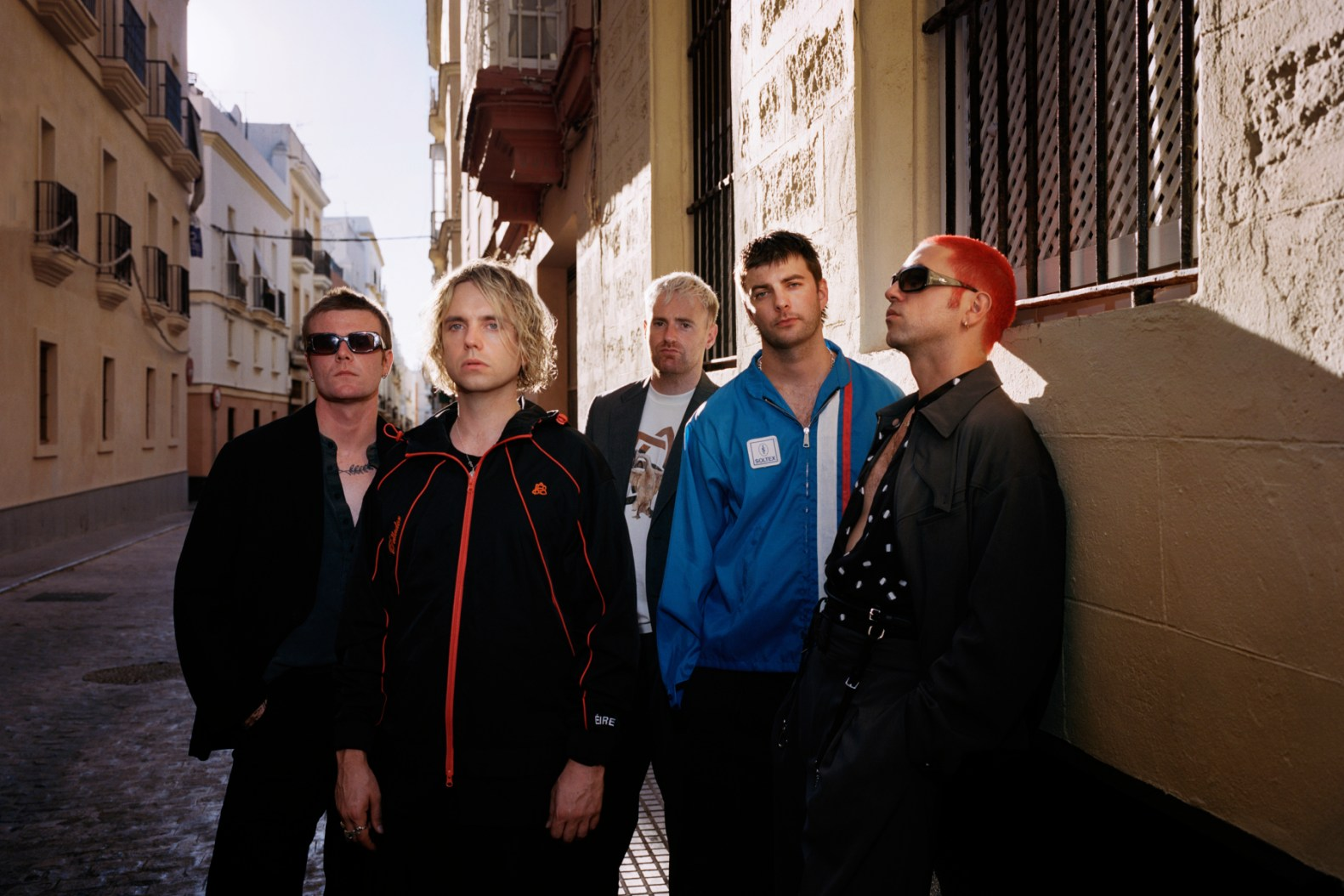
Fontaines D.C. have teamed up with Rosalía for their new collaboration, Where Is Gone?.
The song features on the Irish rock band's forthcoming album, Dopamine Chamber, which arrives on Friday (16.10.26). For guitarist Carlos O’Connell, working with the Spanish superstar is particularly special because of his own Spanish roots.
He explained: “I’ve admired Rosalía ever since her debut album, which I thought was absolutely beautiful.
“What excited me most was the way she continued to preserve Spain's musical traditions, something that felt spiritually connected to what we've been trying to achieve with Irish music. Having roots in both countries, it's been really special to witness. "She's an artist who has continued to amaze me at every point in her career.”
Frontman Grian Chatten has also described the collaboration with Rosalía as one of the most memorable achievements of his career.
He revealed that he felt "humbled" when she agreed to lend her voice to the band's album.
Speaking to NPR, Grian said: “I've always felt there's something almost like a single big idea that I'm personally trying to communicate to the world before I get old and die, if that makes sense. There's one thing I think I'll spend my life trying to express. I have a feeling she has a similar outlook. … I mean, she's an amazing arranger, composer and lyricist. It means so much that she wanted to sing on something we'd put together. It's definitely one of the highlights of my career.”
Rosalía's links to Irish rock music extend beyond Fontaines D.C. She also offered inspiration and helped develop the Spanish lyrics for U2's The Mirror Maker (Rosalía), a track from their forthcoming album, Carnaval de Luz.
During an appearance on The Tonight Show Starring Jimmy Fallon last week, she spoke about frontman Bono, saying: “I don't know him personally, but he sent me a text explaining that he was working on a new project and had written a song called The Mirror Maker."
Rosalía joked that Bono had invented a few words of his own.
She recalled telling him: “I wasn't sure what to make of it, but I told him he could create his own language if he wanted to.”
She described the opportunity to collaborate with the 66 year old music veteran as a real privilege.
She added: “Bono is a legend.
“It's amazing.”
Bono recently revealed that he was worried about seeming like a stalker when he reached out to Rosalía to ask whether he could name the song after her.