
.jpg)
One morning I woke up and suddenly Tommy Richman went from the white boy Brent Faiyaz took under his wing to a viral pop-R&B sensation. The track that carried him there was an intentionally grainy snippet of “Million Dollar Baby,” which shot to the stars on TikTok. In the clip, uploaded in April, Richman and his crew are in the studio, bumping along to the vibey single as the volume is cranked up so loud that the drums crackle like you’re watching a 360p rip of ’90s Three 6 Mafia footage on YouTube.
The song resonated so strongly that one of the two versions of the song uploaded to streaming services was labeled “Million Dollar Baby (VHS),” made to recapture the way his frothy melodies are drowned out by the blown-out bounce. Instantly it was one of the biggest hits of the year, eventually peaking at No. 2 on the Billboard Hot 100. It happened so fast that it drew some outrage, from loudmouthed podcaster Joe Budden who said, “I never wanna hear that Tommy Richman nigga again!” and Hot 97’s Funk Flex who exclaimed, hilariously, “If you’re someone that likes this song, you are a clown!” before playing the track anyway as if he was being held at gunpoint.
As someone all for shitting on the overplayed pop song of the moment, Flex and Budden were doing a lot. Actually, “Million Dollar Baby” is pretty cool. It’s about absolutely nothing but that doesn’t matter because of all the songs you’re prone to hear on the radio or at a bar it sounds distinct enough to stand out every time it comes on. Richman takes his label boss Brent’s laid-back falsetto up a notch and mashes that trendy vocal style with a thudding beat that sounds like the early 2010s Memphis-inspired thunderstorms of Bones brightened with some extra synths. And if you squint hard enough, his ghostly croons have a touch of Bone Thugs-n-Harmony to them, but, of course, without the emotional weight.
The music Richman was making before “Million Dollar Baby” had some of these qualities, too, as the 24-year-old Woodrbidge, Virginia native, who is said to be named after the drummer of Mötley Crüe, has been tinkering with these airy vocals inside of hit-or-miss genre experiments for years now. The best stuff was either borderline beachy indie rock or Brent gone groovy. There’s a sick feature he has on the 2023 mixtape of Maryland producer Sparkheem—a co-producer of “Million Dollar Baby” popular for his go go-infused DMV crank—that had me wondering if he was born to be one of those R&B hook specialists in an old rap clique, like Doughboy Clay of Doughboyz Cashout or Mo B. Dick of No Limit. But Coyote isn’t as interesting as any of that, choosing to tone down much of the hip-hop influence for safe, inoffensive playlist-R&B.
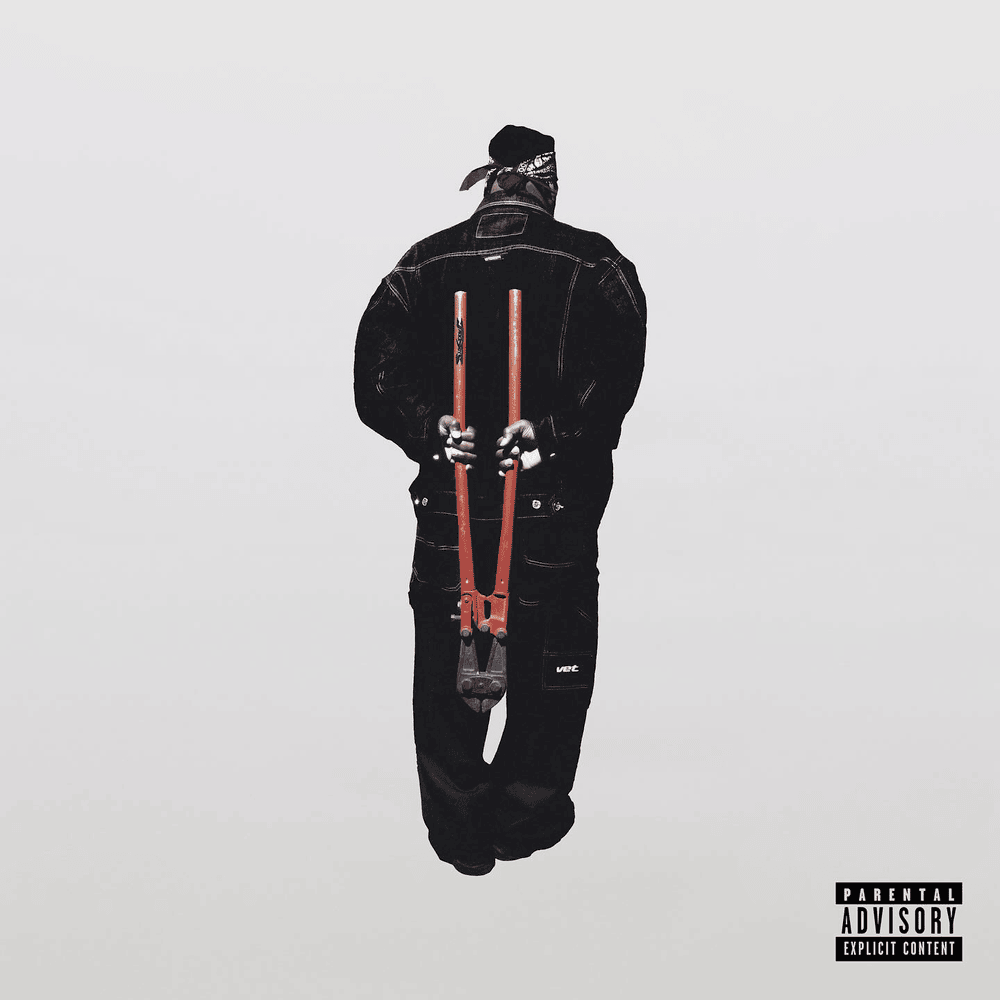
“Million Dollar Baby” is not on Coyote, he wrote, “ART WILL ALWAYS LAST. VIRALITY COMES AND GOES!” The thought seems to be to distance himself from TikTok and to prove to the world that he is more than a one-hit wonder. Reasonable, if the big plan wasn’t to be what the Spotify algorithm recommends to you after listening to Dawn FM or Gemini Rights. Produced mostly by Jonah Roy, with a whole team of co-contributors, the album wants us to really, really know its roots are in ’80s funk and Black pop (he claims to have listened to a bunch of Michael Jackson while making the album) but that music feels skimmed through instead of soaked in. Tracks like, “Whitney,” named after the pop star, and “Vanity” (which may or may not be a reference to the former Prince protégé and Action Jackson co-star) aren’t distractingly bad, but he doesn’t have the soul to pull off the big, ambitious vocal performances. Instead the project is much closer to sounding like the synthier fringes of Toro y Moi and the softer songs off of Tyler, the Creator’s Cherry Bomb. Without a ton of personality, songs in this mid-tempo, chilled-out mold feel straight off the assembly line.
Coasting on familiarity, the emptiness of his music becomes a bigger issue. There’s one standout story on “Green Therapy” where he smacks his dad, but otherwise he’s not funny or observant or raw. Cooing “You think I’m oblivious, but damn, I really see everything in everything” on “Temptations” wouldn’t be so dull if the song did more than sound like Silk Sonic’s Motown karaoke but without the endearing dorkiness. Bland lines like, “And I got some time I wanna waste with you” on “Give It All” are supposed to punch through his lilting falsetto but just get swept up in the beat’s generic breeze. The intro, “Elephant in the Room,” a dreamy number about finding the light at the end of the tunnel or whatever, sets the album’s tone: more coffee shop music.
What Richman has going for him is his voice, especially when the beats have some oomph and don’t just sound made to be faintly heard in a PacSun. “Tennessee” is a frat rap twerk jam where his smooth talk-sing has the natural swag of throwback Pharrell hooks. “Thought You Were the One” has some zip, too, his wispy melodies settle into a good rhythm as the beat catches an intoxicating thump like you’re walking closer and closer to a block party.
If Richman is in the Brent Fayiaz apprenticeship program, he’s still got a ways to go. The R&B star’s greatest music—Fuck the World, his feature on “Swish/Use 2,” the Wasteland singles—is so much more than cool. It’s the kind of music you might mistake as background filler, but then, you get caught up in the mess: Wait, what did he say? Is this guy a dickhead? What’s his problem? Before you know it, his cycle of club nights and failed relationships feel like an entire world that you can’t wait to dig into further. Meanwhile, Coyote is tasteful, feel-good pop hoping to quietly assimilate its way into the machine. That is such a bore.
ALBUM REVIEWS
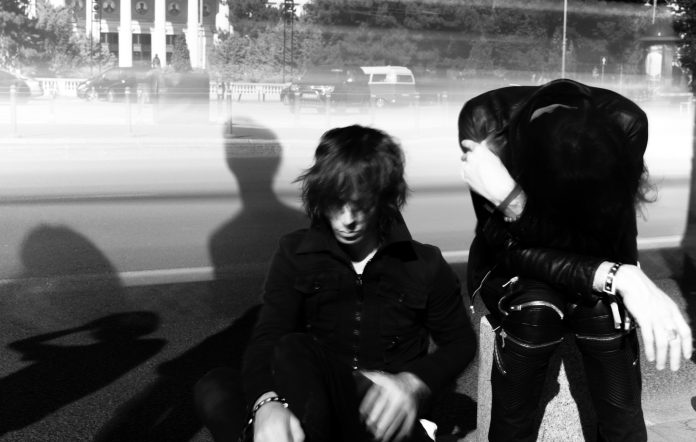
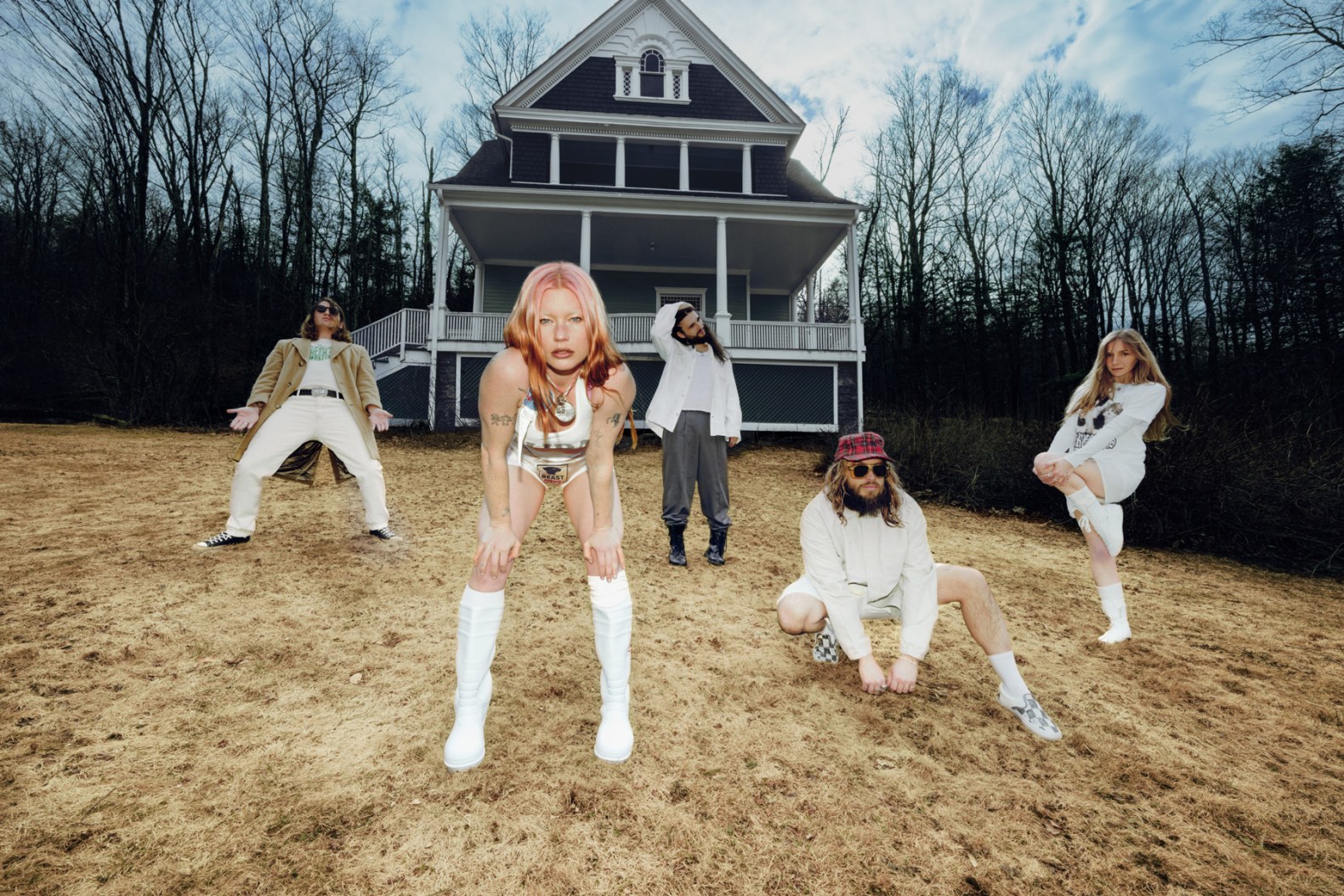
The leather jackets and skinny jeans worn by Noah Dillon and Chandler Ransom Lucy have become something of a signature, and the pair have hovered around the edges of the pop worlds in New York and Los Angeles for quite some time. First highlighted by NME during the Dimes Square resurgence in 2023, The Hellp have gradually stepped away from their earlier indie-sleaze imitation and leaned into something far more thoughtful. Their wild, neon-tinged party vibe has been traded for a more cinematic electronic approach that still holds onto a confident, self-aware attitude.
Dillon and Lucy started releasing music as The Hellp in 2016, with early mixtapes rooted in the chaotic nights and carefree behaviour once associated with NYC’s indie-sleaze staples like LCD Soundsystem and Yeah Yeah Yeahs. Over time, though, they’ve earned a steadily growing respect from critics. That rise has come through both their underground gigs, which have included a show at London’s Corsica Studios with Fakemink as support, and through Dillon’s expanding visual work that recently reached Rosalía’s ‘LUX’ album and a pair of music videos for 2hollis.
As ‘Riviera’ approached release, the duo shared: “We knew our next project would need to be a bit more mature… we refuse to become stagnant. ‘Riviera’ is more solemn, restrained and impassioned than anything we’ve done before.” The finished album feels like Dillon and Lucy carefully balancing identity and openness, theatricality and direct emotion.
The lead release, ‘Country Road’, carries a late-night heaviness, the kind of confession you would quietly tell a friend in a club’s smoking area. Its lonely tone is surrounded by glitching electronics and a rising bridge that points to the exhaustion that follows endless nights out. Tracks like ‘New Wave America’ and ‘Cortt’ deepen what the duo mention in their liner notes as a “desperate story of the disparate Americana.” Both pieces broaden the album’s emotional landscape and offer clear-eyed commentary on reluctantly stepping into adulthood.
When ‘Riviera’ shifts into ‘Doppler’, the tone brightens for a moment as hopeful synths lift Dillon’s words about yearning and heartbreak into an emotional peak. And in the final moments of the record, The Hellp land on something instantly familiar to anyone who has drifted away from the club scene. The Kavinsky-like opening of ‘Here I Am’ nods to their early inspirations, while the closing track ‘Live Forever’ arrives with a slow, grounded maturity, built around Dillon repeating the line: “I don’t want to live forever.”
‘Riviera’ holds far less disorder than The Hellp’s earlier releases. This turn inward marks an important risk for a duo once fuelled by the momentum of a downtown New York comeback. By easing off the frenzy, The Hellp have stepped out of the party’s lingering haze and returned with a style that feels more refined and more aware of itself than anything they have created before.