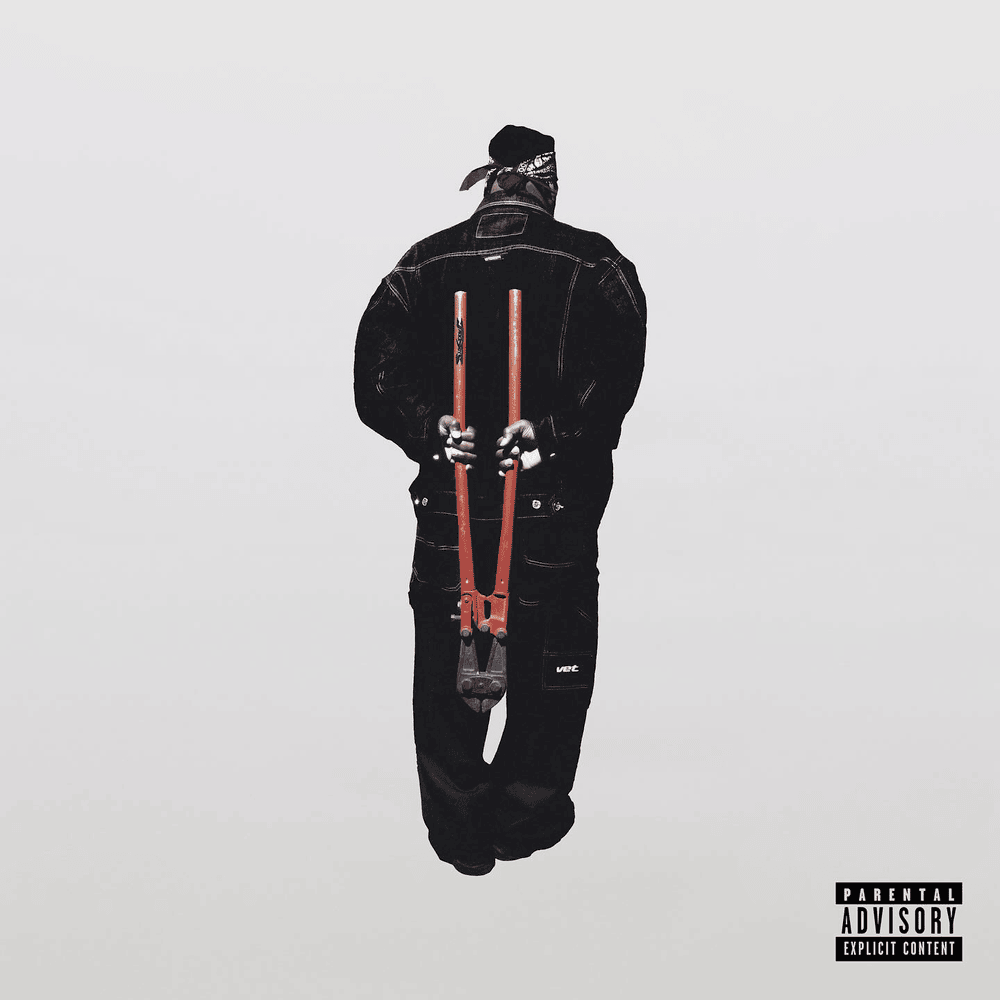

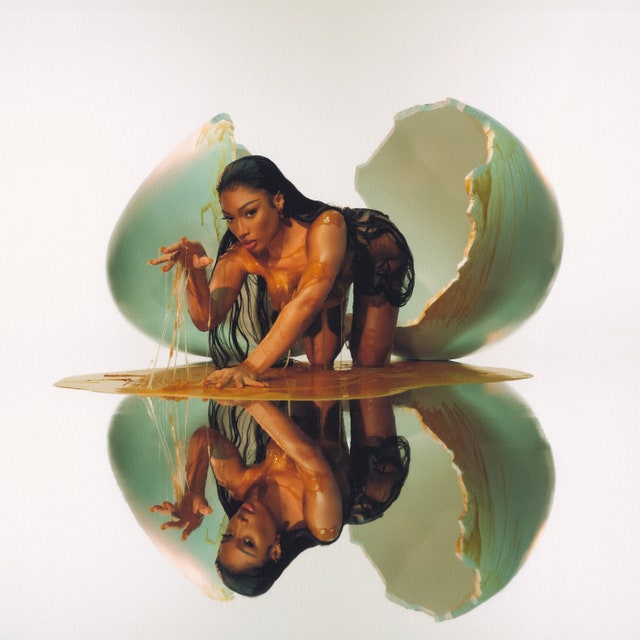
It is hard to overstate Megan Thee Stallion’s success: She is not just a rap star, but the kind of supercharged celebrity who appears in commercials and movies and hobnobs with pop stars, all while serving as the new flagbearer of Houston rap heritage. On MEGAN, her newest album, you can feel the pressure on her to keep all those plates spinning—to maintain momentum, to not fuck it up. After Tina Snow, the 2018 EP that cemented Megan as a rapper who’s as raunchy, funny, and charismatic as anyone, all of her full-length projects have, to varying degrees, felt like exercises in becoming everything to everyone. But it’s never been as distracting as it is on MEGAN, an uneven album so preoccupied with giving every single type of fan exactly what they want that it might as well be crowdsourced.
Do you share Megan’s infatuation with anime? Then you will get a thrill out of “Otaku Hot Girl,” which samples a song from Jujutsu Kaisen and features an intro from one of the show’s voice actors. Bankroll Got It’s drum-heavy flip of the soundtrack is uninteresting—though it’s not like he’s working with an anime renowned for its music—and the character references are earnest but unbearably corny. The better song that leans into her fondness for Japanese culture is the multilingual “Mamushi,” which pulls off the theme without flattening her personality. Maybe instead you need new Megan to play at your Pilates class: She’s got you with the feel-good “Worthy,” a Lizzo-coded pop song. Those muscles are put to more effective use on “Spin,” where the silky Victoria Monét hook complements aggressively flirty Megan verses. The fluffy finger-snap beat sounds like it could have been on Love/Hate. (Come to think of it, Megan would have ripped “Shawty Is Da Shit.”)
Then there are the songs for those deeply invested in Megan’s beefs and squabbles. I can picture fans gathering in group chats, dissecting subliminals and clues like they’re in an Agatha Christie book club. After the last three months, I’m all feuded out, so I’m less interested in that game. Still, she lands a few good jokes on “Hiss,” where she calls out the misogynistic dudes in rap who can’t keep her name out of their mouths. (Drake has had a one-sided vendetta toward her for a while now; Megan hits back with some BBL Drizzy theories of her own.) “Rattle,” which has a fast, groovy beat that melodic South Florida rappers would eat up, leaves a sting. “’Cause the niggas don’t beef with the niggas/They scared of each other, but beat on the women,” she attacks; she could be talking about a dozen different rappers, which makes the song feel like a sharp indictment of hip-hop culture in general. As critical as that line is, she still has fun chanting, “Ain’t got no tea on me, this ho’ think she TMZ” while hitting a Harley Quinn cackle in the background.
Megan doesn’t fool around like that enough. Even tracks made to light up the club feel as if they’re satisfying expectations. On the would-be party anthem “Where Them Girls At,” Megan reworks the nostalgic Facebook-era twerk sound of Kansas City’s Kstylis. She doesn’t add anything new to his style; I can only imagine how TisaKorean, a Houston native who is always having a good-ass time tinkering with the past, would have sauced it up. Megan loosens up alongside Glorilla on “Accent,” capturing the tipsy bounce she’s always had in freestyles and features, like Latto’s “Sunday Service” remix. When she’s in that mode, she’s incredibly funny. “That ain’t my bae, he really more like my bidet,” she raps on “B.A.S.,” a Teena Marie-sampling club drill experiment that works because she’s all in. She’s even got a whole song (“Down Stairs DJ”) about masturbating before she falls asleep—not unexpected from Megan, but silly in a way her best music can be, going back to “Big Ole Freak.”
For all my reservations about MEGAN, I do understand the pressures, especially in rap, where hitmaking women have historically been discarded quickly. Foxy Brown got caught in label purgatory after 2001’s Broken Silence wasn’t as huge as Def Jam hoped; Trina had dirt thrown on her name when she did her own thing away from Trick Daddy. The stories are endless. The fears are real. If Lil Baby drops an album that makes zero cultural impact, he can go back to the drawing board. If Megan does? Who knows. She’s not trying to find out. This reality isn’t just depressing on a systemic level, but also because of the effect it has on an artist like Megan Thee Stallion. Even for one of the most celebrated Texas rappers of her generation, nurturing a fanbase takes priority over the music because it feels like a matter of time until the hip-hop industry finds an excuse to turn its back.
ALBUM REVIEWS
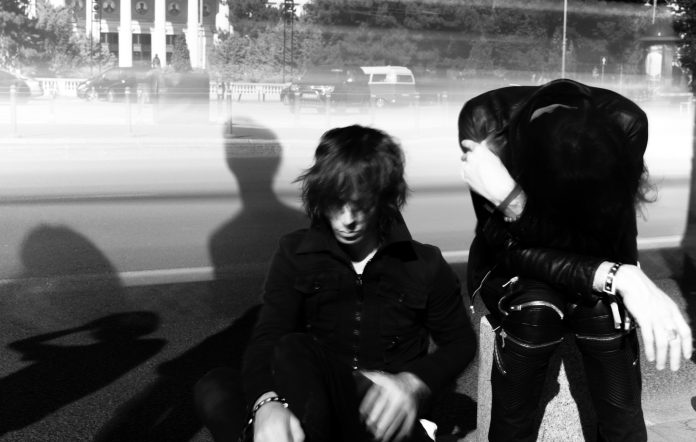
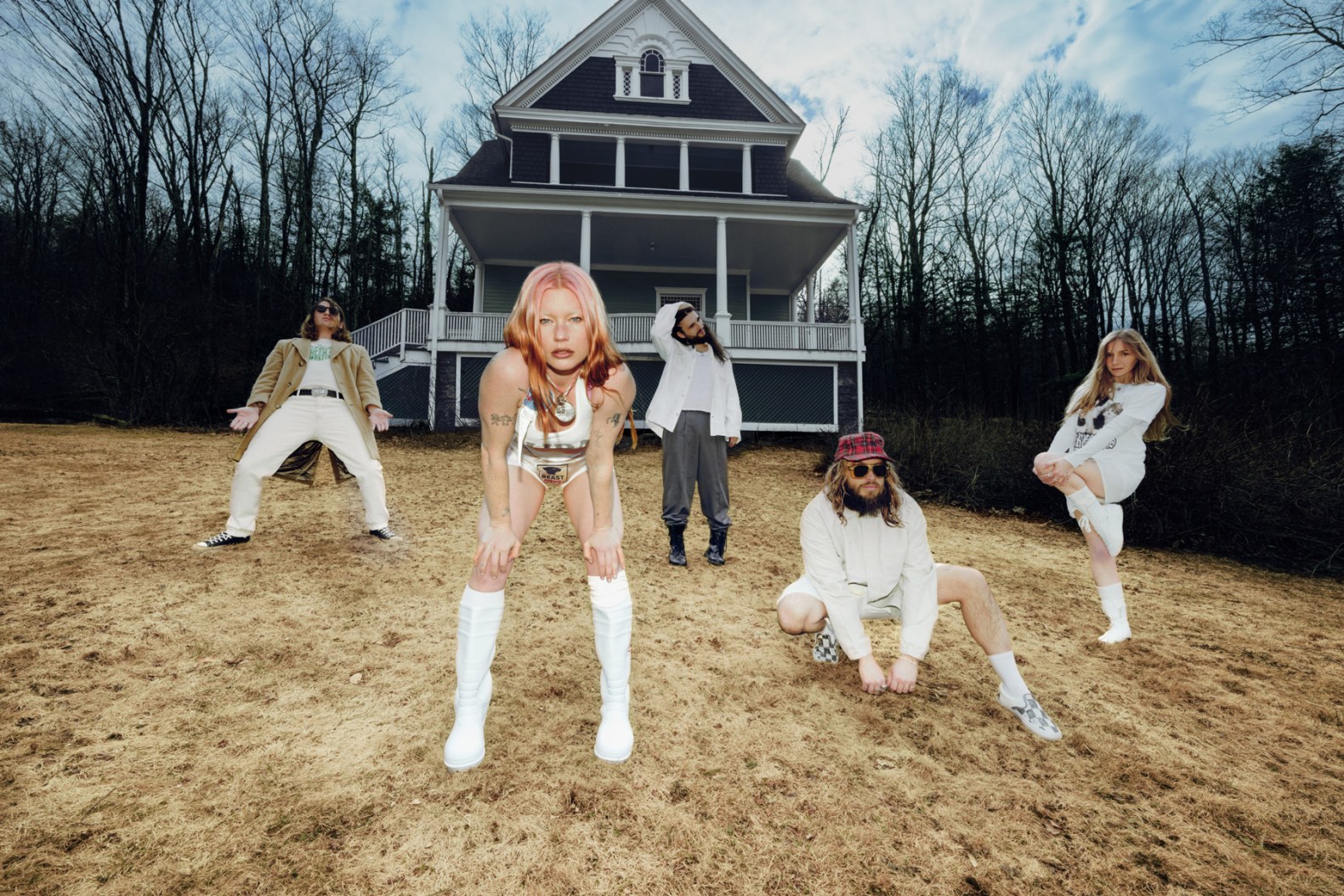
The leather jackets and skinny jeans worn by Noah Dillon and Chandler Ransom Lucy have become something of a signature, and the pair have hovered around the edges of the pop worlds in New York and Los Angeles for quite some time. First highlighted by NME during the Dimes Square resurgence in 2023, The Hellp have gradually stepped away from their earlier indie-sleaze imitation and leaned into something far more thoughtful. Their wild, neon-tinged party vibe has been traded for a more cinematic electronic approach that still holds onto a confident, self-aware attitude.
Dillon and Lucy started releasing music as The Hellp in 2016, with early mixtapes rooted in the chaotic nights and carefree behaviour once associated with NYC’s indie-sleaze staples like LCD Soundsystem and Yeah Yeah Yeahs. Over time, though, they’ve earned a steadily growing respect from critics. That rise has come through both their underground gigs, which have included a show at London’s Corsica Studios with Fakemink as support, and through Dillon’s expanding visual work that recently reached Rosalía’s ‘LUX’ album and a pair of music videos for 2hollis.
As ‘Riviera’ approached release, the duo shared: “We knew our next project would need to be a bit more mature… we refuse to become stagnant. ‘Riviera’ is more solemn, restrained and impassioned than anything we’ve done before.” The finished album feels like Dillon and Lucy carefully balancing identity and openness, theatricality and direct emotion.
The lead release, ‘Country Road’, carries a late-night heaviness, the kind of confession you would quietly tell a friend in a club’s smoking area. Its lonely tone is surrounded by glitching electronics and a rising bridge that points to the exhaustion that follows endless nights out. Tracks like ‘New Wave America’ and ‘Cortt’ deepen what the duo mention in their liner notes as a “desperate story of the disparate Americana.” Both pieces broaden the album’s emotional landscape and offer clear-eyed commentary on reluctantly stepping into adulthood.
When ‘Riviera’ shifts into ‘Doppler’, the tone brightens for a moment as hopeful synths lift Dillon’s words about yearning and heartbreak into an emotional peak. And in the final moments of the record, The Hellp land on something instantly familiar to anyone who has drifted away from the club scene. The Kavinsky-like opening of ‘Here I Am’ nods to their early inspirations, while the closing track ‘Live Forever’ arrives with a slow, grounded maturity, built around Dillon repeating the line: “I don’t want to live forever.”
‘Riviera’ holds far less disorder than The Hellp’s earlier releases. This turn inward marks an important risk for a duo once fuelled by the momentum of a downtown New York comeback. By easing off the frenzy, The Hellp have stepped out of the party’s lingering haze and returned with a style that feels more refined and more aware of itself than anything they have created before.