
ALBUM REVIEWS
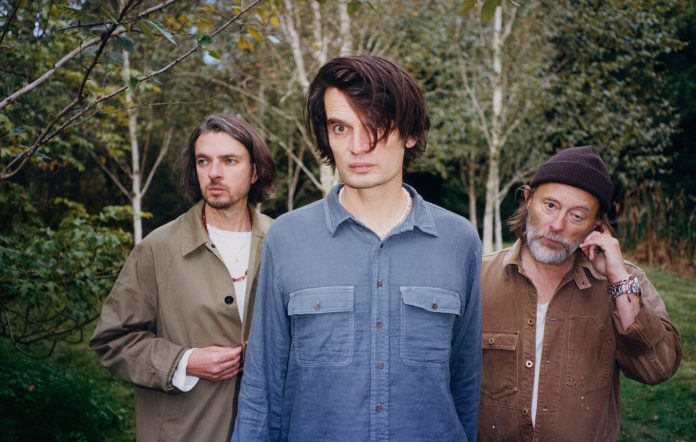
It does not feel like a stretch to suggest that The Smile are one of the finest and most inventive rock bands on the planet right now. This should come as little surprise: two of its members, Thom Yorke and Jonny Greenwood, are key architects of Radiohead, while Tom Skinner has had success as the drummer of jazz troupe Sons Of Kemet. They are restless, connected and technically fabulous all across their second album ‘Wall Of Eyes’.
What started off as a ‘side-project’ to Radiohead now feels paramount to Yorke and Greenwood’s musical identity. It’s been eight years since the band’s last record ‘A Moon Shaped Pool’ – which felt like an ending in a way – with each member dabbling in solo projects, film scores and remixes. Teasers for a reunion, of which there have been many, are yet to come to fruition. This summer, meanwhile, The Smile will play arenas and headline festivals, and have worked with Paul Thomas Anderson on a new string of music videos. You have to wonder if they enjoy this fresh canvas, unbeholden to the ‘day-job”s history and baggage.
On 2022’s ‘A Light For Attracting Attention’ their sonic identity was consolidated, a skittish marriage between wonky electronics and the occasional rock rager. ‘Wall Of Eyes’ is similarly expansive in its vision, but also restrained, carefully selecting moments where the intensity needs upping. Its opening title track packs a thump similar to Radiohead’s 2003 single ‘There, There’ but it instead opts for lush orchestration as opposed to the latter’s crackling ending; ‘Friend of A Friend’ is light on its feet and surprisingly intimate.
‘Bending Heretic’ – easily their strongest composition yet – embodies this new mindset: the trio leave space for each other, but aren’t afraid to step into it, either. It begins with Greenwood’s exploratory guitar riff, one that nudges the song forward despite its spangly form, while Yorke paints a vivid picture of a “‘60s soft top” inching through the “Italian mountainside”. They – and the listener with them – eventually slip off at a hairpin turn and the music meets the impending doom: at the five-minute mark, a graceful farewell gives way to sheer panic, as taut Psycho-esque strings swell and eventually crash at the moment of impact. “The ground is coming for me now,” Yorke warns, but blame is shared: “We’ve gone over the edge / If you’ve got something to say, say it now.”
It is a moment of sheer brilliance, one among many on ‘Wall Of Eyes’. Where previously the comparisons to their Radiohead catalogue could warp expectations, the breadth of the material on offer here suggest that it could, eventually, flip that dynamic right on its head.

ALBUM REVIEWS

Grandeur sits at the heart of ‘This Music May Contain Hope’, RAYE’s second album, and the result feels nothing short of breathtaking. On this record, the singer born Rachel Keen explores a wide spectrum of sounds across its 73 minute length, moving from emotional ballads to lively funk moments and the jazz pop style she has become closely associated with. It can feel overwhelming at first, yet the magic that comes from RAYE fully committing to her vision makes the experience rewarding from start to finish.
‘This Music May Contain Hope’, a conceptual project about pushing through insecurity and heartbreak, unfolds like a lavish stage production. RAYE takes on the dual role of main character and guiding voice throughout the story. “Allow me to set the scene. Our story begins at 2:27am on a rainy night in Paris. Cue the thunder,” she says during the opening track ‘Girl Under The Grey Cloud’, which arrives with sweeping orchestral strings. Spoken passages appear across the album, helping shape the narrative and giving the project a sense of direction, almost like hearing the official recording of a Broadway show.
With this framework in place, the South London artist allows herself to fully explore the album’s diverse musical palette, and most of the time it works in her favor. Sometimes she fully embraces the theatrical side of the concept, especially during the closing section of the smooth R&B track ‘The WhatsApp Shakespeare’. Other moments are delivered more straightforwardly, such as the emotional slow building ballad ‘I Know You’re Hurting’. She also revisits her earlier dance influences with the impressive house track ‘Life Boat’.
Across the entire album, two things stand out clearly. RAYE’s flexible vocals sound better than ever, and her songwriting feels sharper than it has before. Take the playful highlight ‘I Hate The Way I Look Today’, a swing jazz inspired track reminiscent of Ella Fitzgerald, where she admits “I’m okay to be lonely / If I’m lonely and skinny / I have such silly self-loathing thoughts, it seems”. Then there is the emotional storytelling in ‘Nightingale Lane’: “It was right there, early June / Next to Old Park Avenue / Standing in the rain, I watched him walk away”.
Despite all the vulnerability and emotional struggles explored throughout the record, RAYE ultimately reaches a place of optimism, staying true to the album’s title. She gathers her close friends on ‘Click Clack Symphony’ with support from Hans Zimmer, finds closure with guidance from Al Green on the smooth seventies soul inspired ‘Goodbye Henry’, and reaches toward something greater alongside her sisters Amma and Absolutely on the uplifting ‘Joy’ as she searches to be “free of all the pain and every fear”. After the stormy opening imagery of that “rainy night” and “thunder”, RAYE eventually realizes that “the sun exists behind the clouds”, as she shares on ‘Happier Times Ahead’.
‘This Music May Contain Hope’ shows RAYE performing at her absolute peak. The album feels huge in scale and emotionally powerful, yet it remains rooted in honest experiences and real feelings. Yes, it asks a lot from the listener, but that is also what makes it so special. Every dramatic moment and musical shift feels like RAYE claiming her independence and finally creating music entirely on her own terms.