
In the very early 2000s, Nerdcore, a unique and vibrant subgenre of Hip Hop emerged. Subsequently, this musical movement has transcended the boundaries of traditional Hip Hop. It has since created a sonic space where rhymes are spun around video game controllers, comic books, and the complex algorithms of computer code. In the whimsical world of geek rap, MCs proudly wear their nerd badges, turning niche interests into lyrical masterpieces.
Over the years, this community of passionate artists has, in their own way, transformed the stereotypical image of Hip Hop. Through Nerdcore, they have infused rap with the essence of things like gaming lore and science fiction sagas. Moreover, they have also included technological aspects that usually captivate the minds of nerds and geeks worldwide. Let’s explore the history and evolution of Nerdcore from the early days until now.
Nerdcore’s origins can be traced back to the early 2000s. The subgenre emerged as a grassroots movement within the broader Hip Hop scene. As a matter of fact, the term “nerdcore” itself is attributed to MC Frontalot. He is widely regarded as one of the pioneers of the genre. In fact, he was given the moniker “The Godfather of Nerdcore.” Kicking off in 2000, his music laid the groundwork for the genre. On the 2000 track “Nerdcore Hip Hop” by Frontalot, the MC explicitly referred to his music by its moniker. With that, he became the first rapper to call his music by that name.
Frontalot is a rapper known for his witty and intelligent lyrics centered around geek culture. His clever wordplay and unabashed celebration of geekdom struck a chord with the niche audience who felt underrepresented in mainstream Hip Hop. However, it’s important to note that before the explicit categorization of nerdcore, there were already Hip Hop artists incorporating nerd culture references into their lyrics. For example, the likes of MF Doom, Kool Keith, and Deltron 3030 made music with geeky subject matters and themes. Nonetheless, it was the emergence of a distinct community and identity that defined Nerdcore.


In 2008, the documentary Nerdcore Rising brought further attention to the movement. It specifically highlighted the challenges and triumphs of Nerdcore artists as they navigated the music industry. The film interviews key figures like MC Frontalot, MC Lars, Beefy, and others. It does a remarkable job of shedding light on the unique subculture they had cultivated.
It’s also important to note Nerdcore’s influences being utilized by popular rappers. Artists like Childish Gambino have borrowed elements of the subgenre into his work. Moreover, Tyler, the Creator has showcased an affinity for the genre and geekdom in general with his rap styles. While these artists can’t be explicitly categorized within the genre, they hover around it. Moreover, their embracing of uniqueness in rap has helped to inspire upcoming talents.
While the subgenre may not have achieved mainstream success on the same scale as traditional Hip Hop, its impact and influence continue to grow. Nerdcore artists have found a welcoming community that values their authenticity and celebrates the diverse interests that make up geek culture. Nerdcore is known for its clever lyrics, DIY mentality, and celebration of all things nerdy. Overall, it has created a space for artists and fans who may have felt overlooked in traditional Hip Hop.
NEWS
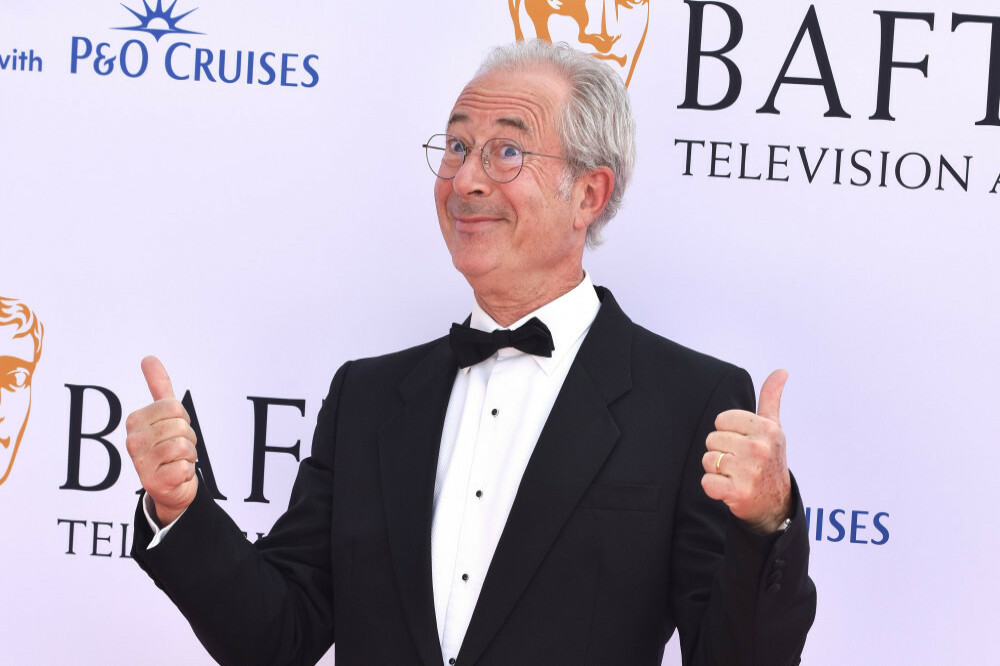
Celebrated playwright and comedian Ben Elton has approached Noel Gallagher about creating an “Oasis jukebox musical”.
The two recently crossed paths at the Queen Budapest premiere at London’s BFI Imax. During their conversation, the We Will Rock You writer expressed his interest in building a stage production around Oasis’ songs.
The Sun newspaper’s Bizarre column reported that the guitarist laughed and pointed him towards his brother Liam, saying: “You better ask our kid.”
Someone close to Liam suggested casting the singer would be a challenge, claiming no actor could "match" his "swagger".
Built around Queen’s songs, We Will Rock You enjoyed an impressive run, becoming the Dominion Theatre’s longest running musical and earning a place among the West End’s longest running productions. It also received the Laurence Olivier Award for Most Popular Show.
Interest in Oasis remains enormous, with 11 million people signing up for the Oasis Live ’27 ticket ballot.
After the Live Forever band returned to touring last year for the first time in 16 years, their famous rivalry with Blur became the subject of a stage comedy.
In The Battle, Gavin and Stacey actor Mathew Horne portrayed Andy Ross, the Britpop music executive who found himself in the middle of one of British music’s most memorable feuds.
He said: “This play is right in the sweet spot of my teenage cultural experience. I’m thrilled to be exploring this iconic era in music on stage with such a talented creative team involved.”
The production revisited August 1995, when Blur and Oasis went head to head by releasing Country House and Roll With It on the same day, each hoping to reach Number One.
Blur secured the victory with sales of 274,000 copies, compared with 216,000 for Oasis.
That chart contest fuelled years of public jabs between members of both groups, although relations have become less hostile over time.
A UK tour had been planned for the production, but its remaining performances were cancelled following the Birmingham and Manchester engagements in February and March this year.
Oasis Live ’27 begins on May 21 at Glasgow’s Celtic Park, with 42 concerts scheduled, including a record six performances at Knebworth.