NEWS

Jelly Roll offered up a surging, open-hearted performance of his song “Halfway to Hell” during his Tuesday night (Oct. 3) performance on The Tonight Show Starring Jimmy Fallon.
Like many of the other songs on his album Whitsitt Chapel (released on BBR Music Group), Jelly Roll sings of the struggle between harmful vices and being his best self–or as he sings on “Halfway to Hell,” it’s the struggle between “a bottle and a Bible.”
“I’m a rolling stone disciple with a cross across my face,” he sang passionately, pointing to his signature cross tattooed on his cheek.
On social media, Jelly Roll offered his gratitude for the opportunity to perform, saying, “What an incredible experience this was–thank you Jimmy Fallon for having me–this was unreal.”
Over the past year, Jelly Roll has notched two No. 1 Country Airplay hits, with “Son of a Sinner” and “Need a Favor.” He was also Billboard‘s cover star for its 2023 Country Power Players issue, and performed and spoke during Billboard‘s inaugural Billboard Country Live in Concert event in Nashville earlier this year.
He has earned armfuls of awards wins and nominations from the CMT Music Awards, the upcoming CMA Awards and the inaugural People’s Choice Country Awards. Jelly Roll has five nominations leading up to the CMA Music Awards, including musical event of the year, single of the year, music video of the year, and new artist of the year and male vocalist of the year.
In addition to his own music, Jelly Roll has been a king of collaborations of late, teaming with Lainey Wilson for “Save Me,” but also joining Dustin Lynch on “Chevrolet,” a song from Lynch’s new album. Jelly Roll also joins Craig Morgan on a version of “Almost Home” on Morgan’s upcoming album. His collaboration with Jessie Murph, “Wild Ones,” will release Oct. 6.
See Jelly Roll’s performance on The Tonight Show Starring Jimmy Fallon below.
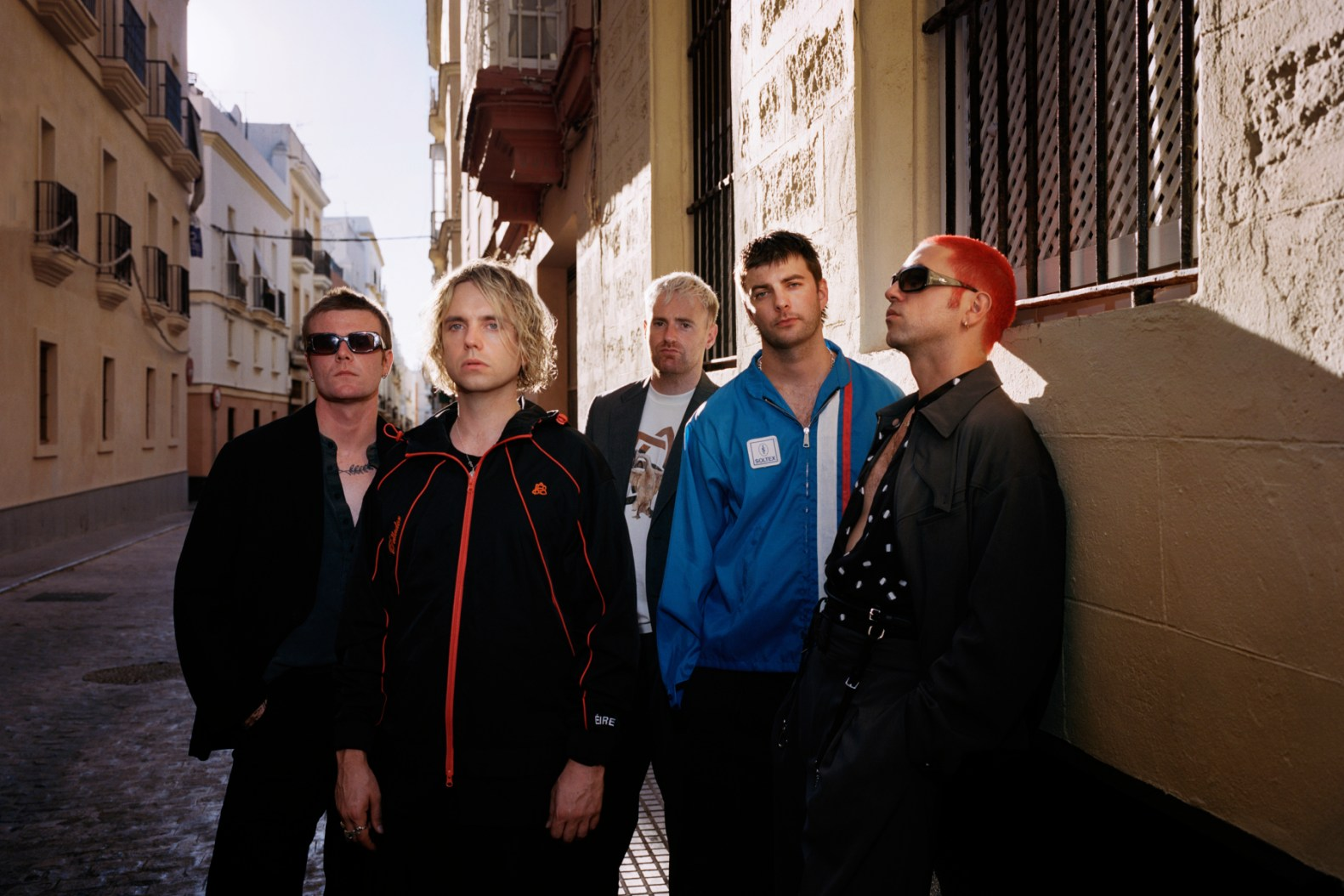
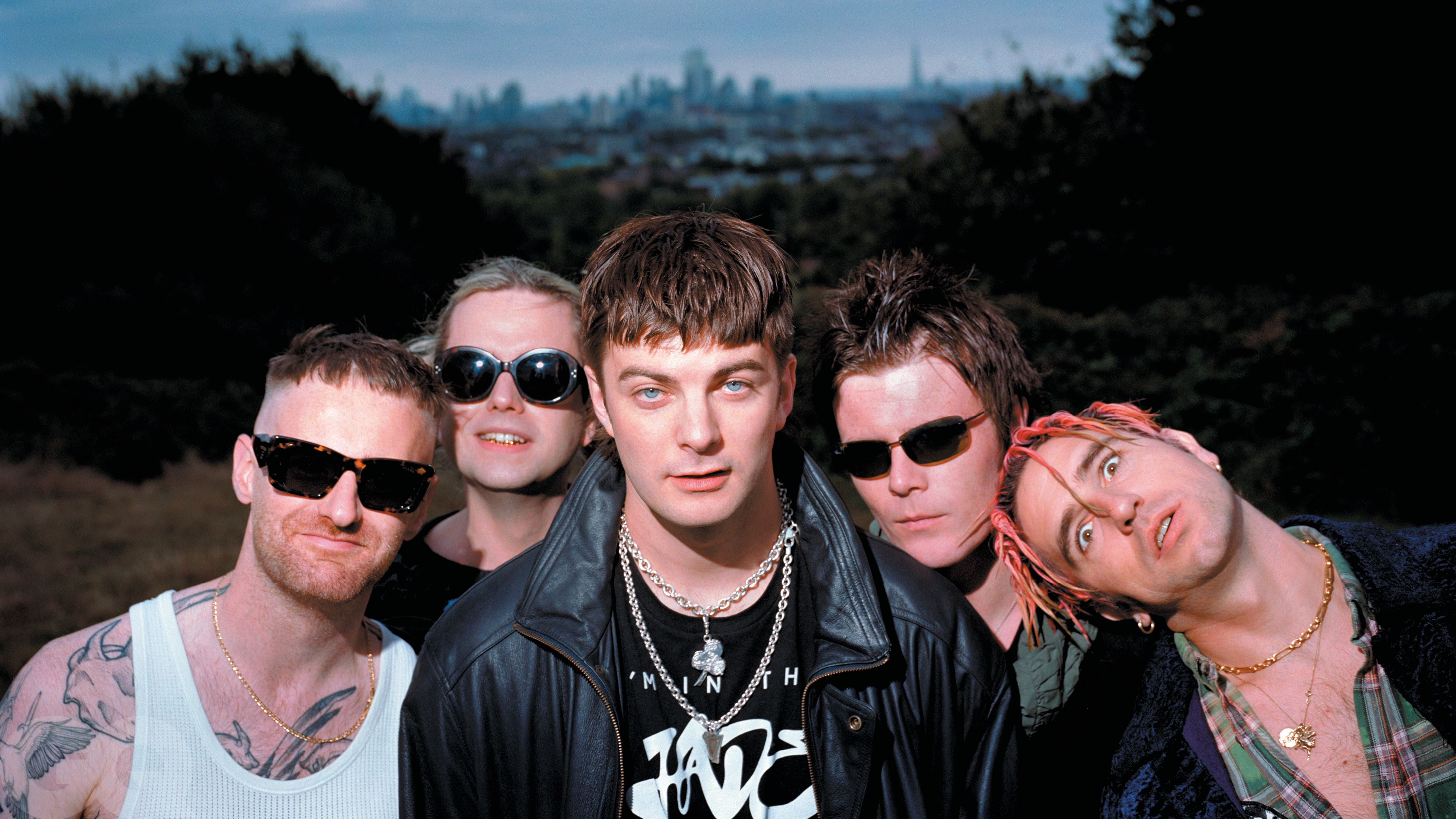
Fontaines D.C. have teamed up with Rosalía for their new collaboration, Where Is Gone?.
The song features on the Irish rock band's forthcoming album, Dopamine Chamber, which arrives on Friday (16.10.26). For guitarist Carlos O’Connell, working with the Spanish superstar is particularly special because of his own Spanish roots.
He explained: “I’ve admired Rosalía ever since her debut album, which I thought was absolutely beautiful.
“What excited me most was the way she continued to preserve Spain's musical traditions, something that felt spiritually connected to what we've been trying to achieve with Irish music. Having roots in both countries, it's been really special to witness. "She's an artist who has continued to amaze me at every point in her career.”
Frontman Grian Chatten has also described the collaboration with Rosalía as one of the most memorable achievements of his career.
He revealed that he felt "humbled" when she agreed to lend her voice to the band's album.
Speaking to NPR, Grian said: “I've always felt there's something almost like a single big idea that I'm personally trying to communicate to the world before I get old and die, if that makes sense. There's one thing I think I'll spend my life trying to express. I have a feeling she has a similar outlook. … I mean, she's an amazing arranger, composer and lyricist. It means so much that she wanted to sing on something we'd put together. It's definitely one of the highlights of my career.”
Rosalía's links to Irish rock music extend beyond Fontaines D.C. She also offered inspiration and helped develop the Spanish lyrics for U2's The Mirror Maker (Rosalía), a track from their forthcoming album, Carnaval de Luz.
During an appearance on The Tonight Show Starring Jimmy Fallon last week, she spoke about frontman Bono, saying: “I don't know him personally, but he sent me a text explaining that he was working on a new project and had written a song called The Mirror Maker."
Rosalía joked that Bono had invented a few words of his own.
She recalled telling him: “I wasn't sure what to make of it, but I told him he could create his own language if he wanted to.”
She described the opportunity to collaborate with the 66 year old music veteran as a real privilege.
She added: “Bono is a legend.
“It's amazing.”
Bono recently revealed that he was worried about seeming like a stalker when he reached out to Rosalía to ask whether he could name the song after her.