
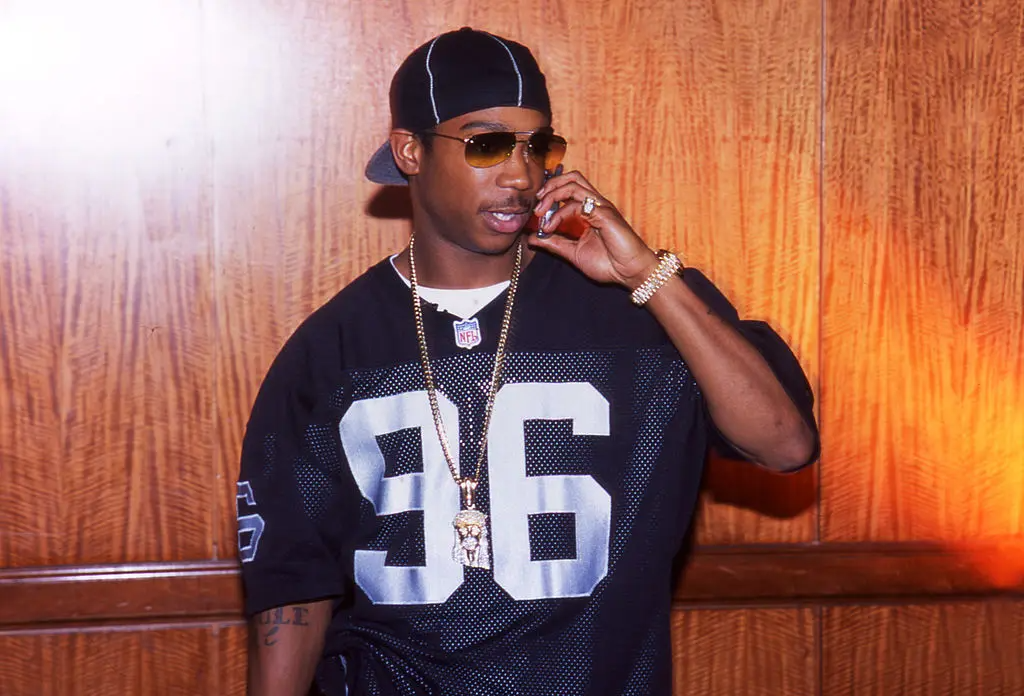
Ja Rule’s trajectory to stardom is unparalleled in the hip-hop world. Following his appearance on Mic Geronimo’s “Time To Build,” alongside Jay-Z and DMX (who he nearly formed a group with named Murder Inc.), his iconic run began with the release of Venni Vetti Vecci. While his debut wasn’t the storybook project to propel him amongst the biggest rappers on Earth. However, it certainly set the groundwork for his subsequent success. Ja Rule’s sound arrived at the perfect time. At a time when hip-hop was beginning to merge with melodic pop, Ja Rule was in a unique position to take his sound to mainstream heights that wouldn’t have been possible five years prior.
The trio of Ja Rule, Jay-Z, and DMX extensively toured throughout the late ’90s. Still, there wasn’t a sustainable relationship behind the curtain. DMX and Jay-Z viewed each other as natural competitive rivals. The tension between the two juggernauts rose as each was determined to come out on top in the New York rap scene. In the middle of all of that drama was a young Ja Rule. He wasn’t impersonating the two, instead opting to inject his flows with R&B melodies intended to get the audience shaking. Collaborating with the likes of Mary J Blige, Ashanti, and Jennifer Lopez, he brought Queens to a new sonic space that laid the foundation for hip-hop’s evolution in the next century.

By the early ‘2000s, Ja Rule was a kingpin in the hip-hop space. His mix of high energy, club anthems, and hardcore gangster lyricism delivered a blend that hadn’t been paralleled. In addition, his music found a way to be genre-bending and marketable at the same time. Ja Rule was curating introspective bangers, one that deeply resonated with the streets. While Venni Vetti Vecci peaked at #1 on the Billboard Hip-Hop charts, his sophomore effort Rule 3:36 solidified his stardom. By 2001’s Pain Is Love, he was at the top of the world. In a matter of years before going on hiatus, Ja Rule changed hip-hop indefinitely.
Venni Vetti Vecci, which contains a Latin root translating to “I came, I saw, I conquered,” did exactly that. Astoundingly reaching #3 on the Billboard charts, it would be easy to call Ja Rule an overnight sensation. However, from his failed deal with TVT Records as a member of Cash Money Click to Irv Gotti bringing him onto Def Jam, the years of labor began to pay off. He already worked years under the tutelage of fellow Def Jam signees. Looking to the likes of Run D.M.C. and Jay-Z, Ja Rule spent years attempting to emulate the quality of their verses. Logically enough, he enlisted his Def Jam contemporaries to bolster the notoriety of his debut. The Jay-Z and DMX-assisted “It’s Murda” would quickly garner massive commercial success.
The heavy gangster roots of Venni Vetti Vecci drew heavy comparisons to West Coast’s 2Pac. Hip-hop heads were accusing Ja Rule of copying and pasting the West Coast icons’ style. In addition, the 1999 record drew plenty of undeniable similarities to the growling raps of DMX. Even if the two had once been collaborators, DMX began to echo this frustration over time, accusing Ja of flat-out copying his style. Ja Rule certainly wasn’t a fan, starkly retorting by accusing DMX of simply being angry at his success.
If anything, the beef between DMX and Ja Rule was hallmark evidence of how far Ja had come. Once marveling when Run D.M.C. would walk down the block, he had become a mainstay on radio hit playlists. Venni Vetti Vecci would arguably remain his darkest record to date, more-so focused on his haunting upbringing than creating chart-friendly hits. From menacing piano chords to booming drums, everything about Venni Vetti Vecci would influence the aggressive form of hip-hop coming out of New York for years to come. After Ja Rule’s debut studio album, he was officially a force to be reckoned with.
NEWS

Taylor Swift is encouraging rising artists to stay away from reading social media comments too closely.
During a conversation with The New York Times about songwriting, the “Shake It Off” singer explained that although criticism can sometimes become a “creative writing prompt,” constantly checking comments online can leave artists overwhelmed by negativity.
“My favourite thing when I sit down with new artists or songwriters, I'm like, ‘Why are you reading your comments?’ Like, that's too much of it,” she said. “You're inundating yourself with too much criticism that doesn't really have a focus. But a little bit of it, you've got to just be like, this is part of (the job). Like, don't make this make you stop writing or make you edit yourself or whatever.”
Swift, 36, also shared that she often tells other musicians to channel criticism into music instead of firing back at people online or posting long responses in the Notes app.
“If it's an interesting point to you to kind of respond to, then that's a gift for you to be able to write something. Maybe you wouldn't have written something that day,” she continued. “But don't go to the Notes app and post it, like write (a song) about it. Make art about this. Don't respond to trolls in your comments. That's not what we want from you. We want your art.”
The global superstar went on to say that criticism has inspired some of the biggest songs throughout her career. She pointed to her 2014 hit “Blank Space,” saying it likely would not have happened without people constantly focusing on her dating life and creating “slideshow” style narratives about her relationships.
Speaking about her 2022 track “Anti-Hero,” Swift added, “That song doesn't exist if I don't get criticised for every aspect of my personality that people have a problem with or whatever.”