NEWS
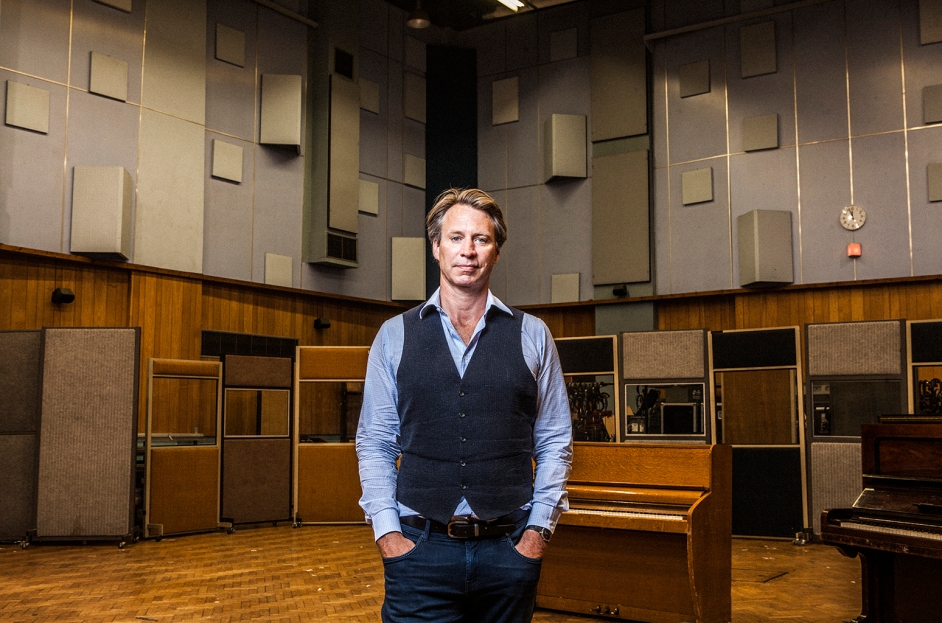
Giles Martin is a chip off the old block, a real rarity in the behind-closed-doors world that is the studio profession. The multiple Grammy Award-winning British producer, composer and arranger learned his way around the desk, initially as a sidekick to his late father, Sir George Martin, one of most famous producers of them all.
When health problems hit his father, and threatened to end his career prematurely, the son stepped up.
George Martin, so-often called the “fifth Beatle” for his extensive work with the Fab Four, endured debilitating hearing loss later on, a product of long-term exposure to loud noise.
“I just learned it from him? You know, actually, I didn’t want to do what he did. I didn’t want to be a producer,” Giles tells Billboard. “I was a songwriter and I was in bands. He was incredibly discouraging of me doing that.”
When Martin was a teen, his father’s condition began affecting his work. “He didn’t want to tell anyone because he needed to carry on working. He wasn’t a very wealthy man, my dad. He was worried about not being able to work. So I’d be his ears on sessions with Ultravox or, you know, these ‘80s bands, and then moving on. And most people just thought it was a pain in the ass and didn’t realize what I was actually doing.”
The Martins made a great team. “I would know what notes he couldn’t hear anymore,” he explains. “I’d know when the notes were running out for him. I could read them. And I learned a lot.”
Hearing loss, sadly, comes with the turf. George’s ears were ruined by speakers cranked, over many years. “He used to say Jeff Beck and the White Album killed them,” Giles explains. “There’s no rock star that I know that hasn’t got some sort of bad hearing loss.”
When George Martin died in 2016, at the age of 90, he held the record as the producer with the most No. 1 songs on the Billboard Hot 100 chart, with 23.
Giles has continued to learn and create. His list of credits grows by the day, and includes classic Beatles special editions, from Revolver, to Sgt Pepper’s Lonely Hearts Club Band, Let It Be and others, all of which dropped with great fanfare in recent years, plus The Chemical Brothers’ latest cut “No Reason,” and catalog releases with INXS, The Rolling Stones and many more.
As the studio work mounts up, Giles has become a wanted man in the music industry. He’s been tapped by Universal Music Group to serve as head of audio & sound, based at Abbey Road Studios; as executive music director for INXS and Petrol Records; and as Sonos Sound Experience lead.
But it’s his work with the Beatles catalog that makes most of the noise, with fans at least. “The Beatles were less successful when I was growing up. Yeah, way less successful,” he recounts. The revival has had many chefs, from Oasis, to DSPs, and “suddenly, the Beatles became cool.”
Working on those historic recordings, “I generally don’t take for granted ever,” he admits. “But I have a sort of momentum with the fans and with the Beatles themselves where they kind of look forward to me doing stuff as opposed to dreading it. Yeah. So that helps.”
Martin, meanwhile, is championing spatial audio, a way of creating and mixing sound in 360 degrees around a listener. It’s the future, and it’s here.
Speaking from Sonos headquarters in Santa Barbara, CA, Martin has been closely involved in the development of the Era 300 (US$749), the audio specialist’s new in-the-house spatial audio speaker, part of a rollout that includes the Era 100 (US$399), an upgrade of the best-selling Sonos One.
“I’m so excited about that speaker not in a sort of marketing PR way,” he says. “I just really really like what it does to music. I think we made something here that makes sense.” The product completes the experience that begins with those works mixed in the studio, “there is an openness to it. There’s an immersion to it. It’s really exciting,” he says.
Long days, and even longer nights in the studio aren’t for everyone. “My obvious avenue to this was so privileged and accessible because my dad lost his hearing, and I had to listen for him,” he notes.
The entry level for a studio career typically begins with “an audio engineering place, but argue and challenge and go to lots of gigs or go and find artists. Go and find singers and be proactive, and make good music. And then on top of that, is the key thing that I learned, which completely changed my career around more everything else, is that you have to be fully accountable for everything you do. No one gives a shit about the process. They want the result the end of it.” That end result must be nothing short of outstanding. “That’s what I’d say to any kid now — there’s no excuse.”
NEWS
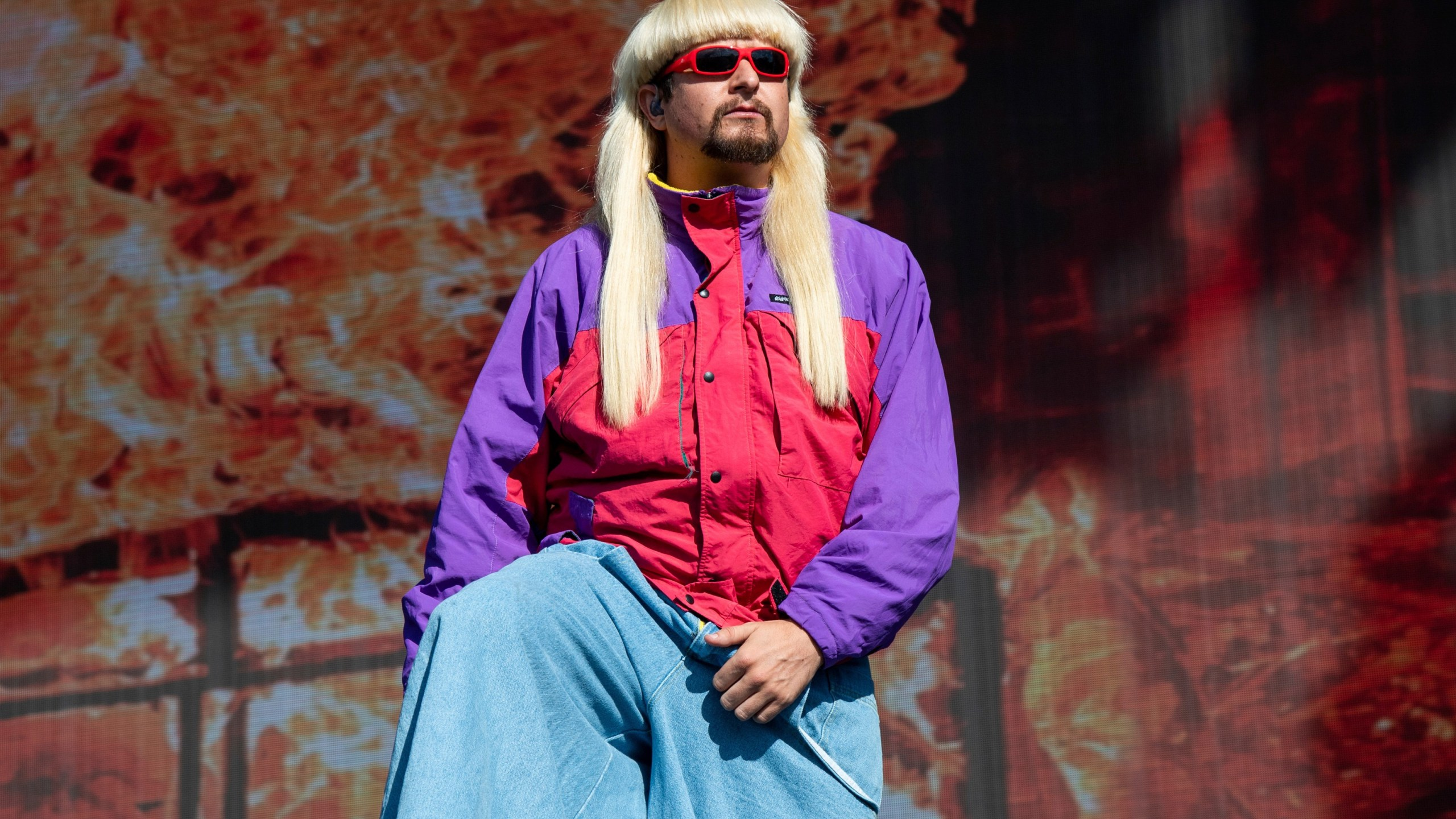
Oliver Tree’s team has provided a new update following the singer’s death in a helicopter crash on June 14, confirming that a new artist grant will soon be established in his memory to help creatives secure funding, a plan he had detailed in his will before his passing.
Accompanying a collection of photos highlighting Tree’s performances, travels and creative work through the years, a post shared Sunday (June 21) on his Instagram account revealed that the musician’s remains have been brought back to California, the state he called home and where he will be laid to rest. “His legacy will live on through his foundation/endowment named ‘Dr. Oliver Tree’s Extremely Epic Grant For Baby Geniuses’ coming soon,” the caption reads. “This is something that Oliver had put together before his passing.”
“We will make sure his wish comes to fruition so that more joy, love and art can be spread into the world, that was his final wish,” the statement continued, adding that “the constant love, support and positivity” shown by fans throughout the past week has helped his “family, friends and collaborators make it through these extremely difficult times.”
Tree was among six people who lost their lives in a helicopter collision in Rio de Janeiro. The musician was in Brazil for his The World’s First Tour run and had performed what would ultimately be his final concert on June 6 in São Paulo. The other victims of the crash were identified as passengers Lucas Vignale, Gaspar Prim and Lucas Brito Chaves, along with pilots Alexandre Souza and Charles Marsillac.
Just months before his death, Tree discussed his plans to direct his fortune and future earnings from his music toward a grant program for artists during an appearance on the Zach Sang Show. “I take no credit for anything I’ve ever done,” he said during the April interview. “Furthermore, I don’t believe that any of the wealth or things that get made from it is mine. So when I die … my will is set up so that when I pass, my family, nobody is going to get a penny.”
“If I have a wife or kids or anything, they’re not getting a penny,” he added at the time, explaining that the initiative would focus on helping artists create work rather than funding education. “I’ll get my kids through college, that’s the agreement, but there’s not gonna be a silver spoon. All the money is going to go back to artists.”