NEWS
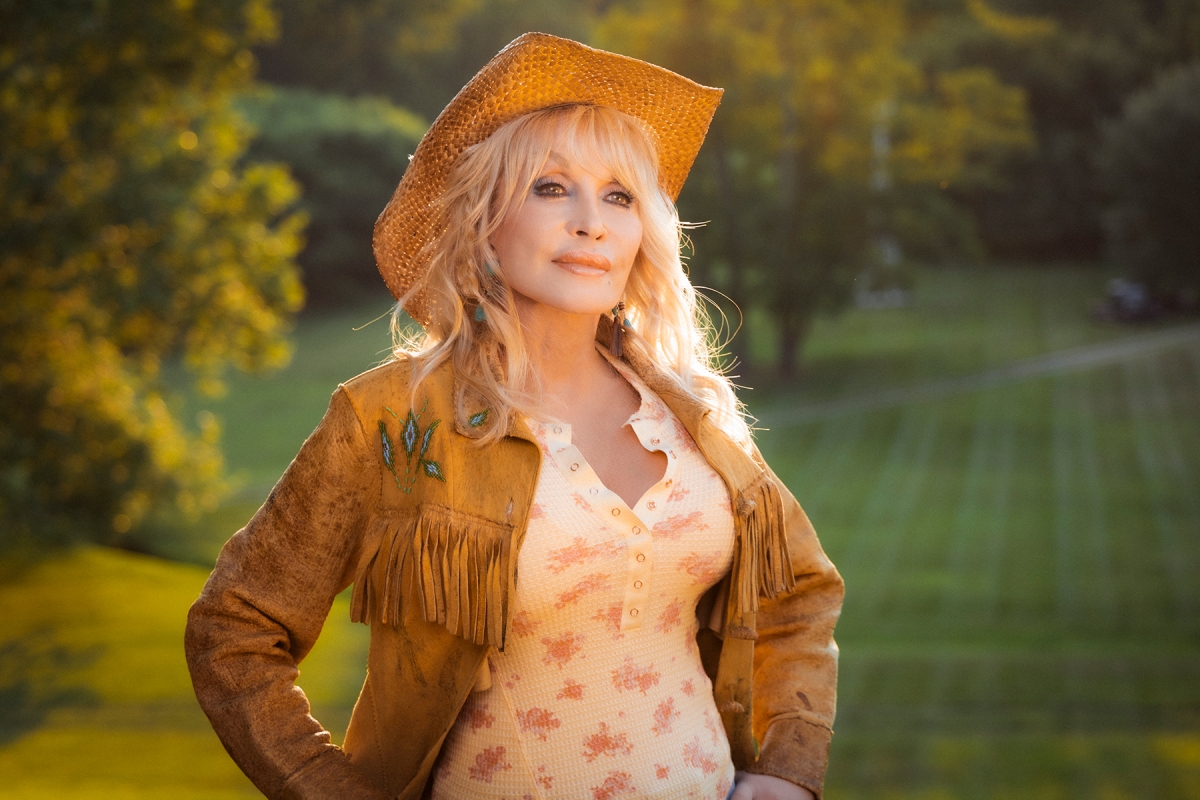
Dolly Parton tends to release records for a reason. Unlike her Seventies contemporary Willie Nelson, who, at a dozen years her senior, records albums for no other purpose than to suit his own whims, Parton’s release schedule over the past half-dozen years has largely served as an extension of her unceasing global brand: 2016’s Pure & Simple, her last album of adult originals not directly tied to a larger piece of Dolly multimedia, launched a worldwide tour and kickstarted the ongoing Parton revival. In the years since, there have been a series of kids records (2017’s I Believe in You), soundtrack albums (Dumplin’), and holiday collections (2020’s A Holly Dolly Christmas).
The latest Parton project is Run, Rose, Run, a bluegrass-tinged set of originals that serves, naturally, as a companion to the forthcoming mystery novel Parton co-authored with best-seller James Patterson. As a bonus add-on to the book, Run, Rose, Run works far better than anyone could hope for: the songs themselves, all written by Parton, are sturdy studies in traditional country, with several unexpected stunners. But Run, Rose, Run, which feels mired by its tossed-off production, falls short of thriving on its own terms as a studio album.
First, the highlights: This album shows off Parton’s dexterity — as vocalist and writer — in a wide range of country and roots styles, from the traditional Eighties-style duet “Demons” with Ben Haggard (Merle’s son), to the chilling Appalachian balladry of “Blue Bonnet Breeze,” to the fast-paced Stanley Brothers-indebted mountain music of “Dark Knight, Bright Future.” It’s a thrill to hear Parton, at 76, so firmly in command of her own artistry.
The main fault of Parton’s latest, then, apart from the sense that the album needs a companion novel to make sense of its own narrative, is its lackluster production. The record’s high Nashville gloss feels dated and applied indiscriminately, tending to flatten out the breakneck bluegrass originals (“Run”) while depriving the record’s most introspective moments of their drama. Parton sings about the devastating effects of holding secrets too long on “Secrets,” but the song’s arrangement (cheesy background vocals, sleek electric guitar, and tinkling keys) feel like their own protective layering preventing Parton’s song from expressing itself.
Run, Rose, Run is an impressive display of Parton’s songwriting and vocal mastery that nevertheless leaves one hoping she one day releases the classic late-era record she’s so clearly primed to make, should she choose.
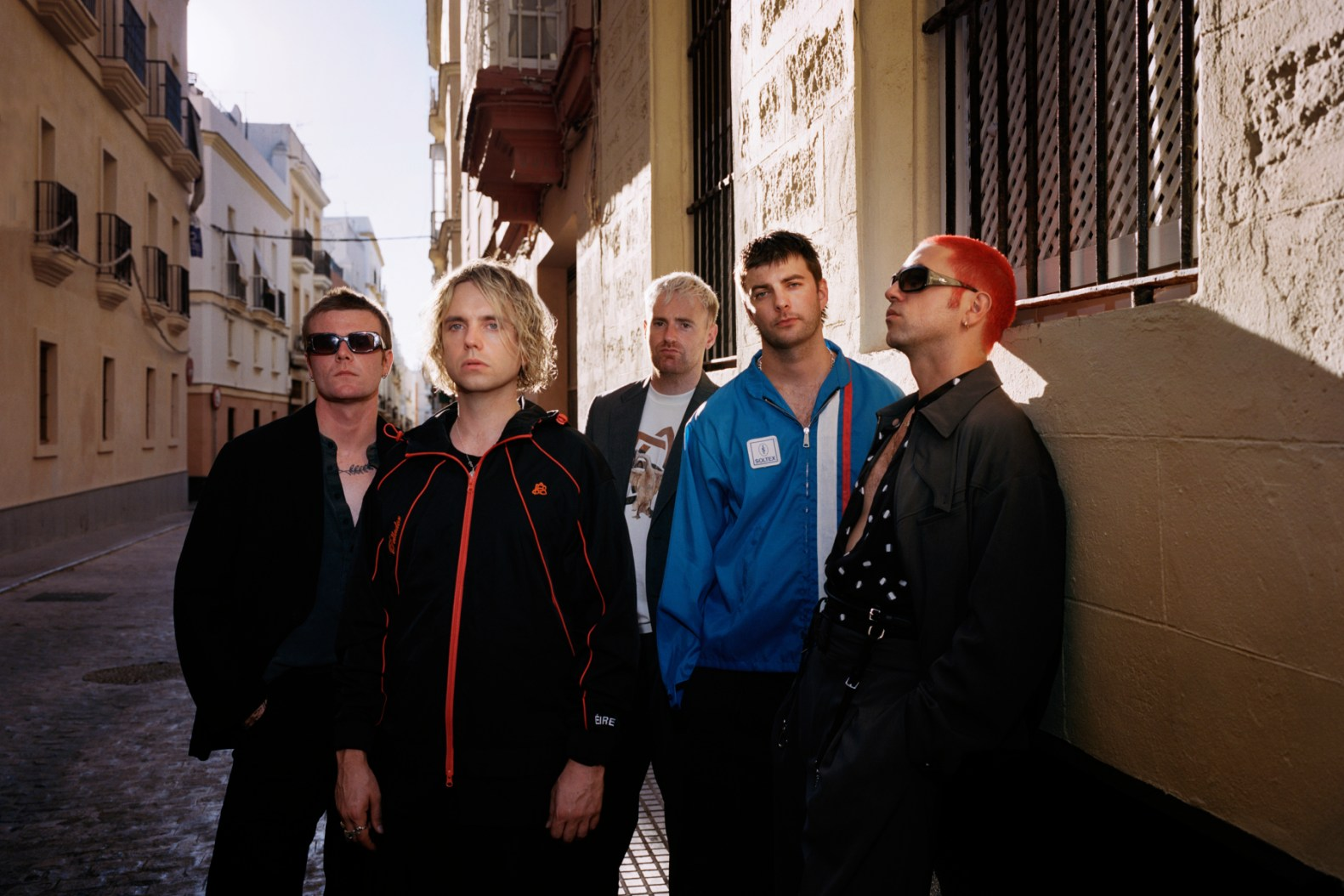
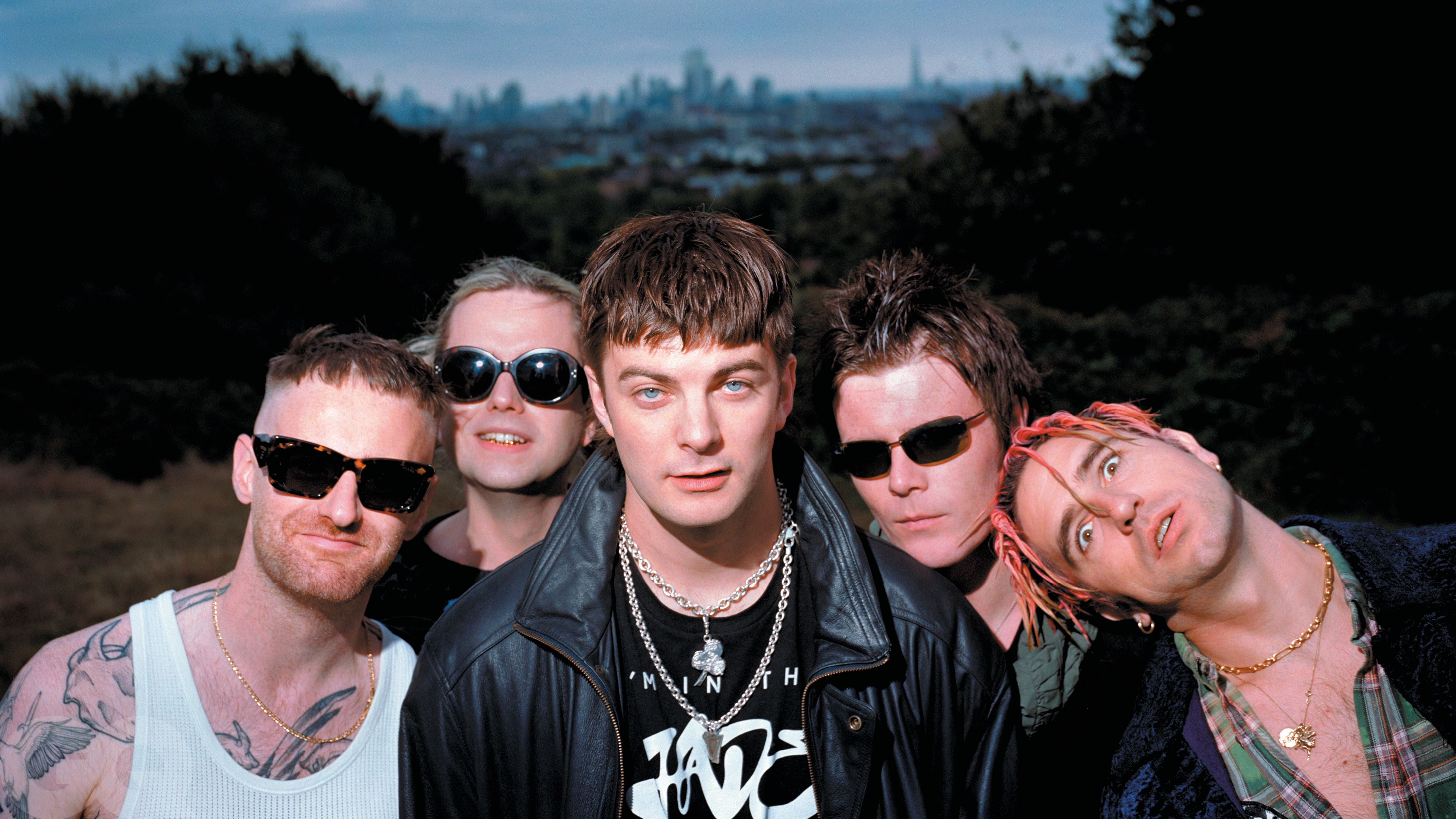
Fontaines D.C. have teamed up with Rosalía for their new collaboration, Where Is Gone?.
The song features on the Irish rock band's forthcoming album, Dopamine Chamber, which arrives on Friday (16.10.26). For guitarist Carlos O’Connell, working with the Spanish superstar is particularly special because of his own Spanish roots.
He explained: “I’ve admired Rosalía ever since her debut album, which I thought was absolutely beautiful.
“What excited me most was the way she continued to preserve Spain's musical traditions, something that felt spiritually connected to what we've been trying to achieve with Irish music. Having roots in both countries, it's been really special to witness. "She's an artist who has continued to amaze me at every point in her career.”
Frontman Grian Chatten has also described the collaboration with Rosalía as one of the most memorable achievements of his career.
He revealed that he felt "humbled" when she agreed to lend her voice to the band's album.
Speaking to NPR, Grian said: “I've always felt there's something almost like a single big idea that I'm personally trying to communicate to the world before I get old and die, if that makes sense. There's one thing I think I'll spend my life trying to express. I have a feeling she has a similar outlook. … I mean, she's an amazing arranger, composer and lyricist. It means so much that she wanted to sing on something we'd put together. It's definitely one of the highlights of my career.”
Rosalía's links to Irish rock music extend beyond Fontaines D.C. She also offered inspiration and helped develop the Spanish lyrics for U2's The Mirror Maker (Rosalía), a track from their forthcoming album, Carnaval de Luz.
During an appearance on The Tonight Show Starring Jimmy Fallon last week, she spoke about frontman Bono, saying: “I don't know him personally, but he sent me a text explaining that he was working on a new project and had written a song called The Mirror Maker."
Rosalía joked that Bono had invented a few words of his own.
She recalled telling him: “I wasn't sure what to make of it, but I told him he could create his own language if he wanted to.”
She described the opportunity to collaborate with the 66 year old music veteran as a real privilege.
She added: “Bono is a legend.
“It's amazing.”
Bono recently revealed that he was worried about seeming like a stalker when he reached out to Rosalía to ask whether he could name the song after her.