NEWS
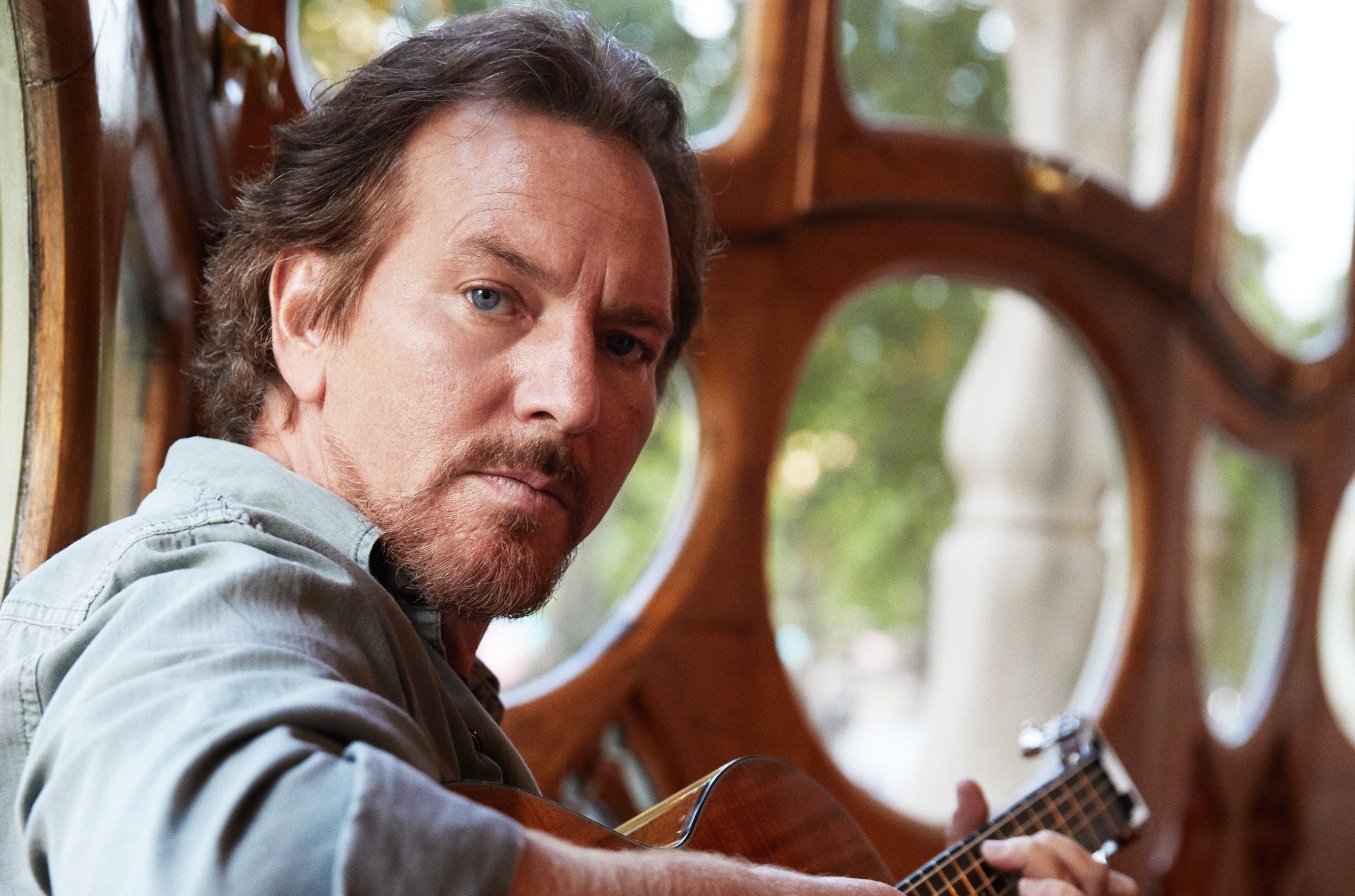
Eddie Vedder
Photo by Danny ClinchPearl Jam‘s Eddie Vedder, who’s back on the road after positive COVID-19 cases postponed dates on his solo tour earlier in February, says his own bout with the coronavirus was “pretty serious.”
As Ultimate Classic Rock first reported on Sunday (Feb. 27), Vedder shared his experience in front of a live audience in Los Angeles Friday night. The moment was captured on video by a fan at the show.
“I just wanted to take a quick second to look at this, because it’s very rare,” Vedder said, looking out at the crowd after his daughter Olivia performed her own song “My Father’s Daughter” onstage at L.A.’s YouTube Theater. “It’s incredible. I got the COVID right before we were supposed to start practicing, probably five, six weeks ago, and literally saw my life flash in front of my eyes.”
Vedder continued, “I wasn’t quite sure… because I’ve done some very good things for my body, and I’ve also had a lot of fun. I’ve done some things that could be … some kind of abuse, I mean, nothing really clinical,” he joked. “I won’t get into the details. Just use your imagination!”
“But it was, it felt pretty serious,” said Vedder of his illness. “And to get through that and then be back in a room like this, facing this many people facing this way, listening to us play music for you is really, truly, it’s been a gift and an honor. Thanks for listening. We’re so grateful.”
Vedder and his band the Earthlings — Chad Smith, Josh Klinghoffer, Chris Chaney, Glen Hansard and Andrew Watt — launched the tour support of Vedder’s new album, Earthling.
Listen to Vedder talk about returning to the stage after having COVID-19 in the concert clip below, and watch Olivia perform “My Father’s Daughter,” a ballad co-written by her dad and Hansard.
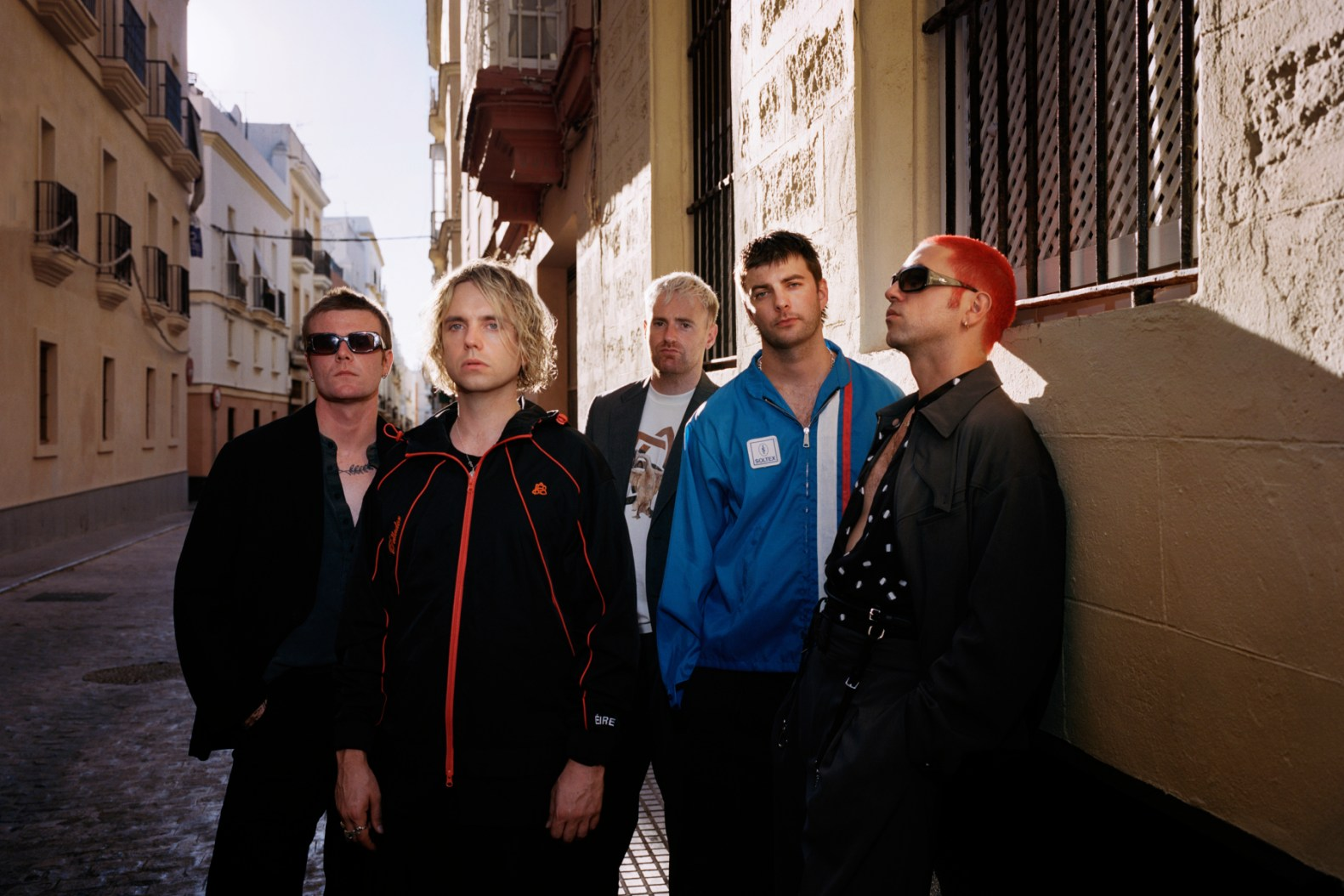
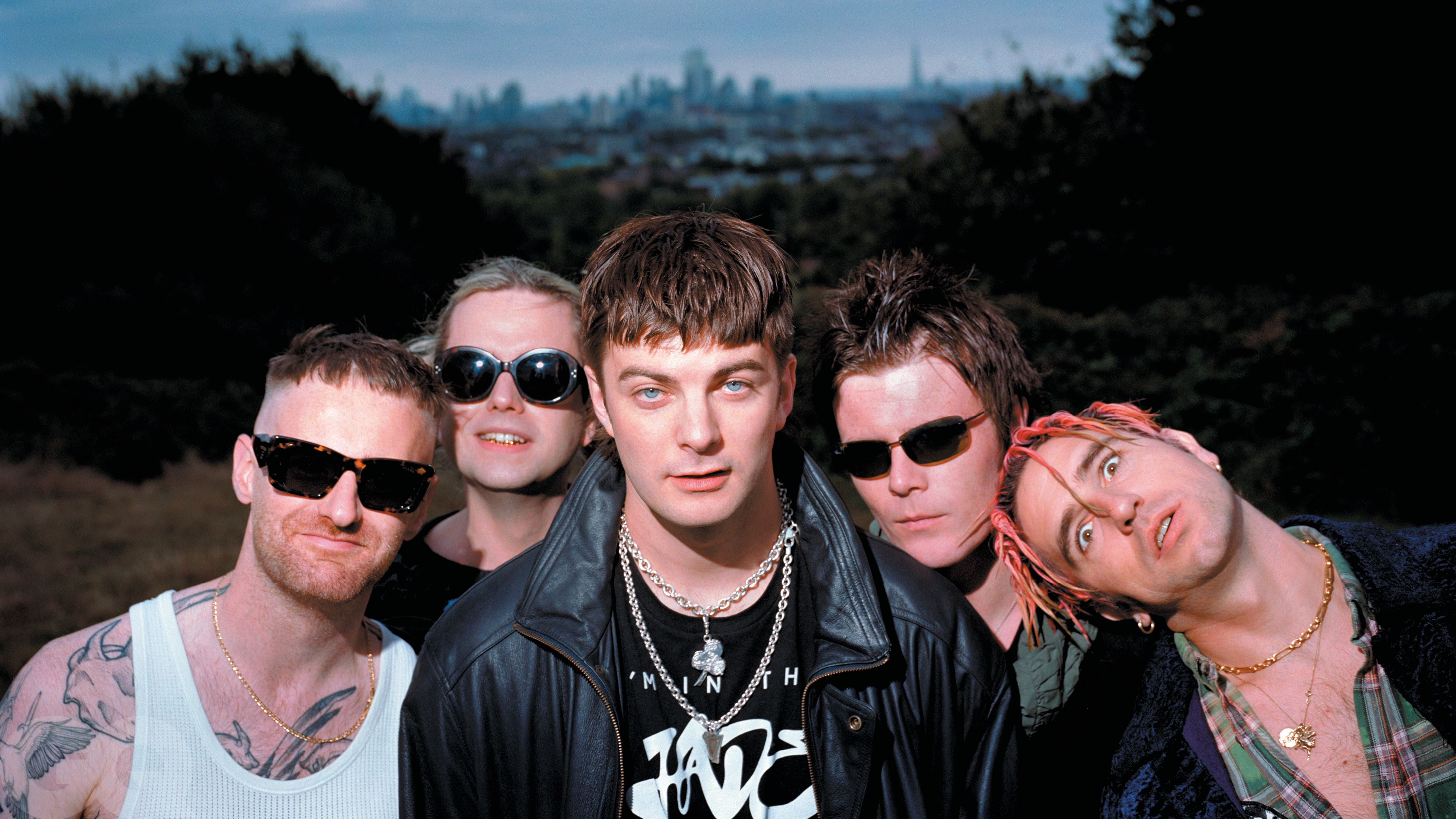
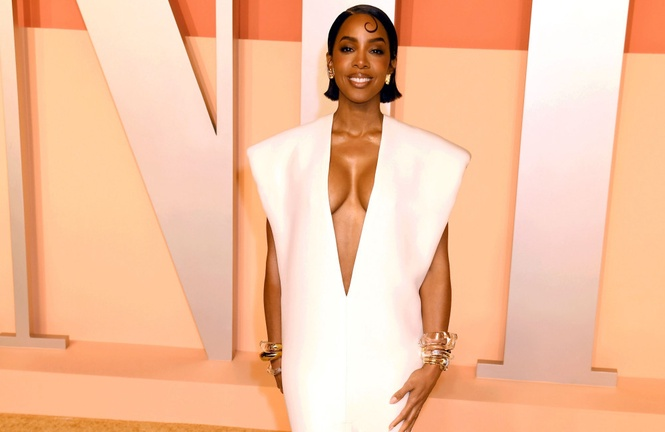
Fontaines D.C. have teamed up with Rosalía for their new collaboration, Where Is Gone?.
The song features on the Irish rock band's forthcoming album, Dopamine Chamber, which arrives on Friday (16.10.26). For guitarist Carlos O’Connell, working with the Spanish superstar is particularly special because of his own Spanish roots.
He explained: “I’ve admired Rosalía ever since her debut album, which I thought was absolutely beautiful.
“What excited me most was the way she continued to preserve Spain's musical traditions, something that felt spiritually connected to what we've been trying to achieve with Irish music. Having roots in both countries, it's been really special to witness. "She's an artist who has continued to amaze me at every point in her career.”
Frontman Grian Chatten has also described the collaboration with Rosalía as one of the most memorable achievements of his career.
He revealed that he felt "humbled" when she agreed to lend her voice to the band's album.
Speaking to NPR, Grian said: “I've always felt there's something almost like a single big idea that I'm personally trying to communicate to the world before I get old and die, if that makes sense. There's one thing I think I'll spend my life trying to express. I have a feeling she has a similar outlook. … I mean, she's an amazing arranger, composer and lyricist. It means so much that she wanted to sing on something we'd put together. It's definitely one of the highlights of my career.”
Rosalía's links to Irish rock music extend beyond Fontaines D.C. She also offered inspiration and helped develop the Spanish lyrics for U2's The Mirror Maker (Rosalía), a track from their forthcoming album, Carnaval de Luz.
During an appearance on The Tonight Show Starring Jimmy Fallon last week, she spoke about frontman Bono, saying: “I don't know him personally, but he sent me a text explaining that he was working on a new project and had written a song called The Mirror Maker."
Rosalía joked that Bono had invented a few words of his own.
She recalled telling him: “I wasn't sure what to make of it, but I told him he could create his own language if he wanted to.”
She described the opportunity to collaborate with the 66 year old music veteran as a real privilege.
She added: “Bono is a legend.
“It's amazing.”
Bono recently revealed that he was worried about seeming like a stalker when he reached out to Rosalía to ask whether he could name the song after her.