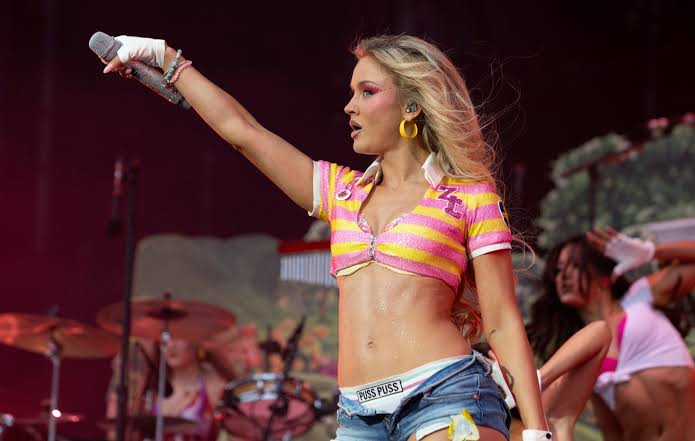

Nadya Tolokonnikova of Pussy Riot
Getty Images for ABARussian punk band/activists Pussy Riot have teamed with several cryptocurrency groups to mint an NFT that will be sold this weekend to raise funds for Ukrainian civilian groups.
UkraineDAO will launch Saturday at noon EST with the release of a 1/1 NFT of the Ukrainian flag, the sale of which will benefit Ukraine’s Come Back Alive, “one of the most effective and transparent Ukrainian charitable and volunteer initiatives.”
“Our goal is to use what we’re good at, web3, to assist Ukrainians as they cope with the Russian invasion of their country,” Pussy Riot tweeted of UkraineDAO. “We’ll be buying an NFT of the Ukrainian flag.”
In a statement, the group’s co-founder Nadya Tolokonnikova added, “We purposefully avoided adding our own art to this release, in a way it’s our strong conceptual artistic statement. People can have different aesthetics, but it’s not about what color we prefer, it’s about uniting to save lives. The Ukrainian flag unites us.”
The NFT sale also allows for people to donate any amount of money to participate, with those people receiving a digital souvenir for their contribution.
The Defiant reports that within 12 hours of Russia’s invasion of Ukraine, more than $400,000 in Bitcoin was donated to Come Back Alive, as the nation’s banking institutions were rocked by the invasion and the subsequent declaration of martial law.
“Crypto is borderless, permitless and it’s so much easier and faster than fiat,” Tolokonnikova told Bloomberg.
Check out the UkraineDAO site for more information on the NFT sale as well as to donate. UkraineDao was created in partnership with Trippy Labs and PleasrDAO; the latter is also the crypto group that secretly purchased the one-copy-only Wu-Tang Clan album previously owned by Martin Shkreli.
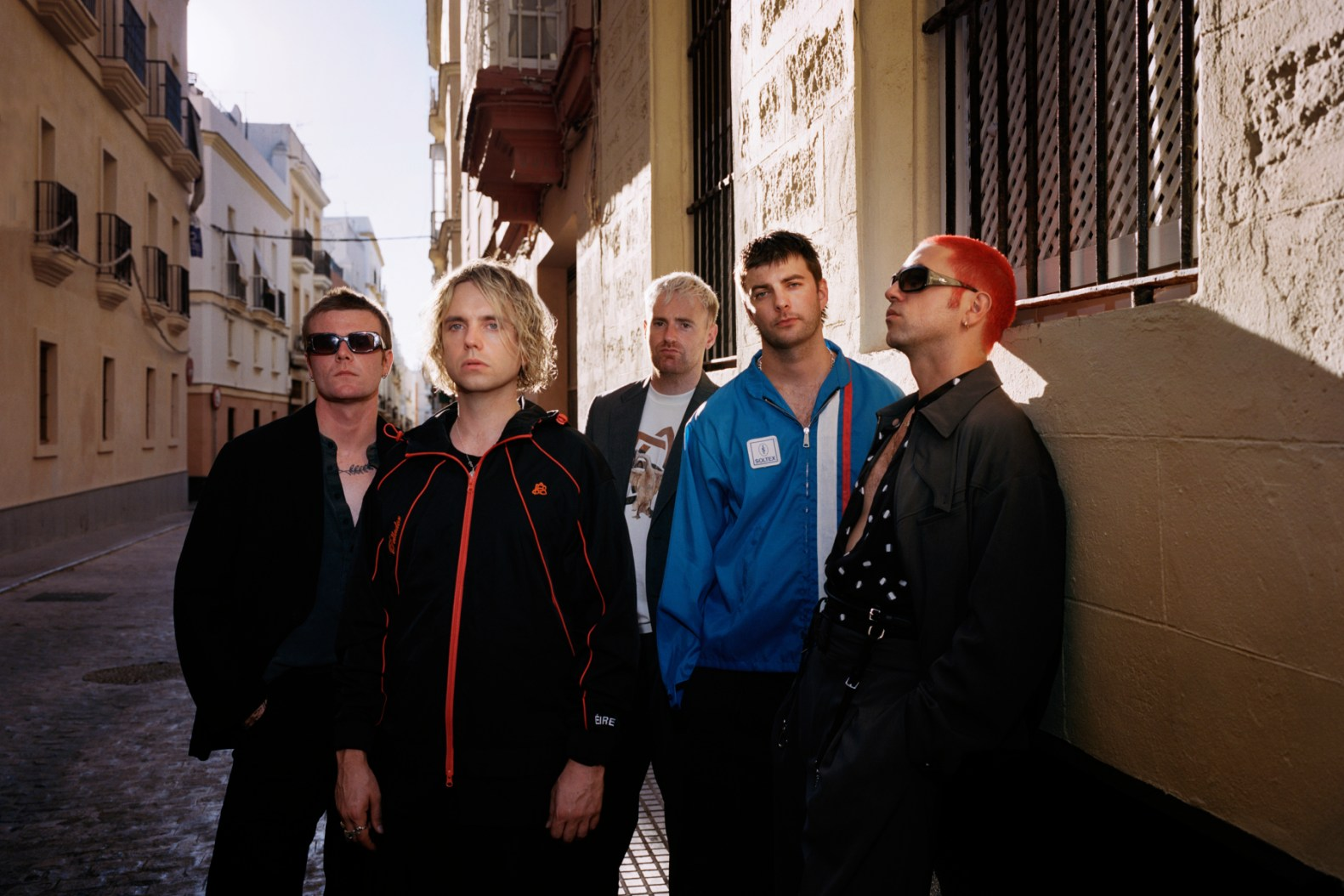
Fontaines D.C. have teamed up with Rosalía for their new collaboration, Where Is Gone?.
The song features on the Irish rock band's forthcoming album, Dopamine Chamber, which arrives on Friday (16.10.26). For guitarist Carlos O’Connell, working with the Spanish superstar is particularly special because of his own Spanish roots.
He explained: “I’ve admired Rosalía ever since her debut album, which I thought was absolutely beautiful.
“What excited me most was the way she continued to preserve Spain's musical traditions, something that felt spiritually connected to what we've been trying to achieve with Irish music. Having roots in both countries, it's been really special to witness. "She's an artist who has continued to amaze me at every point in her career.”
Frontman Grian Chatten has also described the collaboration with Rosalía as one of the most memorable achievements of his career.
He revealed that he felt "humbled" when she agreed to lend her voice to the band's album.
Speaking to NPR, Grian said: “I've always felt there's something almost like a single big idea that I'm personally trying to communicate to the world before I get old and die, if that makes sense. There's one thing I think I'll spend my life trying to express. I have a feeling she has a similar outlook. … I mean, she's an amazing arranger, composer and lyricist. It means so much that she wanted to sing on something we'd put together. It's definitely one of the highlights of my career.”
Rosalía's links to Irish rock music extend beyond Fontaines D.C. She also offered inspiration and helped develop the Spanish lyrics for U2's The Mirror Maker (Rosalía), a track from their forthcoming album, Carnaval de Luz.
During an appearance on The Tonight Show Starring Jimmy Fallon last week, she spoke about frontman Bono, saying: “I don't know him personally, but he sent me a text explaining that he was working on a new project and had written a song called The Mirror Maker."
Rosalía joked that Bono had invented a few words of his own.
She recalled telling him: “I wasn't sure what to make of it, but I told him he could create his own language if he wanted to.”
She described the opportunity to collaborate with the 66 year old music veteran as a real privilege.
She added: “Bono is a legend.
“It's amazing.”
Bono recently revealed that he was worried about seeming like a stalker when he reached out to Rosalía to ask whether he could name the song after her.