NEWS

Olivia Rodrigo
Louis Browne*There seems to be something in the air at the top of 2022, with several high-profile stars hopping on and off the management merry-go-round and switching up their teams in the first few weeks of the new year.

The big two, of course, are Olivia Rodrigo parting ways with Camp Far West’s Kristen Smith and signing on with Lighthouse Management + Media’s Aleen Keshishian and Zack Morgenroth; and Dua Lipa splitting with TaP Music co-founder and co-CEO Ben Mawson, and holding open auditions for a new team, according to sources. Both came as somewhat of a shock, given their respective partnerships had been in place as each of the stars ascended into stardom in recent years, and because both are either just starting or about to start significant tours.
The two are hardly alone; there seems to be a bit of a management revamp at the top of the year that has several artists shuffling the decks. Mitski shifted from Salty to Good Harbor, after a sexual harassment complaint against Salty’s Chris Crowley led to the firm’s dissolution; Remi Wolf has moved from Take & Thrown to be managed by Sophie Lev, her former product manager at Island. Lil Pump has parted ways with Tha Lights Global; Saweetie, after a trial run with Full Stop, split amicably with the firm and ultimately returned to being managed by her uncle, Louis Burrell. Meanwhile, rumors of a few other heavy hitters shaking up their teams are continuing to swirl.
There’s not much word as to what happened in Dua land just yet, though now that Olivia has landed with Lighthouse there’s a little more to see. In what was a highly-competitive negotiation, Lighthouse beat out at least one other high-level firm, and its roster of clients — Selena Gomez, Jennifer Aniston, Jason Bateman, Gwyneth Paltrow, Paul Rudd — has strong Hollywood connections, though Rodrigo has made it clear her focus is on music as she eyes her tour kickoff in April.
Each situation comes with its own reasons, of course, though one person pointed to the slow but steady re-emergence from the pandemic as one reason why artists may be reassessing their teams in the new year. One manager also put it down to the calendar. “Maybe people have time to reflect over things at the holidays,” the source says. “A second to breathe, because all of these artists are so busy all the time and that’s the only time the whole industry truly shuts down.” — Dan Rys
When AEG officials renewed a naming rights deal for L.A.’s Staples Center in 2009 with office supply chain Staples, a press release announcing the renewal explained that the deal included a first of its kind “lifetime naming rights extension for a major market arena.”
No details were released at the time on how the forever clause would work, but the news was met with applause by many in the corporate world, wanting more long-term value and commitment for the hundreds of millions of dollars invested in naming rights that protected companies from being outbid.
How a forever naming rights deal worked remained a mystery, although most analysts assumed the agreement came with some kind of mechanism to end the deal if a breach occurred.
They turned out to be half right. AEG had sold the naming rights to Staples in perpetuity for a lump sum payment in 2009, Lee Zeidman, president of Staples Center, Microsoft Theater and L.A. Live, recently told Billboard. But, he said, the Crypto.com name change for what was the largest naming rights deal in history — $700 million over 20 years — was only possible because AEG’s Global Partnerships division “bought the name back from the private equity company that now controlled Staples.”
While neither the price of the 2009 deal nor the 2019 buyback were released, Zeidman noted that discussions with Crypto.com didn’t start until fall 2021 and said AEG bought the naming rights back without a specific buyer in mind.
AEG owner Phil Anchutz “had a criteria of what we wanted and we were in the process of looking for a new partner when the pandemic hit,” Zeidman said. While AEG didn’t expect it would take more than two years to find a partner, the historic price tag did also come with the added bonus of beating SoFi Stadium in nearby Inglewood, which inked a $625 million naming rights deal in 2019.
“A $700 million deal, for a 23-year-old arena is unheard of,” Zeidman said. “There’s no better testament to what he have built in Los Angeles than that.” — Dave Brooks
Edited by Dan Rys
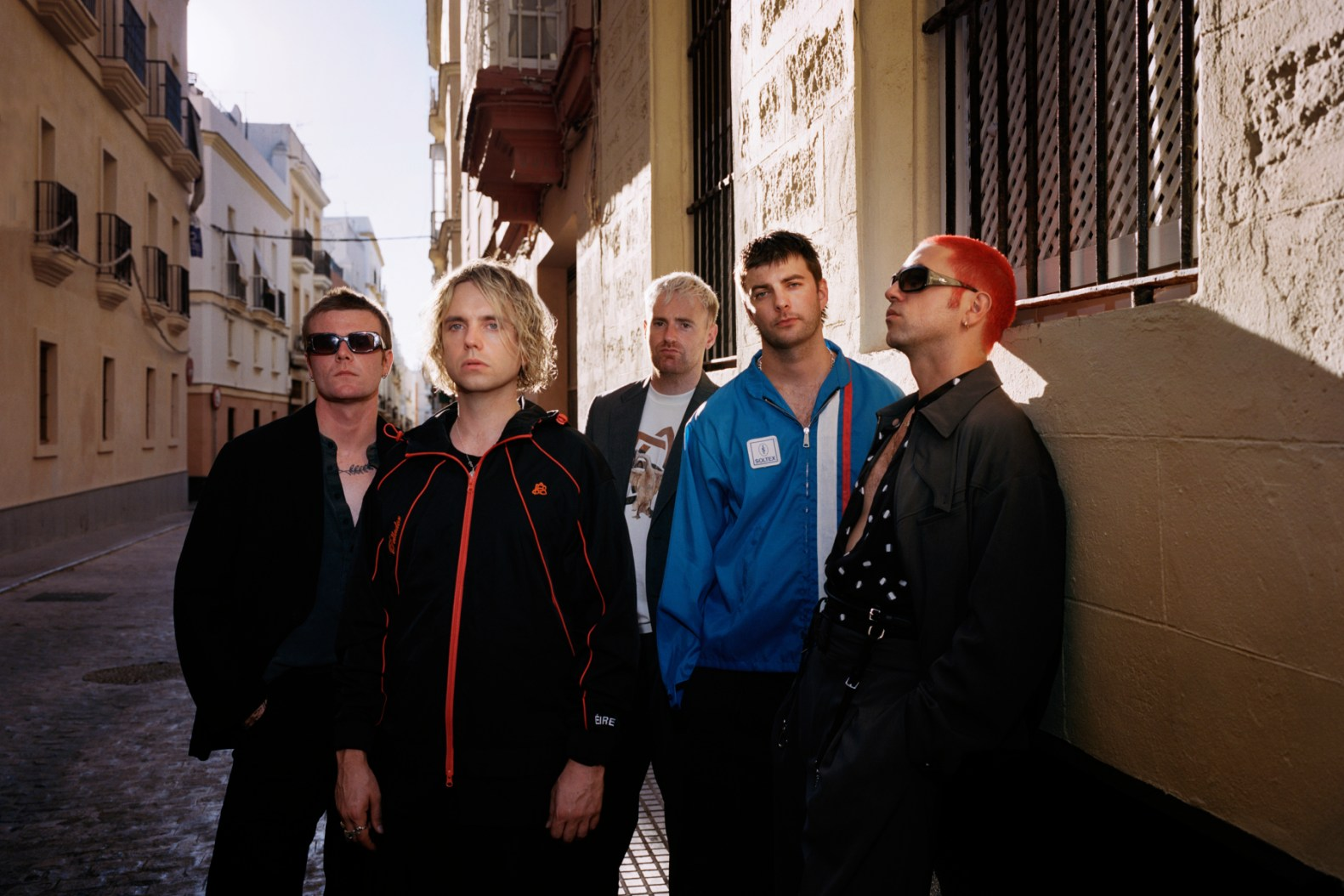
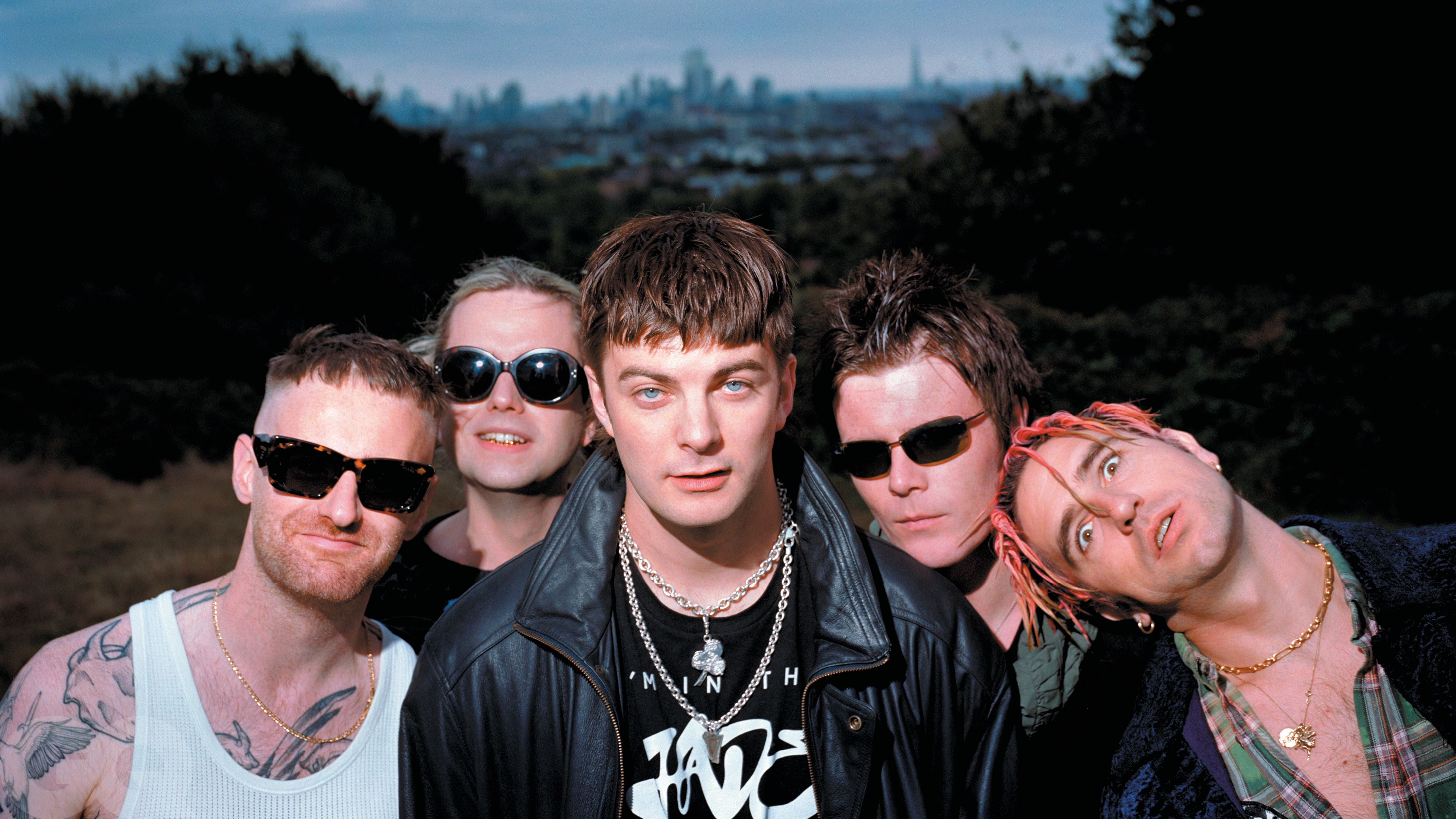
Fontaines D.C. have teamed up with Rosalía for their new collaboration, Where Is Gone?.
The song features on the Irish rock band's forthcoming album, Dopamine Chamber, which arrives on Friday (16.10.26). For guitarist Carlos O’Connell, working with the Spanish superstar is particularly special because of his own Spanish roots.
He explained: “I’ve admired Rosalía ever since her debut album, which I thought was absolutely beautiful.
“What excited me most was the way she continued to preserve Spain's musical traditions, something that felt spiritually connected to what we've been trying to achieve with Irish music. Having roots in both countries, it's been really special to witness. "She's an artist who has continued to amaze me at every point in her career.”
Frontman Grian Chatten has also described the collaboration with Rosalía as one of the most memorable achievements of his career.
He revealed that he felt "humbled" when she agreed to lend her voice to the band's album.
Speaking to NPR, Grian said: “I've always felt there's something almost like a single big idea that I'm personally trying to communicate to the world before I get old and die, if that makes sense. There's one thing I think I'll spend my life trying to express. I have a feeling she has a similar outlook. … I mean, she's an amazing arranger, composer and lyricist. It means so much that she wanted to sing on something we'd put together. It's definitely one of the highlights of my career.”
Rosalía's links to Irish rock music extend beyond Fontaines D.C. She also offered inspiration and helped develop the Spanish lyrics for U2's The Mirror Maker (Rosalía), a track from their forthcoming album, Carnaval de Luz.
During an appearance on The Tonight Show Starring Jimmy Fallon last week, she spoke about frontman Bono, saying: “I don't know him personally, but he sent me a text explaining that he was working on a new project and had written a song called The Mirror Maker."
Rosalía joked that Bono had invented a few words of his own.
She recalled telling him: “I wasn't sure what to make of it, but I told him he could create his own language if he wanted to.”
She described the opportunity to collaborate with the 66 year old music veteran as a real privilege.
She added: “Bono is a legend.
“It's amazing.”
Bono recently revealed that he was worried about seeming like a stalker when he reached out to Rosalía to ask whether he could name the song after her.