

Dolly Parton performs at the 2021 Kiss Breast Cancer Goodbye Concert at CMA Theater at the Country Music Hall of Fame and Museum on October 24, 2021 in Nashville, Tennessee.
Jason Kempin/GIWhen the Rock and Roll Hall of Fame announced Dolly Parton as one of its Class of 2022 nominees on Wednesday (Feb. 2), surely the first thought for many was that Parton was an outlier. She’s a country music icon to be sure (and a member of the Country Music Hall of Fame), and while she’s covered songs by Led Zeppelin,The Beatles and Neil Young, she’s hardly thought of in rock and roll circles.
Maybe Parton, who had never been nominated before despite being eligible since 1992 (or even earlier if you include her first indie single as a 13-year-old out in 1959), appears to be as shocked as everyone else, since she has yet to comment on the honor. However, there’s something that feels indelibly right about Parton, who has been a pioneer and an innovator across all music for decades, possibly joining the Rock Hall’s august ranks. The five artists who get the most votes will be announced in May as the Class of 2022. Should she be inducted, she follows in the footsteps of some of country’s most legendary names.
Here are the country acts who have preceded Parton. (We limited the list to artists primarily known as country artists, so did not include trailblazers like Elvis Presley, the Everly Brothers, Jerry Lee Lewis, Carl Perkins, Brenda Lee, Wanda Jackson or Ray Charles, who, despite their undisputed and vital ties to country music, left their biggest legacies in pop, rock, rockabilly or R&B.)
Chet Atkins (inducted in 2002): Known as the architect of the Nashville sound, Atkins went in the Hall under the musical excellence category, but the simple fact is, Atkins could do it all: His finger-picking guitar style that featured the melody and the bass line became world-renowned, he sold more than 35 million albums as an artist, he played on the Everly Brothers’ early hits, produced Presley’s first records for RCA Records and worked with such artists as Parton and Waylon Jennings.
Johnny Cash (1992): With his sonorous baritone, the Man in Black sounded like the voice of America, sharing stories of saints and sinners first as part of Memphis’ Sun Records roster, and then much more famously for Columbia Records in Nashville with such hits as “I Walk the Line,” “Ring of Fire” and “I’ve Been Everywhere.”
Floyd Cramer (2003): Nashville session pianist Cramer was inducted into the Rock Hall under the musical excellence category. His name is synonymous with the “slip note” technique of playing, which was an essential part of the Nashville sound starting in the 1950s. His playing can be heard on classic hits for Presley (“Heartbreak Hotel,” “Are You Lonesome Tonight”), Patsy Cline (“Crazy”), Eddy Arnold and more. Cramer also had a major pop hit with the instrumental single “Last Date” in 1960. Cramer was inducted into the Country Music Hall of Fame in 2003.
Bill Monroe (1997): The Father of Bluegrass Music penned more than 500 compositions, including such bluegrass classics as “Blue Moon of Kentucky” and “Bluegrass Breakdown,” but he was as renowned for his Blue Grass Boys and their musical virtuosity on mandolin, guitar, fiddle, banjo and upright bass, as they brought the vibrant music of the Appalachian region to the world.
Jimmie Rodgers (1986): Known as the Father of Country Music, Mississippi native Rodgers went into the Rock Hall under the early influences category in the same inaugural class of honorees as Chuck Berry, James Brown, the Everly Brothers and Ray Charles. In 1927, Ralph Peer recorded Rodgers (as well as the Carter Family) in Bristol, Tenn., and Rodgers’ blend of yodeling and acoustic songs became the musical template for numerous country artists who followed. Rodgers, known for such recordings as “Blue Yodel No. 8 (Mule Skinner Blues),” “Waiting for a Train” and “In the Jailhouse Now,” was also the first performer inducted into the Country Music Hall of Fame, in 1961. Nicknamed The Singing Brakeman, he influenced legions of artists who followed, including Merle Haggard and Bob Dylan.
Hank Williams (1987): Williams was country’s first modern-day star. Though he died tragically at 29, his songs became classics thanks to his keen sense of melody and his piercing, expressive voice that felt like his heart could barely contain the pain. Among his 55 top 10 country songs were “Cold, Cold Heart,” “Your Cheatin’ Heart” and “I’m So Lonesome I Could Cry.”
Bob Wills and His Texas Playboys (1999): Bob Wills and His Texas Playboys were inducted into the Rock Hall in the early influences category. Wills and his bandmembers enjoyed their greatest successes in the 1930s and 1940s, and became known for standards including “Take Me Back to Texas,” “I’m Sitting on Top of the World” and “San Antonio Rose.” With ace musicianship, the group developed a unique sound that integrated elements of swing, fiddle music, blues, jazz and more.
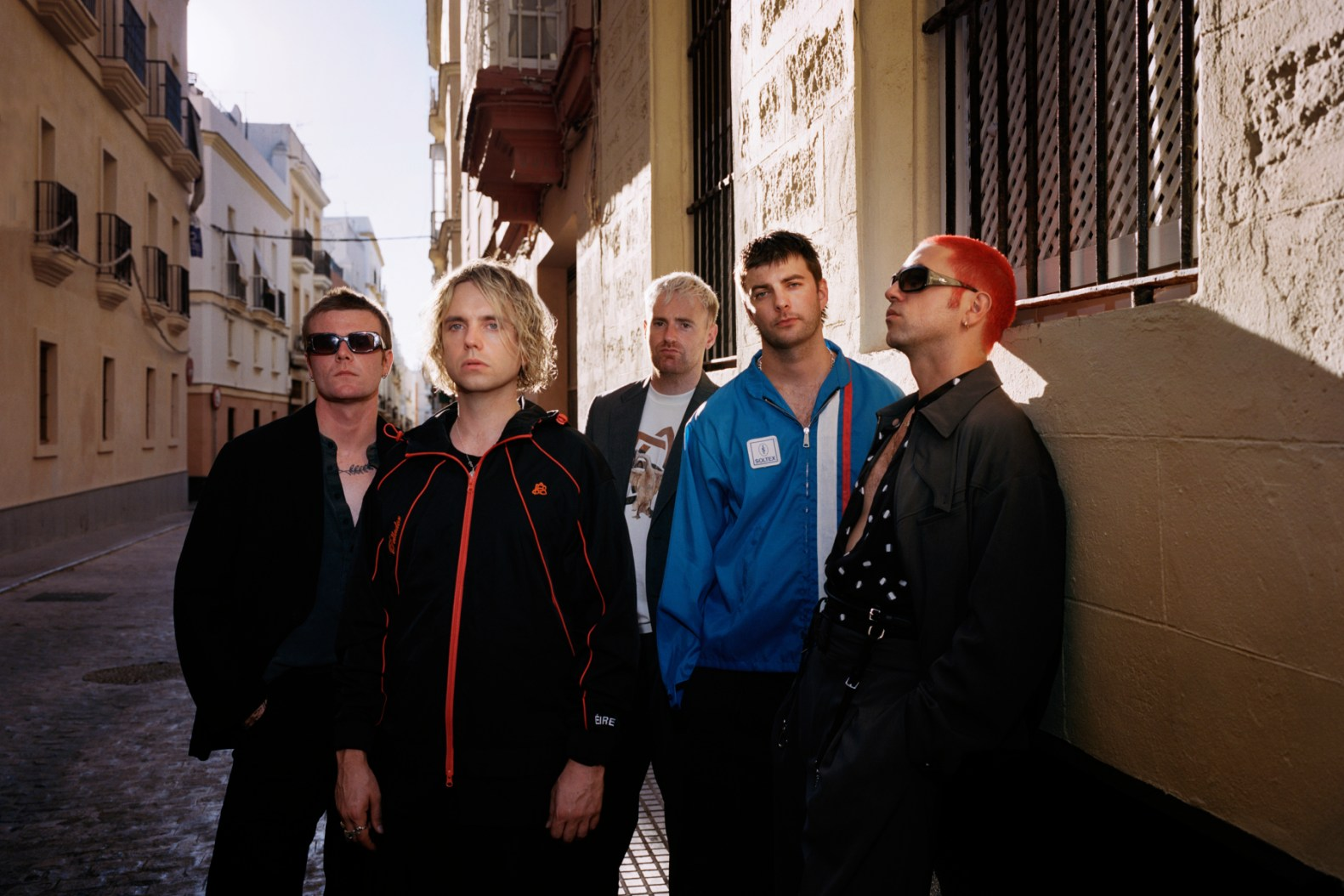
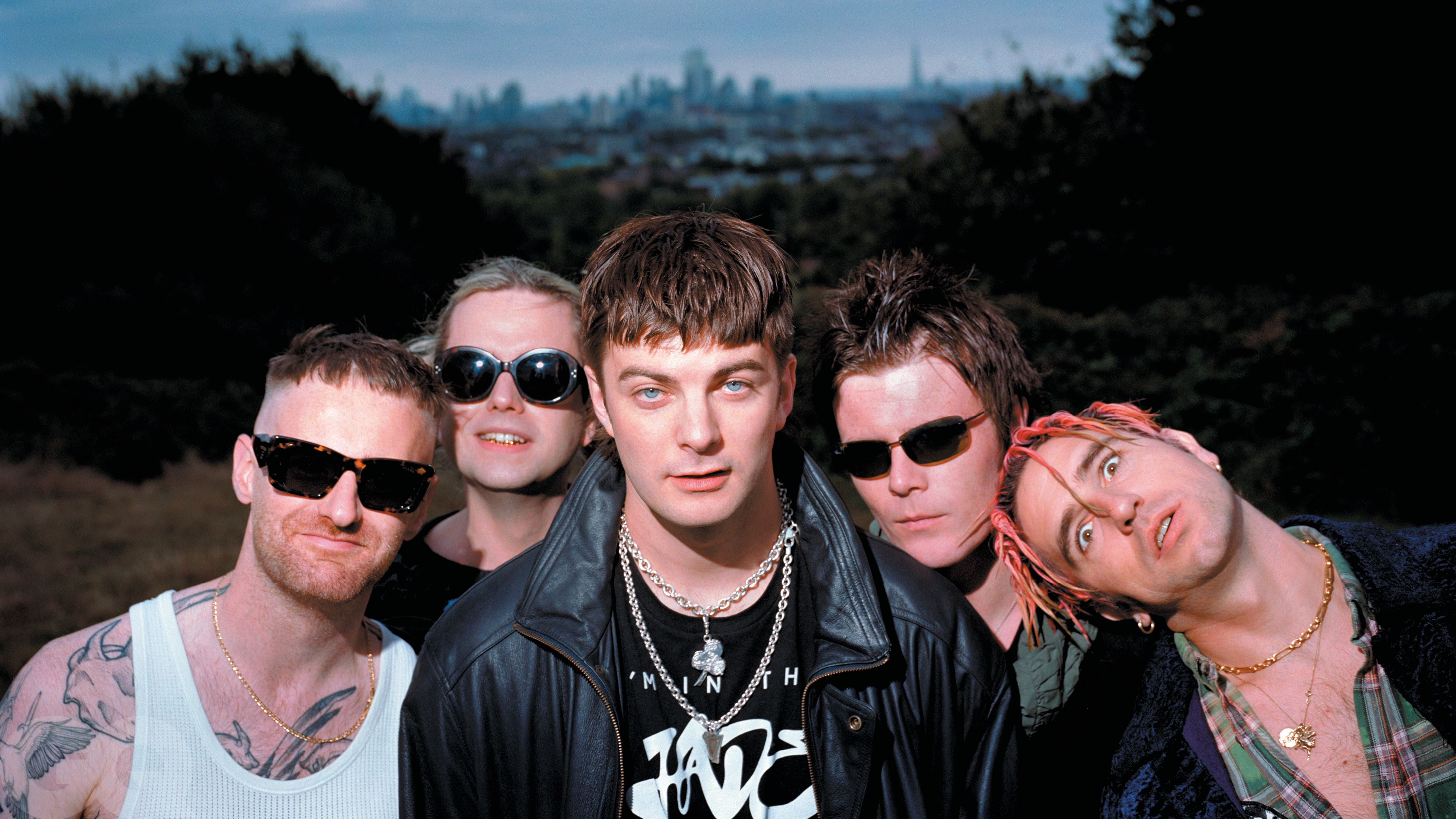
Fontaines D.C. have teamed up with Rosalía for their new collaboration, Where Is Gone?.
The song features on the Irish rock band's forthcoming album, Dopamine Chamber, which arrives on Friday (16.10.26). For guitarist Carlos O’Connell, working with the Spanish superstar is particularly special because of his own Spanish roots.
He explained: “I’ve admired Rosalía ever since her debut album, which I thought was absolutely beautiful.
“What excited me most was the way she continued to preserve Spain's musical traditions, something that felt spiritually connected to what we've been trying to achieve with Irish music. Having roots in both countries, it's been really special to witness. "She's an artist who has continued to amaze me at every point in her career.”
Frontman Grian Chatten has also described the collaboration with Rosalía as one of the most memorable achievements of his career.
He revealed that he felt "humbled" when she agreed to lend her voice to the band's album.
Speaking to NPR, Grian said: “I've always felt there's something almost like a single big idea that I'm personally trying to communicate to the world before I get old and die, if that makes sense. There's one thing I think I'll spend my life trying to express. I have a feeling she has a similar outlook. … I mean, she's an amazing arranger, composer and lyricist. It means so much that she wanted to sing on something we'd put together. It's definitely one of the highlights of my career.”
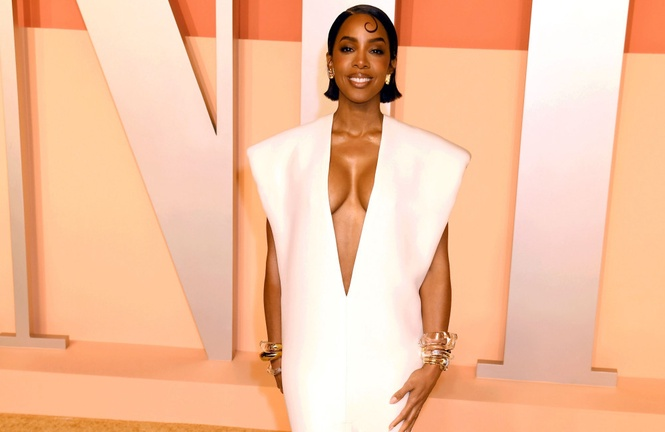
Rosalía's links to Irish rock music extend beyond Fontaines D.C. She also offered inspiration and helped develop the Spanish lyrics for U2's The Mirror Maker (Rosalía), a track from their forthcoming album, Carnaval de Luz.
During an appearance on The Tonight Show Starring Jimmy Fallon last week, she spoke about frontman Bono, saying: “I don't know him personally, but he sent me a text explaining that he was working on a new project and had written a song called The Mirror Maker."
Rosalía joked that Bono had invented a few words of his own.
She recalled telling him: “I wasn't sure what to make of it, but I told him he could create his own language if he wanted to.”
She described the opportunity to collaborate with the 66 year old music veteran as a real privilege.
She added: “Bono is a legend.
“It's amazing.”
Bono recently revealed that he was worried about seeming like a stalker when he reached out to Rosalía to ask whether he could name the song after her.