NEWS

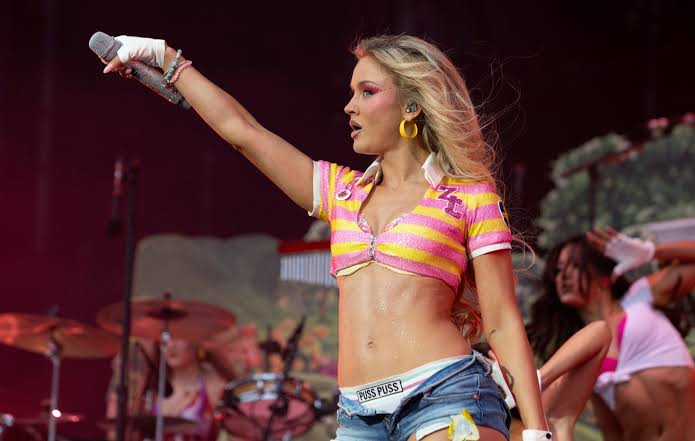
Rivers Cuomo of the rock band Weezer performs to a sold out crowd during the Hella Mega Tour at T-Mobile Park on September 06, 202 1 in Seattle, Washington.
Xander Deccio/imageSPACE/MediaPunch /IPX/AP ImagesAs more musicians pull their music from Spotify amidst the controversy surrounding Joe Rogan, listeners are contemplating making the jump to alternate streaming services. There are a few options available, the more obvious choices including Apple Music and Tidal, but Rivers Cuomo is adding his own self-made app to the mix: Weezify.
“Tired of Spotify” the Weezer frontman wrote on Twitter. “Come on over to Weezify.” The only catch with Cuomo’s venture is that when he created the app last year, he filled it with the more than 3,200 demos he recorded between 1975 and 2017 — and nothing else.
Similarly to Spotify’s interface, Weezify offers a number of curated playlists for users to follow, or they can create their own. The library of demos is split into 12 bundles broken down by era. For instance, there’s “Weezma,” which holds demos made with the California band Ozma between 2012 and 2014, and “Patrick & Rivers,” which boasts music created with Weezer drummer Patrick Wilson between 1991 and 2012.
The bundles cost $9 each to purchase and play through Weezify, less than a monthly subscription to Spotify. Weezify also appears to be an outgrowth of another tech project Cuomo launched in 2020, a digital marketplace where he was also selling bundles of old demos.
Weezify arrives as Weezer plot their new four-part seasonal album cycle. “Spring is kind of like happy chill. And then we move through to dance rock, like a Strokes-style album for the fall, and then sad acoustic, Elliott Smith-style for winter,” Cuomo told Good Morning America of the project which plans for a new release on the first day of each season throughout the year.
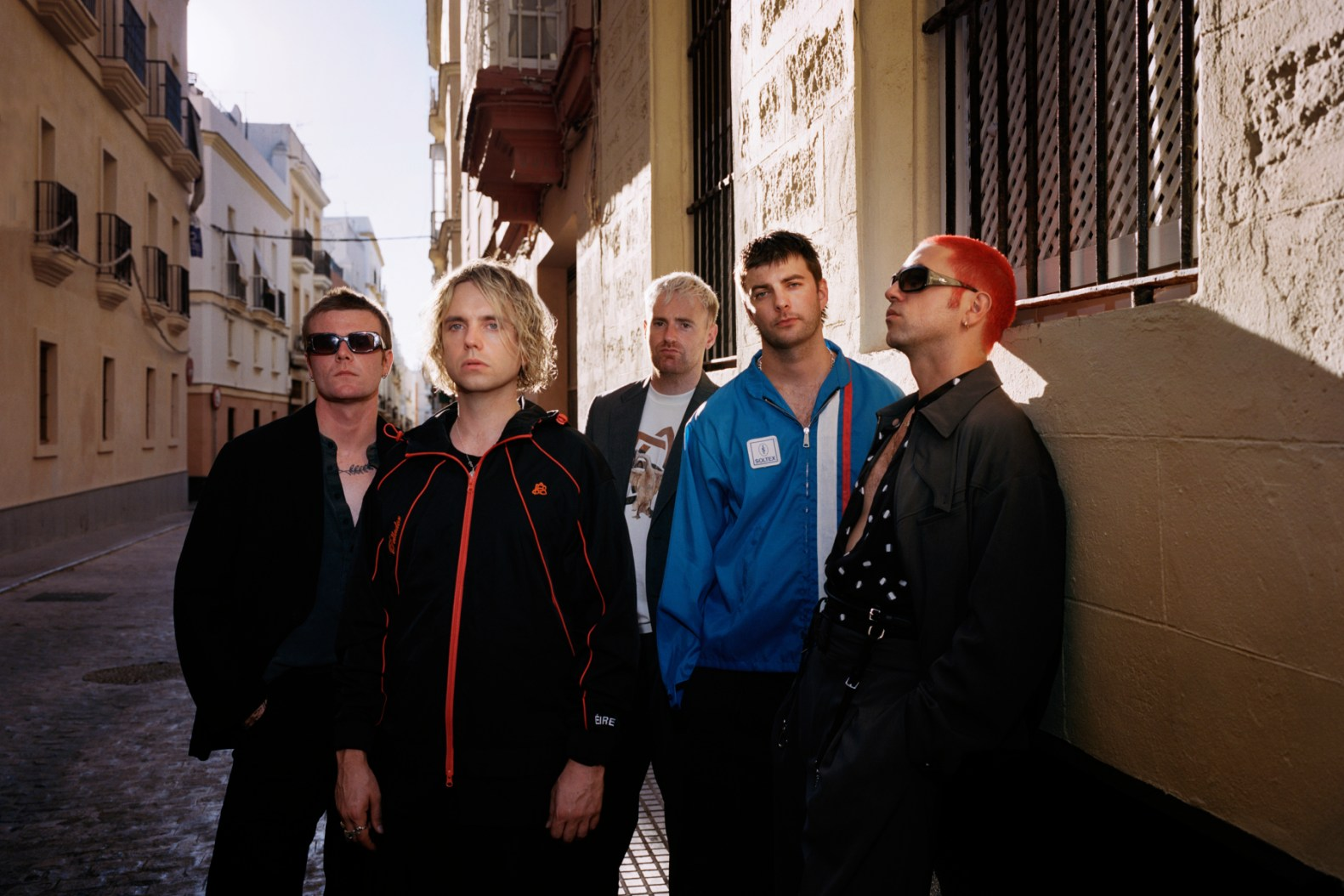
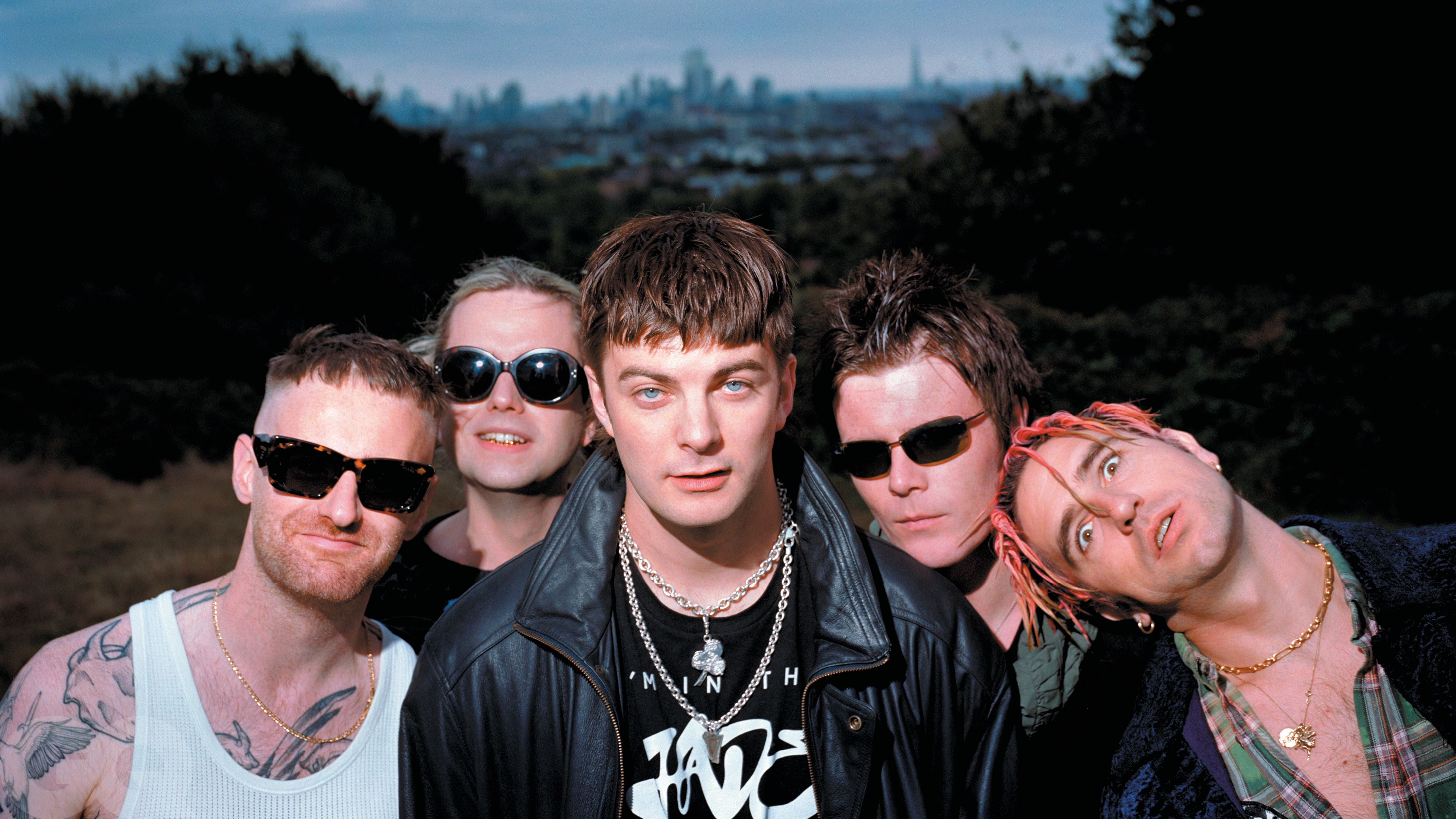
Fontaines D.C. have teamed up with Rosalía for their new collaboration, Where Is Gone?.
The song features on the Irish rock band's forthcoming album, Dopamine Chamber, which arrives on Friday (16.10.26). For guitarist Carlos O’Connell, working with the Spanish superstar is particularly special because of his own Spanish roots.
He explained: “I’ve admired Rosalía ever since her debut album, which I thought was absolutely beautiful.
“What excited me most was the way she continued to preserve Spain's musical traditions, something that felt spiritually connected to what we've been trying to achieve with Irish music. Having roots in both countries, it's been really special to witness. "She's an artist who has continued to amaze me at every point in her career.”
Frontman Grian Chatten has also described the collaboration with Rosalía as one of the most memorable achievements of his career.
He revealed that he felt "humbled" when she agreed to lend her voice to the band's album.
Speaking to NPR, Grian said: “I've always felt there's something almost like a single big idea that I'm personally trying to communicate to the world before I get old and die, if that makes sense. There's one thing I think I'll spend my life trying to express. I have a feeling she has a similar outlook. … I mean, she's an amazing arranger, composer and lyricist. It means so much that she wanted to sing on something we'd put together. It's definitely one of the highlights of my career.”
Rosalía's links to Irish rock music extend beyond Fontaines D.C. She also offered inspiration and helped develop the Spanish lyrics for U2's The Mirror Maker (Rosalía), a track from their forthcoming album, Carnaval de Luz.
During an appearance on The Tonight Show Starring Jimmy Fallon last week, she spoke about frontman Bono, saying: “I don't know him personally, but he sent me a text explaining that he was working on a new project and had written a song called The Mirror Maker."
Rosalía joked that Bono had invented a few words of his own.
She recalled telling him: “I wasn't sure what to make of it, but I told him he could create his own language if he wanted to.”
She described the opportunity to collaborate with the 66 year old music veteran as a real privilege.
She added: “Bono is a legend.
“It's amazing.”
Bono recently revealed that he was worried about seeming like a stalker when he reached out to Rosalía to ask whether he could name the song after her.