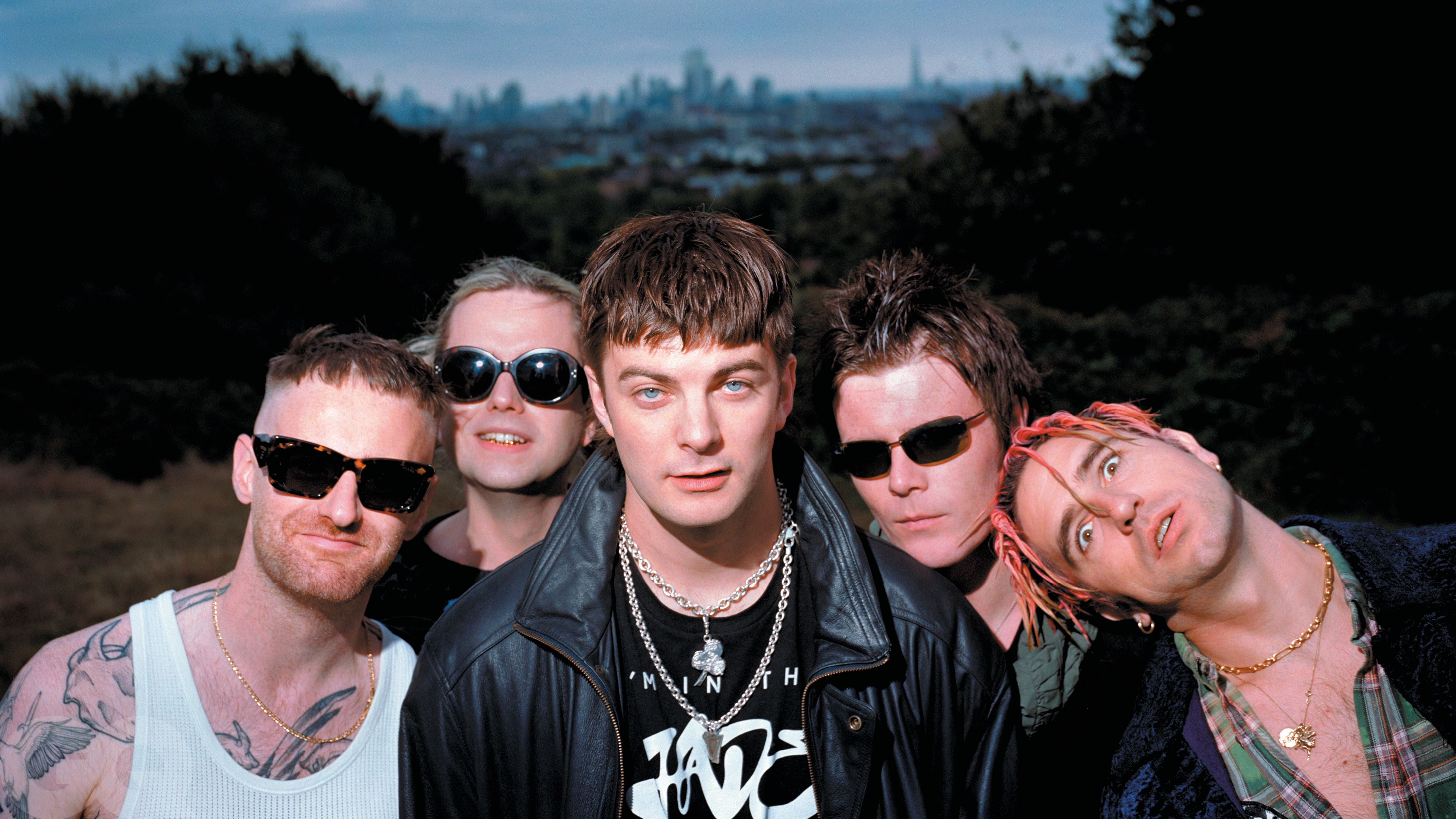
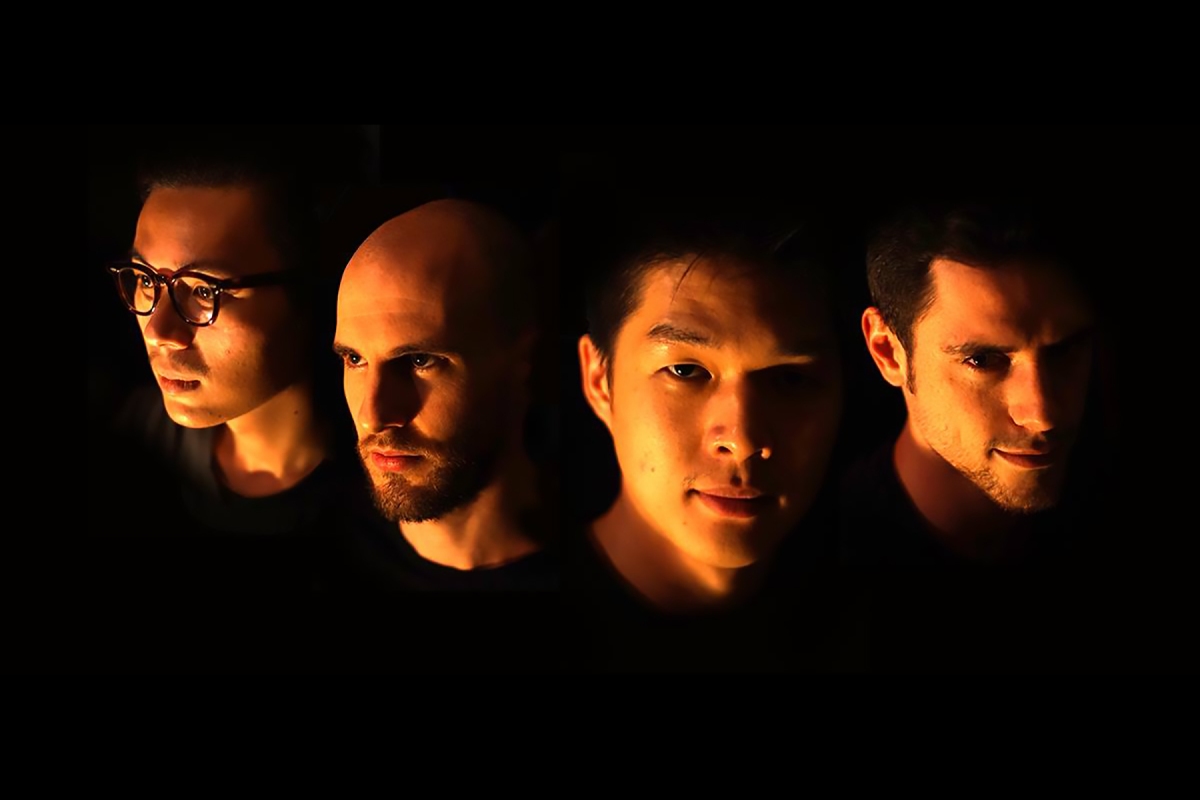
Hong Kong metal band Omicron never expected to share its name with a deadly infectious disease.
Courtesy of OmicronSince his old metal band broke up five years ago, guitarist Li Heng Chan hadn’t given the project much thought. But last week, he began receiving texts and emails from family, friends, and one of his former bandmates. “They were saying, ‘Your band is in the news!’ ” Chan says. “Everyone’s like, ‘What’s going on?’ ”
Ladies and gentlemen, welcome back to the stage … Omicron!
On Nov. 26, the World Health Organization announced the name of the latest Covid-19 variant. Although it was chosen for being the 15th letter of the Greek alphabet, the designation struck a chord with at least one musician, drummer Jon Wurster of Superchunk, Bob Mould, and Mountain Goats renown: “Omicron sounds like a progressive metal band that’s never headlined,” he tweeted two days later.
It turns out Wurster wasn’t far off. Between 2014 and 2016, Omicron was indeed the name of an underground prog-metal band based in Hong Kong. The quartet — Chan, keyboardist Tyler Yeung, drummer Alex Bedwell, and synth-guitarist Adam Robertshaw — only played a handful of gigs and weren’t around long enough to release an album (more on that later). But thanks to a macabre coincidence, Omicron are suddenly getting some of the attention they missed out on during their existence. “Of all the possible words you could use for designating a virus, you choose Omicron,” says Chan with a laugh. “Whether for the right or wrong reasons, we’ve been getting clicks. It’s been a lot to process.”
“I have honestly never heard progressive metal, as far as I know, but it’s a term I’ve heard [the Mountain Goats’] John Darnielle use a few times,” Wurster tells Rolling Stone. “It just seemed reasonable, at least in my mind, that there could, or should be, a progressive metal band called Omicron.”
Omicron started coming together nearly a decade ago. After initially immersing himself in Linkin Park, Papa Roach, and other nu-metal faves, the Hong Kong–born Chan branched out and began exploring everything from Slipknot to Helloween. But when he heard “Acid Rain” by Liquid Tension Experiment — an offshoot of modern proggers Dream Theater — Chan began dedicating himself to knotty instrumental music.
With Yeung, a friend from high school and college, and Bedwell, who played in various Hong Kong outfits, the group formed in 2012 before adding Robertshaw (whose synth guitar allowed him to play both rhythm and bass lines) the following year. When it came time to choose a name, Chan says they wanted something that sounded “cosmic-themed.” Andromeda was taken, so at Robertshaw’s suggestion, they went with the next viable-sounding choice, the name for the 15th star in a constellation. “It had this particular ring to it,” Chan says of Omicron. “That was the starting point. And then we looked deeper into the word itself. Our music is loosely based on a sci-fi/space approach, and Omicron means ‘small.’ The idea was that our individual parts — the Omicron — contribute to the bigger picture.”
Playing bills with folk and EDM acts, Omicron stood apart with their twisty, intricate tunes and covers of songs by extreme-metal acts Edge of Sanity and Atheist. “There are a lot of instrumental progressive bands, but as far as Hong Kong, we were the only one,” Chan says. But they only worked sporadically, since the band members had other jobs (Chan was a secondary school teacher; Robertshaw was a store-developer architect for H&M). They could only rehearse one day a week, and played a total of seven club shows in Hong Kong, although one reviewer called them “surely one of the brightest flames in Hong Kong’s metal scene.”
When Bedwell decided to return to his home in the U.K., Omicron played its final show in 2016. Chan relocated with his future wife to Perth, Australia, where he began teaching music in a secondary school and started a one-man-band side project, Outcome Variables. “We could’ve done more,” Chan says of Omicron. “We could have been more organized about it at the time. There was a lot of potential, and there were recordings.”
Here’s where the Omicron story takes another twist. The four members are now spread around the globe, with Yeung still in Hong Kong, Robertshaw in the U.K., and Bedwell now in Denmark. But starting last year, they began collecting the studio recordings they’d left behind — spruced up with newly added parts — for a belated, self-titled album. “I’m very psyched,” Chan says. “There were limitations to what we could do live, with just the four of us. But with the album we’re looking to make it sound massive.”
Before last week, the album was being scheduled for release next summer, but Chan says Omicron is grappling with re-emerging in this current climate. “We were thinking, ‘Should we capitalize on this? Is it too soon? Is it in bad taste?’ ” Chan says. “Obviously the virus isn’t a positive thing, but it’s generated some traffic for us.” At the very least, he says, they’re considering tweaking the band name and calling themselves Omicron 2014, after the year the quartet coalesced. “We don’t want people thinking we’re basing it off Covid,” Chan says. “That’s not what we’re about.”
Reunion shows, however, may be more challenging. “The demand would have to be big enough for all four of us to make the trek halfway across the world to play,” says Chan. “If we met somewhere in the middle, like Russia or Mongolia, we’ll consider it.”
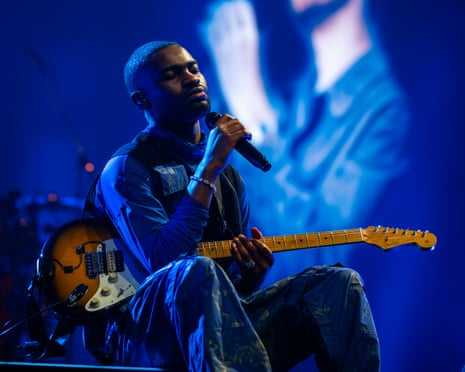
Dave, Olivia Dean, RAYE and Jim Legxacy are some of the biggest names in the running for this year’s Urban Music Awards.
Now in its 24th year, the ceremony is heading back to London on December 15 to recognise talent from across the UK and the international urban music scene.
With ten nominations, Dave has earned more nods than any other artist this year. His nominations include Artist of the Year (UK) and Best Album for The Boy Who Played the Harp, while his Tems collaboration ‘Raindance’ is competing in three categories. Olivia Dean, RAYE and Jim Legxacy have each received eight nominations. Skepta is close behind with seven, with ‘Victory Lap’, his track alongside Fred again.. and PlaqueBoyMax, also earning recognition.
Central Cee, Dave, Finn Askew, FLO, J Hus, Jim Legxacy, Lola Young, Nemzzz, Odeal, Olivia Dean, PinkPantheress, RAYE, Scorcher and Skepta are all competing for Artist of the Year (UK). The Best Album shortlist features Central Cee’s Cant Rush Greatness, Little Simz’s Lotus, RAYE’s This Music May Contain Hope, Olivia Dean’s The Art of Loving and FLO’s Access All Areas. Meanwhile, Ezra Collective, D Block Europe, NSG, SAULT and FLO are competing for Best Group.
The ceremony is also giving more attention to music from around the world, with awards recognising artists from the USA, Africa, the Caribbean, France, Asia and South America. Kendrick Lamar, SZA, Doechii, Burna Boy, Wizkid, Tems, Tyla, Vybz Kartel, Aya Nakamura, Diljit Dosanjh, Bad Bunny and Karol G are among the international names nominated.
Speaking about this year’s nominations, Cressida Oppenheimer, Vice President of the Urban Music Awards, said: “For 24 years, the Urban Music Awards have championed the artists, producers, DJs and creators who drive our culture forward. This year's nominees show just how strong, diverse and global urban music has become. Now it's over to the fans: get voting, and we'll see you on 15 December for a night of elegance, fashion, performances and the biggest celebration of the year.”
Fans can cast their votes at urbanmusicawards.org/voting. Tickets and VIP tables can also be purchased through the awards’ official website, with the evening featuring a red carpet, live performances, the award presentations and an official afterparty. Viewers will be able to watch the celebration live on Channel One TV.
The 2026 Urban Music Awards nominations:
Artist of the Year (UK)
Central Cee
Dave
Finn Askew
FLO
J Hus
Jim Legxacy
Lola Young
Nemzzz
Odeal
Olivia Dean
PinkPantheress
RAYE
Scorcher
Skepta
Best Male Act
Aitch
Central Cee
Dave
Donaeo
Elmiene
Fuse ODG
Jim Legxacy
Kojey Radical
Myles Smith
Nemzzz
Odeal
Sampha
Scorcher
Skepta
Best Female Act
Cleo Sol
FLO
JADE
Jorja Smith
kwn
Little Simz
Lola Young
Mahalia
Nia Smith
Olivia Dean
PinkPantheress
Rachel Chinouriri
RAYE
Sasha Keable
Shae Universe
Sonna Rele
Tamera
Best Newcomer
Chy Cartier
CRISTALE
DC3
EsDeeKid
Finessekid
Finn Askew
Jim Legxacy
kwn
LeoStayTrill
Namesbliss
Nectar Woode
Nia Smith
Nippa
Olympia Vitalis
Owen Saward
Sekou
Skye Newman
YT
Best Group
D Block Europe
Ezra Collective
FLO
House Gospel Choir
NSG
SAULT
Sol and The Gang
STXRM Collective
WSTRN
Best Album
Central Cee – Cant Rush Greatness
DAMEDAME – Dreams on the Passenger Seat
Dave – The Boy Who Played the Harp
FLO – Access All Areas
Griminal – Grimace
Kojey Radical – Dont Look Down
Little Simz – Lotus
Nia Archives – Emotional Junglist
Olivia Dean – The Art of Loving
RAYE – This Music May Contain Hope
Best Single
AJ Tracey feat. Jorja Smith – Crush
Akelle and Dexta Daps – Tink Bout It
Bugzy Malone – Tears
Dappy feat. Renaya – Straight Facts 2 Remix
Dave and Tems – Raindance
Dionne Bromfield – Greenlight
Donaeo feat. Omar, Lemar and House Gospel Choir – Nights Like This
Durrty Goodz – Fight For England
Finn Askew – Music All Over Her Body
Fred again.., Skepta and PlaqueBoyMax – Victory Lap
Fuse ODG – 54 Countries
kwn – Do What I Say
Kyla x Moliy – Do You Mind Remix
Mr Eazi feat. Moliy – Comfort
Nippa feat. Blxst – Homegrown
Olivia Dean – Man I Need
Owen Saward, ANGEL and WSTRN – Not Mine OWA Remix
Papoose – Jezebel
RAYE – Where Is My Husband!
Stormzy and Odeal – 24 Hours
Best Collaboration
Akelle and Dexta Daps – Tink Bout It
Ama Louise and Wilfy D – Love Or War
Ayo Beatz and DJ Ironik – Lil Bit
Clean Bandit, Chloe and Omah Lay – Company
Coki and Durrty Goodz – We Nah Business
Dave and Tems – Raindance
Deyah and Mercston – Switch
Donaeo feat. Omar, Lemar and House Gospel Choir – Nights Like This
Fred again.., Skepta and PlaqueBoyMax – Victory Lap
Jim Legxacy and Dave – 3X
Kyla x Moliy – Do You Mind Remix
Lioness feat. Queenie – Savage 4 Who
Nippa feat. Blxst – Homegrown
Sam Fender feat. Olivia Dean – Rein Me In
Stormzy and Odeal – 24 Hours
Tamera feat. Aitch – Undeniable
Tinie Tempah and Daecolm – Living Life
Yourboywonder and Stylo G – Keep It Sweet
Best Music Video
Akelle and Dexta Daps – Tink Bout It
Ayo Beatz and DJ Ironik – Lil Bit
Casper Walsh – Hustler Boogie
Dave and Tems – Raindance
Donaeo, Omar, Lemar and House Gospel Choir – Nights Like This
Dopebwoy and AJ Tracey – Stupid Move It
DJ MAC, MDot R and George P feat. CrashDummy – Confessions
Durrty Goodz – Fight For England
FKA twigs – Eusexua
Jim Legxacy – Father
Lioness feat. Queenie – Savage 4 Who
Little Simz feat. Obongjayar and Moonchild Sanelly – Flood
Olympia Vitalis – Painted Smiles
PinkPantheress – Illegal
Pozer – Shanghai Noon
RAYE – Where Is My Husband!
Best Live Act / Performance
Dave
FLO
J Hus
Jorja Smith
Kojey Radical
Little Simz
Olivia Dean
Oritse Williams
RAYE
Sampha
Skepta
Best Singer / Songwriter
Elmiene
Jorja Smith
Lola Young
Michael Kiwanuka
Myles Smith
Odeal
Olivia Dean
RAYE
Sampha
Sasha Keable
Best Producer
Fred again..
Inflo
JAE5
Knucks
M1OnTheBeat
P2J
PinkPantheress
Sammy Virji
Steel Banglez
TSB
Best DJ
Charlie Sloth
Conducta
DJ AG
DJ Ironik
DJ Maximum
DJ Semtex
DJ Target
Jamz Supernova
Kenny Allstar
Larizzle
Mak 10
Sammy Virji
Sherelle
Genre Awards
Best Hip Hop Act
Aitch
Ceebo
Central Cee
D Block Europe
Dave
Jim Legxacy
Knucks
Kojey Radical
Little Simz
Loyle Carner
Nemzzz
Youngs Teflon
Best R and B / Soul Act
Elmiene
Jim Legxacy
Jorja Smith
kwn
Mabel
Nectar Woode
Nia Smith
Nippa
Odeal
Olympia Vitalis
Owen Saward
Sampha
SAULT
Sasha Keable
Shae Universe
Best Grime Act
Chip
D Double E
Durrty Goodz
Griminal
Jayahadadream
JME
Kano
Kasst 8
Scorcher
Skepta
Wiley
Best Drill Act
36
Booter Bee
Chy Cartier
Digga D
EsDeeKid
Headie One
K Trap
LeoStayTrill
Nemzzz
Pozer
Twin S
Wohdee
Best Afrobeats Act
Asake
Ayra Starr
Burna Boy
Davido
Moliy
Mr Eazi
Rema
Shallipopi
Tems
Tiwa Savage
Wizkid
Best Reggae / Dancehall Act
Koffee
Lila Ike
Masicka
Popcaan
Protoje
Shenseea
Skillibeng
Spice
Vybz Kartel
Yung Bredda
Best Jazz Act
Blue Lab Beats
Chelsea Carmichael
Kokoroko
Moses Boyd
Nubya Garcia
Shabaka
Yussef Dayes
Best Gospel Act
Aaron Cole
CalledOut Music
DC3
Faith Child
Limoblaze
Rachel Kerr
Triple O
Volney Morgan and New Ye
Yourboywonder
International Awards
Artist of the Year (USA)
Cardi B
Clipse
Doechii
Kehlani
Kendrick Lamar
Leon Thomas
Mariah the Scientist
Papoose
SZA
Tyler, The Creator
Artist of the Year (Africa)
Abigail Chams
Ayra Starr
Black Sherif
Burna Boy
Davido
Diamond Platnumz
Fally Ipupa
Fuse ODG
Moliy
Mr Eazi
Rema
Tems
Wizkid
Artist of the Year (Caribbean)
Amanda Reifer
Armanii
Kes
Koffee
Machel Montano
Masicka
Popcaan
Shenseea
Skillibeng
Spice
Vybz Kartel
Artist of the Year (France)
Aya Nakamura
Dadju
Franglish
Gazo
Gims
Hamza
JADE
Ninho
SDM
Tayc
Tiakola
Artist of the Year (Asia)
AP Dhillon
Diljit Dosanjh
DIVINE
Hanumankind
Jackson Wang
Jay Park
Karan Aujla
KEI
Keshi
Artist of the Year (South America)
Anitta
Bizarrap
Blessd
Emilia
Feid
J Balvin
Karol G
Nicki Nicole
Ryan Castro
Trueno
Best International Act
Ayra Starr
Bad Bunny
Dina Ayada
Doechii
Kehlani
Kendrick Lamar
Leon Thomas
Papoose
Sarah Black
Shenseea
SZA
Tems
Tyla
Vybz Kartel
Culture, Media and Digital
Best Entertainer
Big Zuu
Boris Becker
Chunkz
Harry Pinero
KSI
Munya Chawawa
Niko Omilana
ShxtsNGigs
Sol and The Gang
Stephen Sarpong
Zoe Baptiste
Best Podcast
3 Shots of Tequila
90s Baby Show
Cocktails and Takeaways
HC Pod
No Behaviour Podcast
Saving Grace
ShxtsNGigs
The Day After TNB
The Diary of a CEO
The Receipts Podcast
Best Radio Show
DJ Target – DJ Target, BBC Radio 1Xtra
Kenny Allstar – Radio 1s Rap Show, BBC Radio 1 and BBC Radio 1Xtra
Chuckie – 1Xtras R and B Show, BBC Radio 1Xtra
DJ Edu – 1Xtras AfroSounds Show, BBC Radio 1Xtra
Seani B – 1Xtras Dancehall Show, BBC Radio 1Xtra
Remi Burgz – Remi Burgz, BBC Radio 1Xtra
Robert Bruce and Shayna Marie – Capital XTRA Breakfast, Capital XTRA
DJ Semtex – DJ Semtex, Capital XTRA
Manny Norte – The Norte Show, Capital XTRA
Ras Kwame – Reggae Recipe, Capital XTRA
Ace – The R and B Show, KISS XTRA
Juls – Afrobeats with Juls, KISS XTRA
Esi – The Rap Show, KISS XTRA
Davda – The Dancehall Show, KISS XTRA
Nick Gibbons – Nick Gibbons, Reprezent Radio
DJ GBE – ONDECKWITHGBE, Reprezent Radio
TEEQS – New Music Mondays with TEEQS, The Beat London 103.6 FM
Lashana Camille – Lunchtime with Lashana Camille, The Beat London 103.6 FM
Best Radio Station
BBC Radio 1Xtra
Capital XTRA
Capital XTRA Reloaded
Foundation FM
KISS XTRA
KISSTORY R and B
No Signal
Reprezent Radio
Rinse FM
The Beat London 103.6 FM
Best Music Discovery Platform
Spotify
TikTok
Apple Music
YouTube Music
SoundCloud
Audiomack
Bandcamp
Shazam
Kick
Amazon Music
Best Record Label
0207 Def Jam
Merky Records
Atlantic Records UK
Black Butter Records
Dirty Hit
EMI Records
Since 93
Sony Music UK
Universal Music UK
Warner Records UK
Young
Best Viral Breakthrough Song
EsDeeKid – Phantom
Fred again.., Skepta and PlaqueBoyMax – Victory Lap
Jim Legxacy and Dave – 3X
Olivia Dean – Man I Need
PinkPantheress – Illegal
RAYE – Where Is My Husband!
Shenseea feat. Vybz Kartel – Talk to Me Nuh
Skye Newman – Family Matters