NEWS

In this courtroom artist's sketch made from a video screen monitor of a Brooklyn courtroom, defendant R. Kelly, left, listens during the opening day of his trial on Aug. 18, 2021 in New York.
AP Photo/Elizabeth WilliamsA key witness in the federal racketeering and sex trafficking trial against R. Kelly, Jerhonda Pace, continued her testimony against the R&B singer at the Eastern District of New York courthouse in Brooklyn on Thursday (Aug. 19), detailing allegations of aggressive physical and sexual abuse when she was a minor.
Pace wore a maroon T-shirt and black bottoms, nestling her pregnant belly while remaining composed for the duration of Assistant U.S. Attorney Maria Cruz Melendez's questioning and defense attorney Deveraux Cannick's cross-examination. After two days of testimony, however, Pace finally reached her breaking point.
Melendez asked Pace to read a journal entry dated January 23, 2010, the last day Pace says she had a sexual encounter with Kelly. As she held the paper in hand, Pace began to softly cry. She quickly composed herself, wiping her face with Kleenex, and read the entry aloud to the court.
"I went to Rob's house and Rob called me 'a silly bitch.' Rob slapped me three times and said if I lied to him again it's not going to be an open hand next time," she read. "He spit in my face and in my mouth. He choked me during an argument. I had sex with him -- oral sex with him. I became fed up with him and I went home and confessed."
Immediately after reading the the entry, Pace tearfully asked for a "bathroom break."
As the trial against Kelly entered its second day, at the prosecution's request Pace detailed Kelly's demands during their sexual encounters, at which time Pace was 16. “He wanted me to put my hair up in pigtails and dress like a Girl Scout,” she said. According to Pace, now 28, Kelly would record their encounters with his iPhone or a Canon camera set up on a tripod. In her testimony the day before, Pace explained that on one occasion Kelly told her to come to his tour bus parked outside of his Olympia Fields mansion to be "trained" to "please" him by another woman.
During Pace's cross-examination, Cannick attempted to uncover inconsistencies in her story and paint her as a "superfan." He accused Pace of "stalking" Kelly and lying about her age at first sexual encounter after she claimed to have met Kelly when she was 14 on April 1, 2008, during his child pornography trial that was going on at the time. Pace said their first sexual encounter was 13 months later, when she was 16.
“So you advanced two years in one year and one month?” Cannick confidently asserted in an attempted "gotcha" moment. Pace's birthday, it turns out, is April 19, and she turned 15 only two weeks after her first meeting with Kelly.
Cannick continued to press Pace for answers regarding her reasoning for waiting outside of Kelly's home, previous meetings with the prosecution lasting over five hours and talk show interviews she has given about her relationship with Kelly. Many of these questions were met with "I don't recall," from Pace.
Two other witnesses took the stand on Thursday: police officer Garrick Amschl, who answered a missing juvenile call regarding Gardner that led him to Kelly's home; and Kelly's primary physician of 25 years, Dr. Kris McGrath. McGrath detailed Kelly's history of sexually transmitted infections and testified that he was "100%" certain that the "Step In the Name of Love" singer had genital herpes and prescribed treatment in 2007, supporting the prosecution's charge Kelly knowingly transmitted the infection to women without their consent -- including Pace.
Kelly is facing charges including racketeering, sexual exploitation of a child, bribery, kidnapping and forced labor. If convicted on all counts, he will face 10 years to life in prison.
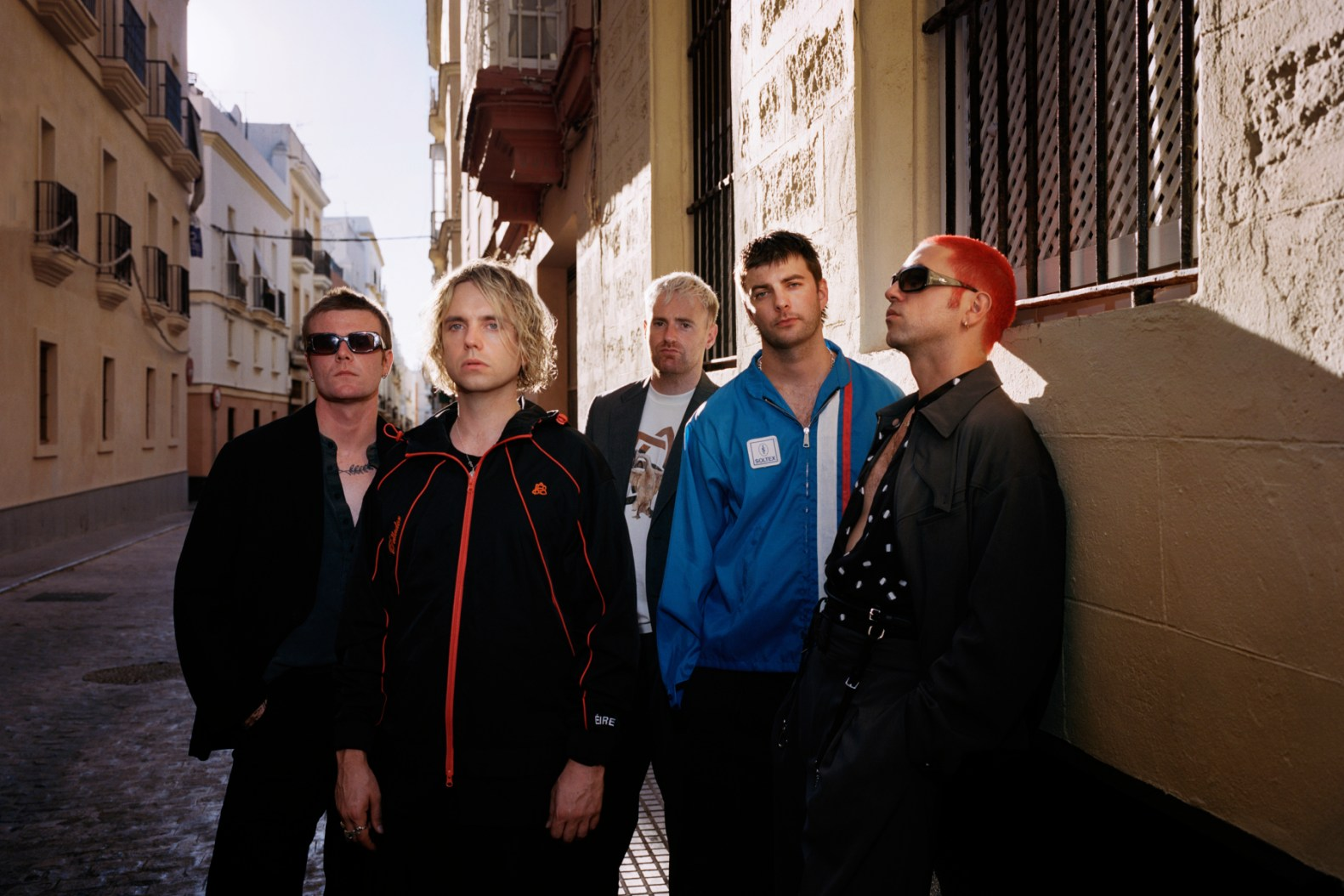
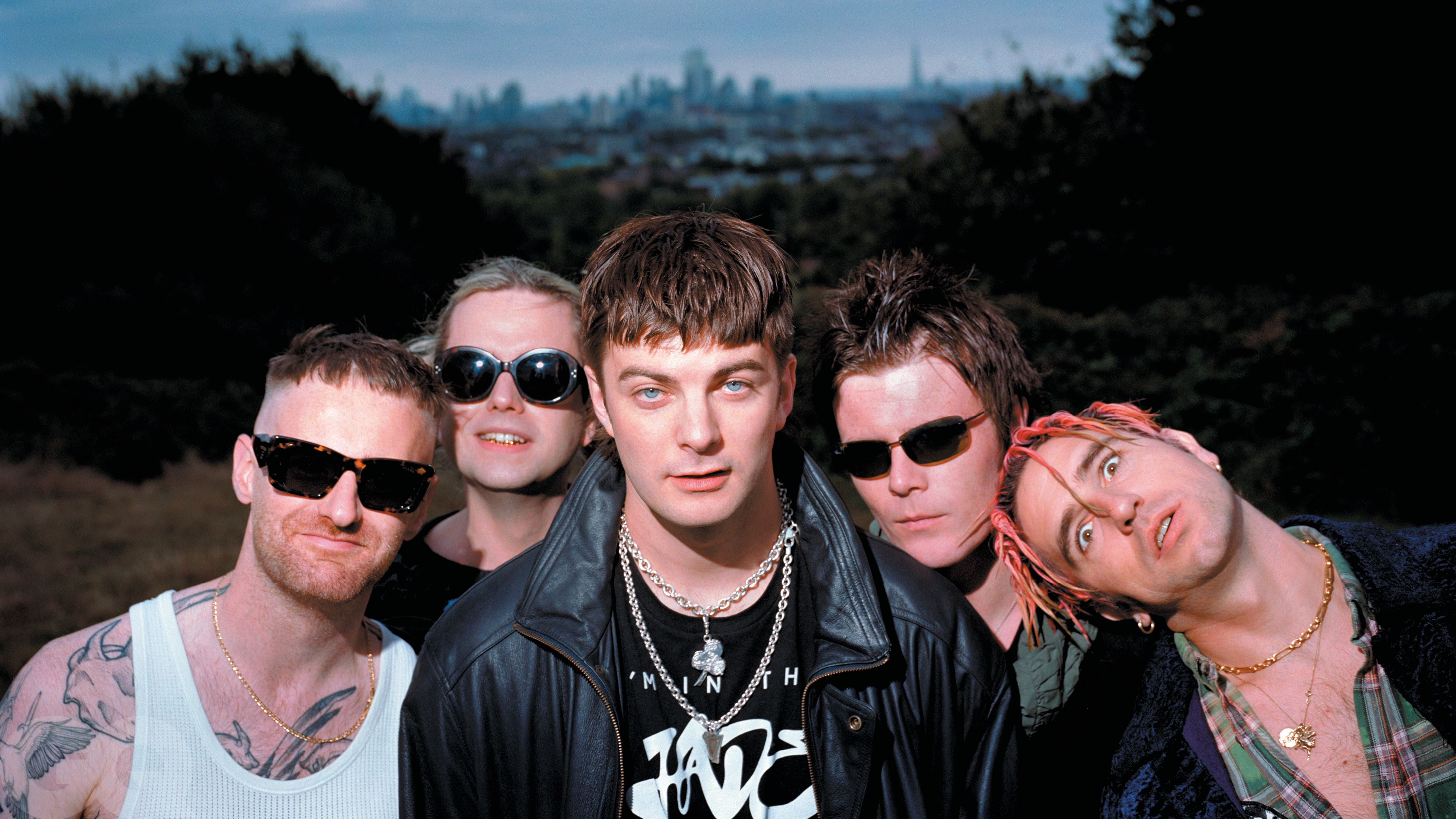
Fontaines D.C. have teamed up with Rosalía for their new collaboration, Where Is Gone?.
The song features on the Irish rock band's forthcoming album, Dopamine Chamber, which arrives on Friday (16.10.26). For guitarist Carlos O’Connell, working with the Spanish superstar is particularly special because of his own Spanish roots.
He explained: “I’ve admired Rosalía ever since her debut album, which I thought was absolutely beautiful.
“What excited me most was the way she continued to preserve Spain's musical traditions, something that felt spiritually connected to what we've been trying to achieve with Irish music. Having roots in both countries, it's been really special to witness. "She's an artist who has continued to amaze me at every point in her career.”
Frontman Grian Chatten has also described the collaboration with Rosalía as one of the most memorable achievements of his career.
He revealed that he felt "humbled" when she agreed to lend her voice to the band's album.
Speaking to NPR, Grian said: “I've always felt there's something almost like a single big idea that I'm personally trying to communicate to the world before I get old and die, if that makes sense. There's one thing I think I'll spend my life trying to express. I have a feeling she has a similar outlook. … I mean, she's an amazing arranger, composer and lyricist. It means so much that she wanted to sing on something we'd put together. It's definitely one of the highlights of my career.”
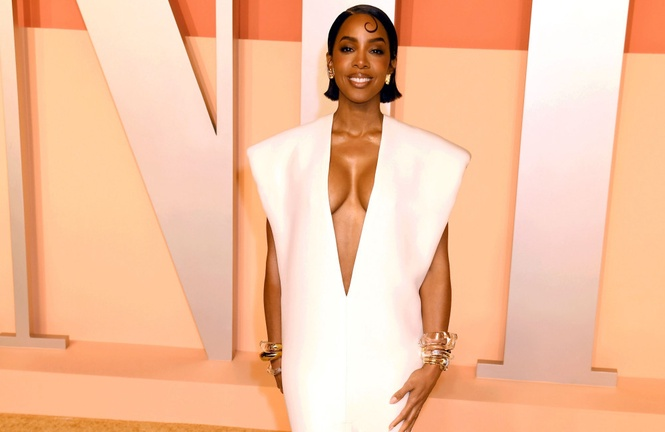
Rosalía's links to Irish rock music extend beyond Fontaines D.C. She also offered inspiration and helped develop the Spanish lyrics for U2's The Mirror Maker (Rosalía), a track from their forthcoming album, Carnaval de Luz.
During an appearance on The Tonight Show Starring Jimmy Fallon last week, she spoke about frontman Bono, saying: “I don't know him personally, but he sent me a text explaining that he was working on a new project and had written a song called The Mirror Maker."
Rosalía joked that Bono had invented a few words of his own.
She recalled telling him: “I wasn't sure what to make of it, but I told him he could create his own language if he wanted to.”
She described the opportunity to collaborate with the 66 year old music veteran as a real privilege.
She added: “Bono is a legend.
“It's amazing.”
Bono recently revealed that he was worried about seeming like a stalker when he reached out to Rosalía to ask whether he could name the song after her.