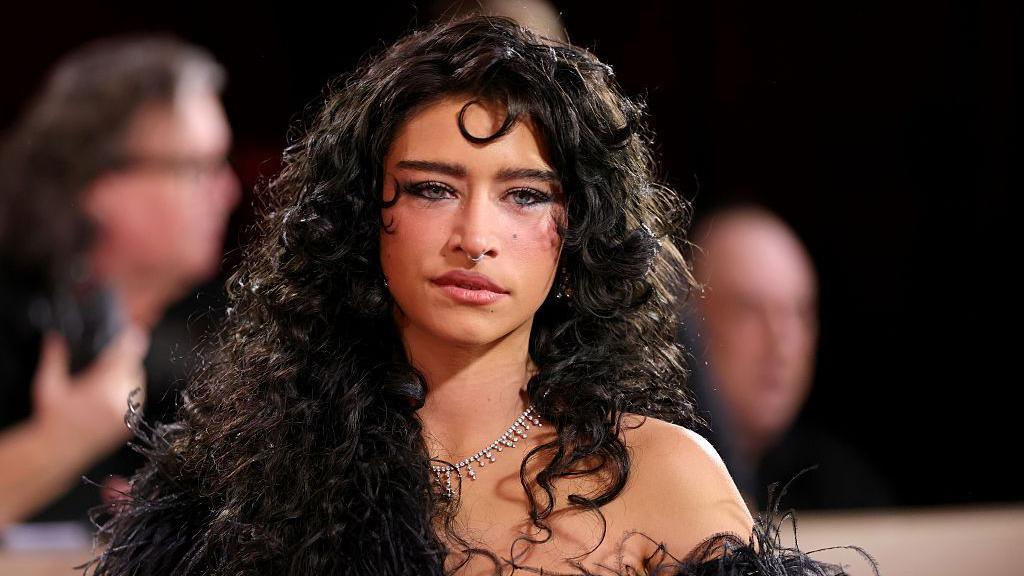

Princess Nokia performing at Lollapalooza 2021 at Grant Park in Chicago.
Roger Ho for LollapaloozaFor a year and a half during the pandemic, concerts seemed more dangerous than just about any other setting. Then came vaccines, and shows trickled back, from Madison Square Garden to Red Rocks Amphitheatre -- until the fast-spreading delta variant ripped through a Netherlands festival, leading to 1,000 infections, and the Foo Fighters postponed a show after a member of the band's organization tested positive. Then Chicago public-health officials reported just 203 of Lollapalooza's 385,000 attendees contracted COVID-19 and shows -- if they're outdoors -- seem safe again.
Or do they?
Are concerts safe for vaccinated people, or not? The data is tough for the average person zooming through Ticketmaster.com to interpret: "Breakthrough" COVID-19 infections for vaccinated people are unlikely, but they are possible; serious illness is even more unlikely, but it’s still possible; passing the virus to an unvaccinated child or an elderly adult or other immunocompromised person is also possible. As always, the closer you are to other people, the more air you breathe, and the more air you breathe, the greater your chances of COVID-19 infection. Are concerts worth these kinds of risks?
Billboard spoke with Dr. Amesh A. Adalja, senior scholar at Johns Hopkins University Center for Health Security and an authority on infectious diseases and pandemic preparedness, to raise these questions. Adalja, 45, is a go-to pandemic expert, sharing his views on CBS This Morning, NPR and the BBC, among many others during the past year and a half.
It turns out Adalja knows his way around concerts, too: A longtime skateboarder, Adalja grew up listening to Red Hot Chili Peppers, Nirvana, Metallica and Rancid and saw the original Lollapalooza twice.
"We'll have COVID cases 20 years from now," he says. "Then we have to come up with a way to be able to go about our lives, making risk calculations just like we do with other respiratory viruses or risks we face every time we get out of bed."
Most skateboarders I know are into live music -- true for you? Were you missing shows over the last year and a half?
When I was younger. Then medical school, residency, made it very difficult. I used to go to Metallica concerts wherever they were. I went to see Nirvana twice right after high school. It is one part of pre-pandemic life that everybody wants to see resume.
The Lollapalooza numbers released last week indicated the festival was not a super-spreader event, even though Chicago infectious-disease experts and local columnists said continuing the show was a bad idea. Does this suggest large outdoor events can be safe?
I think it does illustrate proof of concept that this can be done safely. The more vaccinated people are, the safer they are. If you're the only unvaccinated person at a mostly vaccinated concert, you're probably in a really good position, because it's less likely you'll be infected. Testing, specifically for unvaccinated people, can also be a way to let unvaccinated people in -- if they're proven to have a negative test.
A story last week based on studies from the Mayo Clinic and others as well as comments from a Harvard University epidemiologist suggested breakthrough infections among vaccinated people are more prevalent than we had thought. (According to the story, researchers had estimated vaccines’ “efficacy against symptomatic transmission” to be 90%, but a more recent Mayo Clinic study indicated the delta variant might drop that number to as low as 42%.) How does this affect the way you think about COVID-19 and safety?
We know breakthrough infections are rare. The fact that breakthrough infections are occurring is not surprising. Vaccines are not bug zappers. Vaccines are not force fields. The goal was not to prevent breakthrough infections, the goal was to prevent hospitalizations and deaths. To that end, they're performing off the charts, to use a Billboard metaphor.
Concerts and festivals are slowly coming back, and many more are scheduled for this fall and early 2022. How appropriate, from a safety point of view, is this rate of reopening?
I think it is correct. I don't have any issues with it. They have to be mindful of the risks they may be taking. Some concerts and some bands are asking for audiences to be totally vaccinated -- that's a responsible way to do it. Eventually it comes to a point where there's going to be some aspect of individual responsibility. We can't keep holding the vaccinated back for the unvaccinated. When hospitals are stressed, like they are in parts of Florida, Texas, Louisiana, Missouri, you have to be more cautious. But if you're in a place where hospitals are not getting crushed, I don't have any issue with these types of concerts. For fully vaccinated people, I don't think there's any major risk or concern -- if they were to get a breakthrough case, it's going to be mild. We can't be in the business of trying to stop people from getting mild breakthrough infections. If that's the case, then there is no off-ramp for this pandemic because this virus is never going away. Our goal is to prevent serious illness.
NEWS
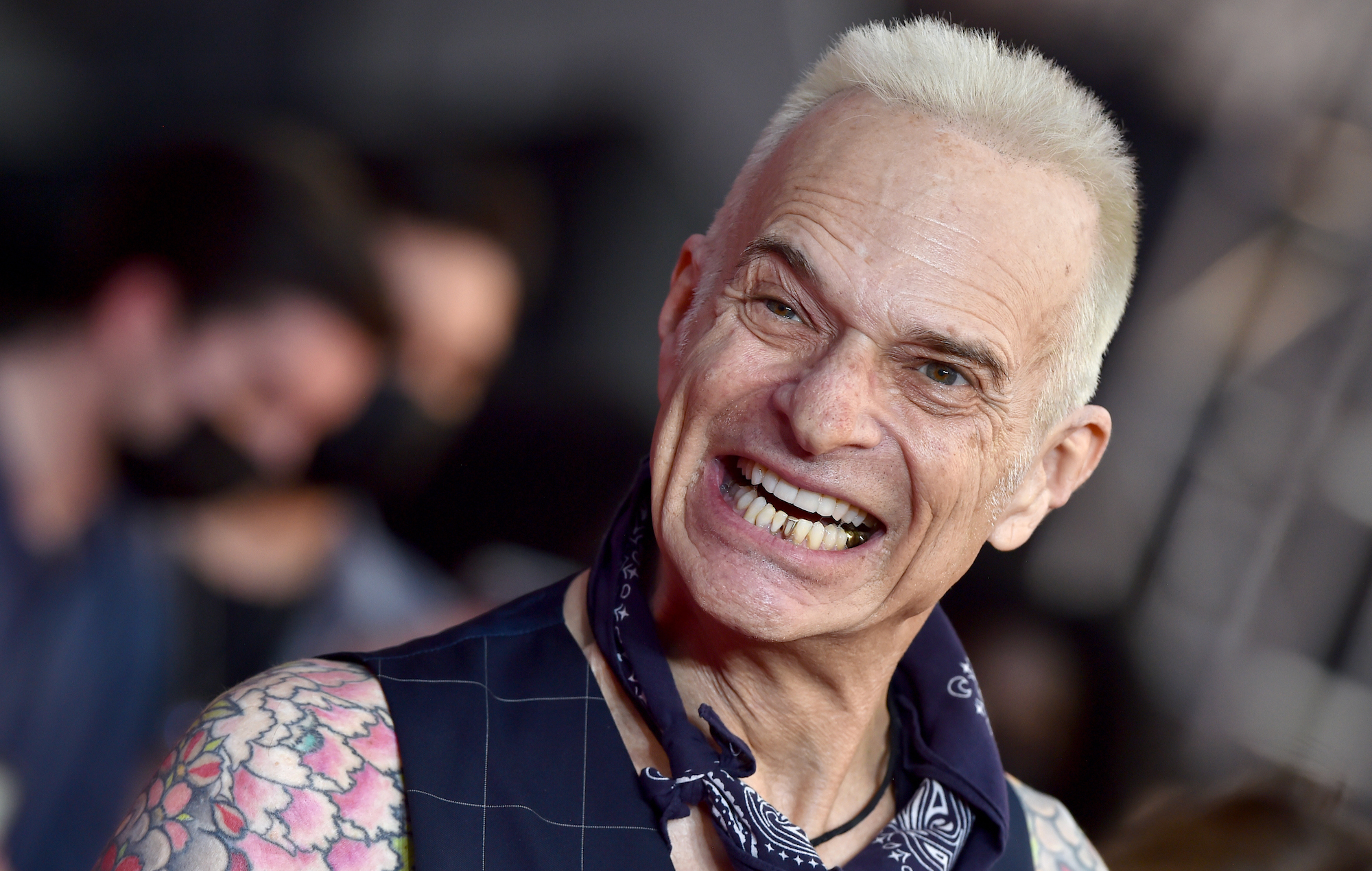
David Lee Roth made an unexpected appearance at the Stagecoach Festival on Saturday evening, stepping onto the stage with Teddy Swims to perform “Jump,” the iconic 1984 hit by Van Halen.
During his Stagecoach set, Swims welcomed Roth after running through his recent single “Mr. Know It All” along with “Some Things I’ll Never Know,” both taken from his debut studio album I’ve Tried Everything But Therapy (Part 1), which arrived in September 2023.
This moment marked the third straight festival where the two have shared the stage. Swims previously invited Roth out during recent sets at the Coachella Valley Music and Arts Festival, where he introduced him as “David Lee Roth from the best band of all time, Van Halen,” before they kicked into “Jump” together.
The latest performance unfolded during a chaotic night at Stagecoach, as strong winds earlier in the evening led to a temporary evacuation of the grounds and forced several changes to the schedule, including removing artists such as Journey and Riley Green from the lineup.
The evacuation came after powerful gusts swept through the Empire Polo Club in Indio, California, the site of the festival. An “emergency evacuation” notice appeared on screens across the venue, urging attendees to “move quickly and calmly to the nearest exit,” while alerts sent through the festival’s official app instructed people to clear the area.
The interruption impacted several stages, with the Mane Stage sitting between sets when the evacuation alert was issued. Wind conditions had been intensifying throughout the day, with stronger gusts arriving in the evening as part of a regional wind advisory.
Even with the disruption, Swims’ set ultimately continued, and Roth’s surprise appearance stood out as one of the biggest highlights of the night as fans returned once the festival resumed.
Stagecoach, one of the largest country music festivals in the United States, takes place every year at the same location as the Coachella Valley Music and Arts Festival and regularly draws tens of thousands of fans.