
Nio Garcia "AM"
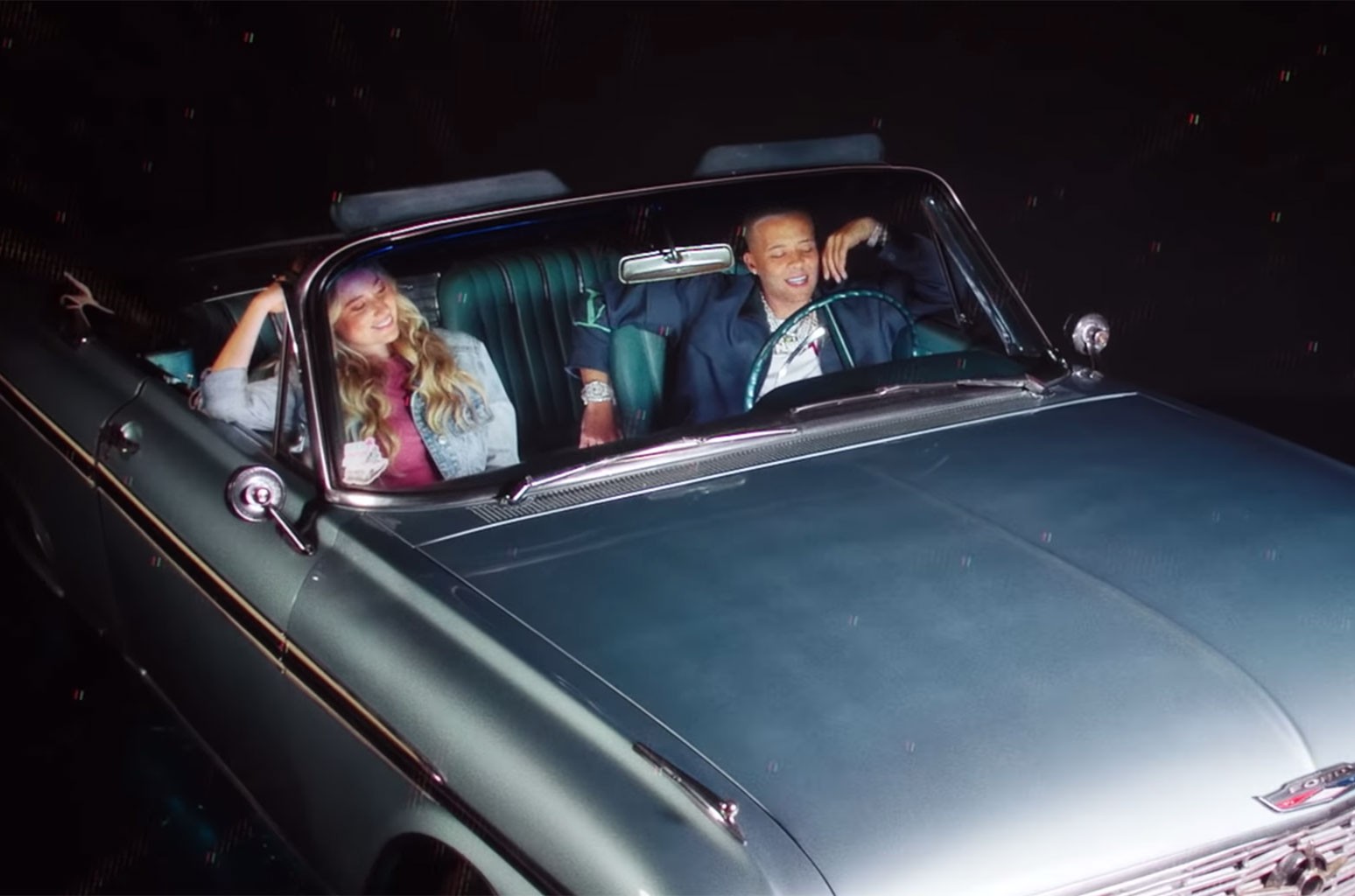
Courtesy PhotoNio García scores his fourth top 10 on Hot Latin Songs as “AM” soars 16-4 on the July 10-dated survey thanks to the song’s remix with J Balvin and Bad Bunny, released June 24.
The original song, billed as Nio García and Flow La Movie, was released Jan. 28 and reached a No. 11 high on the May 29-dated chart. With J Balvin and Bad Bunny on board, the song arrives in the top 10 of the airplay-, streaming- and digital-blended Hot Latin Songs in its 13th week mainly on the strength of streaming data.
“AM” earned 12.6 million U.S. streams after its first full tracking week ending July 1, according to MRC Data. That grants the track a No. 22 start on the overall Streaming Songs chart, García’s second entry and its highest following “Te Boté’s” No. 33 debut in May 2018. Ongoing with its streaming progress, “AM” also takes the Greatest Gainer/Streaming honors, climbing 18-2 on Latin Streaming Songs.
Back on Hot Latin Songs, J Balvin captures his 33rd top 10, while Bad Bunny ups his career count to 41, solidifying his record for the most top 10s since the chart began in 1986. Let’s take a look at the list of top 10 winners on Hot Latin Songs:
41, Bad Bunny
39, Enrique Iglesias
39, Luis Miguel
36, Daddy Yankee
33, J Balvin
30, Shakira
29, Chayanne
29, Cristian Castro
“AM” concurrently takes the Greatest Gainer/Digital trophy with 2,000 downloads sold, pushing to the top (7-1) on Latin Digital Songs in its second week.
Beyond its Hot Latin Songs push, “AM” gifts Garcia his highest debut on the all-genre Billboard Hot 100 chart as it bows at No. 41.
Garcia also breaks the top 10 barriers on Billboard’s global charts: “AM” reaches a No. 7 high on the Global Excl. U.S. tally and peaks at No. 10 on the Global 200 list.
<iframe width="660" height="371" src="https://www.youtube.com/embed/RNzQdcPWWX4" title="YouTube video player" frameborder="0" allow="accelerometer; autoplay; clipboard-write; encrypted-media; gyroscope; picture-in-picture" allowfullscreen></iframe>
NEWS
There is no question that Clipse’s Let God Sort Em Out made a serious impact and continues to hold weight. The project showed that hip hop is not limited by age and proved that a long-awaited return can still land in a major way regardless of the time away.
If you need a reminder, the Virginia duo’s fourth studio album debuted comfortably within the top five of the Hot 200. It secured the number four position and moved an impressive 118,000 units in its first week.
On top of that, it picked up a win at this year’s Grammys, earning Best Rap Performance for “Chains & Whips.” The album also received four additional nominations, including Best Music Video, Rap Album, and Album of the Year.
It is hard to believe the project will officially hit its one year mark this summer on July 11. Even so, Pusha T is making it clear that both supporters and critics should not be overlooking it anytime soon.
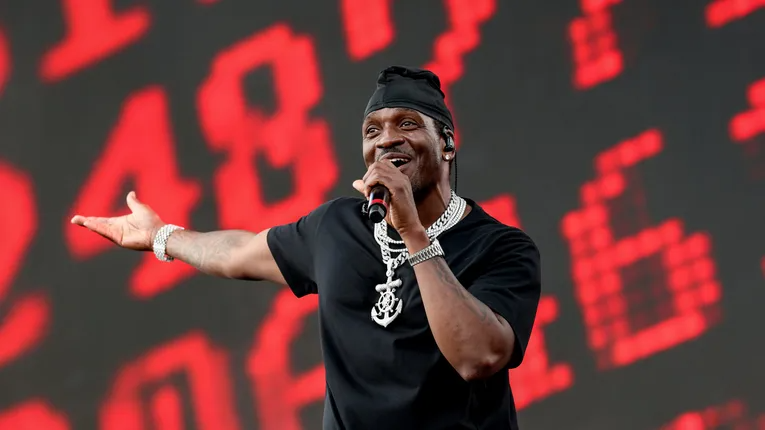
While performing at Coachella yesterday, King Push told the crowd that LGSEO still sits at the top, regardless of genre.
He said, “‘Let God Sort Em Out’ is still the album of the motherfckin year. Whole new year, still album of the year,” per Kurrco. “Album of the motherfcking year until we drop again. We don't care who dropping. It don't matter.”
That is a strong statement for obvious reasons, especially considering the recent claims surrounding Push himself.
Over the same weekend, hip hop social media lit up after several alleged reference tracks connected to Quentin Miller and Push began circulating. Three tracks surfaced in total, but one that drew the most attention was an alleged record titled “Real Gon’ Come.” It is said to come from the DAYTONA era, around 2017 to 2018.
The situation gained traction because fans remember the past tension between Drake and Pusha T before Drake’s clash with Kendrick Lamar. During that feud, Pusha accused Drake of using ghostwriters on tracks like “Infrared,” which appears on DAYTONA. On that song, he raps, “The bigger question is how the Russians did it /
It was written like Nas, but it came from Quentin.”
Reactions have been mixed. Some people argue it is not a major issue since Miller’s alleged contributions were limited to hooks. Others point out that the songs were never officially released, so they see no real problem. Meanwhile, critics view it as clear hypocrisy on Pusha T’s part, a perspective that DJ Akademiks has also supported.