ALBUM REVIEWS
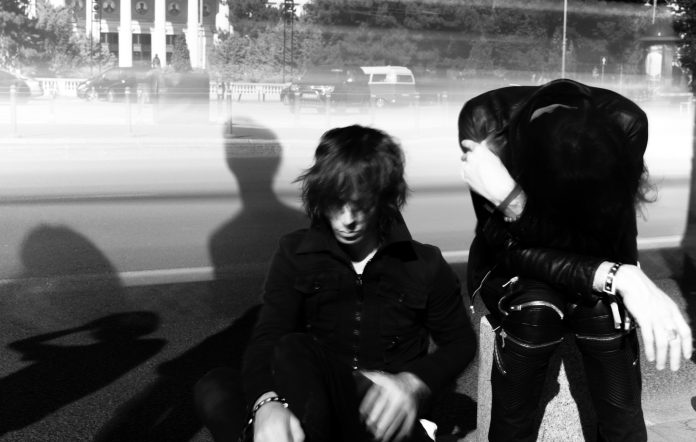
The leather jackets and skinny jeans worn by Noah Dillon and Chandler Ransom Lucy have become something of a signature, and the pair have hovered around the edges of the pop worlds in New York and Los Angeles for quite some time. First highlighted by NME during the Dimes Square resurgence in 2023, The Hellp have gradually stepped away from their earlier indie-sleaze imitation and leaned into something far more thoughtful. Their wild, neon-tinged party vibe has been traded for a more cinematic electronic approach that still holds onto a confident, self-aware attitude.
Dillon and Lucy started releasing music as The Hellp in 2016, with early mixtapes rooted in the chaotic nights and carefree behaviour once associated with NYC’s indie-sleaze staples like LCD Soundsystem and Yeah Yeah Yeahs. Over time, though, they’ve earned a steadily growing respect from critics. That rise has come through both their underground gigs, which have included a show at London’s Corsica Studios with Fakemink as support, and through Dillon’s expanding visual work that recently reached Rosalía’s ‘LUX’ album and a pair of music videos for 2hollis.
As ‘Riviera’ approached release, the duo shared: “We knew our next project would need to be a bit more mature… we refuse to become stagnant. ‘Riviera’ is more solemn, restrained and impassioned than anything we’ve done before.” The finished album feels like Dillon and Lucy carefully balancing identity and openness, theatricality and direct emotion.
The lead release, ‘Country Road’, carries a late-night heaviness, the kind of confession you would quietly tell a friend in a club’s smoking area. Its lonely tone is surrounded by glitching electronics and a rising bridge that points to the exhaustion that follows endless nights out. Tracks like ‘New Wave America’ and ‘Cortt’ deepen what the duo mention in their liner notes as a “desperate story of the disparate Americana.” Both pieces broaden the album’s emotional landscape and offer clear-eyed commentary on reluctantly stepping into adulthood.
When ‘Riviera’ shifts into ‘Doppler’, the tone brightens for a moment as hopeful synths lift Dillon’s words about yearning and heartbreak into an emotional peak. And in the final moments of the record, The Hellp land on something instantly familiar to anyone who has drifted away from the club scene. The Kavinsky-like opening of ‘Here I Am’ nods to their early inspirations, while the closing track ‘Live Forever’ arrives with a slow, grounded maturity, built around Dillon repeating the line: “I don’t want to live forever.”
‘Riviera’ holds far less disorder than The Hellp’s earlier releases. This turn inward marks an important risk for a duo once fuelled by the momentum of a downtown New York comeback. By easing off the frenzy, The Hellp have stepped out of the party’s lingering haze and returned with a style that feels more refined and more aware of itself than anything they have created before.

ALBUM REVIEWS
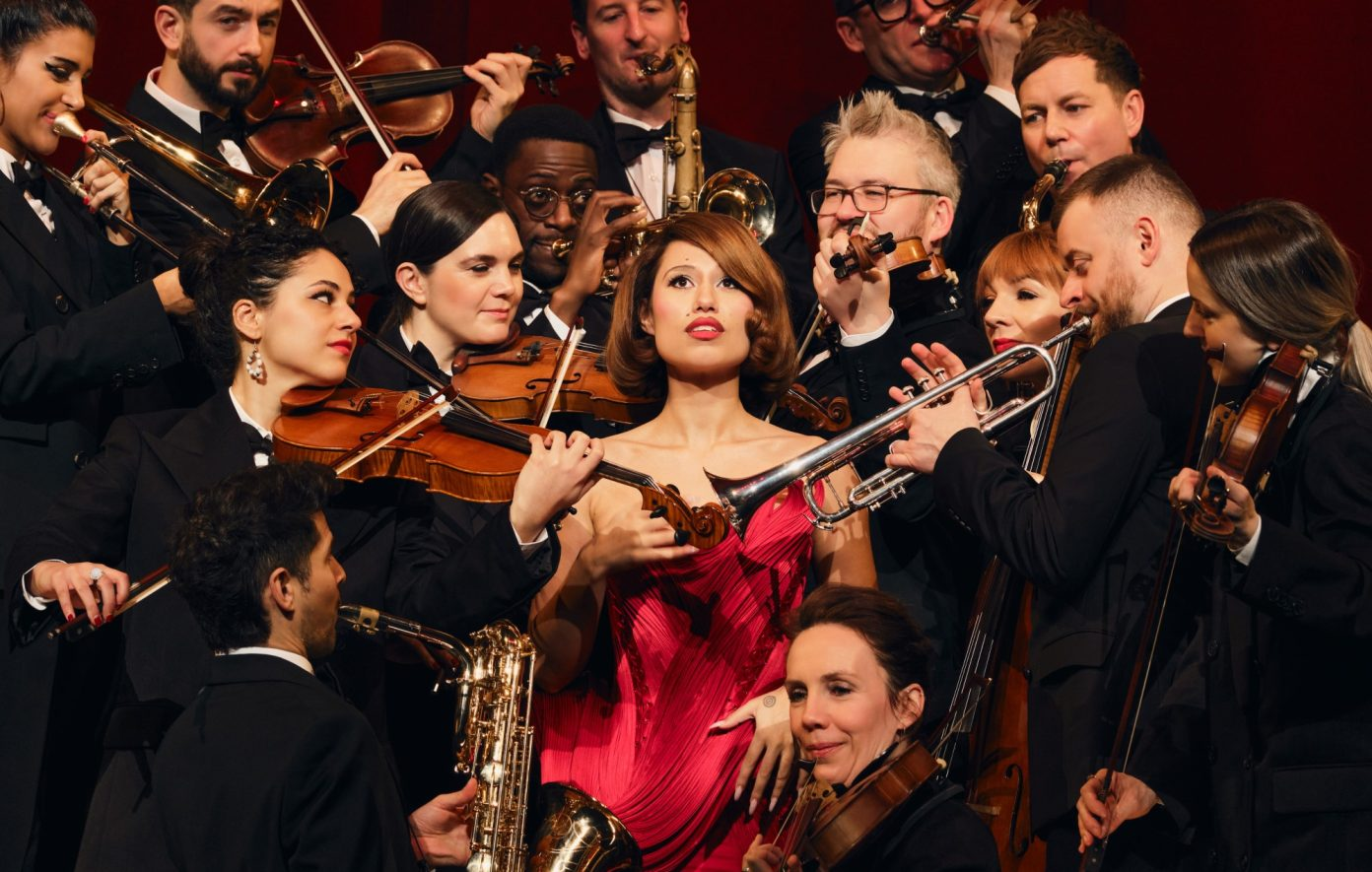
Grandeur sits at the heart of ‘This Music May Contain Hope’, RAYE’s second album, and the result feels nothing short of breathtaking. On this record, the singer born Rachel Keen explores a wide spectrum of sounds across its 73 minute length, moving from emotional ballads to lively funk moments and the jazz pop style she has become closely associated with. It can feel overwhelming at first, yet the magic that comes from RAYE fully committing to her vision makes the experience rewarding from start to finish.
‘This Music May Contain Hope’, a conceptual project about pushing through insecurity and heartbreak, unfolds like a lavish stage production. RAYE takes on the dual role of main character and guiding voice throughout the story. “Allow me to set the scene. Our story begins at 2:27am on a rainy night in Paris. Cue the thunder,” she says during the opening track ‘Girl Under The Grey Cloud’, which arrives with sweeping orchestral strings. Spoken passages appear across the album, helping shape the narrative and giving the project a sense of direction, almost like hearing the official recording of a Broadway show.
With this framework in place, the South London artist allows herself to fully explore the album’s diverse musical palette, and most of the time it works in her favor. Sometimes she fully embraces the theatrical side of the concept, especially during the closing section of the smooth R&B track ‘The WhatsApp Shakespeare’. Other moments are delivered more straightforwardly, such as the emotional slow building ballad ‘I Know You’re Hurting’. She also revisits her earlier dance influences with the impressive house track ‘Life Boat’.
Across the entire album, two things stand out clearly. RAYE’s flexible vocals sound better than ever, and her songwriting feels sharper than it has before. Take the playful highlight ‘I Hate The Way I Look Today’, a swing jazz inspired track reminiscent of Ella Fitzgerald, where she admits “I’m okay to be lonely / If I’m lonely and skinny / I have such silly self-loathing thoughts, it seems”. Then there is the emotional storytelling in ‘Nightingale Lane’: “It was right there, early June / Next to Old Park Avenue / Standing in the rain, I watched him walk away”.
Despite all the vulnerability and emotional struggles explored throughout the record, RAYE ultimately reaches a place of optimism, staying true to the album’s title. She gathers her close friends on ‘Click Clack Symphony’ with support from Hans Zimmer, finds closure with guidance from Al Green on the smooth seventies soul inspired ‘Goodbye Henry’, and reaches toward something greater alongside her sisters Amma and Absolutely on the uplifting ‘Joy’ as she searches to be “free of all the pain and every fear”. After the stormy opening imagery of that “rainy night” and “thunder”, RAYE eventually realizes that “the sun exists behind the clouds”, as she shares on ‘Happier Times Ahead’.
‘This Music May Contain Hope’ shows RAYE performing at her absolute peak. The album feels huge in scale and emotionally powerful, yet it remains rooted in honest experiences and real feelings. Yes, it asks a lot from the listener, but that is also what makes it so special. Every dramatic moment and musical shift feels like RAYE claiming her independence and finally creating music entirely on her own terms.