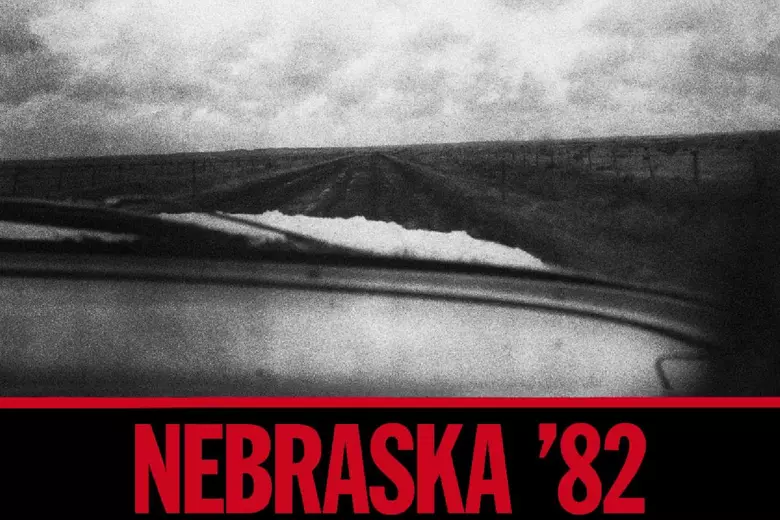
Bruce Springsteen was right. At the risk of simplifying the value of this impressive box set, giving away the main storyline of his new biopic, and flattening decades of mythmaking, the reality is just what Springsteen always claimed. Even when he tried the material with his closest collaborators, using some of the strongest songs he had ever written, the most powerful version of Nebraska is still the one he recorded at home in Colts Neck in January 1982. Just a lonely man in his early thirties with an acoustic guitar, a TASCAM PortaStudio, and an Echoplex, capturing solo demos for what he thought would be a full-band project. Everything that came after was an experiment.
But what an experiment it turned out to be. For those who don’t know the story, here it is in brief. After the success of his upbeat 1980 single “Hungry Heart” and a long streak of relentless touring and critical praise, Springsteen entered one of the most creatively intense chapters of his life. He began by writing the grim ballads and shadowy lullabies of Nebraska, which he then tried to recreate with the E Street Band and in solo studio sessions before ultimately choosing to release the home demos. He did no press and no tour, which left him free to keep writing, and that work became 1984’s massive commercial hit Born in the U.S.A. During that time, he tossed aside enough songs to fill multiple albums, later shared through collections like Tracks and Tracks II: The Lost Albums. He also found time to help revive the career of early rock’n’roll icon Gary U.S. Bonds, co-writing and co-producing two comeback records, contributing a Grammy-winning song to Donna Summer, and hitting the gym with enthusiasm.
It might sound like a golden moment, but for Bruce, it felt like a creative cage—the kind of brooding, restless chapter that inspires a filmmaker to cast Jeremy Allen White to play you on screen. The twist is that the most crucial moments, from the original Nebraska to the electric and explosive version of “Born in the U.S.A.,” happened quickly and naturally, before anyone could complicate the process. Unlike anything else in his official catalog, Nebraska 82: Expanded Edition offers a clear window into that moment. Within this tight collection is a sharper, more complete image of one of Springsteen’s most legendary and personal records—still the one he treasures most—along with rare insight into his creative rhythm.
The set includes a newly remastered version of the album, a disc of solo acoustic outtakes carrying the same raw emotion, the legendary Electric Nebraska sessions, and a live album and film capturing Springsteen performing the record start to finish in an empty New Jersey theater earlier this year. The live material feels reverent, with beautiful support from former Bob Dylan bandmate Larry Campbell. The remaster reveals that, despite the album’s association with the birth of lo-fi, the sound is richer and more intentional than much of what followed. Listen to the last half minute of “Atlantic City” through headphones and focus on how the acoustic guitars, mandolin, and background vocals fade away layer by layer. It’s a reminder of how much careful craft went into creating such stark beauty.
Unlike his earlier box sets for Darkness on the Edge of Town and The River, this one isn’t about showcasing how many different paths he could have taken. It’s about sharpening the vision. Where Nebraska is known for its unbroken mood, Electric Nebraska jerks between heartland laments and roaring rock songs across its eight tracks. These takes feel like rough sketches more than finished recordings—mostly Springsteen on electric guitar and vocals, Max Weinberg on drums, and Garry Tallant on bass—hinting at an album that could have been more accessible and mainstream in 1982. And yet, this raw version of “Downbound Train,” with its clanging rhythms and unsettling bridge, may be one of the strangest things he ever put to tape.
It’s easy to see why Springsteen thought these sessions didn’t work. Versions of “Open All Night” and “Johnny 99,” which on the original album burn with desperate energy, sound here like something a bar band could fall into with a casual count-in and some good-natured rockabilly riffs. On one hand, it highlights how his delivery gives shape and gravity to his songwriting. (Compare the early acoustic “Thunder Road” to its triumphant album version for proof.) On the other hand, slipping into different musical skins was a key part of his process then. He could turn something as playful as “Pink Cadillac” into a moaning, shadowy reflection of itself, as if the character had returned to earth wrecked and hollow, fixated on one thought.
For devoted fans, these shifts are what make the box set essential: witnessing how songs like “Working on a Highway” transformed from a chilling ballad called “Child Bride” into a loud, laughing, raucous number. Some of the outtakes, like the quietly devastating country song “Losin’ Kind,” have been passed around unofficially for years. But this set also reveals two entirely unheard songs: “On the Prowl” and “Gun in Every Home.” In the first, he ends with a dizzying repetition of “searching,” drenched in slapback echo that mimics the sound of a live band. In the second, he paints a nightmarish portrait of suburban life and ends with a bare, defeated admission: “I don’t know what to do.”
Within a single song, Springsteen might take the role of a killer hiding in the dark or a runaway on the move, either escaping or facing the question of whether being caught is actually a strange kind of salvation. That’s the point of sitting in the dark: you can’t see the exit. Yet sometimes he caught brief glimpses of where it all might lead. Along with the original demo tape, Springsteen sent a letter to his manager, Jon Landau. He went through each track, detailing the grim subject matter, floating arrangement ideas, and occasionally letting a sliver of optimism shine through.
He scribbled a note next to “Born in the U.S.A.,” which appears here in two early forms: a heavy acoustic blues and a full-band rocker stripped of its later synths, leaving no doubt about how the narrator feels. “Might have potential,” he wrote. That small spark of belief carried him through. He knew these songs would take work, and that truly understanding them would take time. But he also trusted that at the end of each hard-earned day, there would still be magic in the night.
ALBUM REVIEWS
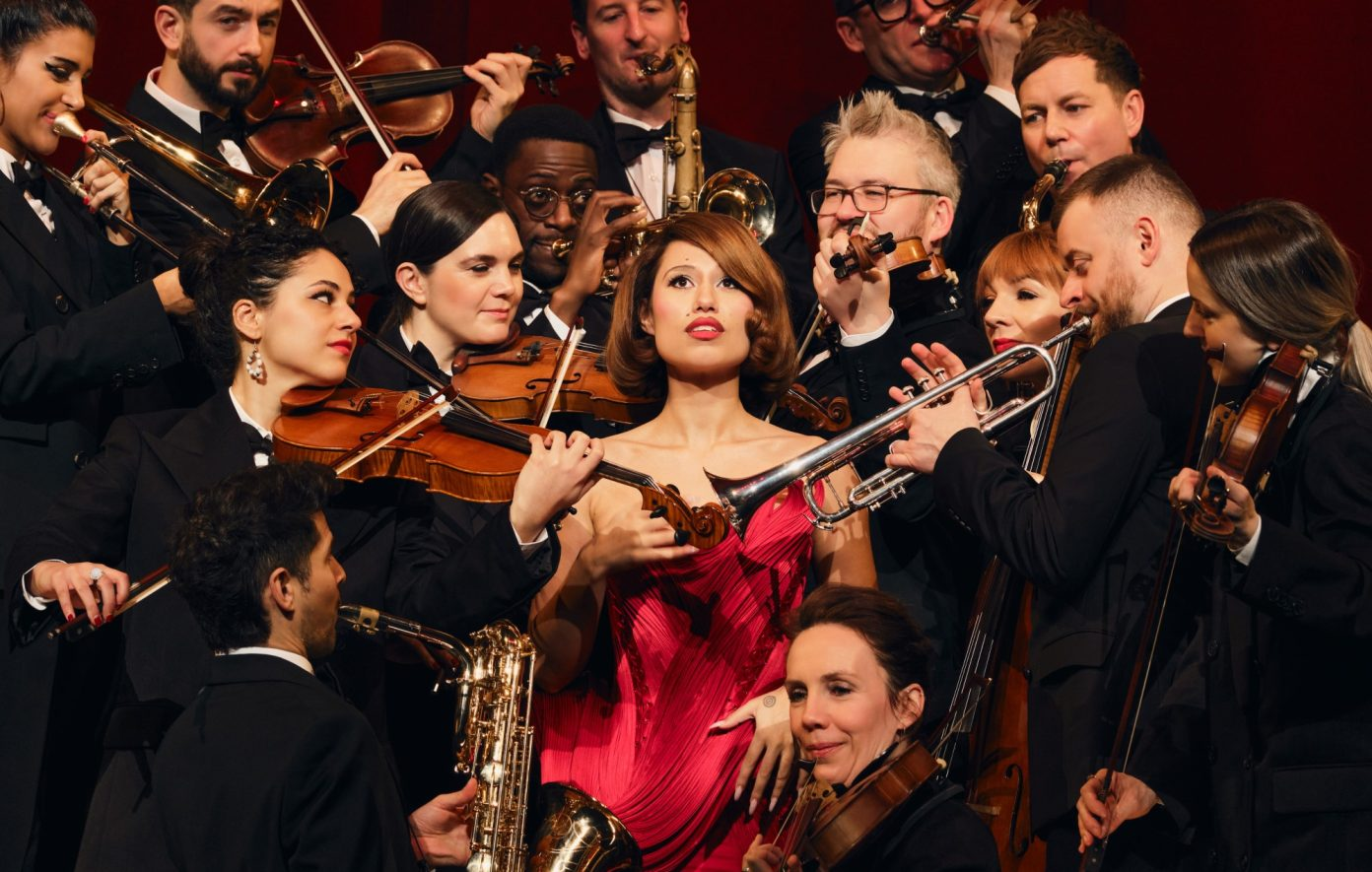
Grandeur sits at the heart of ‘This Music May Contain Hope’, RAYE’s second album, and the result feels nothing short of breathtaking. On this record, the singer born Rachel Keen explores a wide spectrum of sounds across its 73 minute length, moving from emotional ballads to lively funk moments and the jazz pop style she has become closely associated with. It can feel overwhelming at first, yet the magic that comes from RAYE fully committing to her vision makes the experience rewarding from start to finish.
‘This Music May Contain Hope’, a conceptual project about pushing through insecurity and heartbreak, unfolds like a lavish stage production. RAYE takes on the dual role of main character and guiding voice throughout the story. “Allow me to set the scene. Our story begins at 2:27am on a rainy night in Paris. Cue the thunder,” she says during the opening track ‘Girl Under The Grey Cloud’, which arrives with sweeping orchestral strings. Spoken passages appear across the album, helping shape the narrative and giving the project a sense of direction, almost like hearing the official recording of a Broadway show.
With this framework in place, the South London artist allows herself to fully explore the album’s diverse musical palette, and most of the time it works in her favor. Sometimes she fully embraces the theatrical side of the concept, especially during the closing section of the smooth R&B track ‘The WhatsApp Shakespeare’. Other moments are delivered more straightforwardly, such as the emotional slow building ballad ‘I Know You’re Hurting’. She also revisits her earlier dance influences with the impressive house track ‘Life Boat’.
Across the entire album, two things stand out clearly. RAYE’s flexible vocals sound better than ever, and her songwriting feels sharper than it has before. Take the playful highlight ‘I Hate The Way I Look Today’, a swing jazz inspired track reminiscent of Ella Fitzgerald, where she admits “I’m okay to be lonely / If I’m lonely and skinny / I have such silly self-loathing thoughts, it seems”. Then there is the emotional storytelling in ‘Nightingale Lane’: “It was right there, early June / Next to Old Park Avenue / Standing in the rain, I watched him walk away”.
Despite all the vulnerability and emotional struggles explored throughout the record, RAYE ultimately reaches a place of optimism, staying true to the album’s title. She gathers her close friends on ‘Click Clack Symphony’ with support from Hans Zimmer, finds closure with guidance from Al Green on the smooth seventies soul inspired ‘Goodbye Henry’, and reaches toward something greater alongside her sisters Amma and Absolutely on the uplifting ‘Joy’ as she searches to be “free of all the pain and every fear”. After the stormy opening imagery of that “rainy night” and “thunder”, RAYE eventually realizes that “the sun exists behind the clouds”, as she shares on ‘Happier Times Ahead’.
‘This Music May Contain Hope’ shows RAYE performing at her absolute peak. The album feels huge in scale and emotionally powerful, yet it remains rooted in honest experiences and real feelings. Yes, it asks a lot from the listener, but that is also what makes it so special. Every dramatic moment and musical shift feels like RAYE claiming her independence and finally creating music entirely on her own terms.