
ON THE RISE

San Diego indie pop-rock band 3rd Borough leans into their sharp-edged melodies and cinematic atmosphere on new single “Blood Like Yours,” released just in time for Halloween. The track rides an urgent pulse, guitars shimmering against a propulsive rhythm section, while vocals cut through with clarity against the dense instrumental backdrop. Equal parts anthemic and eerie, it blends the immediacy of pop hooks with the darker textures of alt-rock, setting the stage for a release that feels both catchy and spellbinding.
“This one came really naturally — we were just having fun in the studio. It’s a love song with a vampire twist, playful at its core, but, in my opinion, it carries a Michael Jackson–inspired pop sound. We wrote and produced it together, then brought in the band to seal it up,” said Paul Kipling (aka Apaulo8), co-founder of the 3rd Borough.
Lyrically, “Blood Like Yours” takes the familiar language of desire and dresses it in gothic finery, spinning a romance that’s equal parts dangerous and irresistible. The vampire metaphor turns intimacy into something hauntingly physical — an attraction that borders on hunger, where surrender feels inevitable.
“You can think of it as a love song dressed up in a vampire outfit,” shared Justin Werner, co-founder of the band. “At its core, it’s about longing and desire — that magnetic pull toward someone you barely know but can’t resist. You could swap the word ‘blood’ for ‘love’ throughout the song, and it would still make sense.”
Lines that frame love as a kind of dark consumption underscore the playfulness the band leans into, making the song feel both Halloween-appropriate and timeless in its treatment of infatuation. It’s a clever twist: what could read as sinister comes across instead as flirtatious, transforming a classic monster trope into a hook-driven pop allegory.
“It reminds me of how a vampire seduces a woman — but also how the woman seduces the vampire,” said Apaulo8. “The lines, ‘I waiting a millennium to find a cure’ and ‘I never had a taste for blood like yours,’ show both sides of the coin.”
Set for release on September 25, “Blood Like Yours” arrives with a vampire-charged music video that extends the song’s playful darkness to the screen. Leaning into retro '80s vampire vibes, the video pays direct tribute to The Lost Boys (1987), inspiration the group says came naturally once they realized how much of that era’s culture seeped into the track itself. The visual also features a guest appearance from T-Chronic of hip-hop group Atlantis Rizng, adding another layer of crossover energy to the project.
“We put the concept together ourselves — I wrote the screenplay, and Paul [Apaulo8] and I worked out the camera direction while letting the cameraman add his own touch,” shared Werner. “The editing was handled by cinematographer Victor Del Rio (a.k.a Savvy), and I worked with him to make sure it told the story we wanted. It’s probably one of the most fun videos we’ve made — very cinematic.”
The story follows a man lured into a vampire coven, tricked into drinking blood before joining the hunt. Shot through with tongue-in-cheek horror and a slapstick edge, it balances thrills with humor — a knowing wink to the genre that makes this music video as entertaining as it is referential.
Alongside the video, the band will also release Blood Like Yours Documented, a behind-the-scenes documentary that explores the making of the track and video, from the songwriting process to on-set production. Set to drop the same day as the video, the documentary offers fans a deeper look at the creative chemistry that drives 3rd Borough.
“Blood Like Yours” is the first single to be released from 3rd Borough’s upcoming 12-track album The Human Quest. The record promises a wide-ranging journey through moods and styles, from rock-and-roll–leaning love songs to ambient, 70s-inspired atmospherics, while still carrying the band’s signature cinematic edge.
The next track fans can look forward to is “The One Thing,” which blends 80s pop sensibilities with a rock undercurrent — a sound Werner describes as “Tears for Fears meets The Weeknd.” From there, the band will continue rolling out new singles each month, building toward an album release party, likely to take place in April to coincide with Apaulo8’s birthday.
“Mark [Mark Boyce, keyboardist] wrote the foundation of that song — it was inspired by The Weeknd’s ‘Blinding Lights,’ with its 80s vibe and all the Vegas imagery,” continued Apaulo8. “Once Justin and I got our hands on it, we reworked the direction quite a bit, but it all started with Mark.”
Described by Werner as carrying a “David Bowie meets Harry Styles” energy, “The One Thing” took on a life of its own while still reflecting 3rd Borough’s signature sound. Other highlights on The Human Quest include “Controlling the Fire,” another cinematic track born from one of Justin’s dreams that blends hip-hop grit with futuristic country-western Americana — a song Apaulo8 calls one of his favorite rap performances.
Then there’s “Bababah,” one of the band’s oldest compositions on the album, originally written more than 15 years ago and preserved here as a nod to their roots. With its storytelling charm and timeless feel, it stands as both a love song and a reminder of how far the band’s sound has traveled while staying true to its origins.
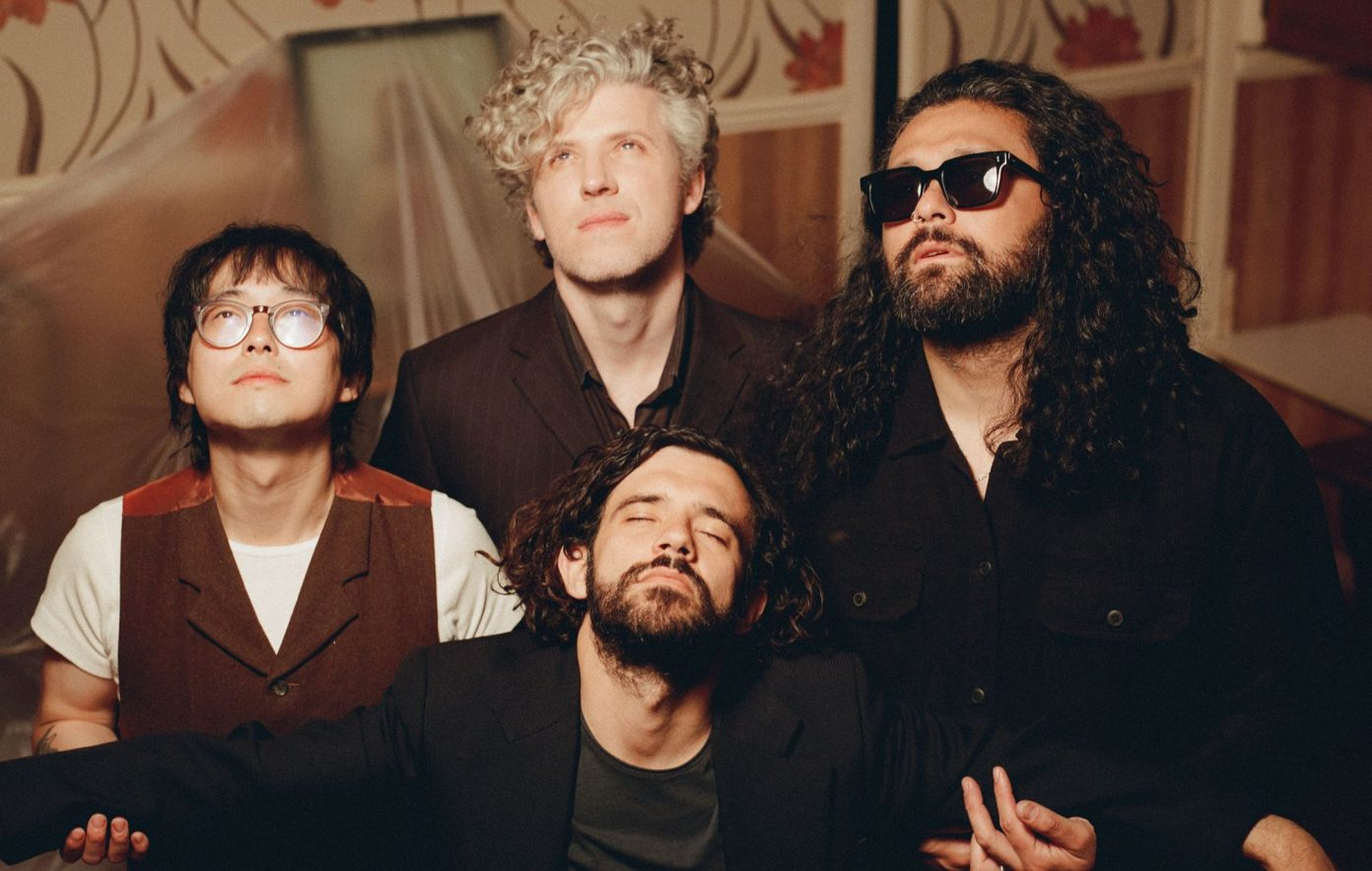
Formed in Ocean Beach, 3rd Borough brings together a collective of musicians whose chemistry has been key to shaping their sound. At the core is singer, guitarist, and primary songwriter Justin Werner, alongside DJ, beatmaker, and co-writer Apaulo8. Bassist and engineer Ibo Rodriguez, who first worked with the group behind the board, eventually stepped in as a full-time player, while keyboardist Mark Boyce’s early collaborations proved so essential that it solidified the project into a true band. Rounding out the lineup are drummer Arh Kota (Argel Cota) and lead guitarist DonoFox, each lending their own seasoned experience from a wide range of projects and musical genres.
“We’re all strong enough to be solo musicians, a lot of us are even classically trained, which is why we’re such a powerhouse when we come together. As 3rd Borough, we turn into Voltron, something bigger than the sum of our parts,” enthused Apaulo8.
While the name might sound like a nod to New York’s boroughs, “3rd Borough” actually carries a much older and more unexpected meaning. The term comes from Old English, where “thirdborough” referred to a peace officer — someone tasked not with carrying weapons, but with resolving conflicts through unity and understanding. To the band, the name felt almost fated, aligning with their belief in connection, harmony, and creativity as forces for peace.
“We’ve always loved that definition,” said Werner. “The way we found it was kind of magical — I pulled out this old dictionary, Paul [Apaulo8] closed his eyes, and the first thing he landed on was ‘thirdborough.’ When we read what it meant, it clicked right away. Instead of conflict, it’s about resolving things in a peaceful manner, which is really at the heart of what we’re about as a band.”
That ethos of peace and openness also shapes 3rd Borough’s music, allowing them to draw from a vast spectrum of styles while keeping their core identity rooted in light, love, and joy. Their sound moves fluidly between eras and genres — from the Beatles’ classic pop warmth to the grit of 90s grunge, the edge of My Chemical Romance, the grooves of hip-hop pioneers like Run DMC, and even the polished pop of artists like Post Malone. The Human Quest captures this range: 80s-inspired anthems, hip-hop textures, and rock-and-roll coexist seamlessly, unified by the band’s commitment to making music that feels positive, inclusive, and fun.
“We definitely tackle a wide range of music, but it’s always PC — safe for a five-year-old or a fifty-year-old to listen to. It doesn’t matter if it’s pop, rock, or hip-hop,” explained Apaulo8.
True to their vision, 3rd Borough is beginning their release strategy with an analog-first approach, echoing the physical culture of the 80s while offering fans something tangible. The Human Quest will debut on vinyl and cassette, with digital streaming to follow in 2026. To make those editions more than just music, the band has partnered with Opie Ortiz, the artist behind Sublime’s iconic 40oz. to Freedom cover — to create original artwork for the album. Ortiz’s designs, which have historically transcended into tattoos, clothing, and other cultural touchstones, reflect 3rd Borough’s own ambition: to craft a body of work that resonates beyond the songs themselves, embodying the spirit of Southern California while carrying a timeless quality that fans can literally hold onto.
“For us, it’s about being more connected to the audience,” added Werner. “These songs have a timeless element, and we wanted the visual representation to reflect that. By starting with vinyl and tape, people aren’t just getting music — they’re taking home a piece of art.”
Fans of thoughtful storytelling and true artistic expression can sink their teeth into “Blood Like Yours,” releasing September 25 as the first taste of The Human Quest. With new singles dropping each month, 3rd Borough invites listeners to follow their journey across social media for updates, appearances, surprises, and details on their upcoming album release party.
ON THE RISE
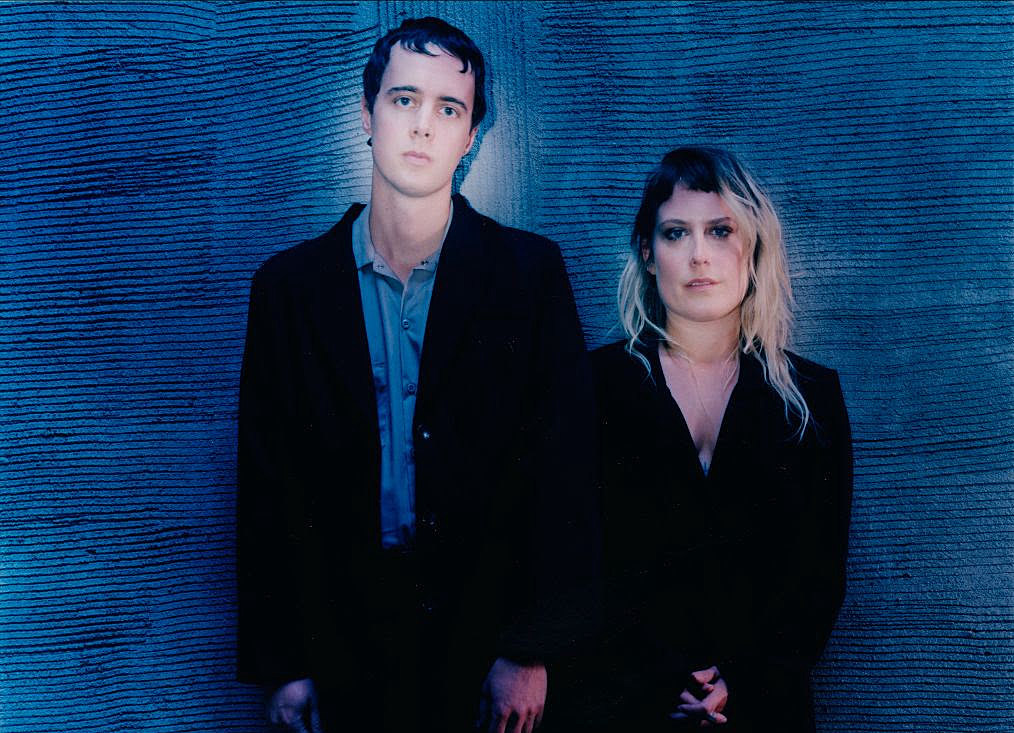
Bats tucked inside jackets, cats secretly brought into gigs in tote bags, and unexpected run ins with bikers hoping to take them away for a night out. It is safe to say that Boy Harsher have experienced their fair share of bizarre moments while touring. For Jae Matthews and Augustus Muller, though, these unusual encounters have become part of the job. The darkwave duo have spent years crafting haunting music driven by heavy synths, building a loyal community of equally unconventional fans along the way. This autumn, they returned with GET MEAN, their latest album, which has excited longtime listeners and attracted a whole new wave of fans. The release also marks their first major album tour since ending their relationship in 2024. Interestingly, their separation appears to have brought their musical partnership closer together, although learning to share the stage again was not always easy. “That was really a learn by fire situation,” Matthews says, remembering their first performances following the breakup. “I cried every day. But now we really have a system figured out.” Speaking from Eugene, Oregon, the two musicians discussed the challenges of touring after a breakup, emotional moments behind the scenes, and their late night McDonalds runs.
EMILY SANDSTROM: How has the response to the new album been?
JAE MATTHEWS: I think good. Gus is doing the thing where he is not in view, so he is just making funny faces at me. How has the response been, Gus?
GUS MULLER: I’m really trying not to read the comments, but it’s been fun to play live.
SANDSTROM: Do you get a lot of hate comments?
MULLER: Not reading the comments, so I wouldn’t know if they’re happy or sad.
MATTHEWS: I mean, people really love to scrutinize women in particular. So I’ve received a lot of interesting noise, but no one says jack shit about what Gus looks like. Gus said he couldn’t take it if they did.

SANDSTROM: That’s funny. But yeah, that’s a real thing.
MATTHEWS: Yeah. But generally, Gus is correct. I don’t want to read much about the album, but we’ve been playing these shows that have been nuts and people are singing along to the new material. And then, because the vibe has been so pleasant, sometimes I’ll go out and say hi to a couple people. I’m like, “Yeah, fuck it. I want to go out and say hi and take a couple selfies or whatever.”
SANDSTROM: Has that come back to bite you at all? Has anything weird happened or has anyone been kind of crazy?
MATTHEWS: I think the craziness is the fact that we have developed systems that generate complete neurosocial relationships and a lot of fandom now is circled around knowing the star intimately. So I think people meet me and they think they know me. They think they understand who I am, and that feels strange. I’m like, “I love that you love my music and I love that you support me, but I also need this boundary because you don’t know who I am.” I don’t have a stalker, which I am thankful for. But I sometimes definitely go wacky bananas. I almost got on a motorcycle in Macedonia because a fan was like, “You ever been on a crotch rocket? Let’s go.”
SANDSTROM: Wait, you should have gone.
MATTHEWS: My tour manager was like, “Jae, if you get on that bike, we won’t be able to trace you. You won’t have data. You potentially will be kidnapped.” I should have gone on the bike though.
SANDSTROM: Another bike will appear. What’s been your favorite stop thus far and least favorite stop, and why?

MATTHEWS: I think that we’re going to probably be sweet about our least favorite, because a musician once was asked, “Who do you think is the most overrated band right now?” And they said us, and it really fucking hurt my feelings. So now, I’ll never answer a question like that. But honestly, Denver and Detroit rocked it so insanely hard in ways that I was on stage taken aback. Denver is nuts too because it sold out really quickly, and people were in their element. There’s a lot of discourse on cell phone usage at shows, and I will say that if you have your phone down and you’re just dancing, I know that you’re embodying my music and that is the coolest thing to witness.
SANDSTROM: Do you feel like the crowd has changed a lot on this record? What does the average Boy Harsher fan look like now?
MATTHEWS: I think that crowds in general have changed a lot, period, not just for Boy Harsher. We’ve been very, very thankful to have a strong gothic community because they’re always fun and they look good. I wonder sometimes if there are more people who are accessing our music and being like, “Who are they?” But I’m never going to be mean or rude about that. The dream is to have everyone who wants to hear it and enjoys hearing it have access to my songs. I actually don’t think I’ve noticed, in terms of the crowd, different types of people, but I’m going to think about that right now.
SANDSTROM: What’s the weirdest thing you’ve seen someone bring into a show?
MATTHEWS: This one’s kind of easy for me because it’s also one of my favorite shows ever. We played Kyiv several years ago at this amazing club. I was outside before or after our set and there was this strange Ukrainian gothic person sitting there. They’re like, “Oh, they won’t let me come into your show because I brought my pet.” And I was like, “What? You brought your pet?” And they opened their jacket and they had a little bat.
SANDSTROM: Oh, no. I hate that so much.

MATTHEWS: Honestly, it was so cute though. I mean, I was worried. I was like, “Your bat definitely doesn’t want to go into a loud music show. They use sonar.” That would be awful.
SANDSTROM: I didn’t even know you could carry bats around like that. I thought they had more agency.
MATTHEWS: Maybe this bat was really needy and attached to them and it was a parental thing. It has come to a Boy Harsher show. Do you have any?
MULLER: Yeah, we did a record signing the other day and someone took their cat out of their tote bag to say hi.
SANDSTROM: Oh, no. Was it on a leash?
MULLER: It was just chilling. It was very polite.
MATTHEWS: It was on a figurative and a physical leash, for sure.

SANDSTROM: Wow, interesting. Do you guys have rituals before you play shows?
MULLER: I don’t, but I’m trying to. I’m playing guitar on this tour. I’ve been trying to warm up on guitar. Jae is just belting in the green room.
MATTHEWS: Yeah. I shut down the green room one hour before stage time where I’m allowed to be alone. I’m very, very social and people want to come into the green room to be like, “What’s up?,” and I can’t say no. I want to see them too. So I have to lock the door, have my TM be like, “Shh.” That hour is my hour to have my anxiety. I do my vocal warmups. I do my makeup most of the time. I’ll finally put the clothes on that I have to wear on stage. I obsessively read my lyrics because my number one nightmare is forgetting lyrics. Sometimes it helps, but a lot of times it just makes me more nervous.
SANDSTROM: Has anything gone wrong on stage yet or has there been a big mix-up?
MATTHEWS: On this tour, it’s been very good, hyper-professional. It’s almost as if we’ve been doing it now for over 10 years and we’re finally starting to figure it out.
SANDSTROM: What’s the worst thing that’s happened at a show?

MATTHEWS: This is my classic story. I fucked up big time at this huge gothic festival in Leipzig called Wave-Gotik-Treffen. Every single goth in Germany has their journey to Leipzig to go to the show, and it’s the first time we ever played in Germany. It felt like the pressure was really high. We roll up late because we’re coming from Berlin. I don’t eat. I just start drinking gin or something crazy, so I’m drunk, mistake number one. I walk onto stage. I don’t do my monitor mix because the sound engineer was like, “People will think it’s starting.” So I’m walking into a foreign monitor mix, and our set begins, and I am almost immediately totally lost. I rely on being able to hear the track in order to know where I sing. We were trying out a new song, a song that eventually was called “L.A.,” and I just messed it up completely. Then I started crying in front of everyone and I ran off stage. And I remember opening the curtains being like, “I got to get out of here.” My manager runs back and he’s like, “Please, please just go on stage, do ‘Pain.’ That is why they came here. Do ‘Pain’ and then you’ll be done.” I did “Pain,” but I was definitely blubbering a little bit. I swear to fucking god, I still run into Germans who are like, “I was there. I saw you cry on stage.”
SANDSTROM: Wow. I think that’s cool. It’s a theatrical and true expression.
MATTHEWS: I learned a lesson that day. I will never ever let that happen again.
MULLER: What, drink on an empty stomach?
MATTHEWS: Messing up the song is really what I mean. But yeah, I also don’t drink gin anymore, and I try not to have an empty stomach because that is pretty disastrous.
SANDSTROM: I imagine being on tour for that long takes a crazy toll on your body and mind.

MATTHEWS: It does. I feel like this tour, even though it is super professional and we have some more creature comforts, I’m feeling the weight of being on the road constantly and not sleeping well. I feel my age in a way that I think the tour has exaggerated the experience.
SANDSTROM: How do you guys get downtime? I know you have your ritual before, but any other indulgences?
MATTHEWS: I’ve been walking. We are in a city, so when I have some time, I try to walk somewhere. This is so sad to say, but I’ve been eating alone. That helps. Privacy is really, really hard to come by. I have found that if I go to a restaurant with my little book and eat some really overpriced sushi, I can have my Jae time. I tried to maintain some pilates, but it’s tough because you go to classes in random fucking cities and it’s so different. I was in a pilates class full of 22-year-old Mormon ballerinas and I was about to die, so that one’s a little more difficult.
SANDSTROM: That is very funny. I went on a work trip to Arkansas one time, and I was doing pilates with a bunch of Arkansas housewives who wore bright orange. It is different city to city.
MATTHEWS: I feel like you get used to your teacher too, and then having to figure out this one night stand with a different teacher—I don’t love that. I have really tight hamstrings and I just need my girl because she gets that.
SANDSTROM: I always want to know what people eat on tour because some people eat crazy.
MULLER: I’ve been eating pretty bad. And Jae, you’re not helping. You went to McDonald’s at midnight and got everybody chicken nuggets.

MATTHEWS: I really like chicken nuggets. Chicken’s something new in my life. I was a vegetarian for most of my childhood, and so I’ve just introduced chicken and wow. McDonald’s chicken nuggets? Chef’s kiss.
SANDSTROM: I don’t know if I’m the first person to ask you this, but how’s touring post-breakup?
MATTHEWS: It was really, really hard at first. Our first tour after the breakup was technically Coachella in 2024. That was really a learn by fire situation. I was a mess. I cried every day. It was tough. I think now we have really figured out a system. Gus and I care about one another and we respect each other, so I think we prioritize trying to maintain a professional relationship that serves Boy Harsher. I always answer this and I feel like I never hear Gus’s response.
MULLER: Well, I mean, you’re having fun. Jae’s having fun. Everyone’s having fun.
MATTHEWS: Oh my god.
MULLER: I think Jae’s having a lot of fun this trip. No?
MATTHEWS: Why don’t you talk about the breakup? Don’t talk about me.

MULLER: I guess having something to do just kind of normalized it. Yeah, we went on this crazy Coachella tour, and I mean, your mom had just died.
MATTHEWS: It was the one year anniversary of her death, the first Coachella night. So that is also why I cried. My life changed drastically in a very small span of time, and I had to learn how to adjust.
SANDSTROM: Yeah, that makes sense. Thank you for answering that. I don’t know if it was rude, but—
MATTHEWS: No, I mean, so much of the album is about heartbreak.
MULLER: And we’re on the album cover.
MATTHEWS: Yeah, exactly. This is the first time that Gus and I allowed our physical form to be so forefront. We’ve never really been in music videos or album artwork because I think we want to demonstrate this level of resilience. We really want to present Boy Harsher as this thing that could have easily just evaporated because we were going through so much, but we didn’t want that to happen.

SANDSTROM: When you guys are on tour, do you find time to write together or think about future stuff?
MATTHEWS: I can’t write. Oh, wait, Gus doesn’t agree.
MULLER: Well, it depends. I think we’ve gotten better at it. I think we got better at laptop art. We went on a tour last summer. We went to Tasmania. We were working in the studio on our days off.
MATTHEWS: We were invited to Dark Mofo. The thing about Tasmania is, when you go over there, you have to be there for a couple days to acclimate. And we worked in the most beautiful studio on the best FKA twigs remix ever that never saw the light of day.
SANDSTROM: Oh, you got to put that out. That sounds good.
MATTHEWS: We’ve got to leak it. But if we have days off, then studio days are really fun because you’re already exercising those muscles while performing every night, and then you just get really inspired by literally watching people respond to the elements of your music.
SANDSTROM: Final question: what’s your favorite song to play live and your least favorite song to play live, and why?

MULLER: Favorite song has been “Break Me” off the new record. My least favorite song to play is “Motion.”
MATTHEWS: “Motion” is a fan favorite song, and we’ve never played it live. It’s on Country Girl, so that’s a 2017 or ’18 release. Gus is a total grump when we play it. I think my favorite song, which was surprising, is a song on the new album called “Coming Home.” The first night we did that in Hudson, New York, I cried while I was singing it, but not out of delirium or anything. I suddenly had this surge of like, “Wow, I did it. We did it.” It’s a really fun song to play live because I sing about how I am suicidal, I was about to kill myself, and then it has such a ramp up that I think you can feel the joy. It’s very anthemic. My least favorite—that is tough. New songs are hard for me because I’m like, “Am I going to fuck this up?” We tried to do “Falling” the other night and I’m like, “Oh my god, don’t forget.” I’m just crazy anxious. Sometimes “Pain” is really hard for me to play live.
SANDSTROM: Yeah.
MATTHEWS: But sometimes it’s the best song ever. It drops, people are screaming like we’re the fucking Beatles, and then “Pain” starts and I just have this weird sense, like I’m just so sad or flat while people are still in it. This is going to be a weird comparison, but it’s almost like having sex with someone you don’t know.
SANDSTROM: I think I understand what you mean.
MATTHEWS: There is something enjoyable about it, but you’re missing that intimacy. And not everyone does this, but I certainly have sex for intimacy.
SANDSTROM: Right. So it’s almost like discovery, that song?
MATTHEWS: Or it’s like a dissociation or something. When I don’t feel the vibe, it’s probably because it’s a little bit of a dissociative experience, and maybe that’s what I’m reacting to.
.png)