
MUSIC PREMIERES

Roy Thomas Baker, whose intricate work on multiple albums by Queen — including “Bohemian Rhapsody” — the Cars, Foreigner and others made him one of the most successful and influential producers of the 1970s and ‘80s, has died. No cause of death was announced; he was 78.
“Bohemian Rhapsody,” from Queen’s 1975 album “A Night at the Opera,” is currently the most streamed song to have been recorded in the 20th century and was named by the Guinness Book of Records as the top British single of all time.
Queen’s Roger Taylor noted of Baker, “I think he brought a certain amount of discipline and a lot of cynicism and a passion for fattening desserts. He liked his food, Roy. He was very disciplined and very strict in the beginning . . . he would always get it right. The take had to be right.”
Born in Hampstead, London, Baker began his career in music at Decca Studios in London where he served as second engineer to such major producers as Gus Dudgeon (Elton John) and Tony Visconti (David Bowie, T. Rex). He worked on recordings by those artists (under the name Roy Baker) as well as the Rolling Stones, the Who, Dusty Springfield, Ten Years After, Dr. John, Ginger Baker’s Air Force, Savoy Brown, Moody Blues, Nazareth, Yes, Be Bop Deluxe, and many more. By 1971, he had become chief engineer and worked on such hits as Free’s 1970 smash “All Right Now” and T. Rex’s “Bang A Gong (Get It On).” He later moved over to Trident Studios in London’s Soho district, where he began working closely with Queen.
While his role on the band’s 1973 debut was less prominent, beginning with the following year’s “Queen II” the band’s sound became increasingly elaborate and ambitious, involving dozens of layered vocals and multitracks instruments, particularly Brian May’s guitars. Their work grew increasingly complex through 1974’s “Sheer Heart Attack” and arguably peaking creatively with “A Night at the Opera,” which broke the band internationally (and was also said to be the most expensive album ever recorded at the time). He continued with the band’s equally elaborate but less successful 1976 album “A Day at the Races,” after which Queen began producing their own records.
By that point, however, Baker had been enlisted to work with the Boston-based band the Cars, who, like Queen, were signed with Elektra Records in the U.S. He brought his disciplined and vocal-heavy approach to that group’s self-titled debut, which became an instant hit, via singles like “Just What I Needed” and “Best Friend’s Girl,” and launched the Cars as a major band. He continued working with them on their next three albums, all of which were gold or platinum successes, although his trademark stacked vocals were less prominent.
“Roy taught me a lot about handling band personalities,” the Cars’ late singer-songwriter Ric Ocasek told writer A.D. Amorosi in 2016. “He was an electronics whiz, a sound guy with a classical background for mic-ing the room’s sound. He got harmony. And he took things in stride — a very upbeat, elegant man. Spontaneous, too.”
Around this time Baker relocated to the U.S. and in the following years produced albums by Journey, Ian Hunter, Ronnie Wood and Reggie Knighton (for his own RTB Audio Visual Productions). He was also a staff producer and A&R for Elektra, working with Lindsey Buckingham, Dokken, Mötley Crüe and Joe Lynn Turner. He also oversaw the signing of Metallica, Simply Red, Yello, Peter Schilling and 10,000 Maniacs.
Over the course of his career, he also produced Foreigner, Alice Cooper, Cheap Trick, Devo, Ozzy Osbourne, Sammy Hager, The Stranglers, Guns N’ Roses and Smashing Pumpkins.
Baker is survived by his wife, Tere Livrano Baker, and brother Alan Baker.
MUSIC PREMIERES
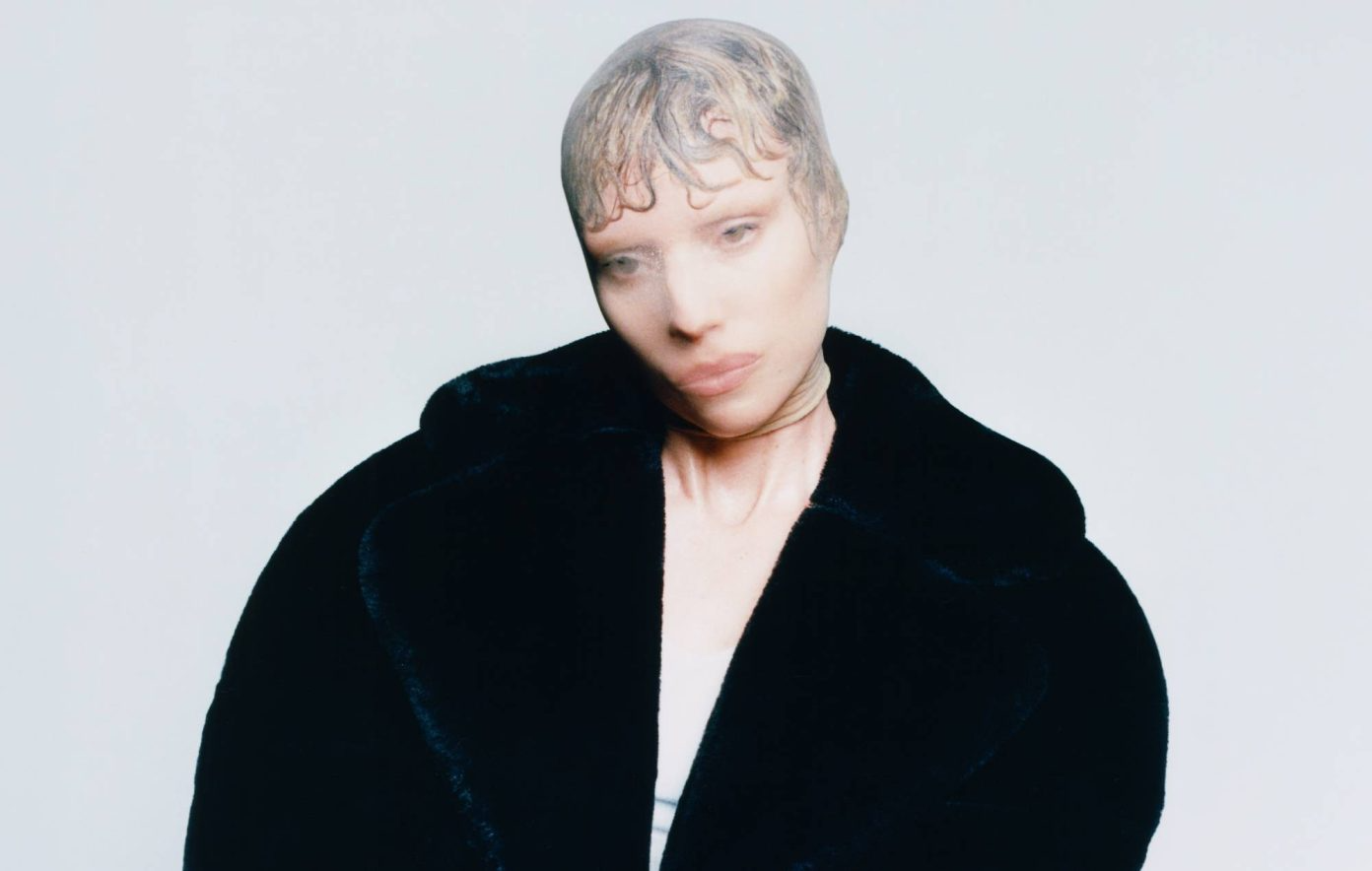
Lykke Li didn’t hold back when speaking about the making of her sixth studio album, ‘The Afterparty’, during a listening session in Los Angeles earlier this year. “Let’s talk about the album. It was a motherfucker to make,” she admitted to the crowd. While balancing motherhood, the chaos of modern culture shaped by Trump and AI, and her own desire to create something more “extroverted, impulsive and chaotic” than ‘EYEYE’, as she previously shared with NME, the Swedish alt pop star arrived at a headspace that “feels like it’s 4am and the sun is going to rise”. The record captures that blurry final moment before regret, exhaustion and reality settle in, which makes it even more emotional considering she has hinted this could potentially be her final album.
There is something fitting about how brief the project feels. With only nine tracks running across 24 minutes, it never overstays its welcome. Lykke immediately drops listeners into the atmosphere with opener ‘Not Gon Cry’, painting a picture of those lonely early morning hours with the line, “No angels here tonight, no dancing queens.” Alongside the shadowy pulse of ‘Happy Now’ and the twisted disco energy of ‘Lucky Now’, she revisits the emotional yet dance driven spirit of her earlier material while blending in the sharper, more confident attitude heard on ‘So Sad, So Sexy’ and the shimmering influence of her 2019 Mark Ronson collaboration ‘Late Night Feelings’.
The emotional fallout begins to settle in quickly. ‘Famous Last Words’ carries a lush orchestral sadness as Lykke reflects on lessons that only came after years of chaos and late nights, confessing, “I had to crash and burn to tell the tale.” Then comes ‘Future Fear’, a delicate acoustic track with robotic textures that stares directly into anxiety and uncertainty with the chilling question, “I’m going to a dark place, do you need anything?” Meanwhile, ‘So Happy I Could Die’ glows like sunrise after a sleepless night, holding onto fleeting moments as she sings about “slipping through the hourglass”.
Throughout the album, Lykke Li vividly captures the beauty and wreckage of reckless nights with the vulnerability that has always defined her music. On ‘Sick Of Love’, she channels heartbreak into revenge, wanting to “make you beg for it” after rejection in a way that feels spiritually connected to Robyn’s ‘Dancing On My Own’. One of the strongest moments arrives with ‘Knife In The Heart’, a track that fully embraces her desire to become the “rock god” and “fuck boy” she spoke about, firing back at anyone who tries to tear her down with the words “you can spit, you can walk on me” while delivering one of the catchiest songs she has created in years.
Closing track ‘Euphoria’ leaves behind the same bittersweet feeling that runs through the rest of the album. With sweeping strings, pulsing beats and emotional intensity, Lykke Li reminds listeners that nothing lasts forever as she sings, “Player play your song, waste the night away”. Like the fading energy of the perfect night out, ‘The Afterparty’ ends in a haze of beauty and uncertainty. If this truly is her farewell, she leaves with one final intoxicating statement, though it still feels like there could be another chapter waiting.